Smart Tips to Lower Your Energy Bills with a Better HVAC System
With utility costs on the rise, keeping your home comfortable without breaking the bank is more important than ever. The great news? A few changes can help you save money and extend the life of your HVAC system. Whether you're considering a new HVAC installation or looking to improve your current setup, this guide offers practical ways to cut down on energy bills.
Today's HVAC systems are pretty impressive, thanks to new ratings like SEER2 and EER2, smart controls, and eco-friendly refrigerants. According to the U.S. Department of Energy, heating and cooling account for a large share of residential energy use. So even small improvements can add up over time. For more on system ratings, check out our post on SEER and AFUE ratings.
Why HVAC Efficiency Matters More Than Ever
Home energy use takes a big bite out of your budget
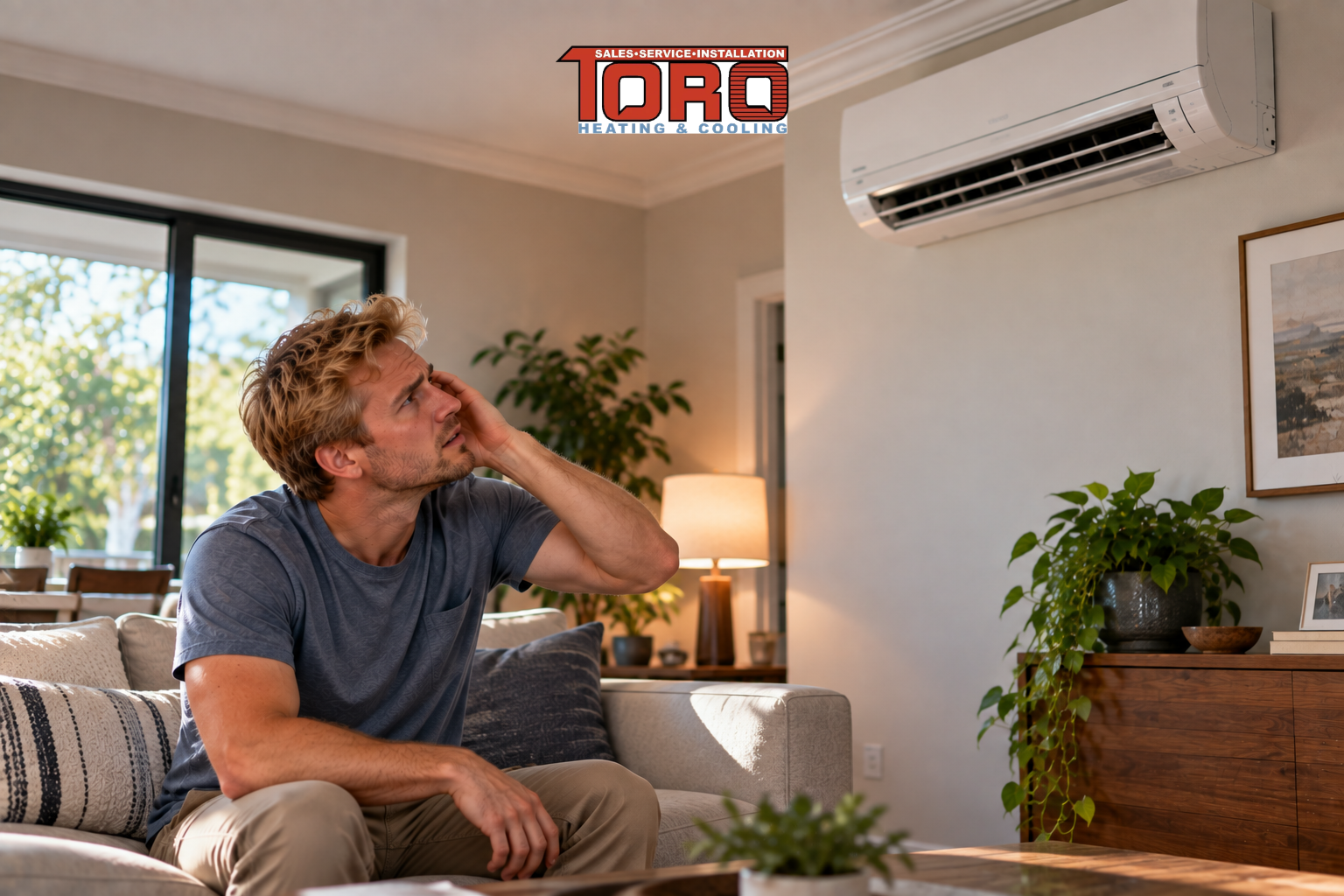
Your HVAC system runs a lot, especially during extreme weather, making it a prime target for cost-cutting. An inefficient system wastes energy by running longer than needed and dealing with poor airflow or bad controls.
Simply put, a well-maintained, properly sized system can help you avoid paying for comfort you don't even feel. It also keeps temperatures consistent, reduces strain on components, and means fewer repairs. If your system is struggling, scheduling HVAC system maintenance could help catch problems before they become costly.
Efficiency standards are tightening up.
New SEER2 and EER2 ratings give a better picture of real-world performance. These standards help you compare systems more accurately, ensuring smarter investments. The U.S. Environmental Protection Agency also supports refrigerant transitions and improved equipment efficiency as part of broader climate goals. For more, see the EPA's overview of hydrofluorocarbon reduction efforts.
For property owners, upgrading to a more efficient model can save on operating costs while boosting reliability. Research shows consumers are leaning towards efficiency, especially as smart controls and better system designs become more available. That's why energy savings now tie into not just equipment performance, but also installation quality and ongoing care.
Start with the Right HVAC System
Proper sizing is key.
Don't make the mistake of thinking bigger is better. An oversized system cycles on and off too quickly, wasting energy and possibly causing humidity issues. An undersized system works too hard and might never efficiently reach your desired temperature.
Accurate load calculations are crucial for reducing bills. A professional evaluation should consider square footage, insulation, window exposure, air leakage, occupancy, and local weather. Planning a replacement? A carefully designed HVAC installation can boost both comfort and utility savings.
High-efficiency models pay off over time.
Market data shows strong interest in high-efficiency systems like heat pumps and variable-speed furnaces. Reports suggest moving from a 14.3 SEER2 unit to a 17 SEER2 unit can lower cooling energy use by 15% to 20%. These savings are especially noticeable during long cooling seasons or in buildings with high occupancy.
If your system is old, noisy, or often needs repairs, upgrading might be more beneficial than patching up an inefficient unit. For cooling issues, central air repair can help decide if repair or replacement is the way to go. Also, heat pump installation could offer flexible year-round efficiency for homes with uneven room temperatures.
Use Smart Controls to Cut Waste
Smart thermostats offer better temperature management
Smart thermostats are a simple upgrade to cut HVAC energy waste by adjusting to your schedule. They can lower output when the house is empty and ramp it up before you return. This automation works best when paired with consistent programming.
According to the U.S. Department of Energy, thoughtful setpoint changes can save energy, especially when the building is empty. Choose a thermostat compatible with your equipment and install it properly. If you need help, thermostat installation and thermostat services ensure the device is set up for maximum efficiency.
Occupancy sensors and zoning can reduce unnecessary runtime
Smart thermostats are just the start. New HVAC systems use occupancy sensors, cloud-based monitoring, and zoning to direct conditioned air where needed. Zoning is particularly useful in large homes or commercial spaces, saving energy by only conditioning occupied areas.
This targeted approach can lower bills and reduce system wear. For instance, a family might keep bedrooms cooler at night while cutting back in unused areas during the day. Businesses can save by reducing output in conference rooms or off-hours zones. For more on zone control, see our article on using multiple HVAC units versus a single system.
Maintenance Is the Cheapest Way to Save Energy
Filters, coils, and airflow are more important than you think
Routine maintenance keeps systems running as designed, reducing energy bills. Dirty filters restrict airflow, dirty coils reduce heat transfer, and clogged drain lines cause strain. When airflow is compromised, your system works harder for the same comfort level.
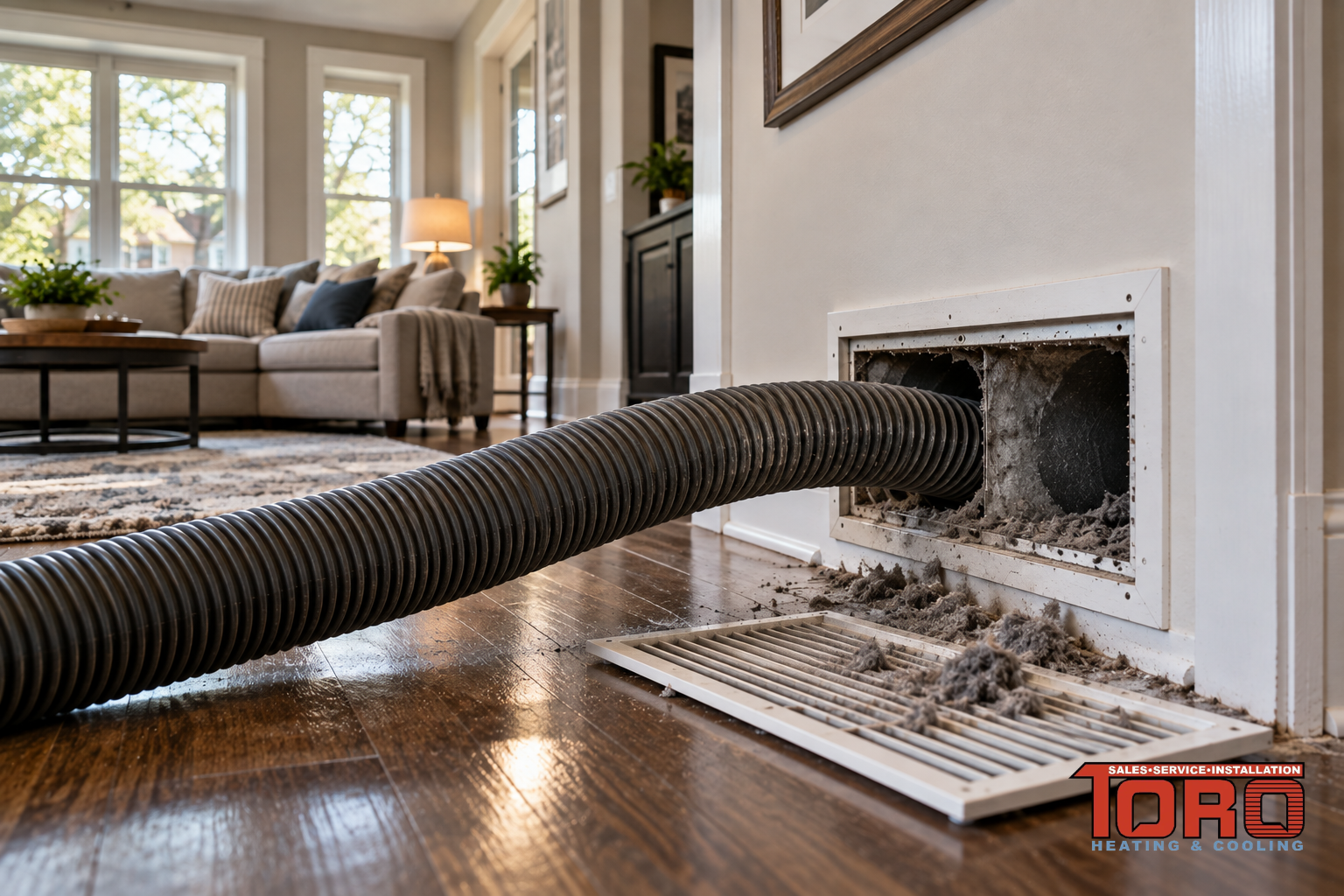
Changing a filter can improve performance more than expected. Replace filters regularly, inspect vents, and keep furniture away from registers. For a structured approach, filter replacement and maintenance are a good start, and air duct cleaning helps when dust limits airflow.
Annual tune-ups prevent hidden energy waste
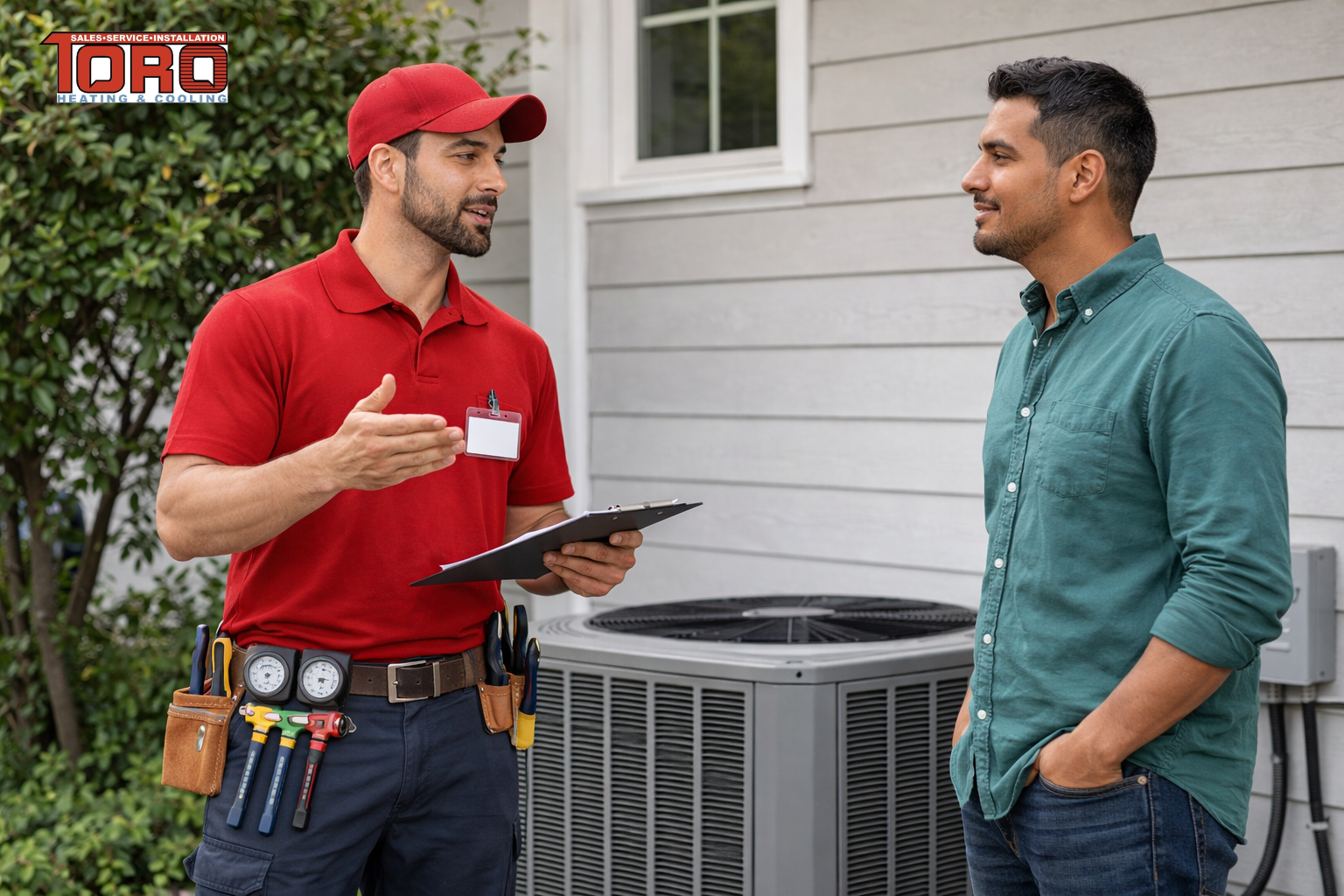
Annual professional maintenance is valuable because technicians can spot issues unnoticed by homeowners, like weak capacitors or refrigerant imbalances. These problems often drive up energy use without immediate system failure, making preventive service a great investment.
For heating systems, pre-winter inspections are crucial as ignition and burner issues affect efficiency and comfort. Check our pages for heating system maintenance and furnace repair to keep equipment efficient in cold weather. On the cooling side, A/C system maintenance and evaporator coil services help when performance drops.
Don’t Overlook Ducts, Vents, and Airflow
Leaky ducts waste a lot of conditioned air
Even a top-notch HVAC unit struggles if ducts leak air into attics or walls. Leaks and poor sealing reduce the air reaching rooms, forcing the system to run longer, increasing energy bills and wear.
In some buildings, duct losses make rooms feel too hot or cold. Sealing and repairing ducts improve delivery efficiency without major equipment changes. If airflow seems uneven, HVAC duct repair and HVAC duct installation can restore balance and boost efficiency.
Vent placement and balancing impact comfort and cost
Proper vent placement and airflow balancing are key to consistent comfort. Poorly located or blocked vents cause hot and cold spots, tempting frequent thermostat adjustments. These changes increase runtime and reduce efficiency.
Good airflow design lets the system reach target temperatures faster. If certain rooms are troublesome, HVAC vent installation and HVAC vent repair might improve performance. A balanced system is easier on the equipment and more comfortable for everyone.
Choose Better Heating and Cooling Technologies
Heat pumps are a top efficiency choice
Heat pumps are popular because they efficiently provide heating and cooling by moving heat instead of generating it. In moderate conditions, they're very cost-effective, and newer models work well in colder climates too. They're now a serious alternative to traditional systems.
With smart controls and proper sizing, heat pumps lower consumption and improve year-round comfort. This is ideal for property owners wanting to simplify equipment management while lowering utility costs. If your setup is outdated, heat pump repair or replacement might be the next step, depending on its age and condition.
Low-GWP refrigerants support both efficiency and sustainability
The industry is moving toward refrigerants with lower Global Warming Potential, like R-32 and R-454B. These support better performance in modern systems. While refrigerant choice alone doesn't guarantee low bills, it's part of the bigger efficiency picture.
For building owners interested in environmental compliance and operating costs, this matters. Lower-GWP technology supports long-term planning, especially in commercial settings where greener operations are valued. For context, see the U.S. Department of Energy's Energy Saver heating and cooling guidance.
Commercial Buildings Need a Different Energy Strategy
Controls, schedules, and benchmarking help save
Commercial HVAC systems offer more opportunities for waste due to larger spaces and varied occupancy. Businesses can save by using scheduling, demand-based ventilation, and energy management platforms that track performance in real-time. Monitoring helps spot overcooling and equipment running outside business hours.
This is why commercial property owners are investing in energy management systems. These tools reduce unnecessary runtime and support compliance with benchmarking expectations in cities measuring building performance. If your business is evaluating upgrades, commercial HVAC services, and energy management systems can lower expenses without sacrificing comfort.
Maintenance and documentation protect your budget
Commercial equipment benefits from the same fundamentals as residential systems, but the stakes are higher because downtime affects employees, customers, and revenue. Regular inspections, documented repairs, and proactive replacement planning help avoid surprise expenses. A neglected rooftop unit can waste thousands over a season.
For more on rooftop systems, read about what makes rooftop HVAC units effective for commercial buildings. A maintained RTU with balanced airflow and clean components generally delivers better efficiency.
Chicago’s Climate Makes Efficiency Even More Important
Hot summers and cold winters increase system demand
In Chicago, humid summers and bitter winters put pressure on both cooling and heating systems. This means your equipment must run well across a wide range of conditions, not just one season. Quick weather shifts mean inefficient systems become pricier since they have to work harder to keep indoor temperatures stable.
Local energy costs make this even more crucial. Waste adds up when the system runs frequently through long heating and cooling seasons. For seasonal guidance, check out our articles on winter HVAC efficiency and why energy bills rise in Chicago.
Local regulations reward better performance
Energy benchmarking and performance reporting can influence commercial operations in the city, making HVAC efficiency a business priority, not just a comfort issue. For owners and managers, reducing energy use can improve compliance, cut expenses, and support sustainability goals.
In the residential market, the same logic applies on a smaller scale. Better equipment, maintenance, and controls help households manage rising utility costs while staying comfortable all year. For those in the area, our Chicago service area page offers more on local HVAC support and expertise.
Practical Steps You Can Take This Month
Use this quick energy-saving checklist
If you want to cut your energy bills quickly, try these actions. Replace dirty filters, schedule a professional inspection, seal obvious duct leaks, and ensure your thermostat is programmed right. If your system is noisy or struggling, get it evaluated before the next extreme season.
- Replace HVAC filters regularly and check them more often during heavy use.
- Set your thermostat sensibly and avoid frequent manual changes.
- Clear vents and returns so airflow isn't blocked by furniture or debris.
- Schedule seasonal maintenance before heating and cooling peaks.
- Ask a technician to evaluate duct condition, system sizing, and control settings.
Know when repair is no longer the best option
Repairs are often right for newer systems, but repeated breakdowns, high bills, and uneven comfort suggest bigger issues. Sometimes, replacement is more economical as it stops inefficiency and recurring service calls, especially when the system is old and doesn't meet current standards.
If you're undecided, a professional assessment can clarify the numbers. Often, a newer high-efficiency model combined with planned HVAC maintenance costs less to operate than an aging unit. For heating concerns, heating system repair can help determine if a fix is enough.
Final Thoughts: Efficiency Is a Long-Term Investment
Small changes create meaningful savings
Cutting energy bills doesn't always mean a full system replacement. In many homes and businesses, the biggest savings come from proper sizing, smart controls, regular maintenance, and airflow improvements. Each step may seem small, but together they can significantly drop monthly costs.
The best HVAC strategy keeps equipment running efficiently year after year. That means treating maintenance as a priority, using technology wisely, and replacing outdated equipment when repair costs no longer make sense. Choose service partners who understand how performance, comfort, and energy use connect in the real world.
Work with a team that gets efficiency
Ready to lower your energy bills and improve comfort? Toro Heating & Cooling can help you find the best path forward. Whether you need repair, maintenance, installation, or a smarter control strategy, a professional assessment can uncover where energy is being lost and how to fix it. Explore our residential HVAC services or A/C system repair options and take the first step toward better efficiency today.
Need help making your HVAC system more efficient? Contact Toro Heating & Cooling at (773) 202-9933 or visit us at 4238 N Cicero Ave, Chicago, IL 60641, USA to schedule service and start saving energy with confidence.