Why Your Energy Bill Goes Up in Chicago Even If You Don’t Change Your HVAC Usage
Have you noticed higher energy bills this winter or summer even though you haven’t changed how you use your thermostat? You're not alone. Many folks in Chicago are seeing their bills rise without using more heating or cooling. Let's get to the bottom of it. From rising utility rates and extreme weather to new regulations and system efficiency, we'll cover it all and share some practical tips. First, consider getting routine checks with a pro: HVAC system maintenance ensures your equipment runs smoothly.
We'll look into local news, like the rate changes by Peoples Gas and a big electricity price adjustment by ComEd, to explain why your bill might go up even if your HVAC usage stays the same. For more on natural gas rate proposals, check out this report: Chicago Sun-Times on Peoples Gas rate proposal.
1. Rising Utility Rates: Direct Cost Drivers
Natural Gas Rate Increases
Utility companies sometimes raise rates to cover upgrades and costs. In Chicago, Peoples Gas proposed a rate hike that could raise heating bills. When utilities increase charges, each unit of energy costs more, even if usage stays the same. That means higher bills without you changing your thermostat settings.
Rate hikes often come as commodity charges (for the gas or electricity itself) and delivery charges (to keep the system running). Understanding your bill's breakdown is the first step to figuring out why it increased.
Electricity Price Adjustments
Electric utilities can change their price structures too. Recent power price adjustments by major utilities can significantly impact your electricity costs. A 45% increase in power prices means that even the same HVAC usage can lead to bigger bills. For more details, check out this report: ComEd electricity price reporting.
It's a good habit to check your monthly statements. Even small rate increases can add up over time. Compare your bills year-over-year and ask your utility for explanations of any rate changes.
How Rate Structure Changes Affect Different Customers
Not everyone feels utility price changes the same way. Fixed charges affect everyone, but variable rate increases hit heavier users more. If your plan charges more during peak hours, running your HVAC then will cost more.
Understanding your rate plan—whether it's standard, time-of-use, or demand-based—can help you adjust your usage or find a better plan.
2. Extreme Weather Events and Climate Variability
Polar Vortexes and Sudden Temperature Swings
Chicago's weather is unpredictable. When a polar vortex hits, temperatures can drop fast, increasing heating demand and stressing HVAC systems. Even if you keep your thermostat the same, your system runs more because it needs more energy to keep your home warm.
Cold snaps can also make systems less efficient. Furnaces and heat pumps have to work against the cold outside, and older systems might struggle more. This boosts energy use and can cause more wear and tear.
Humidity, Lake-Effect Weather, and Seasonal Variability
In the summer, Chicago's lake-effect weather and humidity can make your air conditioner work harder. High humidity increases the energy needed to remove moisture, so even if you keep your thermostat the same, your A/C might run longer.
Seasonal changes mean averages aren't as helpful as month-to-month comparisons. A colder winter or a humid summer can really impact your bill.
Extreme Weather’s Hidden Costs: System Stress and Inefficiencies
Beyond just running more, extreme weather can reveal system issues: frozen lines, ice on coils, or clogged filters. These problems make systems less efficient and increase energy use. Regular checks and quick repairs before and after extreme weather help reduce waste and prevent breakdowns.
3. Infrastructure, Regulation, and Long-Term System Changes
Chicago Energy Transformation Code and Efficiency Standards
Local policy changes impact both short-term and long-term energy use. Chicago's 2022 Energy Transformation Code sets new efficiency standards for HVAC. While it saves money and emissions in the long run, the short-term can mean higher costs for compliance and system updates.
For more on these local codes, see this report: Overview of Chicago’s Energy Transformation Code. Contractors and building owners need to plan for these changes, which can affect project costs.
Grid and Pipeline Investments
Utilities invest in pipelines and grid upgrades to improve reliability. These projects often show up as rate increases or surcharges. While they bring benefits like fewer outages, they can raise customer bills in the short term.
Understanding why and when these investments happen helps customers prepare for changes. Utilities usually publish materials explaining these investments, which can help with budgeting.
Regulatory Timing and the Perception of Higher Bills
Timing matters. If rate changes coincide with extreme weather, it can feel like your HVAC usage is to blame for higher bills. In reality, it's often a mix of external factors. To figure it out, look at both your use and the price per unit on your bill.
4. Technology Adoption, Smart Devices, and Consumer Behavior
Smart Thermostats: Efficiency and the Learning Curve
Smart thermostats aim to save energy by optimizing settings. They usually cut consumption over time, but you might see mixed results at first. Users may change settings more often, or the device might need to learn your schedule.
If you've just installed a smart thermostat, check its schedule and settings. Professional thermostat services ensure it aligns with your goals, whether that's comfort, saving energy, or both.
Energy-Efficient Appliances and the Rebound Effect
Energy-efficient appliances should lower energy use, but sometimes people use them more because they cost less to run. This is called the rebound effect. For HVAC systems, it might mean setting the thermostat lower because rooms heat or cool faster, which increases energy use.
Awareness and behavior change can help households capture savings from new technologies.
Integration Challenges and Interoperability
New HVAC technologies need proper setup to work well. If components don't match or control logic is poor, systems might not run efficiently, raising bills. Working with experienced contractors can prevent these issues and ensure systems perform as expected.
5. Maintenance and System Efficiency: The Most Common Culprit
The Impact of Neglected Maintenance
Routine maintenance is the easiest way to avoid unexpected energy increases. Dirty filters, clogged coils, and misaligned ductwork make equipment run longer. Over time, small drops in efficiency can mean big cost increases. Start with regular filter changes and a professional tune-up before peak seasons.
If it's been a while since your last inspection, schedule an appointment with a trusted provider for comprehensive checks: HVAC repair and maintenance can catch small problems before they drive up energy use.
Airflow, Duct Losses, and Indoor Comfort
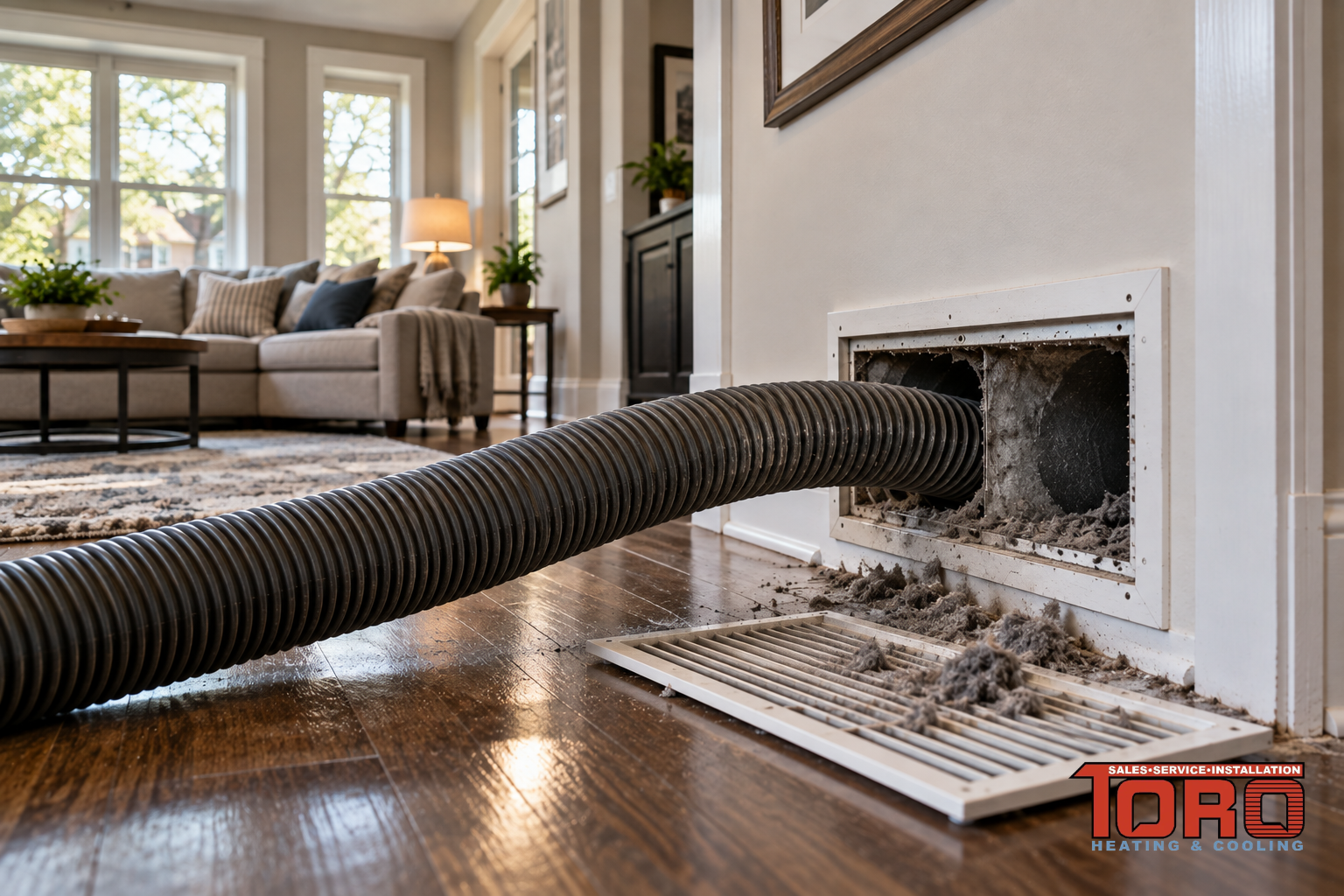
Leaky ducts waste energy by letting conditioned air escape. Proper duct cleaning and sealing improve system performance and comfort. If you suspect duct issues, consider professional air duct cleaning; sealing and repair can also help.
When ducts are fixed, you often notice better comfort with less runtime, lowering energy usage and bills.
Signs Your System Is Underperforming
Look for uneven temperatures, increasing runtime without comfort improvement, or strange noises. These signs might point to refrigerant loss, failing motors, or blocked coils, all of which increase energy use. Addressing them quickly cuts both energy use and the risk of expensive repairs.
6. Case Studies and Real-World Examples
University-Scale HVAC Upgrades
Large institutions show how strategic HVAC investments can cut long-term costs and emissions, even if short-term expenses rise. For instance, a local university invested a lot in HVAC upgrades for better efficiency. These projects highlight how big upgrades can pay off in cost reductions and better service life: UIC HVAC upgrade case.
While homeowners aren't likely to do big projects, the same principles apply: planned upgrades can save money over time.
Residential Example: Understanding Your Bill Changes
Take a mid-sized Chicago home with an electric heat pump. If electricity rates rise 10% and it's 5% colder than last year, your HVAC costs could go up around 15% even if you use the same amount of energy. Breaking down the bill into usage vs. price per unit can show what's changed.
Tracking runtime with a smart thermostat or an HVAC contractor's help can show where to make changes, whether it's in behavior, maintenance, or investment.
Commercial Considerations and Regulatory Compliance
Businesses have additional challenges: demand charges, peak-hour penalties, and city energy codes can all raise costs. But they also offer opportunities: using an energy management system can optimize runtime, shift loads away from peak times, and save enough to cover code-related investments.
7. Practical, Actionable Steps to Reduce Bills
Short-Term Actions You Can Take Today
Start with low-cost, high-impact actions: replace filters monthly during heavy use, adjust thermostat setpoints, and make sure vents are clear. Sealing windows and adding weatherstripping cuts HVAC load. For more help, schedule a filter change or inspection with filter replacement & maintenance services.
These measures are especially helpful during rate spikes or extreme weather—they cut down on consumption spikes and less painful higher costs.
Medium-Term Investments That Pay Off
Think about investing in a higher-efficiency HVAC unit, duct sealing, or a well-installed heat pump. Modern heat pumps offer heating and cooling with better efficiency than older systems and can reduce energy use. Proper installation is key—bad installation ruins savings. For projects, consult professional heat pump installation or HVAC installation services to ensure correct sizing and setup.
Insulation upgrades and better windows also cut heating and cooling demands, speeding up payback.
Working with Professionals and Accessing Incentives
Contractors know about local rebates, federal incentives, and utility programs that cut upfront costs. A qualified technician can audit your energy use to find the best improvements. In many cases, incentives and rebates make upgrades affordable and speed up payback.
Start by scheduling an energy audit and ask about financing and local incentive programs for efficiency upgrades and equipment replacement.
8. FAQs, Troubleshooting, and When to Call a Pro
Why did my bill increase if my thermostat settings didn’t change?
Possible reasons include higher rates, colder or more humid weather, reduced system efficiency from missed maintenance, or new fees on your bill. First, compare energy usage month to month. If usage is similar but the bill is higher, rate changes are likely the cause. If usage increased, check system runtime and equipment condition.
What maintenance should I prioritize to lower bills?
Focus on filter replacement, coil cleaning, refrigerant checks, and airflow inspections. Proper maintenance keeps equipment running efficiently. If you notice performance issues, book professional services like heating system maintenance or A/C system maintenance to fix problems before they lead to higher bills or breakdowns.
When should I replace my HVAC system instead of repairing it?
Consider replacement if your system is old (10–15 years), needs frequent repairs, or if repair costs approach 50% of replacement. New, properly sized equipment often runs much more efficiently, cutting annual energy bills and improving comfort. For replacement options, consult HVAC installation for quotes that include energy estimates.
How can businesses manage demand charges and peak-hour pricing?
Businesses should evaluate an energy strategy that shifts non-essential loads outside peak times, uses building automation, and efficient HVAC sequencing. Installing an energy management system helps control demand and provides analytics for smarter decisions. Also, schedule equipment and processes to avoid peak periods.
Conclusion: Understand the Causes — Then Act
Seeing higher energy bills without changing your HVAC usage is frustrating, but it's usually due to outside factors: rising rates, extreme weather, regulatory changes, new technologies, and maintenance issues. The good news is, you can manage most of these with a mix of quick actions, smart investments, and professional support.
Start by looking at your bills to separate usage from price hikes. Do simple maintenance tasks and schedule an inspection to spot efficiency losses. Consider investments that fit your budget and goals, and ask about incentives that cut upfront costs.
For expert help with sudden bill jumps or planning energy-saving upgrades, Toro Heating & Cooling is here. We offer everything from routine HVAC system maintenance to full HVAC installation and upgrades. For tune-ups, repairs, or consultations, contact us at (773) 202-9933 or info@torohvac.com, or schedule online. For urgent needs, our technicians also provide HVAC repair and targeted fixes like air duct cleaning to cut energy waste right away.
Understanding why your bill went up is the first step to taking control. With a few smart changes and professional help, you can reduce the impact of rising rates and extreme weather—and keep your home comfortable without surprise bills.
Helpful external resources: For more on the Peoples Gas rate proposal, see the Chicago Sun-Times report mentioned earlier. For regulatory and weather context, check out official sources like the National Oceanic and Atmospheric Administration. For deeper industry insight, review credible industry reports and utility announcements.