When your air conditioner decides to freeze, it’s not just trying to ruin your day. It’s usually hinting that something’s off with airflow, refrigerant, or system settings. Catching this early keeps your compressor safe and avoids those hefty repair bills. Plus, you’ll get your cool air back faster with some A/C system repairs or regular A/C maintenance.
You might notice ice on the refrigerant line, frost on the evaporator coil, or weak airflow. These are signs that efficiency is dropping and wear is increasing. Often, the fix is simple, but if you let the system run while frozen, you risk more damage. For a more comprehensive check, our HVAC system maintenance service can help spot issues early.
In this guide, you’ll learn why your AC might freeze, what that means, how to troubleshoot safely, and when to call in the pros. Regular maintenance, clean filters, and smart thermostat use are key. The U.S. Department of Energy says balanced airflow and correct operation are crucial for efficient cooling.
What AC Freezing Up Actually Means
The basic science behind the freeze-up
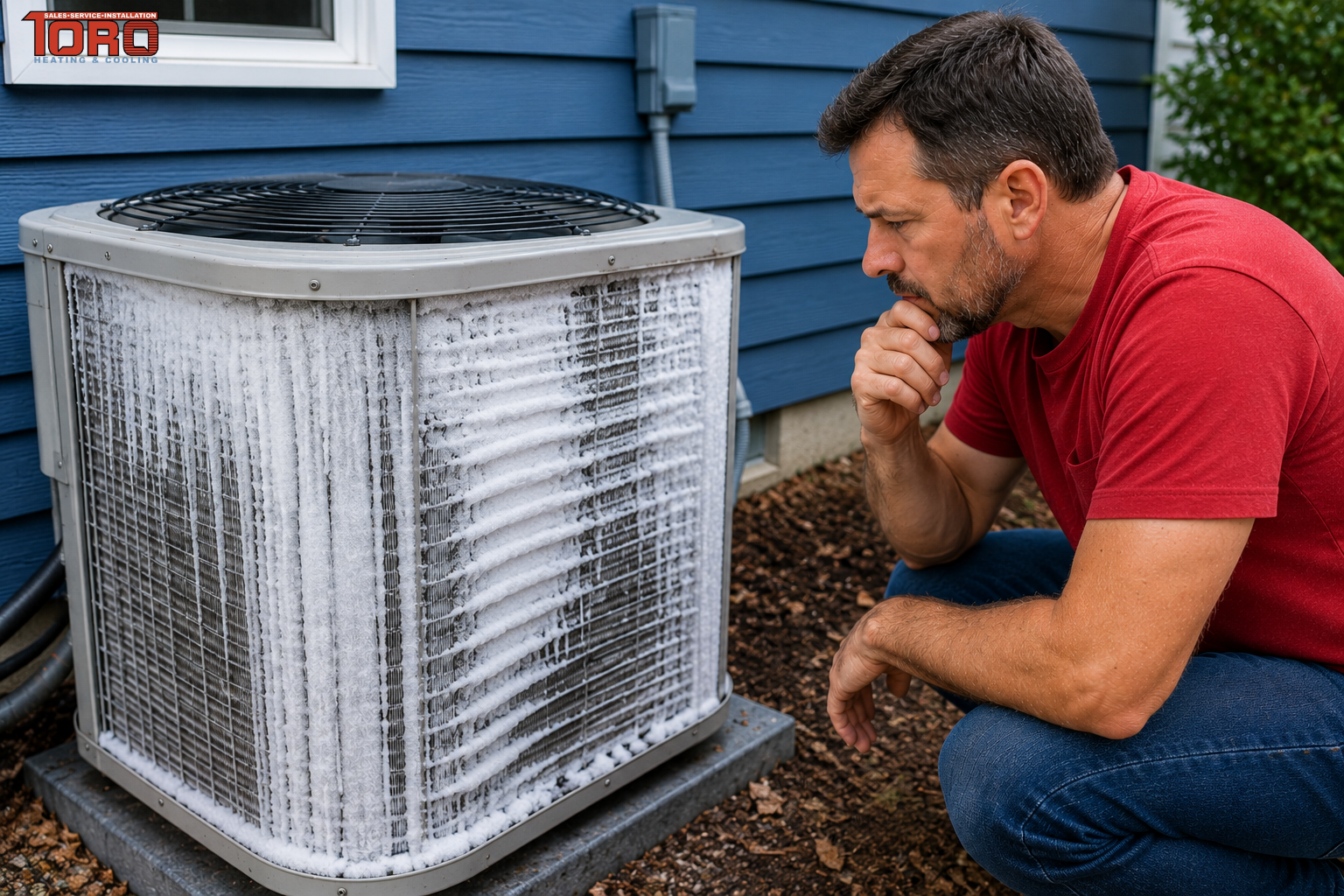
Your AC cools your home by moving warm air across a cold evaporator coil. The refrigerant inside absorbs heat, and the blower sends cooled air through the ducts. If airflow dips too low, or if refrigerant pressure is off, the coil can freeze, turning moisture in the air into ice. This ice block more airflow, worsening the problem.
Don’t dismiss a freeze-up as a minor issue. Ice is a symptom, not the cause. If the equipment keeps running like this, it can strain the compressor, reduce cooling, and make your home feel damp and uncomfortable. Left unchecked, the system could shut down entirely or suffer costly damage.
Why is the issue more common during the peak cooling season
Frozen ACs are especially annoying during the hottest months when they’re already working hard. A dirty filter, blocked vent, or low refrigerant can push a stressed unit over the edge. In humid areas, like Chicago, moisture makes poor airflow even more noticeable.
That’s why smart controls and seasonal tune-ups are popular. If the thermostat is set too low for too long, the system may run continuously without a chance to recover. Modern thermostats and monitoring tools can reduce these risks when paired with professional thermostat services and a maintenance schedule.
The Most Common Causes of a Frozen AC
Dirty air filters and restricted airflow
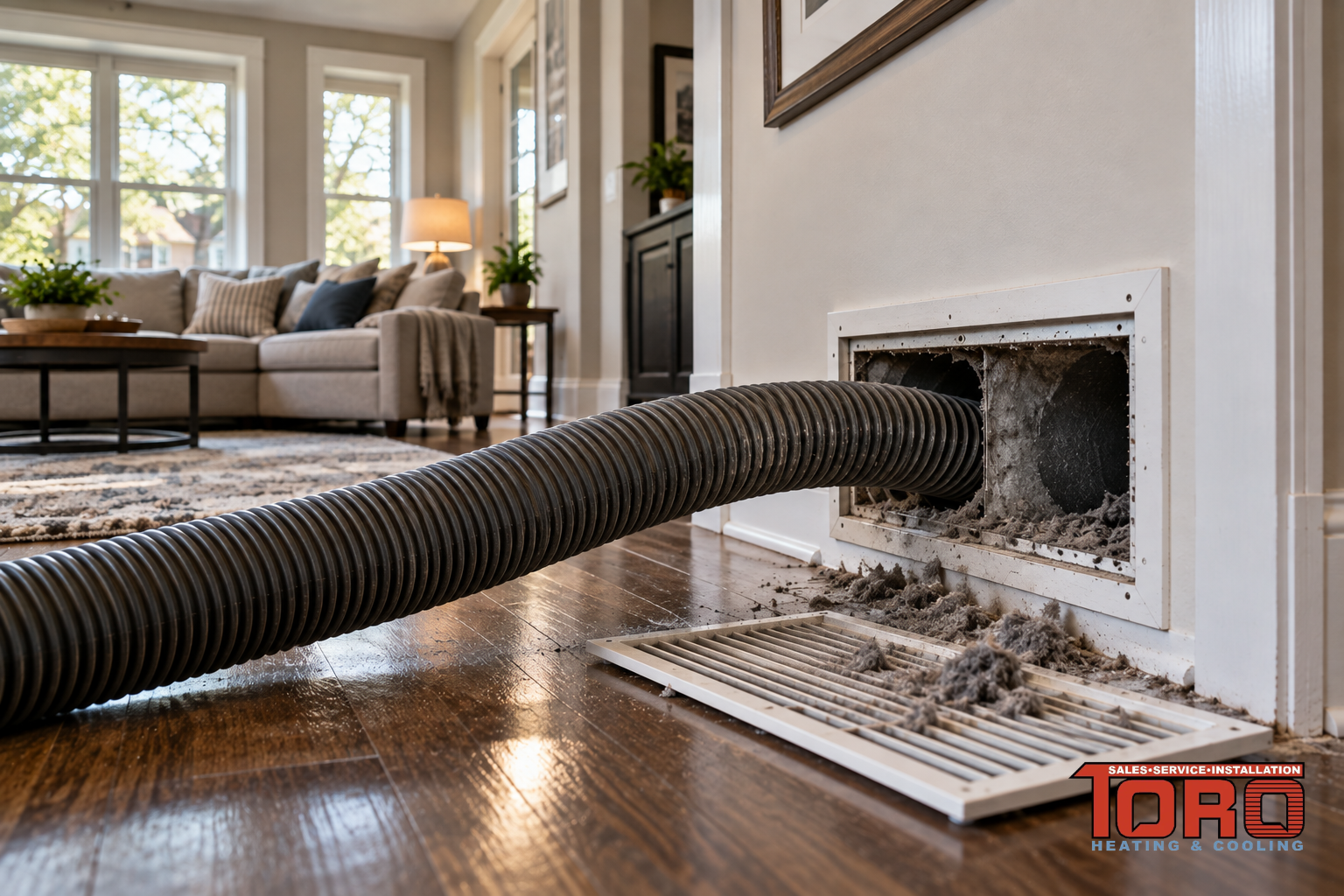
The main culprit for AC freezing is usually a dirty air filter, blamed for about 70% of freezing issues. It’s the first line of defense for airflow. When dust, pet hair, and debris clog the filter, the blower can’t move enough air across the coil, causing temperatures to drop. Regular filter changes are simple yet vital, and our filter replacement and maintenance service makes it easy.
Blocked or closed vents can also cause trouble. If too many rooms are shut off or furniture blocks return pathways, the AC might not get the airflow it needs. This restriction can make the coil colder and contribute to ice buildup. Always check airflow before assuming it’s a refrigerant issue.
Low refrigerant levels and leaks
Low refrigerant is another big cause of freezing, accounting for about 15% of cases. When levels drop, pressure in the evaporator falls, and the coil can get too cold. This causes condensation to freeze, especially if it’s hot outside or the humidity is high. A refrigerant leak shouldn’t be ignored. The charge will keep dropping until the leak is fixed and the system recharged.
The U.S. Environmental Protection Agency advises that refrigerant issues should be handled by professionals, not DIY methods. If you suspect low refrigerant, professional diagnosis is the safest route.
Dirty evaporator coils, blower issues, and duct problems
Even with a clean filter, grime on the evaporator coil can restrict heat transfer and cause icing. A dirty coil doesn’t absorb heat well, so the system stays colder longer. Blower motor problems can reduce air movement, leading to the same result. That’s why technicians often check the air handler and duct system together.
Duct issues matter too. Leaky, undersized, or poorly balanced ducts can starve the system of return air, creating pressure imbalances that increase freezing risk. If airflow is weak in multiple rooms, a duct inspection or HVAC duct repair might be necessary to restore circulation and keep temperatures steady.
How to Diagnose a Frozen AC Safely
Step one: turn the system off
When you see ice, shut the system off. Running it can make things worse and risk compressor damage. Turn the thermostat off, switch the fan on to help thaw the coil, and let the unit recover before inspecting further. Don’t chip at the ice with sharp objects, as this can damage the coil or tubing.
Once it’s off, check the air filter. If it’s dirty, replace it before restarting. Also, ensure supply registers and return grilles are open and unobstructed. Often, this simple check can reveal whether the issue is airflow-related or deeper.
Step two: look for symptoms, not just ice
Use the freeze-up as a clue and watch for other signs: warm air from vents, unusual hissing, short cycling, rattling sounds, or water pooling near the indoor unit as the ice melts. These clues help narrow down the cause. For example, warm airflow plus visible frost can indicate low refrigerant, while weak airflow and a dirty filter often suggest a blockage. If freezing persists after thawing, the issue likely isn’t resolved.
In that case, a professional inspection is smart. A technician can measure superheat and subcooling, test airflow, inspect the blower, and identify whether the problem is mechanical, electrical, or refrigerant-related. If it’s more than a basic airflow issue, targeted air duct cleaning or evaporator service might be needed.
Step three: know when the problem is urgent
Not all freeze-ups are emergencies, but some are more serious. If your system freezes repeatedly, makes loud noises, or stops cooling after thawing, it’s time for an urgent service call. The longer you wait, the more likely a minor issue becomes a major problem. If unsure, contact a professional and avoid restarting the system repeatedly.
If you need quick help with cooling problems, central air repair and HVAC repair can be the next step when a simple filter change doesn’t solve the issue. Quick action often keeps repairs smaller and temperatures manageable.
Why Thermostat Settings and Humidity Matter
Thermostat settings that can overwork the system
Setting your thermostat too low can make the system run continuously, especially on very hot days. When it runs too long without balancing airflow and heat load properly, the coil can freeze. Smart thermostat usage keeps temperature swings reasonable and reduces stress. For practical tips on temperature control, check out our thermostat tips for energy savings.
This doesn’t mean you need to keep the house warm to avoid freezing. It means setting a realistic target temperature for your equipment, weather, and home layout. An oversized unit or poorly calibrated thermostat can increase freezing risk, which is why professional thermostat installation and calibration can improve performance.
Humidity control and humidistat benefits
High humidity adds extra load to the evaporator coil because the system must remove moisture while cooling. In very humid conditions, especially during peak summer, moisture management is as important as temperature control. A humidistat can help by monitoring and managing indoor humidity levels, reducing the chance of ice on the coil.
For homes with damp rooms or sticky indoor air, pairing cooling equipment with air cleaners and humidifiers can maintain a healthier indoor environment. The EPA suggests keeping indoor humidity in a comfortable range to support comfort and building health, especially when moisture affects performance.
What the Statistics Suggest About Prevention
What the numbers tell us
While exact national stats on AC freeze-ups are limited, industry observations show patterns. Dirty air filters are behind about 70% of freezing problems, low refrigerant about 15%, and blocked vents around 10%. These figures highlight where common trouble starts. The takeaway: preventative maintenance solves many freeze-up cases before they become major repairs.
That’s why annual inspections are highly recommended by HVAC pros. A technician can check for slow refrigerant loss, verify airflow, clean components, and catch wear that could lead to a midsummer breakdown. For a structured approach, planned HVAC system maintenance is a great investment for comfort and reliability.
Why maintenance is key as systems get smarter
Modern HVAC systems are more efficient than older models, but they can still freeze with poor operating conditions. Smart thermostats, better sensors, and improved controls reduce risk by giving you more insight into your system. Even so, technology doesn’t replace basic upkeep. A smart system with a clogged filter can still ice up if airflow isn’t maintained.
That’s why contractors recommend maintenance packages that include filter checks, coil inspections, and thermostat reviews. Preventive service extends equipment life, reduces surprise repairs, and helps use advanced technology as intended. If your system is aging or has a history of freezing, an evaluation might reveal whether central air installation or another upgrade offers better long-term value.
Real-World Example: A Frequent Freeze-Up Solved
A simple cause that kept coming back
In a real-world example, a Portland homeowner faced repeated AC freeze-ups during the summer. Each time, they assumed the unit was failing. After an inspection, the technician found the air filter clogged with dust and pet dander, restricting airflow enough to cause freezing. Once the filter was replaced and maintenance was scheduled, the problem stopped.
Such cases are common because the root cause is often less dramatic than expected. Many believe freeze-ups always mean a major mechanical failure, but often it’s a blocked filter, clogged coil, or closed vent. The lesson: start with the basics, then move to a deeper diagnosis if the problem returns.
What Chicago homeowners should keep in mind?
In Chicago’s hot, humid summers, AC systems work harder and are more prone to airflow and moisture issues. Regular upkeep is vital. Keep filters clean, ensure return paths are open, and avoid setting the thermostat to extreme lows for long periods. If indoor humidity is high, a humidistat or broader air quality strategy can reduce stress on your cooling system.
For dependable seasonal care, our residential HVAC services support ongoing comfort throughout summer. In mixed-use buildings, offices, and small commercial spaces, similar principles apply, and preventive scheduling can reduce disruptions and keep occupants comfortable.
Prevention Tips That Actually Work
Build a simple maintenance routine.
The best prevention strategy is simple. Replace filters every 60 to 90 days, keep registers open, schedule annual service, and listen for unusual noises or weak airflow. If you have pets, allergies, or heavy dust, replace filters more often. Keeping a routine makes it less likely that the system will freeze unexpectedly.
Also, inspect the outdoor unit and ensure it’s clear of leaves, grass, or debris. Even though the ice forms on the indoor coil, the system needs healthy airflow and heat transfer. For help staying ahead of problems, A/C system maintenance is a convenient way to keep your unit clean, tuned, and ready for hot weather.
Don’t ignore early warning signs.
Many freeze-ups start with subtle symptoms. Cooling may take longer, the fan may sound strained, or some rooms may feel warmer. These signs can point to airflow restrictions, duct imbalances, or refrigerant issues that are still small enough to fix. If ignored, they may lead to full ice buildup and costly repairs.
Professional help is valuable if your unit freezes more than once in a season. Repeated icing usually means the underlying issue wasn’t fixed, or there’s more than one problem. In that case, a technician can inspect the evaporator coil, check refrigerant levels, test electrical components, and determine whether repair or replacement is better.
FAQ: Common Questions About Frozen AC Units
Should I keep the fan running while it thaws?
Yes, running the fan can help speed up thawing by moving room air across the iced coil. But keep the cooling mode off until all the ice has melted and the root cause is fixed. Restarting the compressor too soon can cause more stress. If unsure, ask a technician before switching back on.
Can a dirty filter really cause that much trouble?
Absolutely. A dirty filter is one of the top reasons an AC freezes because it blocks the air the evaporator coil needs to stay above freezing. It’s also one of the easiest problems to fix. Regular filter replacement is a small habit that can save you from bigger repair costs and discomfort.
Will low refrigerant always mean there’s a leak?
In most cases, yes. Refrigerant isn’t used up during normal operation, so low levels usually mean it has leaked. Simply adding more without finding the leak is a temporary fix. A professional should inspect and repair the source before recharging the system.
When to Call a Professional
What a technician can do that a homeowner cannot.
Homeowners can handle filter changes, vent checks, and basic thawing, but deeper issues need specialized tools and training. A technician can measure refrigerant pressure, test airflow, inspect the blower, and verify thermostat accuracy. They can also check the coil, ductwork, and electrical controls to quickly find the real cause.
If your AC keeps freezing after changing the filter and thawing, it’s no longer a simple maintenance issue. That’s when to request professional A/C system repair or a full evaluation from a trusted HVAC contractor. Prompt service often makes the difference between a manageable repair and major damage.
Why professional maintenance saves money
Preventative care might seem optional when the system’s running, but it often pays for itself by reducing emergency calls and extending equipment life. Clean coils, correct refrigerant levels, healthy airflow, and calibrated controls support better efficiency. That efficiency matters because a frozen unit risks failure and wastes energy while providing less comfort.
For more on efficient cooling and system care, the ENERGY STAR air conditioning guidance is a helpful resource. If you want a local team to help prevent future problems and keep your system running smoothly, Toro Heating & Cooling can assist with repair, maintenance, and troubleshooting.
Conclusion: Fix the Freeze Before It Becomes a Bigger Problem
A frozen AC usually means something’s wrong, not just an inconvenience. Often, it’s dirty filters, restricted airflow, low refrigerant, or thermostat settings pushing the system too hard. The good news? Most issues can be prevented with regular maintenance, better humidity control, and quick action when symptoms appear.
If your system is freezing up, start by turning it off, letting it thaw, and checking the filter and vents. If the problem returns, don’t keep resetting the system and hope it clears itself. The smarter move is to schedule an inspection and find the root issue before damaging the compressor or coil. For reliable help, explore our HVAC repair, central air repair, and maintenance services today, or contact Toro Heating & Cooling to keep your cooling system reliable when you need it most.