Why Many Buildings Use Multiple HVAC Units Instead of a Single System
With more complex building designs and a growing demand for comfort and efficiency, engineers and contractors are turning to multiple HVAC units rather than relying on a single, centralized system. In this guide, we'll explore why that's happening, the technologies that make it possible, design tips, cost and energy considerations, and how building owners and HVAC contractors can effectively implement multi-unit solutions. If you're considering options for a retrofit, new construction, or an upgrade, especially in Chicago, this post will offer practical guidance and real-world examples to help you make informed decisions. For projects that require professional planning and installation, reach out to our HVAC installation team early in the design phase to ensure that equipment selection and zoning strategies align with your building goals.
Before we get started, remember that well-maintained HVAC systems can lead to significant energy savings. According to the U.S. Department of Energy, proper maintenance and system optimization can greatly reduce energy consumption, highlighting the importance of choosing the right system architecture and upkeep over time. For more information on maintenance practices and potential savings, check out the Department of Energy’s overview on maintaining HVAC systems at Energy.gov.
1. Why Buildings Opt for Multiple HVAC Units
1.1 Flexibility for Different Spaces
Modern buildings contain various zones like open offices, private suites, conference rooms, and server closets each with unique occupancy patterns, equipment loads, and thermal needs. Multiple HVAC units provide the ability to control these spaces independently, allowing, for instance, a south-facing façade to cool separately from an interior storage room. This zoning reduces unnecessary conditioning of unoccupied or low-load areas and gives occupants better control over their local comfort.
Having independent units also makes renovations and fit-outs simpler. When tenant layouts change or a space gets repurposed, a modular HVAC setup allows for targeted adjustments instead of a large-scale overhaul of a central plant. This means less downtime and disruption for the entire building during localized work.
1.2 Better Energy Efficiency
Multiple units can operate more efficiently because they only run where needed and at capacities that match local loads. Technologies with variable capacity paired with distributed units allow systems to modulate output rather than cycling large central equipment on and off. This approach can lower part-load penalties that a single central system often incurs, improving efficiency throughout different operating conditions.
Energy efficiency further improves when multi-unit designs include modern controls and automation. Zoning strategies, occupancy sensing, and demand-response integration let the building dynamically reduce loads during low-use periods or peak pricing events, turning potential waste into measurable savings.
1.3 System Redundancy and Reliability
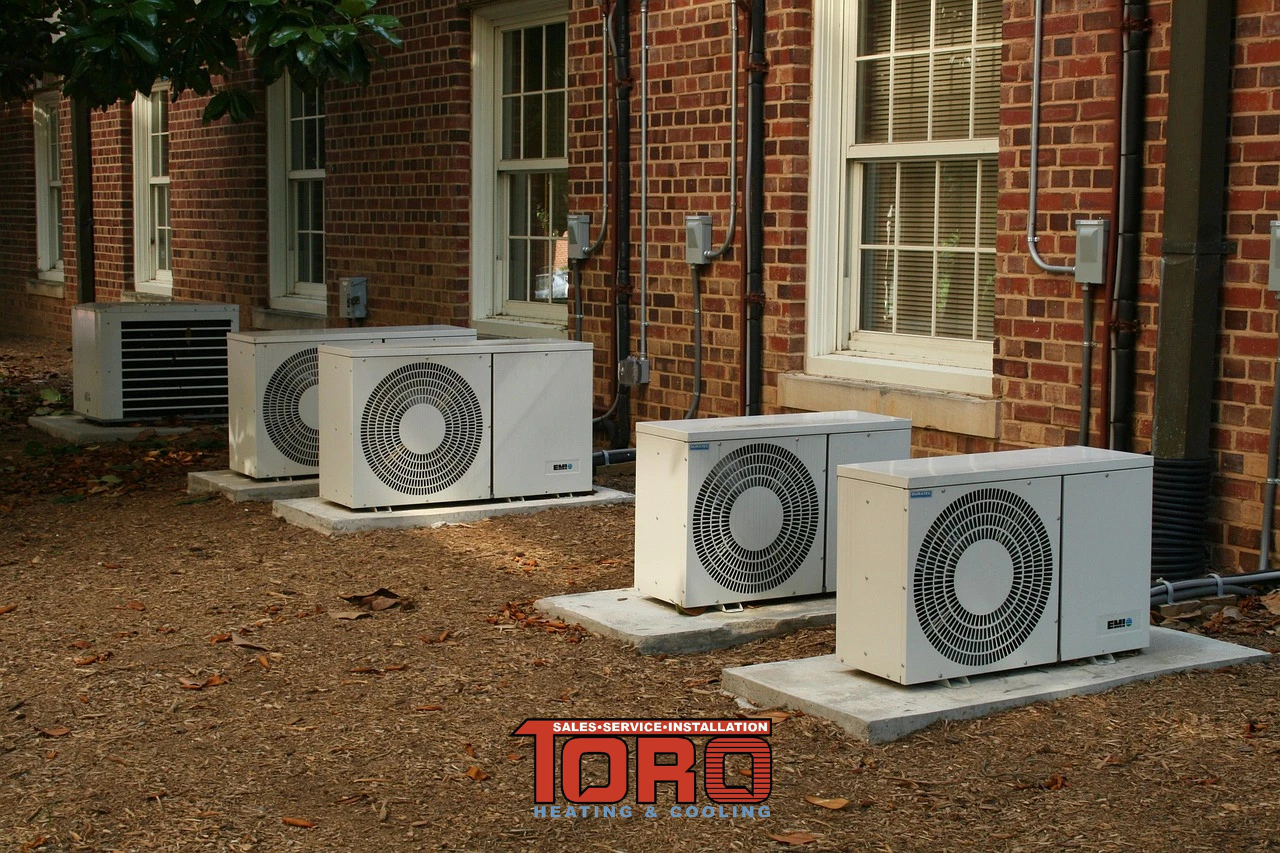
With multiple units, the failure of one component is less likely to affect the entire building. Redundancy is especially important for commercial facilities that require continuous comfort or precise environmental conditions, like data centers, healthcare spaces, or laboratories. If one rooftop unit or interior split system fails, other units can partly or fully compensate, allowing time for repairs without significant downtime.
Redundancy also makes staged maintenance possible; equipment can be serviced without shutting down the whole building. This resilience contributes to occupant satisfaction and reduces the risk of costlier, more disruptive emergency repairs.
2. Technologies Behind the Multi-Unit Shift
2.1 Variable Refrigerant Flow (VRF) Systems
Variable Refrigerant Flow (VRF) systems are a key technology enabling multi-zone control with high efficiency. VRF uses refrigerant as the heat transfer medium and can adjust refrigerant flow to multiple indoor units based on demand, allowing for simultaneous heating and cooling in different zones with minimal energy waste. For more on VRF systems, check the Wikipedia entry: Variable Refrigerant Flow (VRF).
VRF systems are particularly suitable for multi-tenant or mixed-use buildings because they combine centralized outdoor condensing units with distributed indoor units. This offers the reliability of centralized equipment with the detailed control of distributed systems. They easily integrate with smart controls and Building Management Systems (BMS), making them a versatile choice for modern projects.
2.2 Building Management Systems (BMS) and Smart Controls
Advanced Building Management Systems (BMS) coordinate multiple HVAC units to optimize performance, detect faults, and report energy use. BMS platforms gather real-time data (temperatures, setpoints, runtime hours, and energy consumption) and use analytics to trigger changes that reduce waste. When combined with sensors such as occupancy, CO2, and humidity, a BMS can dynamically adjust ventilation and conditioning to maintain comfort while minimizing energy use.
BMS also allows for predictive maintenance by flagging unusual patterns (e.g., increased runtime or reduced capacity) before failures occur. This proactive approach reduces emergency repairs and extends equipment life.
2.3 Zoning, Ductless Options, and Heat Pumps
Ductless mini-split systems and heat pumps are increasingly used in distributed setups to offer precise control while avoiding complex ductwork. These systems cut down on thermal losses associated with duct distribution and are relatively easy to install in retrofit scenarios. Zoning strategies using dampers, VAV boxes, or multiple ducted units further refine control in larger spaces.
Smart thermostats and localized controllers make it easier for occupants to manage comfort while providing facility managers with centralized oversight. Services like thermostat services and thermostat installation ensure controls are set up and programmed correctly for multi-unit systems.
3. Energy, Cost, and Lifecycle Considerations
3.1 Initial Costs vs. Long-Term Savings
Upfront costs for multiple units can be higher than a single centralized system due to additional equipment, controls, and installation complexity. However, long-term operational savings, improved occupant satisfaction, and lower peak demand charges often offset the initial investment. Right-sized units also minimize oversizing costs and part-load inefficiencies that can plague single-system approaches.
When evaluating options, conduct a lifecycle cost analysis that includes energy modeling, maintenance, and replacement intervals. This analysis often reveals that distributed systems pay back their costs through lower utility bills and reduced maintenance expenses over their lifecycle.
3.2 Maintenance Impacts and Savings
Proper maintenance is essential for maximizing the energy benefits of multiple HVAC units. The Department of Energy notes that well-maintained systems can significantly cut energy consumption, while poorly maintained systems waste energy through restricted airflow, dirty coils, and degraded components. To keep multi-unit setups performing well, implement scheduled preventive maintenance programs and diagnostic monitoring to catch issues early. Our HVAC system maintenance plans are designed to maintain efficiency across distributed equipment and minimize emergency repairs.
Distributed systems can simplify some maintenance tasks because units are smaller and more accessible, but the total maintenance scope increases with the number of units. Contractors should balance unit quantity with serviceability when specifying systems.
3.3 Real-World Savings: Active Chilled Beams Case Study
Real-world projects show tangible savings from modern multi-unit and distributed strategies. Take the Genomic Science Building at the University of North Carolina, which used active chilled beams as part of a hybrid HVAC approach, achieving meaningful reductions in HVAC costs. For more on chilled beam technology and its applications, see the chilled beam overview at Chilled Beam (Wikipedia). This example highlights how integrating distributed conditioning elements with centralized control can improve energy performance and occupant comfort.
Case studies like this emphasize the importance of matching control strategies and distribution methods to building functions. They also show how nontraditional systems paired with robust controls can outperform legacy central plants in both comfort and efficiency.
4. Design Strategies and Industry Tips
4.1 Zoning and Load Matching
Zoning is a foundational design principle for multi-unit HVAC. Break the building into zones based on thermal characteristics and occupancy patterns, and size equipment to match the loads of those zones. Load matching prevents oversizing and improves part-load efficiency, which is crucial for energy savings in variable occupancy buildings.
Designers should use detailed load calculations and energy modeling to determine optimal zone boundaries. These models also reveal where diversity factors allow smaller units to serve multiple areas, balancing cost and control complexity.
4.2 Smart Controls and Occupancy Sensors
Smart controls and sensors enable systems to respond to real-time conditions instead of relying on static schedules. Occupancy sensors, CO2 monitors, and demand-controlled ventilation reduce ventilation and conditioning when spaces are underused. Programmable and learning thermostats further refine comfort while capturing operational data that informs ongoing tuning.
To ensure effectiveness, professionals should configure controls during commissioning and update them as space usage changes. Our thermostat installation and calibration services help align controls with design intent and occupant behavior for maximum efficiency.
4.3 Planning for Redundancy and Staged Capacity
Plan redundancy carefully: ensure that a single unit's failure doesn't cripple critical areas. N+1 redundancy (one extra unit beyond required capacity) is common in essential facilities, while less critical spaces may accept lower redundancy to save costs.
Phased installations are another good strategy. In projects with phased construction or budget constraints, specify systems that can scale by adding more outdoor condensing units or indoor modules as future load demands grow. This approach preserves options and reduces early capital strain.
5. Steps for Building Owners and Contractors
5.1 Assessment and Load Calculations
Start with a thorough assessment: review existing plans, conduct site surveys, document occupancy patterns, and perform detailed heating and cooling load calculations. Accurate loads inform equipment selection, ductwork sizing, and control strategies. For retrofit projects, evaluate existing distribution infrastructure and identify opportunities to convert to ductless or mixed systems in high-value areas.
Documented assessments also support utility incentive applications, which can significantly improve project economics. Many energy efficiency programs require pre- and post-retrofit measurements or modeling to qualify for rebates.
5.2 Equipment Selection and Controls Specification
Select equipment based on modeled performance, not just nameplate efficiency. Consider part-load performance, compatibility with building controls, and maintainability. Specify controls that enable remote monitoring and integrate with a BMS or energy management system to provide centralized visibility into multiple units. Our energy management systems team can help design control architectures that align with operational and sustainability goals.
Also consider lifecycle costs: initial price, expected maintenance, replacement part availability, and manufacturer support. Choose vendors with proven track records and accessible service networks to reduce long-term risk.
5.3 Commissioning and Acceptance Testing
Commissioning is crucial for multi-unit systems because interactions between distributed components and central control logic determine overall performance. A structured commissioning plan should include functional tests, airflow balancing, setpoint validation, and control logic verification. Proper commissioning ensures the system meets performance targets and that staff understand operations and maintenance needs.
After handover, schedule a post-occupancy review and tuning session to adjust setpoints and control sequences based on real usage. Our commissioning work often ties directly into ongoing maintenance contracts to preserve performance over time.
6. Troubleshooting, Maintenance, and Optimization
6.1 Common Issues with Multiple Units
Multiple units introduce additional points of failure and complexity. Common issues include inconsistent setpoints across zones, communication failures between controllers and the BMS, refrigerant leaks in systems with many connections, and maintenance backlog because of increased unit count. Each issue requires both technical and operational responses to avoid recurring problems.
To address these risks, document equipment, maintain spare parts, and ensure clear maintenance responsibilities. For urgent repairs, a responsive service provider is essential — for example, our HVAC repair and A/C system repair teams are available to diagnose and restore unit operation quickly.
6.2 Preventive Maintenance Checklist
Preventive maintenance reduces energy waste and extends equipment life. A checklist for distributed units should include filter replacement, coil cleaning, refrigerant charge checks, motor and fan inspections, electrical connection tightening, and control firmware updates. Frequency varies by system and usage, but seasonal inspections are a baseline; high-demand systems may require monthly checks during peak seasons.
Routine tasks also include duct and vent inspections, airflow balancing, and verification of thermostat calibration. We offer targeted services such as A/C system maintenance and heating system maintenance to keep each unit performing optimally and to prevent small issues from becoming costly failures.
6.3 Monitoring, Analytics, and Continuous Improvement
Continuous monitoring via BMS or analytics platforms uncovers trends that manual inspections might miss: gradual efficiency declines, irregular cycling, or incremental airflow losses. Analytics can create prioritized work orders and direct maintenance resources where they deliver the most return. This data-driven approach is particularly valuable with multiple units where manual oversight may be impractical.
Standards and guidance from professional bodies help shape best practices around monitoring and maintenance. For industry standards, training resources, and technical publications, organizations such as ASHRAE provide authoritative guidance for professionals and facility managers at ASHRAE.
7. FAQs, Local Considerations, and Next Steps
7.1 Frequently Asked Questions
Q: Are multiple HVAC units always more energy-efficient? A: Not always. Efficiency depends on design quality, control strategies, and maintenance. When systems are properly sized, controlled, and maintained, multiple units typically deliver better energy performance in zoned or variable-load buildings.
Q: Do multiple units increase maintenance costs? A: They can increase the number of maintenance tasks, but properly planned preventive maintenance and remote monitoring can control costs. The energy savings and reduced downtime often offset additional routine service expenses.
Q: How do I choose between VRF, ductless, or a central plant? A: Conduct load calculations, evaluate architectural constraints, and model lifecycle costs. VRF and ductless systems excel in multi-zone, retrofit, and tenant-controlled environments, while central plants may be more economical for very large, uniform-load facilities.
7.2 Chicago-Specific Considerations
Chicago’s climate, with hot, humid summers and cold winters, favors flexible systems that can efficiently handle both heating and cooling loads. Distributed units and heat pump technologies provide tailored solutions that respond to the city’s seasonal swings. Local codes and energy incentives can influence equipment selection and control strategies, so consult local authorities and utility programs during planning.
For Chicago building owners, combining multiple HVAC units with a robust maintenance plan and energy management strategy can reduce operating costs and improve tenant comfort year-round. If you’re planning a project in the Chicago area, our team at Toro Heating & Cooling can review local code requirements and integrate systems that match both performance and regulatory needs.
7.3 Next Steps and Call to Action
If you’re considering a multi-unit HVAC approach for a retrofit, new build, or phased upgrade, start with a professional assessment. Schedule a site survey and load calculation to determine the most cost-effective architecture. Our new construction HVAC and retrofit teams offer design support, equipment selection, and commissioning to ensure systems meet performance goals.
For ongoing performance and reduced downtime, pair your installation with a preventive maintenance plan. Explore our planned maintenance options to protect your investment and keep distributed equipment operating efficiently. To get started, contact Toro Heating & Cooling at (773) 202-9933 or email us at info@torohvac.com. Our team will guide you through assessment, equipment selection, and implementation so your building achieves the comfort, efficiency, and reliability you expect.
Further reading and resources: Find technical references and standards at U.S. Department of Energy and professional guidance at ASHRAE. For technology overviews, see the VRF and chilled beam summaries on Wikipedia.