What Is a Rooftop HVAC Unit (RTU) and Why Is It Ideal for Commercial Buildings?
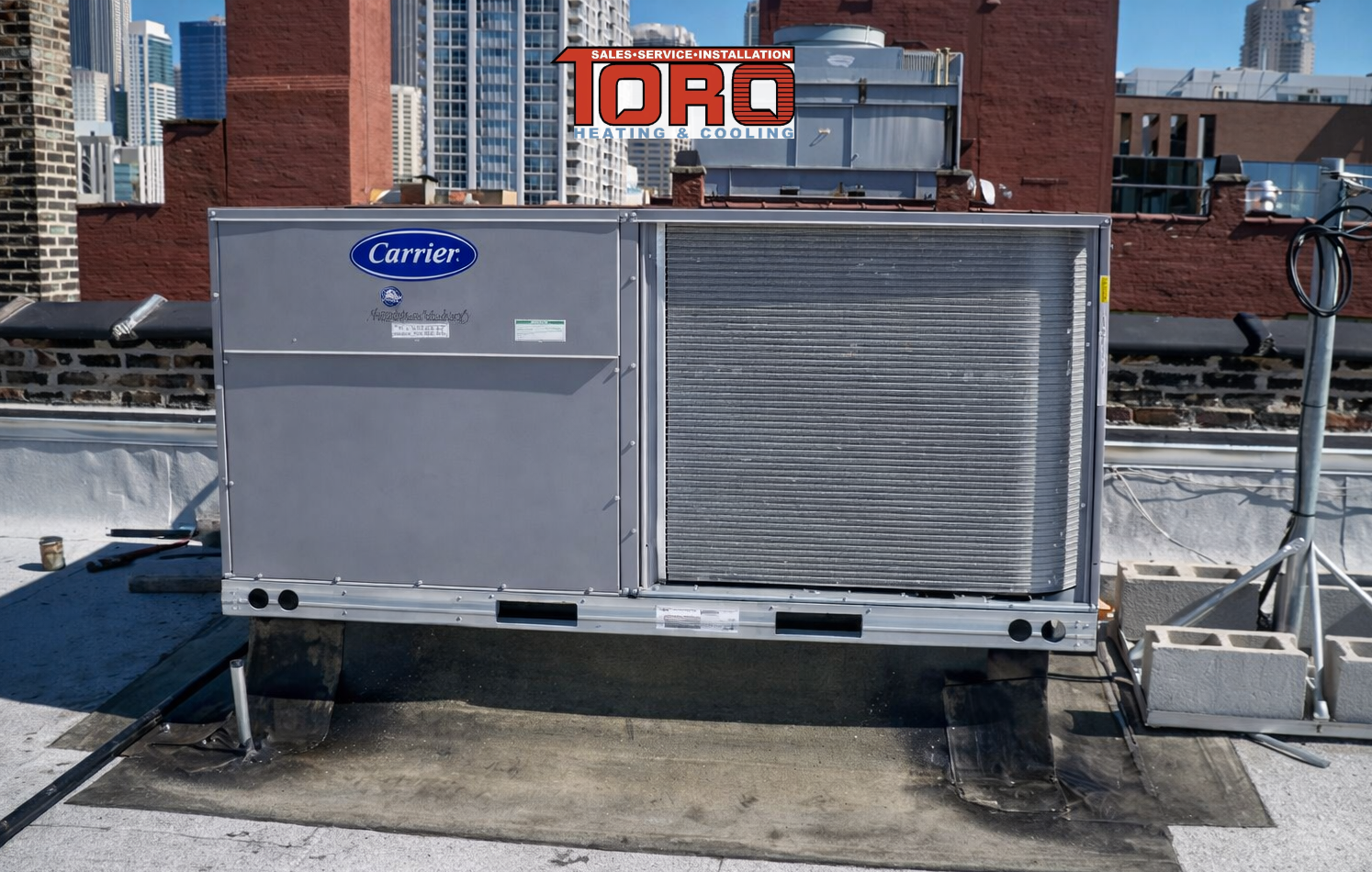
Let's talk about rooftop HVAC units, or RTUs. If you've ever looked up at a commercial building, you've probably seen one. They’re those big boxes on the roof, and they play a huge role in keeping indoor spaces comfortable without eating up valuable interior space. In this guide, we'll dive into what makes RTUs tick, why they're a smart choice for many commercial buildings, and the latest in RTU tech. Plus, we'll cover maintenance, energy standards, and how to pick the right unit to keep your building comfy and efficient.
We’ll share some real-world examples and tips, so building owners and facility managers can make smart choices. We’ll also point you to helpful resources and explain how professional services can keep your RTU running smoothly.
1. Understanding the Basics: What's an RTU?
1.1 What It Is and What's Inside
Simply put, a rooftop HVAC unit is a complete heating, ventilation, and air conditioning system packaged in a single outdoor unit on the roof. This design gets rid of the need for a separate mechanical room inside. RTUs deliver heating and cooling through a network of ducts and diffusers.
Typical parts of an RTU include a compressor for moving refrigerant, a condenser coil and fan for releasing heat, an evaporator coil to absorb heat from indoor air, and fans and blowers for air movement. Many modern units also come with features like economizers and variable-speed drives to boost efficiency and comfort.
1.2 Where You’ll Find Them
RTUs are great for single-story commercial buildings like shops, restaurants, strip malls, and small to medium offices. They’re also useful in larger buildings for zoning—where different RTUs serve different sections or floors for better control and backup.
Because they save indoor space, RTUs are popular for renovations where space is tight. In many retail settings, these rooftop units make it easy to replace or upgrade capacity without major indoor work.
1.3 How They Stand Out
Unlike systems that separate indoor and outdoor components, RTUs package everything outside, which saves indoor space and simplifies installation. They’re easier for technicians to access and swap out with minimal disruption.
Compared to water-cooled systems or boilers, RTUs are often cheaper to install for small to medium properties and easier to maintain. But they might not be the best fit for large or high-rise buildings where centralized systems are more suitable.
2. How Rooftop Units Work: The Nuts and Bolts
2.1 The Cooling Process
RTUs use the same basic refrigeration cycle as most air conditioners. Refrigerant moves through the system, removing heat from indoor air and releasing it outside. In heating mode, heat pumps reverse the cycle, or gas-fired sections provide warm air.
Modern RTUs often have variable-speed parts that adjust to meet demand, reducing wear and tear, keeping temperatures steady, and saving energy compared to older systems.
2.2 Ventilation and Air Quality
RTUs don't just control temperature; they also handle ventilation by mixing outdoor air with return air to maintain indoor air quality. Many units have economizers that let in more outdoor air when conditions are right, cutting down on the need for mechanical cooling and saving energy.
Balanced airflow is key for comfort and air quality. Filter options range from basic to high-efficiency, and facilities that focus on air quality often pair RTUs with extra filtration and UV lamps to cut down on microbial growth.
2.3 Zoning and Control
RTUs can be set up for single-zone or multi-zone operation. Single-zone systems control one area, while multi-zone units use dampers and ducts to manage different areas independently. Integration with building automation systems enables centralized monitoring and optimization.
Modern RTUs with IoT-enabled controls can send data to cloud platforms for analytics and automated fault detection, which is great for remote monitoring and predictive alerts.
3. Benefits of Choosing an RTU for Commercial Buildings
3.1 Saving Space and Easy Installation
One big perk of RTUs is the indoor space they save. This frees up room for tenants and reduces the need for indoor construction. Rooftop installation means less disruption during new installs or replacements, making RTUs a good choice for retrofit projects.
For building owners looking for quick HVAC upgrades, rooftop units often cut down on installation time compared to more complex systems that require lots of indoor infrastructure.
3.2 Central Control and Zoning Flexibility
RTUs offer centralized control for specific zones, ensuring consistent comfort across a building. Multiple units can create independent zones, allowing better tenant control, energy savings, and backup, so maintenance on one unit doesn't affect others.
This approach lets facility managers adjust conditioning schedules for areas with different usage patterns, boosting energy efficiency and comfort.
3.3 Cost and Lifespan Value
RTUs are often cost-effective for small-to-medium commercial properties because installation is straightforward. Over time, regular maintenance, proper sizing, and updates like variable-speed drives can significantly lower running costs and extend the unit's life.
Many places offer incentives for energy-efficient RTU upgrades, improving payback times. Checking with a qualified contractor on available rebates can save money during planning and installation.
4. Latest Trends and Tech Developments
4.1 Energy-Saving Features and New Refrigerants
New RTUs focus on saving energy through features like variable-speed parts, advanced controls, and better coil designs. These updates help RTUs meet stricter efficiency rules. The industry is also moving to lower Global Warming Potential (GWP) refrigerants like R-32 and R-454B, which align with environmental goals.
Using low-GWP refrigerants matches global efforts to cut emissions and often improves performance. Make sure to check refrigerant types when choosing or updating units and ensure technicians are certified to handle the newer options safely.
For more on refrigerant policies, check out the EPA's resources.
4.2 Smart Tech and Predictive Maintenance
IoT is turning RTUs into smart devices that send real-time data to managers and service providers. Smart sensors and cloud analytics help spot issues early, preventing failures. Predictive maintenance helps avoid emergency repairs and reduces efficiency loss from neglect.
Remote monitoring lets facilities track usage and catch HVAC issues fast, which is crucial for buildings with multiple sites or limited on-site staff.
4.3 Tying in with Energy Management
Modern RTUs can work with building energy management systems to handle demand response, load shifting, and optimal start/stop. By coordinating RTU operation with peak demand and utility signals, building owners can cut peak charges and leverage off-peak operation to save money.
If you’re considering controls or energy-efficiency updates, our energy management systems service can design a solution that works with rooftop equipment for real savings.
5. Maintenance and Care for RTUs
5.1 Why Regular Maintenance Matters
Keeping up with maintenance is key to running RTUs efficiently and avoiding performance dips that can hike up energy use and shorten equipment life. Industry data suggests that skipping maintenance can lead to annual efficiency losses, with some estimates at 5% or more per year.
Maintenance tasks include filter changes, coil cleaning, belt and fan inspections, refrigerant checks, electrical testing, and control calibration. Setting a schedule and tracking tasks cuts emergency repairs and helps plan replacements predictably.
If you’re looking for professional maintenance plans, check out our HVAC system maintenance options for commercial properties.
5.2 Monitoring and Condition-Based Care
Condition-based care uses sensor data to trigger service actions only when needed, balancing cost and risk. Proactive monitoring can catch refrigerant leaks or airflow issues early, preventing bigger problems. Many contractors offer programs that combine site visits with remote analytics.
This approach is especially helpful for places that can't afford downtime, like restaurants or shops. Early fixes cost less than emergency replacements after a major failure.
5.3 Seasonal Checklists and Prep
Seasonal maintenance preps RTUs for high-demand times. For summer, focus on refrigerant levels and coil cleanliness. For winter, check heating elements and controls for safe operation. Seasonal checks prevent service interruptions and improve comfort.
For services focused on cooling performance, our A/C system maintenance services cover coil cleaning and refrigerant checks.
6. Energy Standards and Compliance
6.1 Federal Standards and Ratings
Commercial RTUs must meet federal efficiency standards set by the U.S. Department of Energy. Recent updates require higher minimum efficiency levels, like increased SEER requirements. Staying compliant is essential when specifying or replacing equipment.
For specific guidance, check the DOE's resources on current requirements.
6.2 Local Codes and Programs
Local rules and utilities may have extra codes or rebate offerings for high-efficiency equipment and controls. Many utilities offer rebates for RTU upgrades. Checking for local incentives at the start can cut costs.
Contractors often help identify incentives and ensure equipment meets program requirements. Our team can assist with incentive research during planning to maximize benefits.
6.3 Certification and Training
Working with qualified technicians ensures safe refrigerant handling and proper installation. Technicians must hold EPA certifications and be trained on new refrigerants and controls. Ongoing training is critical as technologies evolve.
When choosing contractors, verify their training to ensure RTU installation and service meet all requirements.
7. Selecting, Sizing, and Retrofitting RTUs
7.1 Getting the Right Size
Picking the right RTU size requires an accurate load calculation considering building details, occupancy, and ventilation needs. Oversized units waste energy and undersized units struggle to maintain comfort.
Professional contractors perform calculations to recommend the right size. If your building has changed, reassessing the load is essential before replacing units.
7.2 Retrofit Options
Retrofitting an RTU can be more cost-effective than replacing it. Common retrofits include variable-speed drives, replacing old compressors, adding advanced controls, and installing better coils and fans.
Consider the equipment’s remaining life and whether upgrades make sense. A careful cost-benefit analysis will guide the right decision.
7.3 When to Repair or Replace
Deciding between repair and replacement depends on age, repair costs, and efficiency. A common rule is to consider replacement when repair costs are high or when new units offer better efficiency.
Our HVAC installation team can help you weigh repair versus replacement options for a sound choice.
8. Case Studies, Examples, and Pitfalls
8.1 Retail Center Case: Missing a Fault
A retail center saw high energy bills and comfort issues after an RTU fault went unnoticed over a weekend. Without monitoring or recent service, the fault wasn't caught until customers complained. The emergency repair highlighted the risk of skipping maintenance.
Installing monitoring and sticking to a maintenance plan could have caught issues early, avoiding emergency repairs. This shows the value of monitoring and maintenance for busy commercial properties.
8.2 Office Example: Zoning and Comfort
A single oversized RTU in a multi-tenant office caused humidity issues and uneven temperatures. Replacing it with two smaller units and adding zoning controls improved comfort and reduced complaints, saving energy during off-hours.
Zoning and right-sized equipment can lower tenant turnover and minimize complaints while boosting efficiency.
8.3 Mistakes to Avoid
Common RTU project mistakes include improper sizing, skipping maintenance, ignoring airflow, and neglecting control upgrades. Addressing these issues with experienced contractors and monitoring reduces costs and improves reliability.
9. Troubleshooting Guide and FAQs
9.1 Short-Cycling Issues
Short-cycling—frequent on/off cycles—can stem from an oversized unit, control issues, low refrigerant, or electrical problems. It cuts efficiency and increases wear. Start by checking thermostat settings, airflow, and filters, and schedule a professional inspection.
If short-cycling persists, contacting technicians can prevent bigger damage. Our HVAC repair team specializes in quick diagnostics and repairs.
9.2 Unusual Noises
Rattling, squealing, or banging can mean loose parts, fan issues, or debris. Turn off the unit if safety is a concern and schedule an inspection. Regular maintenance reduces noise problems and unexpected failures.
Document when noises occur to help technicians diagnose the issue faster.
9.3 Service Frequency for Filters and Coils
Filter replacement depends on usage but is typically done monthly to quarterly. Coils should be cleaned at least annually. Keeping filters and coils clean maintains airflow and air quality.
Our filter replacement and maintenance services help keep you on schedule.
10. Next Steps: Planning and Working with Contractors
10.1 Project Planning
Start any RTU project with a clear plan: assess building loads, check existing equipment, set goals, estimate budgets, and research incentives. Include a timeline with lead times and install windows to minimize disruption.
When upgrading or replacing RTUs, include a commissioning phase to ensure new systems meet design goals.
10.2 Choosing the Right Contractor
Select contractors with RTU experience and certifications. Check references and ensure technicians are trained for your project. A reliable contractor provides clear scope documents and timelines.
If you want help from an experienced team, our commercial HVAC services team offers full support.
10.3 Budgeting and Financing
Consider the total cost of ownership, including energy, maintenance, and potential incentives. Explore financing options to cut upfront costs for high-efficiency equipment.
Working with contractors early helps identify rebates and ensures selections meet requirements.
Conclusion: Why an RTU Might Be the Best Choice for Your Commercial Building
Rooftop HVAC units offer space savings, easy installation, and flexible control. Advances in energy-saving tech and smart controls have made RTUs more efficient and reliable. Regular maintenance and compliance with standards are key to long-lasting performance.
When considering an RTU, think about proper sizing, local incentives, and the value of maintenance plans. Partnering with an experienced contractor ensures the right equipment selection and efficient operation.
Ready to explore rooftop solutions, plan a retrofit, or set up maintenance? Contact Toro Heating & Cooling for a consultation. We help property owners select the right RTU, optimize energy use, and keep systems running smoothly. Call us at (773) 202-9933 or email info@torohvac.com for a site assessment and learn how we can protect your investment.
For federal efficiency rules, check the Department of Energy's resources. For refrigerant guidance, visit the EPA's website. For industry standards, see ASHRAE's guidance.
Ready to get started? Explore our services: HVAC maintenance to extend unit life, installation for new gear, and quick repair services when needed. Our team is ready to provide a clear plan and reliable service.
Call to action: Protect comfort, control costs, and improve reliability—contact Toro Heating & Cooling today at (773) 202-9933 or info@torohvac.com to schedule a rooftop unit assessment and get a personalized plan for your building.