If your HVAC system seems to have a mind of its own, turning on and off like it's playing a game, you're probably facing what's known as short cycling. It's a common issue that can leave your home feeling either too hot or too cold, make your energy bills shoot up, and put unnecessary wear and tear on your unit. The upside? This problem usually has a clear cause, and fixing it is often straightforward. Let’s dive into why it happens, how to troubleshoot it, and when you might need to call in a pro for HVAC repair or HVAC system maintenance.
Short cycling is more than just a minor annoyance. Every time your HVAC system kicks on, it draws extra power and experiences some mechanical stress. Over time, these frequent starts and stops can wear out the components more quickly, reduce comfort, and make your system less energy-efficient. If you're curious about how heating and cooling systems play into your energy use, check out the consumer guidance from the U.S. Department of Energy at Energy Saver. Up next, you'll learn what short cycling looks like, what causes it, and how regular care can help your system run smoothly.
Understanding HVAC Short Cycling
What It Is
Short cycling happens when your HVAC system turns on, runs for just a little while, and then shuts off before it finishes a heating or cooling cycle. A system in good shape should run long enough to properly heat or cool the air, remove humidity when cooling, and distribute warmth evenly when heating. If your system is clicking on and off every few minutes, something's not working right.
Some folks notice this as quick clicking sounds from the thermostat, a furnace that turns off before the room heats up, or an air conditioner that blows cold air but then stops. Others might notice it when they get their energy bill or feel uncomfortable inside their home. Often, short cycling is an early sign that your equipment needs some attention to avoid bigger problems.
Why It Matters for Comfort and Efficiency
When your system is short-cycling, it doesn't stay on long enough to stabilize your home's temperature. You might find one room cozy while another is too hot or too cold. In the summer, short cycles can also leave the air feeling sticky since the system doesn't run long enough to dehumidify properly. That’s why many people start looking into A/C system maintenance when they notice these issues.
Your system's efficiency takes a hit, too. The compressor, blower motor, igniter, and control board all get extra wear during these repeated starts and stops. Your system might start using more energy while providing less comfort, which can be especially frustrating during extreme weather. If left unchecked, this extra strain can shorten the lifespan of your entire unit.
Why Your HVAC Keeps Turning On and Off
Clogged Air Filters and Restricted Airflow
Dirty filters are one of the top reasons for short cycling. When airflow gets blocked, the system can overheat in heating mode or struggle to cool down in cooling mode. Safety controls might shut the unit down prematurely. Professionals often recommend changing filters every two to three months, or even more often if you have pets, allergies, or a lot of dust. The EPA also highlights how clean airflow supports comfort and indoor air quality.
A clogged filter can also make your equipment work harder than it needs to, which increases wear and reduces performance. If you haven’t checked your filter recently, it's a good place to start. Replacing it might solve the problem or at least improve airflow enough to prevent more damage while you get service scheduled.
Thermostat Issues and Calibration Problems
Since thermostats control when your system starts and stops, inaccurate or poorly placed thermostats can lead to short cycling. If your thermostat is near a vent, window, or kitchen, it might read temperatures wrong and shut off too early. Loose wiring or dying batteries can do the same.
If the thermostat seems to be the issue, thermostat services or thermostat repair can help get things back on track. Some homes benefit from upgrading to a smart thermostat, which can help stabilize runtime and scheduling. For those thinking about this upgrade, thermostat installation can ensure it's set up correctly from the start.
Improper System Sizing
An oversized system might short-cycle because it heats or cools the space too quickly, shutting off before finishing a cycle. While that might sound like a good problem, it actually leads to uneven temperatures, poor humidity control, and extra mechanical stress. Undersized systems can also cycle frequently because they can't efficiently meet the thermostat's setting.
Proper sizing is crucial when installing a new system. If a new unit was chosen without a proper load calculation, or if your building has changed over time with renovations, this might be the issue. For those planning an upgrade, HVAC installation should always include correct sizing and airflow testing.
Refrigerant Leaks or Pressure Problems
Low refrigerant levels can freeze the evaporator coil or reduce the system's cooling capacity, which might cause it to shut down repeatedly. Refrigerant doesn't run out under normal conditions, so low levels usually mean there's a leak or another issue that needs a professional look. Since refrigerants are regulated, proper handling is important for safety and the environment.
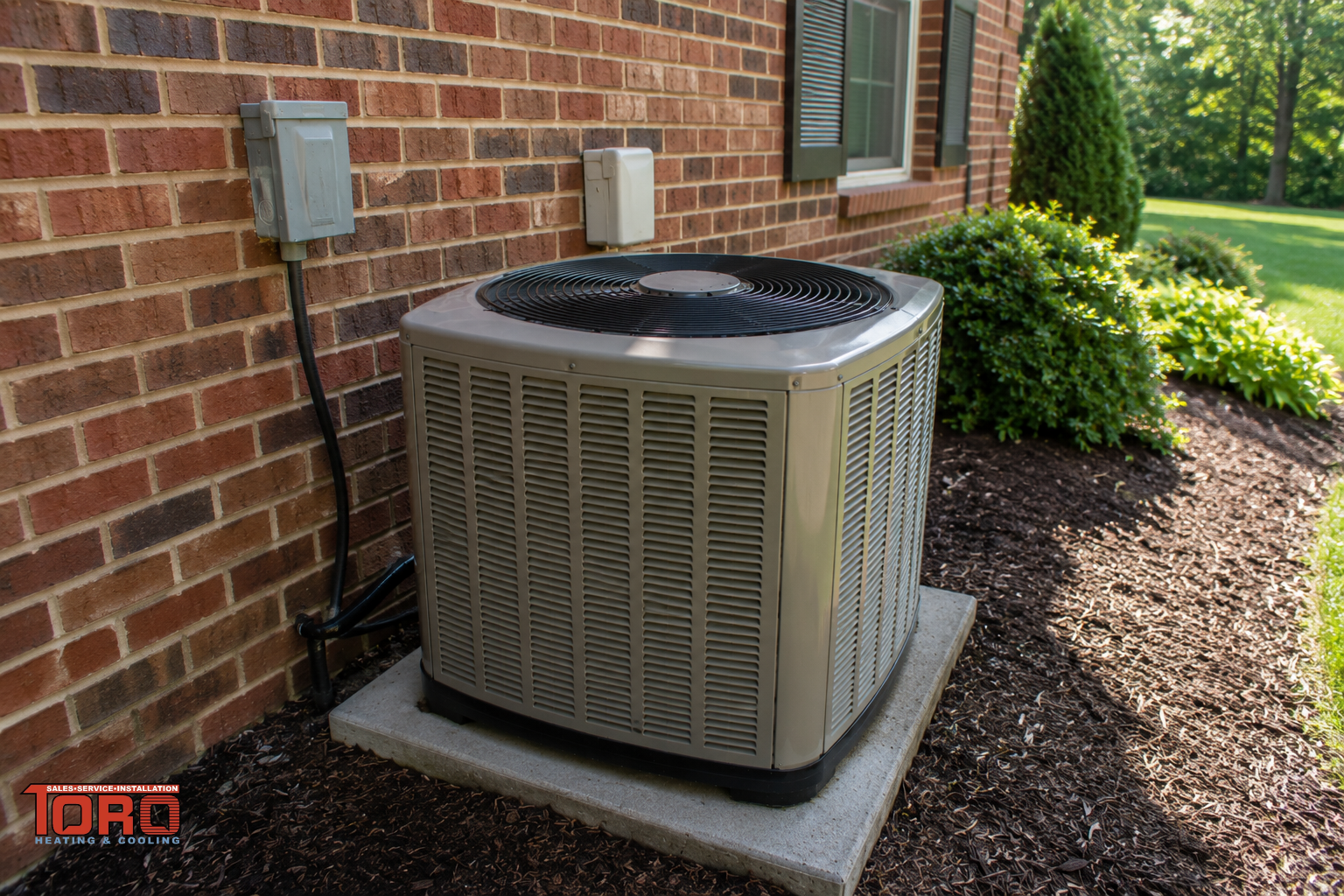
Poor refrigerant pressure in cooling systems can cause irregular operation similar to short cycling. If you hear hissing, see ice on the coil, or feel warm air from the vents, it's time to schedule service. In these cases, A/C system repair can help find the leak, test the pressure, and get things running right.
Electrical or Control Board Faults
Modern HVAC systems rely on sensors, relays, safety switches, and control boards. If any of these parts malfunction, the unit might shut off too quickly or not complete a cycle. Loose wiring, damaged relays, failing capacitors, and sensor issues can all cause this pattern.
Don't ignore electrical problems as they can worsen quickly and sometimes pose safety risks. If your system short-cycles randomly or makes unusual noises, professional diagnostics are the way to go. An experienced technician can figure out whether it's just a calibration issue or a part that needs replacing.
The Impact of Short Cycling on Energy and System Life
Higher Energy Bills
Every time an HVAC system cycles on, it uses extra energy. When short cycling happens, your system spends too much time in these inefficient starting phases and not enough in steady operation. This can raise your monthly utility bill even if you haven't changed the thermostat settings. For Chicago property owners handling extreme seasonal demands, short cycling can make a noticeable dent in your budget during both heating and cooling seasons.
Research shows that smarter cycle management can improve energy efficiency and temperature control. A study on predictive control for HVAC systems shows how anticipating demand can optimize performance instead of reacting to every little change. While most homes don't have these advanced controls, the research makes a simple point: steady, well-managed cycling saves energy.
Premature Wear and Tear
Short cycling increases mechanical stress on parts like the compressor, blower motor, and ignition system because they have to start repeatedly. Over time, this can speed up wear and make breakdowns more likely. Even if the unit is still working, repeated cycling often shortens its life and ups the chance of a mid-season failure.
This is why regular care matters. Routine heating system maintenance and A/C system maintenance help catch issues like filter problems, airflow restrictions, sensor glitches, and worn components before they cause repeated shutdowns. Preventive care is usually cheaper than emergency repairs or early replacement.
Indoor Air Quality and Humidity Problems
Short cycling can hurt indoor air quality because the system doesn't run long enough to move air through filters and vents. In cooling mode, the system might not run long enough to remove extra humidity, leaving the home feeling sticky and uncomfortable. High humidity can also lead to odors and a less healthy indoor environment.
If your home needs better airflow or filtration, services like air duct cleaning, ventilation system services, and air cleaners & humidifiers can help improve indoor conditions. If dusty ducts, poor ventilation, or moisture problems are contributing to inconsistent performance, tackling those issues can boost both comfort and HVAC operation.
Troubleshooting Short Cycling at Home
Check the Filter First
The quickest step you can take is to inspect the air filter. Remove it and look for dust buildup, discoloration, or warping. If light can't pass through easily, replace it with the correct size and type for your system. After replacing the filter, keep an eye on the equipment for a day or two to see if cycling improves.
If your system uses a specialized filter or you're unsure about the right replacement schedule, professional filter replacement/maintenance can keep airflow in the safe range. This small step often resolves mild cycling issues and is one of the easiest habits to stay on top of all year.
Review Thermostat Location and Settings
Thermostat placement can influence cycling more than you might think. If it's installed near an exterior door, direct sunlight, a lamp, or a supply register, it may get misleading temperature data. Check that the settings are right for the season and that the fan mode isn't causing confusing on-off behavior.
If you recently installed a new thermostat or changed your system setup, verify that the equipment type and cycles-per-hour settings match the HVAC system. When problems persist, a technician can test the thermostat, confirm calibration, and decide whether repair or replacement is needed. Often, thermostat services provide a quick fix without replacing the whole unit.
Listen for Unusual System Behavior
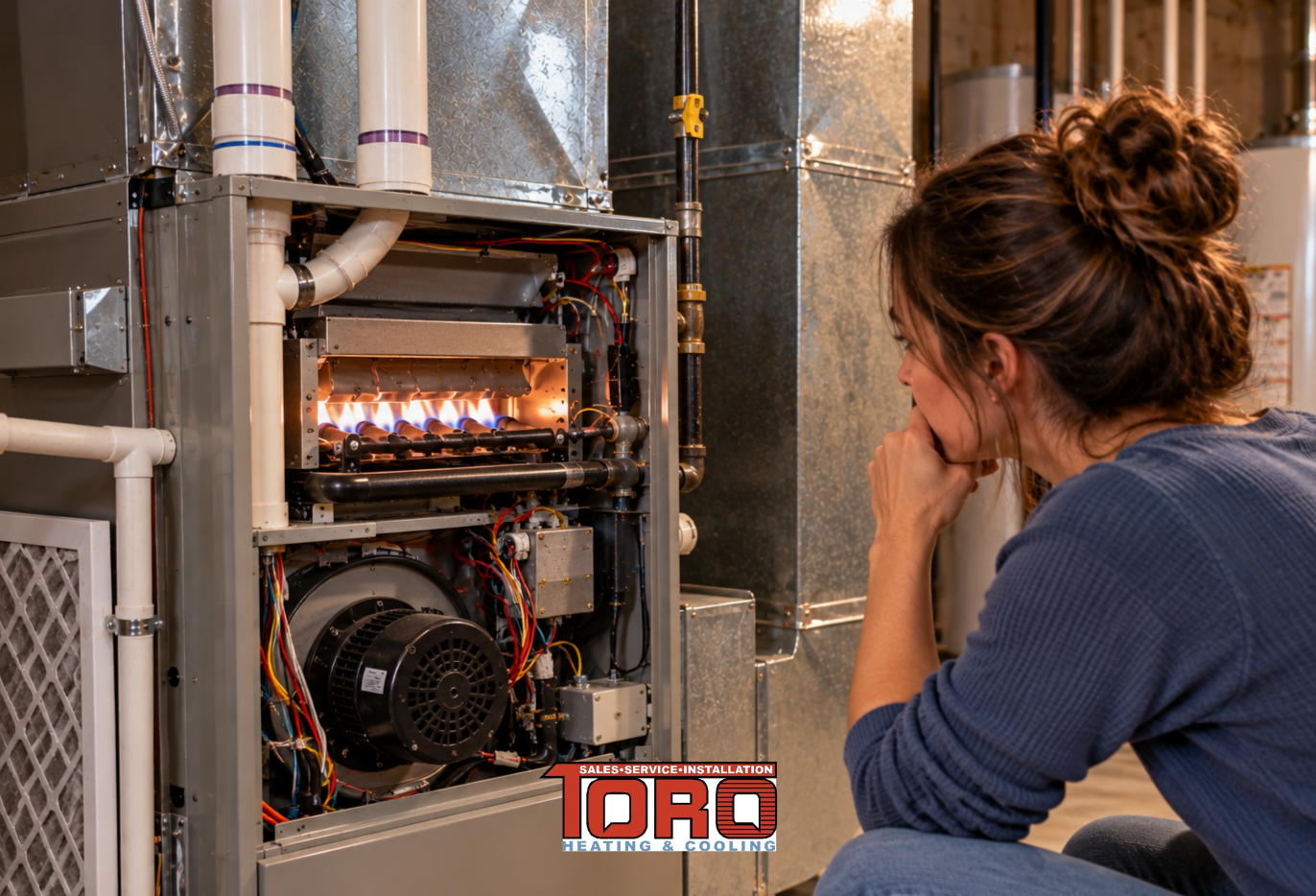
Pay attention to noises, smells, and timing. A furnace that starts, heats briefly, and then shuts off with a clicking sound may have an ignition or flame sensor issue. An air conditioner that freezes and then stops might be dealing with airflow or refrigerant issues. Repeated breaker trips are another sign of a deeper problem.
These clues help narrow down the cause before a technician arrives. Recording how long the system runs, whether the fan keeps moving, and what the thermostat displays can make service more efficient. If the issue worsens quickly, shut the equipment down and schedule a professional inspection rather than forcing it to keep cycling.
When to Call in the Pros
Signs It's Time for Professional Help
If replacing the filter doesn't help, the thermostat looks normal, and the system still short cycles, it's time to call a professional. Repeated shutdowns, ice on coils, burning odors, loud startup noises, or weak airflow usually mean the issue is deeper. These symptoms often need specialized tools for safe and accurate diagnosis.
This is especially true when the problem affects heating. A furnace that short cycles may involve safety controls, gas ignition, or heat exchanger issues that shouldn't be handled casually. In these cases, furnace repair can help restore safe operation and prevent further damage.
Why Regular Maintenance Helps
Maintenance visits allow technicians to inspect filters, test thermostat response, check electrical connections, verify airflow, measure refrigerant levels, and look for signs of wear. This type of detailed service often catches small issues before they become big problems. Predictive and data-driven HVAC strategies are gaining attention because they help prevent inefficiency instead of only reacting after a breakdown.
Research on hospital HVAC systems shows how predictive control can support performance and energy savings, as seen in this study on hospital HVAC systems. While homes are simpler than hospitals, the lesson still applies: steady operation comes from proactive monitoring and timely correction.
How Experts Solve the Issue
Professional HVAC contractors do more than just reset the system. They compare airflow, electrical readings, thermostat behavior, and equipment sizing to find the root cause. If it's a dirty coil, refrigerant leak, weak capacitor, or poor system sizing, they'll recommend the right fix instead of guessing. This approach saves time and reduces the risk of repeat failures.
For property owners wanting reliable support, residential HVAC services and commercial HVAC services can be tailored to your building, equipment, and symptoms. A complete diagnostic approach is especially valuable for mixed-use buildings, older properties, and systems with repeated repair calls.
Special Considerations for Chicago Homes and Businesses
Weather Swings and Runtime Stress
Chicago weather can shift from one extreme to another quickly, making HVAC systems work harder. Cold snaps, humid summers, and rapid temperature changes can cause unusual runtime patterns. In this climate, short cycling might appear more often because the equipment constantly responds to shifting loads.
Property owners should take a seasonal approach to care, especially before peak heating and cooling periods. The right combination of inspection, airflow support, and thermostat tuning can reduce stress on the system and improve comfort. If your building struggles with uneven temperatures, a local technician can recommend a service plan suited to your equipment and layout.
Airflow and Ductwork Matter More Than You Think
Poor duct design, leaking joints, crushed runs, or blocked vents can all disrupt airflow and contribute to short cycling. If the system can't move air properly, it might reach its safety limits or temperature targets too quickly and shut down. Uneven airflow can also create hot and cold spots that make the thermostat react unpredictably.
In these situations, services like HVAC duct repair, HVAC duct installation, and HVAC vent installation can make a difference. Better duct design supports steadier airflow, helping the system complete full cycles and maintain even temperatures throughout the building.
FAQs About HVAC Short Cycling
Can I Keep Running My System If It's Short-Cycling?
You can, but it's not a great idea long-term. Short cycling can damage parts and waste energy, and the problem might get pricier if ignored. If the issue pops up suddenly or gets worse quickly, it's better to turn the system off and have it checked.
Is Short Cycling Always Caused by the Thermostat?
Nope. Thermostats are just one possible cause. Dirty filters, oversizing, refrigerant issues, frozen coils, electrical problems, and airflow restrictions are all common culprits. That's why a full diagnostic inspection is more effective than replacing parts one by one.
How Often Should You Schedule Maintenance?
A good rule is at least once a year for each heating and cooling system, with more frequent service for older equipment or heavily used systems. Seasonal maintenance is especially helpful before summer cooling and winter heating demand. A proactive schedule can catch the conditions that lead to short cycling before they become disruptive.
What Should I Do First If I Notice This Problem?
Check the filter, confirm thermostat settings, and listen for unusual noises. If the issue continues after those quick checks, schedule professional service. For many, the fastest path is a combination of maintenance and targeted repair instead of waiting for the system to fail.
Preventing Short Cycling in the Future
Keep Filters and Coils Clean
Clean filters and coils help the system breathe and transfer heat properly. This is one of the simplest ways to reduce stress on the equipment and avoid repeated start-stop behavior. If dust, pet hair, or debris builds up quickly in your home, set a reminder to inspect filters regularly and stay ahead of the problem.
Use Properly Calibrated Controls
Accurate thermostat operation is essential for stable cycling. If the thermostat is outdated, poorly placed, or not calibrated to the right settings, it can confuse the equipment and trigger rapid shutoffs. Smart controls can be helpful, but only when they are installed and configured correctly.
Invest in Professional Diagnostics and Installation
Some cycling problems come from the original system setup, which means repairs alone may not fully solve them. If your current unit is the wrong size for the space, has duct issues, or was installed without proper commissioning, a long-term fix may involve upgrades or replacement. In those situations, heat pump installation, central air installation, or other equipment upgrades may provide better comfort and lower operating costs.
The best way to prevent short cycling is simple: maintain the system, pay attention to changes, and tackle small problems before they cause frequent shutdowns. A well-cared-for system runs longer, cycles more evenly, and keeps indoor conditions more stable all year.
Final Thoughts and Next Steps
If your HVAC system is playing the on-off game, don't ignore it. Short cycling can indicate something as simple as a dirty filter or as complex as a refrigerant leak, thermostat fault, or improper system sizing. The sooner you figure out the cause, the more likely you are to avoid higher energy bills and unnecessary repairs.
For homeowners and property managers looking for reliable help, professional inspection is the way to go. Whether you need HVAC repair, seasonal maintenance, or a full system assessment, timely service can restore comfort and protect your investment. If you're experiencing short cycling now, contact Toro Heating & Cooling at (773) 202-9933 or visit our website to schedule an appointment and get your system back to steady, efficient operation.