Expert Ways to Improve HVAC Efficiency Without Replacing Your System
If your heating and cooling bills keep climbing, you might not need to replace your HVAC system to see some real savings. A lot of the time, homes and small businesses lose energy because of things like poor maintenance, leaky ducts, dirty filters, and old controls, not because the equipment itself is bad. With the right approach, you can improve comfort, cut down on runtime, and extend the life of your system without breaking the bank on a major upgrade.
This guide covers practical ways to make your HVAC more efficient without swapping out the system. You'll find out what issues to tackle first, which upgrades give the best bang for your buck, how smart thermostats and duct sealing can help, and when it's time to call in a pro. If you're considering professional help, our HVAC system maintenance and filter replacement and maintenance services are a great place to start.
Heating and cooling make up about half of the energy used in homes, according to ENERGY STAR. So, even small gains can noticeably impact your monthly bills. The good news is that many improvements are simple, affordable, and can be scheduled before extreme weather hits. For folks in Chicago, this means better reliability in the winter and more stable cooling in the summer without rushing into a replacement.
Start with the Biggest Energy Wasters
Dirty Filters and Restricted Airflow
A clogged air filter is one of the most common reasons your HVAC system works harder than it should. When airflow is restricted, the system runs longer to reach the same temperature, upping wear and energy use. ENERGY STAR suggests checking filters every month during high-use seasons and replacing them every three months. It's a simple habit that can prevent bigger problems down the road.
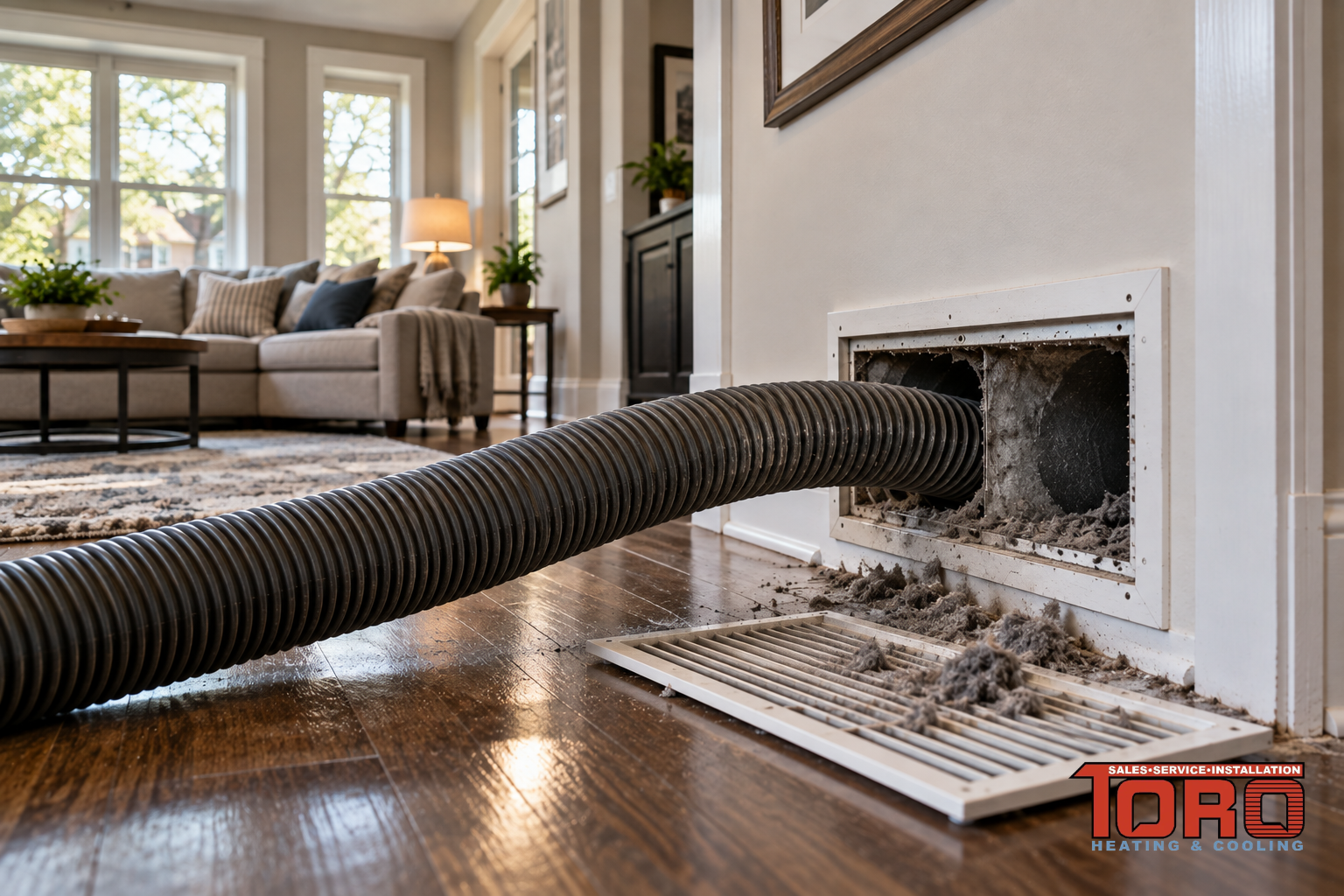
In many cases, a fresh filter can boost efficiency by 5% to 15%, especially if the old one is loaded with dust and debris. That might not seem like much, but over a long cooling or heating season, it adds up. If your system also has weak air delivery, consider pairing filter service with air duct cleaning or ventilation system services to restore more balanced airflow.
Leaky Ducts and Poor Insulation
Duct problems can be a major energy drain. Research shows that leaky or poorly insulated ducts can waste up to 30% of the air moving through your HVAC system. This means your equipment might be creating comfort that never reaches the rooms you use. Sealing those leaks and boosting insulation helps deliver conditioned air where it's needed instead of losing it in attics, crawl spaces, or walls.
This is one of the most cost-effective improvements you can make. Duct sealing doesn't require replacing the furnace or air conditioner, but it can greatly improve comfort in problem rooms and even out temperatures. If you think you’ve got damaged or disconnected runs, HVAC duct repair can fix the issue before it strains your system too much.
Use Smart Controls to Cut Unnecessary Runtime
Smart Thermostats and Programmable Schedules
Smart thermostats are a popular energy-saving upgrade because they cut waste without changing your HVAC equipment. These gadgets learn your daily patterns, adjust temperatures when no one's home, and respond to occupancy more intelligently than a basic thermostat. According to ENERGY STAR, smart thermostat adoption is rising because people want better control and lower energy costs without losing comfort.
When set up correctly, a smart thermostat can reduce runtime and limit unnecessary cycling, especially in homes with predictable schedules. This can help the system take breaks more often, possibly extending its life. If you need help choosing or setting up the right control, thermostat installation, and thermostat services can ensure compatibility with your system and proper calibration.
Temperature Setbacks and Zoning Habits
One easy way to improve energy efficiency is to avoid heating or cooling the whole building to the same level all day. Even a small setback during work hours or overnight can cut energy use, especially in well-insulated homes with predictable occupancy. The goal isn't to let the place get uncomfortable, but to create sensible ranges that reduce unnecessary demand on the system.
When combined with room-by-room habits, zoning awareness becomes even more effective. Close doors in rarely used rooms, keep supply and return vents unobstructed, and don't force the system to condition empty spaces longer than needed. If your thermostat seems to misread room conditions or respond slowly, thermostat repair can fix sensor or wiring issues that quietly drive up costs.
Keep the System Running Smoothly
Annual Tune-Ups and Seasonal Inspections
Regular maintenance is a solid way to boost HVAC efficiency without a full replacement. ENERGY STAR recommends annual tune-ups to restore performance, catch small problems early, and reduce the chance of unexpected breakdowns. A well-maintained system is likely to move air properly, regulate temperature accurately, and avoid extra strain from neglected parts.
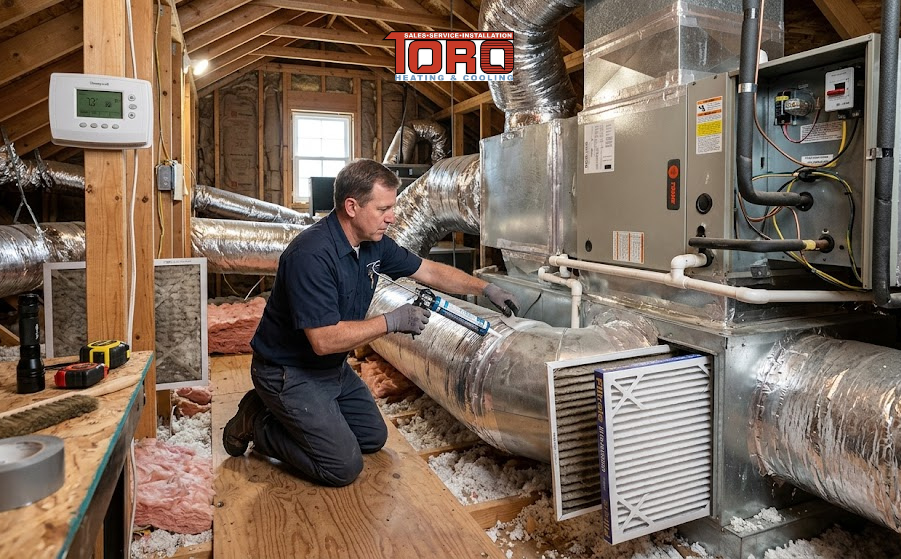
During a professional visit, a technician might check electrical connections, test controls, clean key components, and look for signs that the system is short-cycling or operating outside normal ranges. This kind of service can improve both comfort and energy use, especially before peak heating or cooling seasons. If your equipment hasn't been serviced recently, planned HVAC system maintenance is a smart investment.
Coils, Blowers, and Refrigerant Performance
Efficiency depends on more than just the thermostat setting. Dirty evaporator coils, dusty blower parts, and refrigerant issues can all drag down system performance and make the equipment work harder than it should. In cooling systems, for instance, a dirty coil can reduce heat transfer and lead to longer run times, higher bills, and uneven comfort throughout the building.
If the system struggles to cool properly or the air feels weak even with a clean filter, targeted repair might restore efficiency. Think of maintenance as a performance strategy, not just a checkup. Services like evaporator coil services and A/C system maintenance can keep the equipment operating closer to design conditions without needing a full replacement.
Seal the Building Envelope Around the HVAC System
Insulation and Air Sealing Basics
Your HVAC system can only work as well as the space it serves. If the building leaks air or lacks insulation, conditioned air escapes, and outdoor temperatures creep in, forcing the system to run more often. That's why HVAC efficiency and home insulation are closely connected, even if they are often discussed separately.
Simple air sealing around gaps, penetrations, attic access points, and poorly insulated areas can make a big difference in comfort. It also reduces drafts, hot spots, and cold floors, which lowers the temptation to keep fiddling with the thermostat. For broader building performance, especially in older properties, combining HVAC work with air cleaners and humidifiers can support healthier, more stable indoor conditions.
Why Sealing Matters in Real Life
Imagine a home where an upstairs bedroom stays too warm in summer while downstairs feels just fine. Many homeowners assume the air conditioner is too small or failing, but the real issue might be duct leakage, insulation gaps, or uncontrolled air movement. Fixing the envelope often improves comfort more than equipment changes alone.
The same principle applies to mixed-use properties and light commercial buildings. A small office with drafty windows, poor attic insulation, or unsealed duct joints will demand more from the HVAC system than a tighter building would. To see how air movement affects comfort in your space, our guide to weak HVAC airflow in Chicago explains the most common causes and practical solutions.
Make Ductwork and Ventilation Work Smarter
Balanced Airflow and Vent Placement
Even a modern HVAC unit can struggle if airflow isn't balanced properly. Closed or blocked vents, damaged grilles, and poor vent placement can create pressure imbalances that waste energy and reduce comfort. In some rooms, you might notice stuffy conditions, hot and cold spots, or noise that gets worse when the system kicks on.
Fixing these issues can make the whole system feel more responsive without changing the equipment. HVAC vent installation and HVAC vent repair are useful when the problem is caused by poor layout, worn grilles, or airflow that doesn't match the room's needs. Better venting helps the system deliver air evenly and avoid overworking to compensate for imbalances.
Fresh Air, Filtration, and Indoor Comfort
Ventilation also affects efficiency because stale, humid, or contaminated indoor air can make you feel uncomfortable even when the thermostat says the temperature is right. That can lead to overcooling, excessive heating, or constant thermostat changes that waste energy. Balanced ventilation supports steadier comfort, which often reduces the urge to fight the system.
For buildings where indoor air quality is also a concern, combining ventilation improvements with filtration upgrades can be especially effective. The U.S. Department of Energy notes that building systems perform best when airflow, controls, and maintenance all work together, and that principle applies directly here. If your property needs a broader airflow assessment, air duct cleaning, and ventilation system services can help restore more reliable movement through the system.
Choose Low-Cost Upgrades with a Strong Return
When a Small Upgrade Beats a Full Replacement
Many homeowners think improving efficiency means getting a new furnace or air conditioner, but that's not always the case. If the main equipment is still in good shape, targeted upgrades can deliver savings at a much lower cost. Smart controls, duct sealing, coil cleaning, and maintenance often provide the best return because they tackle waste rather than replacing working hardware.
ENERGY STAR also points out that many homes can save significantly by combining thermostat control with routine system care and good home sealing practices. In other words, the best results usually come from a layered approach instead of a single fix. If you're unsure which upgrade makes sense first, our energy bill reduction guide breaks down practical steps that can work in stages.
Other Supporting Upgrades to Consider
Some properties benefit from added air treatment or humidity control, especially when the system runs often but still doesn't feel comfortable. A room that feels too humid in summer or too dry in winter can cause you to change settings more aggressively, which increases energy use. Supporting comfort with the right accessories can help the system operate more efficiently and maintain a steadier indoor environment.
That may include products such as UV lamp installation for coil cleanliness, electronic air cleaners for particle reduction, or air cleaners and humidifiers to improve indoor balance. The goal isn't to add equipment for its own sake, but to remove the conditions that force your HVAC system to work harder than necessary.
What Real-World Examples Tell Us
School Districts and Public Facilities
Public buildings show how efficiency improvements can work without immediate replacement. The U.S. Department of Energy has highlighted school districts that improved HVAC performance through maintenance, controls, and better system management, producing meaningful cost savings. These projects often focus on cutting runtime, improving scheduling, and fixing airflow issues before buying new equipment.
The same approach applies to offices, retail spaces, and multifamily buildings. If you own or manage a property, energy efficiency improvements can cut operating costs while also making the space more comfortable. For more strategic building-level planning, our commercial HVAC services and energy management systems can help track usage and control waste better.
Chicago Weather and Why Efficiency Matters Here
In a place like Chicago, HVAC systems face both intense winter heating demand and heavy summer cooling demand. That seasonal swing makes efficient operation especially important because the system must perform well at both extremes. When equipment wastes energy in one season, the impact tends to show up quickly in utility bills and occupant comfort.
For homeowners and property managers in Chicago, the best strategy is often to optimize the current system before considering replacement. If your property needs a local service plan that supports all-season performance, our residential HVAC services offer a practical way to keep small issues from becoming expensive ones.
Know When Efficiency Problems Signal a Bigger Issue
Signs the System Needs Repair, Not Just Maintenance
Some energy waste can be solved with routine care, but other problems point to a deeper mechanical issue. If the system short-cycles, struggles to start, makes unusual noises, or can't maintain a stable temperature even after filter changes and tune-ups, it might need repair. Ignoring those signs can lead to greater efficiency loss and eventual breakdowns.
Problems like sensor faults, electrical issues, refrigerant loss, and failing motors often show up as rising energy use before a complete failure occurs. That's why early diagnosis matters. If you notice those warning signs, HVAC repair, central air repair, or heating system repair may restore performance before replacement becomes necessary.
When to Ask About Replacement Anyway
Boosting efficiency without replacing your HVAC system is often the right first move, but there are times when replacement may eventually be the most practical choice. If the equipment is very old, requires frequent repairs, or can't meet comfort needs even after duct and control improvements, a more comprehensive solution might make financial sense. The key is to make that decision based on performance data, not frustration.
If you want a better sense of where your equipment stands, compare repair history, energy bills, comfort complaints, and service findings over time. That evidence can help you decide whether a targeted fix or a future upgrade is the best path forward. Our guide to SEER and AFUE ratings can also help you understand the difference between efficiency improvements and a full system change.
Simple Action Plan for Better HVAC Efficiency
Your First 30 Days
Start with the basics: replace or clean the filter, check vents for blockages, review thermostat settings, and inspect for obvious drafts around doors, windows, and attic access points. Then schedule a professional tune-up so a technician can inspect components you can't easily see. These first steps are often enough to uncover the biggest sources of waste.
Next, review how the system behaves during peak times. Does it run too long, struggle to reach setpoint, or leave certain rooms uncomfortable? Those clues can tell you whether the next step should be duct repair, thermostat work, or a more detailed inspection of the equipment itself.
The Next 90 Days
Once the obvious issues are handled, move to the higher-value improvements. Consider duct sealing, airflow balancing, thermostat upgrades, and any insulation or ventilation corrections that will reduce strain on the system. If your property has chronic comfort problems, a more detailed assessment can identify whether a small investment will yield a major improvement.
For many owners, this is also the right time to create a seasonal maintenance rhythm. Combining maintenance with filter changes, duct checks, and control adjustments creates consistency, which is one of the most effective ways to keep energy use under control. If you want help implementing that plan, our maintenance services can support the process from season to season.
Conclusion: Improve Comfort, Save Energy, and Delay Replacement
You don't always need a new HVAC system to get meaningful energy savings. By focusing on maintenance, airflow, duct sealing, thermostat control, and building-envelope improvements, you can reduce waste and improve comfort at the same time. The most successful approach is usually layered: fix the easy issues first, then move on to upgrades that make the existing system work smarter.
If your current system is still mechanically sound, these strategies can help you stretch its value and lower your utility costs. If you're ready for a professional evaluation, Toro Heating & Cooling can help identify the most effective improvements for your property and recommend the right service path. Reach out to us for a system check, and take the next step toward better comfort and lower energy use without replacing your HVAC system too soon.
For more guidance, explore our filter replacement and maintenance service, review thermostat services, or contact our team to schedule an inspection. A few smart improvements today can save you money all season long.