Why Better Indoor Air Starts With Your HVAC System
How's your indoor air? It affects your sleep, breathing, and overall comfort. Yet, it's often ignored until dust, odors, or allergies hit hard. Your HVAC system does more than keep you comfy; it's the hero behind the air you breathe indoors. If designed and maintained well, it filters out contaminants, manages humidity, boosts airflow, and can make your home healthier.
This is especially key in places like Chicago, where seasonal changes, city pollution, and summer humidity challenge comfort. If you're thinking of upgrading your system, getting regular check-ups, or starting a cleaner-air plan, options like scheduled HVAC maintenance and regular filter changes can make a big difference. Curious about airflow and performance? Check out our guide on HVAC airflow and performance.
We’ll explore why HVAC systems are central to indoor air quality, what trends are making indoor spaces cleaner, and practical steps to improve air quality without losing comfort or efficiency.
What Indoor Air Quality Really Means
More than just “fresh air”
Indoor air quality, or IAQ, is about the air inside buildings and how it affects your health and comfort. It involves particles in the air, humidity levels, how well air circulates, odors, chemicals, and germs like mold and bacteria. Good IAQ goes beyond just masking odors; it's about cutting down pollutants and keeping conditions healthy.
The U.S. Environmental Protection Agency (EPA) points out that indoor pollution levels can be two to five times higher than outdoor levels, which shows why indoor air pollution is a big deal for health. You can check out the EPA’s guidance on indoor air and pollutants through the EPA’s indoor air quality resources. This info highlights that the air in your home deserves the same attention as your thermostat settings.
Why the problem often starts with the system
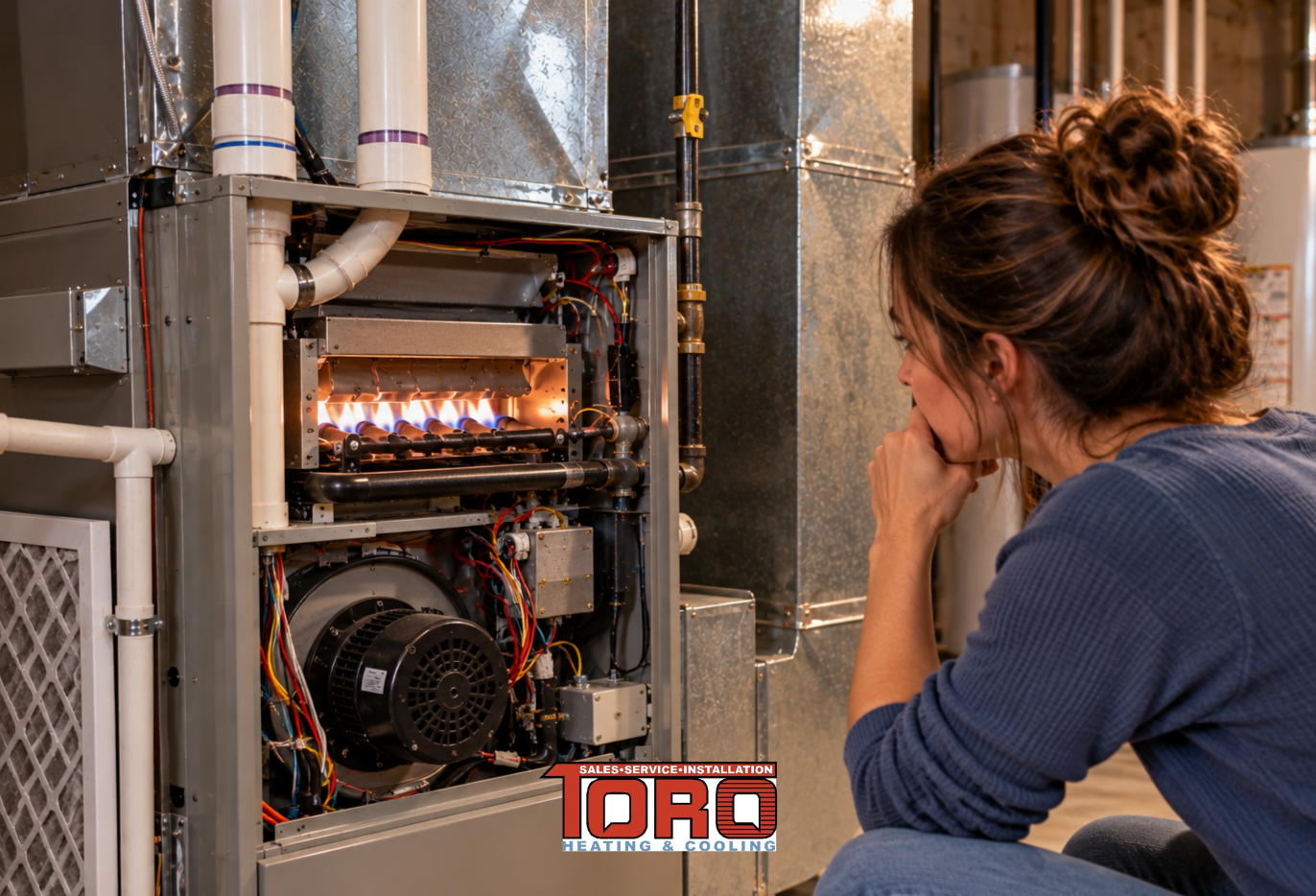
Many folks think outdoor pollution is the main culprit for poor indoor air, but your HVAC system can make it better or worse. If your filter is clogged, ducts are leaky, or the system is dirty, it can trap contaminants instead of removing them. Simply put, if your system doesn't move air well, it won't distribute it well either.
This is why your home might feel stuffy even when the thermostat reads fine. Comfort and air quality are linked, but not the same. Neglect your system, and dust, moisture, and stale air will build up. Taking steps like air duct cleaning and ventilation system services can tackle these issues.
Why HVAC Technology Is Changing the IAQ Conversation
Heat pumps and electrification are gaining ground.
One major trend is moving towards electric systems. Heat pumps are becoming popular since they efficiently heat and cool in one setup and offer advanced filtration and controls. Recent reports show heat pumps outselling gas furnaces, signaling a shift in consumer choices and design priorities.
For homeowners, this change matters because modern systems offer better control, diagnostics, and integration with air quality tools. A properly sized heat pump installation can keep you comfy year-round while maintaining better indoor conditions. If you already have a setup, a professional HVAC installation check can assess if your current gear is ready for cleaner-air upgrades.
Smart HVAC systems are helping homeowners respond faster
Smart thermostats, sensors, and maintenance tools make spotting air quality issues easier. These systems track usage patterns, humidity changes, filter status, and temperature swings, giving you insight into comfort and health conditions.
Smart HVAC tech also helps reduce waste. Systems that run only when needed are less likely to circulate stale air or create moisture issues. For precise control, consider thermostat services and thermostat installation for smarter operation.
Advanced filtration is no longer optional.
High-efficiency filters are now essential in IAQ strategies. Demand for HEPA-level filtration has grown as families want better protection against dust, smoke, and pollen. The air filtration market is booming, highlighting how key filtration is to healthier indoor environments.
However, filtration only works if your system can handle it. A filter too restrictive for your equipment can decrease airflow and strain performance. This is where expert sizing and knowledge come into play. If you're considering upgrades, a mix of electronic air cleaner service, whole-home air cleaners and humidifiers, and regular maintenance can balance cleaner air with proper airflow.
The Biggest IAQ Problems Your HVAC System Can Help Solve
Dust, pollen, and particulate matter
Particles are common indoor air pollutants, especially in homes with pets, old ductwork, or high allergen exposure. Strong HVAC filtration can capture many particles before they keep circulating in rooms. The key is using a good filter, replacing it regularly, and ensuring the system is sealed and balanced.
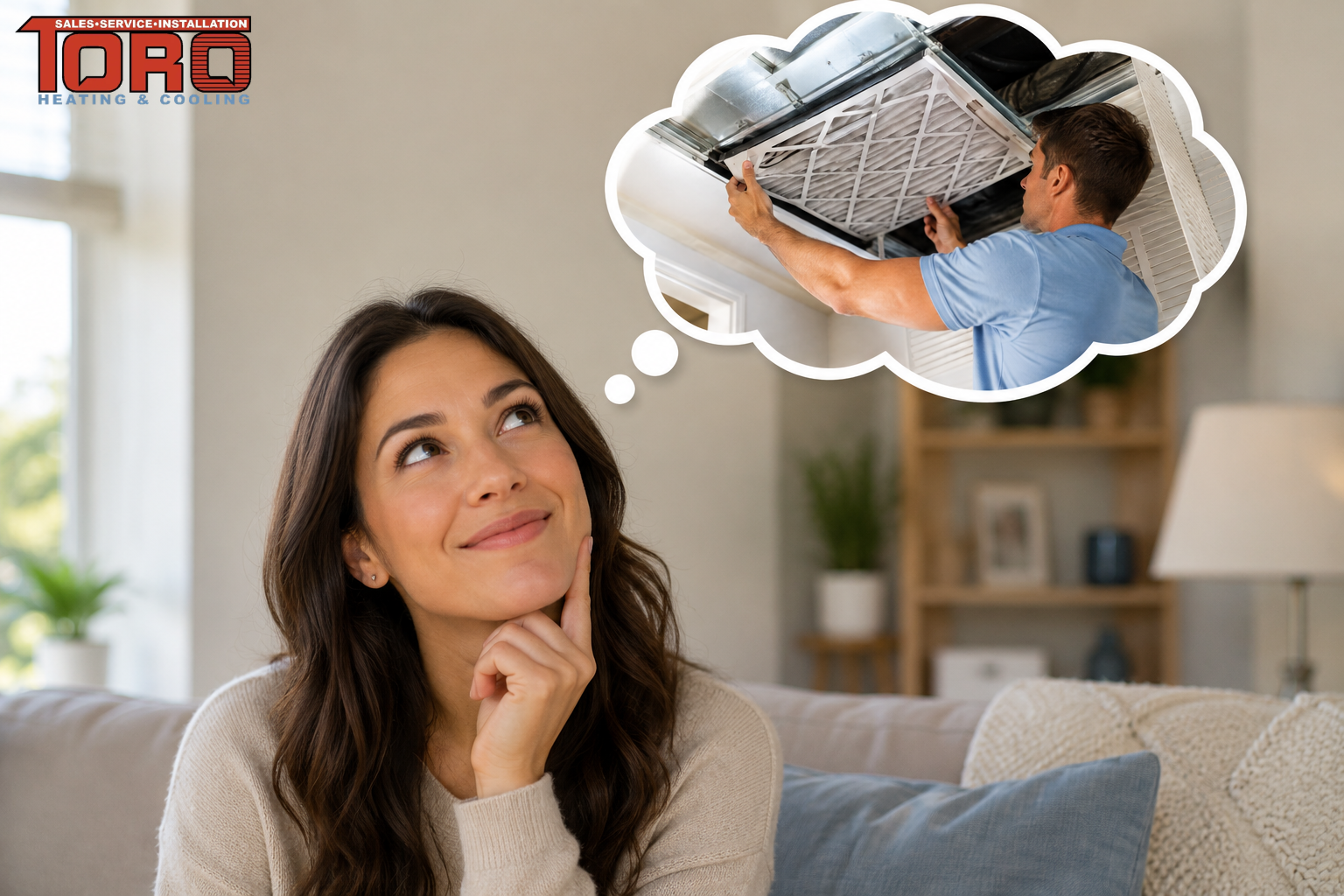
If particulate buildup gets out of control, you'll notice dust, sneezing, and surfaces getting dirty quickly. Professional filter replacement and maintenance keep your system ready to trap debris before it becomes a bigger problem. For many, this simple habit noticeably improves daily comfort.
Humidity that feels uncomfortable or unhealthy
Humidity affects how air feels, body cooling, and mold growth. In sticky climates or during damp seasons, too much moisture can make your home feel unpleasant. Too little can dry out skin and respiratory passages. Either extreme can make your home uncomfortable and unhealthy.
Experts recommend keeping indoor humidity balanced to reduce mold and discomfort. For more on moisture control, check out the CDC’s mold and moisture guidance. If humidity is a problem, solutions like humidifiers, improved ventilation, and seasonal tune-ups can help stabilize conditions.
Odors, stale air, and poor ventilation
Odors signal that indoor air isn't fresh. Cooking smells, pet odors, and mustiness linger when air isn't exchanged well. HVAC systems need to move air and have proper ventilation to bring in fresh air and remove stale air.
Don't overlook ventilation. A balanced system supports comfort and health, especially in tightly sealed homes. Services like ventilation system services and HVAC vent repair can restore healthy airflow and reduce the stale-air effect.
Best Practices for Cleaner Indoor Air
Replace filters on schedule.
Replacing HVAC filters regularly is a simple and effective way to improve IAQ. Depending on the filter type and usage, experts recommend replacement every one to three months. Homes with pets, allergies, or high system use may need more frequent changes.
Time magazine emphasizes the importance of clean filters for both health and performance in its air conditioner filter care coverage. If you want to build a stronger maintenance routine, a scheduled HVAC maintenance plan paired with seasonal A/C maintenance can help keep airflow strong and contaminants under control.
Do not ignore duct condition.
Your ductwork is the highway for indoor air. If ducts are leaking, disconnected, or dirty, the air may pick up dust from crawlspaces or attics. This can undermine even a top-quality filter and make it harder to keep rooms balanced.
Improving duct conditions is often a high-value upgrade. A home may need duct repair, sealed connections, or a new duct layout. Sometimes, custom duct installation can dramatically improve airflow, reduce pressure loss, and support cleaner air.
Use whole-home solutions instead of portable band-aids
Portable air purifiers can help in one room, but they don't fix whole-home air quality problems. If contaminants enter through ducts, humidity rises across the house, or stale air is trapped, you need a system-level solution. Whole-home equipment works continuously, usually leading to better results.
That's why integrated systems are popular among homeowners wanting cleaner air with less hassle. Solutions like UV lamp installation, air cleaners, and humidifiers matched to your HVAC setup offer broader protection. When installed properly, they work together to reduce buildup on coils and support cleaner indoor conditions.
How Smart HVAC Systems Support IAQ
Continuous monitoring catches problems sooner.
Smart home integration is changing how we view indoor air. Sensors track temperature, humidity, runtime, and performance, allowing issues to be addressed before they become major problems. This visibility is valuable in homes with allergies, asthma, or moisture concerns.
Knowing how your home behaves daily helps make informed decisions about maintenance and upgrades. If the system runs often but comfort feels uneven, it might be time to check for duct leaks, sensor faults, or airflow restrictions. In these cases, thermostat repair and HVAC repair can restore the response needed for comfort and air quality.
Predictive maintenance reduces surprises.
Predictive maintenance uses data to find problems before they become breakdowns. This matters for IAQ because a weak blower, dirty coil, or malfunctioning sensor can affect air movement and contaminant removal. If the system isn't at peak condition, the indoor environment can deteriorate quietly.
Research shows homeowners benefit when issues are identified early. A maintained system is less likely to recirculate contaminants or create stagnant air pockets. If your unit shows trouble signs, a quick A/C repair or central air repair can prevent minor issues from becoming major problems.
Case Study: Wildfire Smoke and the Importance of Proper Filtration
What recent testing revealed
Wildfire smoke is a major indoor air concern, even far from the fire. Recent research on arXiv compared HVAC filters against smoke particles, finding that mechanical filters performed more stably, though with added airflow resistance. This highlights that filtration must be chosen with real-world behavior in mind, not just efficiency claims.
You can explore the broader discussion through the wildfire smoke filtration study on arXiv. The takeaway is clear: when smoke is a concern, the right filter and system setup matter as much as the filter rating.
What should homeowners do during smoky periods?
During smoke events, close windows, run the HVAC system with suitable filtration, and avoid an oversized or incompatible filter. If a filter upgrade is needed, select it with airflow in mind. Check the fan, replace the filter early, and seal leaks that could draw smoky air inside.
This is where routine service becomes valuable. A system with weak airflow, dirty components, or poor vent balance may struggle during high-smoke conditions. Homeowners can combine duct cleaning, filter maintenance, and ventilation improvements for more dependable protection.
Why Regular Maintenance Is the Hidden Secret to Better Air
Clean systems move cleaner air.
Regular maintenance is a reliable way to protect indoor air quality because it prevents contaminants from building up. Clean coils, clear drains, fresh filters, and inspected blower components mean efficient air movement and less dust, fewer odors, and less moisture lingering.
Maintenance isn't just about avoiding repairs. It's about preserving the air quality benefits your HVAC system should provide. For homeowners wanting a proactive approach, planned maintenance and heating system maintenance help create stability, especially with Chicago's changing weather.
Some IAQ issues are mechanical, not cosmetic.
It's easy to think of dust and odors as cleaning issues, but they often point to mechanical problems. A weak blower, faulty thermostat, clogged condensate drain, or dirty coil can affect air movement. If left alone, they may reduce airflow enough to cause uneven temperatures and moisture buildup.
Service calls often uncover deeper causes of indoor air complaints. A homeowner might think they need a stronger air freshener when they actually need evaporator coil service or HVAC repair. Solving the right problem saves time, money, and frustration.
How Homeowners Can Build a Better IAQ Plan
Start with a system evaluation.
The best indoor air quality plans begin by assessing the system in place. Look at filters, ducts, vents, humidity, and controls together rather than treating each issue separately. If unsure where to start, a technician can identify improvement opportunities and help prioritize upgrades.
The most practical first step in many homes is a service visit evaluating airflow, filtration, and system condition. This can reveal if your home needs routine HVAC maintenance, a new air cleaner, or targeted repairs. It also helps determine if your system is properly sized for your home and comfort goals.
Focus on the upgrades with the most impact.
Not every IAQ upgrade delivers the same value. Most improvements come from a combo of filtration, ventilation, humidity control, and regular service. Upgrading a thermostat won't fix poor air if ducts leak or filters are blocked. Adding a purifier without fixing ventilation may only treat symptoms, not the cause.
This is why smart, layered upgrades work best. Homeowners can benefit from thermostat services, whole-home air cleaners and humidifiers, and UV lamp installation based on their home’s needs. When matched to HVAC equipment, this results in better air without complexity.
Frequently Asked Questions About HVAC and Indoor Air Quality
How often should I replace my HVAC filter?
Most people should replace their filter every one to three months, but the right schedule depends on filter type, system runtime, pets, allergies, and local conditions. If you see dust buildup, reduced airflow, or worsening odors, check the filter sooner. A clean filter is an easy way to support healthier indoor air.
Can my HVAC system help with wildfire smoke?
Yes, but effectiveness depends on the filter, system condition, and how well the home is sealed. A stronger filter can reduce smoke infiltration, but it must be compatible with your HVAC equipment to avoid restricting airflow. Maintenance and proper system design are essential during smoke events.
Do I need both ventilation and filtration?
Yes. Filtration removes particles from recirculated air, while ventilation brings in fresh air and removes stale air. A home that only filters without ventilating may still feel stuffy, while a home that only ventilates without filtering may bring in too many pollutants. The best IAQ strategy uses both.
What should I do if one room always feels worse than the others?
Uneven comfort can point to airflow problems, duct imbalance, vent issues, or thermostat placement. It may also indicate insulation or leakage concerns in the room itself. Start with a system check and consider vent repair or duct repair if the problem seems localized.
Conclusion: Better Air Starts With Better HVAC Care
If you want cleaner, healthier indoor air, the HVAC system is the best place to start. It affects filtration, airflow, humidity, ventilation, and even how quickly contaminants circulate through the home. When the system is properly maintained and upgraded, the benefits show up in comfort, health, and long-term equipment performance.
The good news is that you do not need to solve everything at once. Start with the basics: replace filters on time, schedule maintenance, inspect ducts, and pay attention to humidity and airflow. Then build from there with the right combination of smart controls, filtration upgrades, and whole-home solutions tailored to your space.
If you are ready to improve the air in your home or business, Toro Heating & Cooling can help you identify the best path forward with dependable service and practical recommendations. Explore residential HVAC services, ask about commercial HVAC services, or reach out for a system evaluation that puts cleaner air first. Better indoor air really does start with the system behind the walls, and the sooner you take action, the sooner you feel the difference.