Why Proper Airflow Matters More Than Most Homeowners Realize
Let's talk about something that doesn't get much attention until things start feeling a bit off in your home: airflow. When your HVAC system's airflow is just right, your home stays comfy, your HVAC works smoothly, and your energy bills don't skyrocket. But if the airflow is restricted or unbalanced, your system has to work extra hard, which can wear it out faster and make your bills climb.
Think of airflow as the lifeblood of your HVAC system. If it's weak or blocked, the system can't do its job properly. That's why regular stuff like changing filters and scheduled maintenance are crucial for keeping things comfy and cutting costs in the long run.
Studies show that airflow impacts more than just the temperature. Good airflow can cut energy use by up to 20% by making your system run more efficiently, while poor airflow can lead to overheating and equipment failure. The U.S. Department of Energy points out that heating and cooling systems are big energy users in homes, so efficient air movement is key to managing those costs. For more on energy use, check out the U.S. Department of Energy’s guide.
How HVAC Airflow Supports Performance, Comfort, and Efficiency
Even airflow helps the system reach the right temperature faster
When airflow is balanced, the conditioned air gets to each room at a steady pace. This means your system can hit the target temperature quicker and with less effort. Rooms feel more consistent, and you won't have to deal with hot and cold spots. Plus, your thermostat won't keep calling for longer run times to make up for poor circulation.
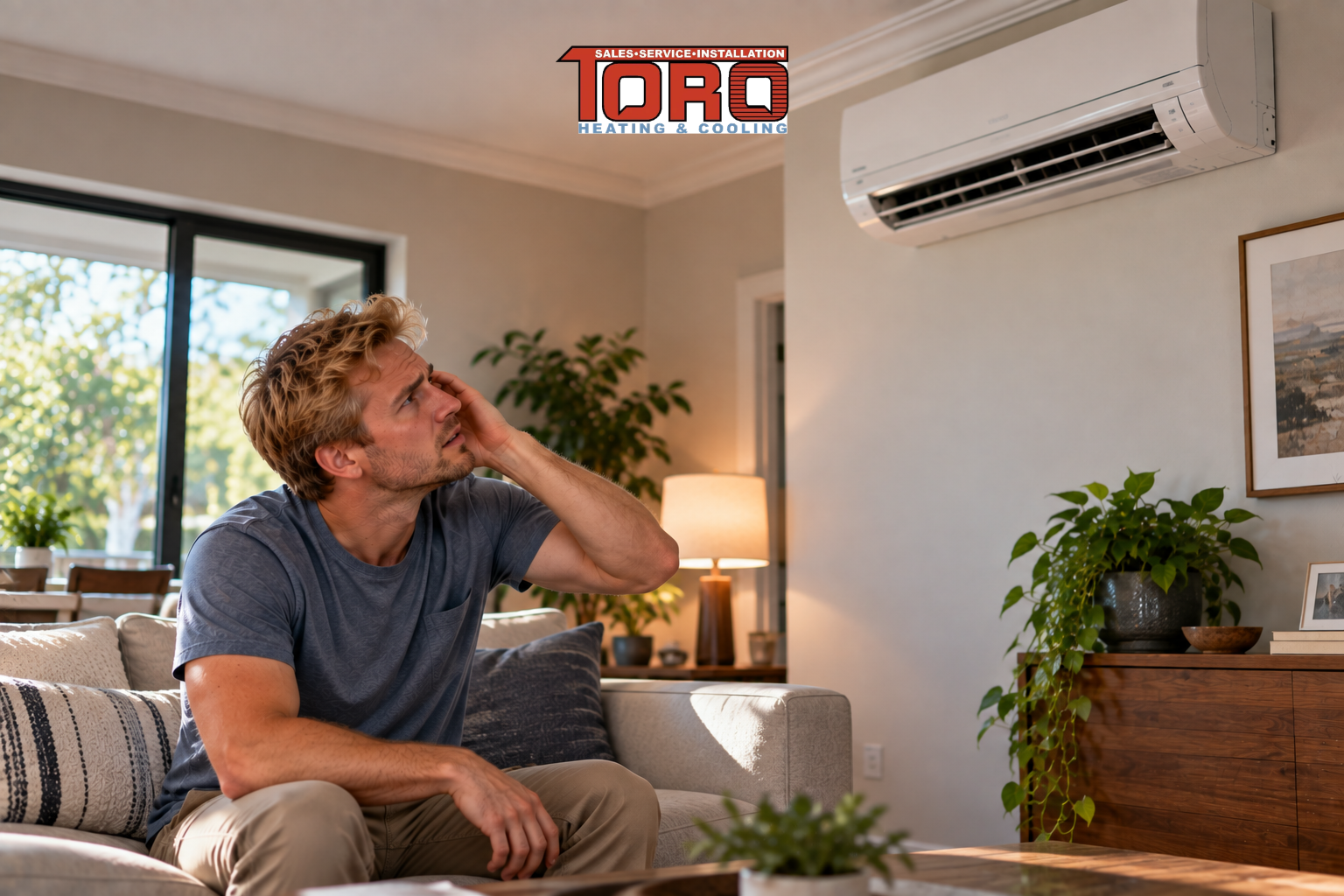
Imagine a home where a bedroom never cools properly because of blocked registers or duct restrictions, even though the rest of the house feels fine. This unevenness isn't just uncomfortable—it's a sign of pressure imbalances that can mess up the whole system. Services like ventilation system fixes and vent installations can help restore balance.
Proper airflow improves energy efficiency.
Systems that move air correctly don't need to work as hard to provide the same comfort. That means less strain on the fan, shorter cycles, and less electricity wasted. In practical terms, better airflow lets your HVAC system operate closer to how it was designed, avoiding issues with duct resistance, clogged filters, or blocked vents.
This is especially important for modern high-efficiency systems, which often need precise airflow to work well. Smart sensors and variable-speed blowers can do their job better if the basic airflow path is clear. If you're seeing higher energy use, combining equipment checks with thermostat services and airflow diagnostics can help find out if control issues are causing your system to run longer than needed.
Airflow supports indoor air quality and occupant comfort.
Good airflow does more than just move the temperature; it also helps move particles, moisture, and stale air out of living spaces, which is why airflow is tied to indoor air quality. The Environmental Protection Agency explains that indoor air can be significantly affected by ventilation and filtration choices, especially in well-sealed buildings. You can find more info on ventilation and IAQ through the EPA's resources.
Weak airflow can lead to faster dust accumulation, lingering odors, and difficult-to-control humidity. These issues can make a building feel stuffy even if the thermostat says the temperature is right. Often, the fix involves both airflow correction and related services like air duct cleaning or using air cleaners and humidifiers.
Common Causes of Poor HVAC Airflow
Dirty or clogged filters
Air filters are a common bottleneck in any HVAC system. When they get clogged with dust, pet hair, and debris, the system has to work harder to pull air through. This added resistance cuts airflow and can cause pressure problems that affect coils and motors.
Many homeowners overlook that filter condition is not just about cleanliness. A neglected filter can lead to coil freezing in summer or overheating in winter. If filters keep catching lots of buildup, it might mean the system needs more comprehensive maintenance or a better filtration strategy with filter replacements.
Blocked vents and registers
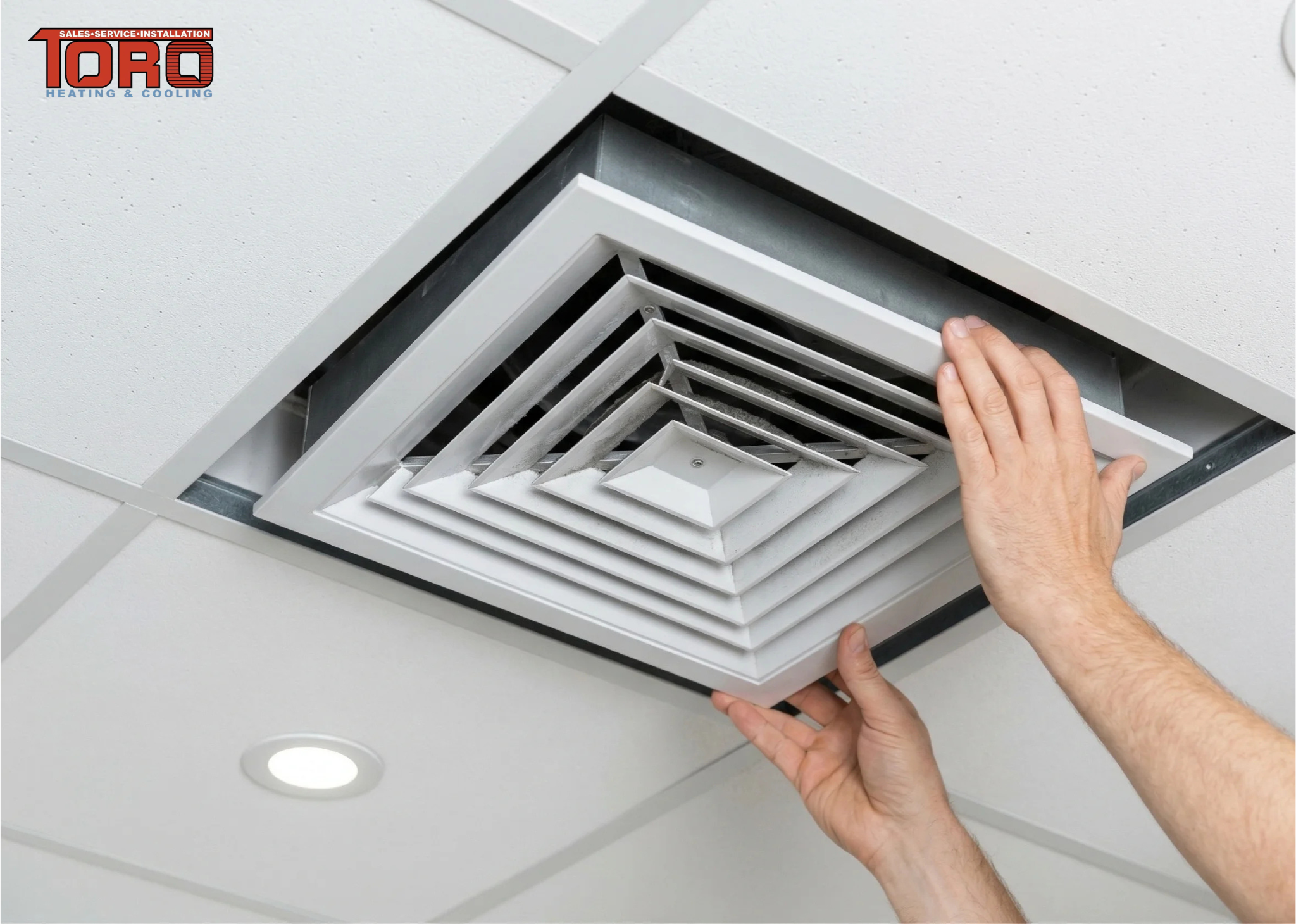
Stuff like furniture, rugs, and drapes can block air vents. When that happens, air can't flow freely through the house, and the system doesn't work as well. A blocked return vent, in particular, can mess up overall circulation because the unit can't pull enough air back for conditioning.
Take a walk through your home and check every vent and register. If a room still feels uncomfortable after clearing obvious obstructions, the issue might be deeper. In those cases, HVAC vent repair or a full airflow evaluation might be needed.
Leaky, disconnected, or undersized ducts
Ductwork issues are a major source of airflow loss. Air can escape through cracks, loose joints, or disconnected sections before reaching the intended room. Undersized ducts can also be problematic because they create too much resistance, making the blower work harder.
Proper duct design and sealing are crucial for balanced airflow. In buildings where ducts were modified over time or added without proper planning, airflow issues often become chronic. This is why professional duct installation and repairs are often the right answer when the problem is structural.
Equipment sizing and design issues
Even a well-maintained system can struggle if it wasn't sized correctly in the first place. Oversized systems may short cycle, leaving airflow and humidity control incomplete. Undersized systems can run constantly but still fail to move enough air to meet demand.
That's why correct load calculations and duct sizing are important during installation. A properly designed system is more likely to maintain balanced pressure, steady air delivery, and even comfort across the property. If you ever need a replacement, professional HVAC installation can make a long-term difference.
The Science Behind Static Pressure and Balanced Airflow
What static pressure tells you about the system
Static pressure is the resistance air faces as it moves through the HVAC system. When pressure is too high, the blower has to work harder, which can reduce efficiency and wear out parts faster.
Balanced airflow depends on keeping static pressure within the equipment's intended range. Too much resistance can cut airflow, while too little may indicate leaks or design issues. Technicians use pressure readings to find out if there's a problem with filtration, duct layout, or coil buildup.
How balanced airflow protects key components
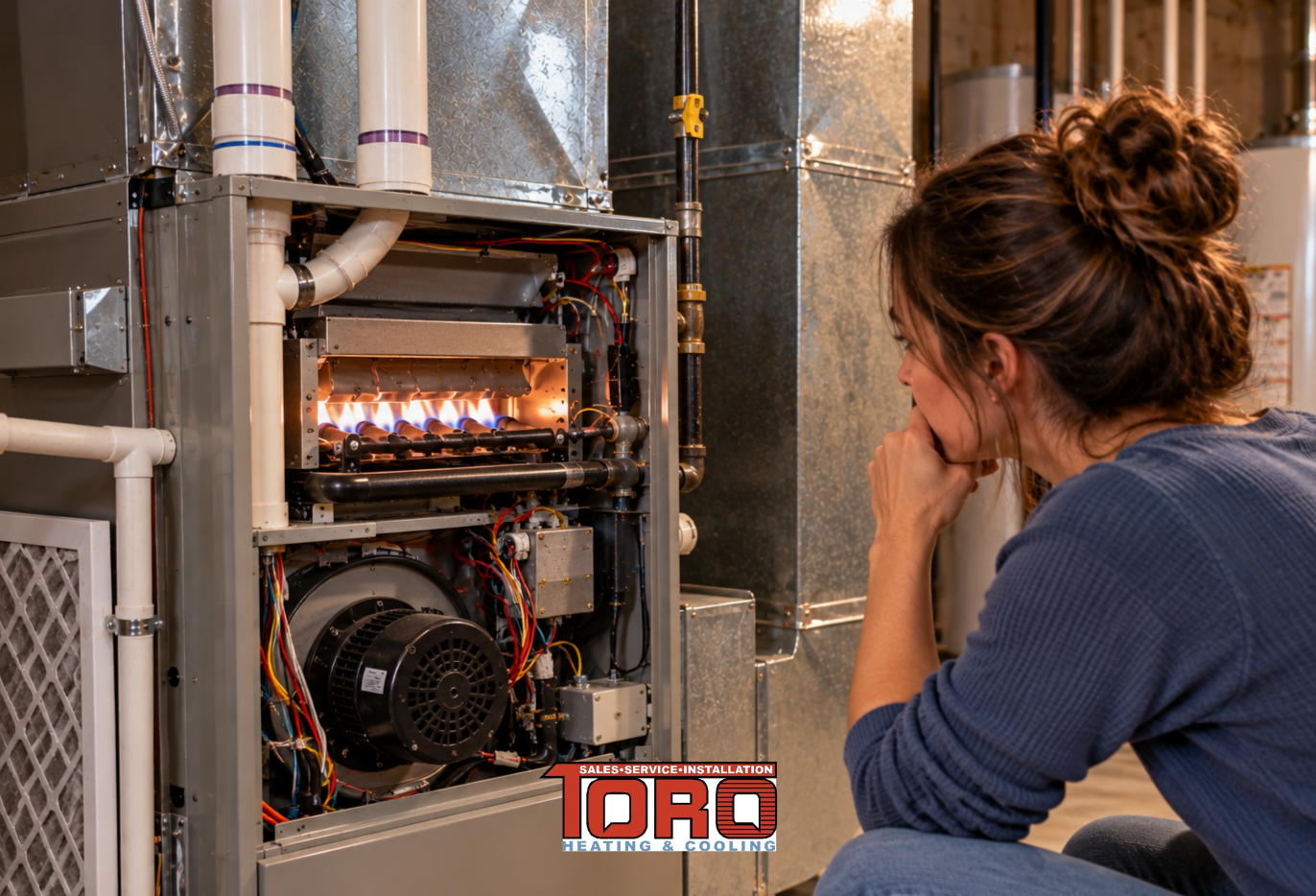
Airflow affects the evaporator coil, blower motor, compressor, and heat exchanger. If it's too low, a cooling coil may freeze, and a furnace may overheat. If airflow is uneven, some parts may cycle more often or operate under stress.
This is why airflow issues often show up as repeated service problems. A healthy airflow path helps keep temperatures in the right range and supports safer equipment performance. If your system is already stressed, HVAC repair can help.
Why smart controls matter in newer HVAC systems
Modern systems often have smart sensors, variable-speed fans, and automated dampers. These features can improve responsiveness, but only when airflow is managed well. A smart system can detect imbalances faster than older equipment, but it still needs good ductwork, clear vents, and healthy filters to work effectively.
Technology isn't a replacement for airflow basics. It helps technicians and owners see how the system is performing. When combined with preventive service, smart controls can help fine-tune airflow and save energy over time.
Maintenance Practices That Keep Airflow Strong
Replace filters on schedule.
Changing filters is one of the simplest ways to protect airflow. A clean filter lets the system breathe, reduces strain on the blower, and limits dust buildup. In many homes, filters should be checked monthly and replaced as needed.
If your home has pets, allergies, or heavy HVAC use, filters may need attention more often. Regular filter changes can prevent bigger problems like poor cooling and uneven heating. That's why many property owners choose maintenance instead of waiting for issues to appear.
Inspect and seal ducts.
Air moving through leaky ducts doesn't help your living space but still costs to produce. Sealing ducts reduces waste and gets conditioned air to rooms. It also keeps dust and contaminants out of the system.
Inspections should check for crushed ducts, disconnected joints, damaged insulation, and gaps. These problems can often be fixed before they cause bigger losses. Duct sealing is one of the best airflow improvements you can make.
Keep vents, coils, and blowers clean.
Dust doesn't just collect in filters. It builds up on vents, coils, and blower assemblies, narrowing air passages and reducing efficiency. Cleaning these parts helps airflow stay steady and supports a cleaner indoor environment.
For homes with noticeable dust or circulation issues, air duct cleaning may help, especially when buildup affects comfort and cleanliness. Coils impacted by dust may also need evaporator coil services to restore airflow.
Real-World Examples That Show Airflow in Action
Precision airflow in research and laboratory settings
Some of the best examples of airflow's importance come from labs where temperature and air movement must be controlled. At the University of Chicago’s Gordon Center, specialized airflow dispersion supports laser experiments with low-velocity, quiet delivery. This shows how airflow directly affects performance when conditions must remain stable. Read more in the University of Chicago case study.
While most homes aren't labs, the same principle applies: the more precisely air is delivered, the more consistent the outcome. When airflow is poorly controlled, temperatures vary, and comfort suffers.
Building-wide ventilation and public health
Ventilation assessments are common in large educational and commercial buildings. The University of Illinois at Chicago has done evaluations to align systems with ASHRAE standards and improve indoor air quality. This highlights that airflow isn't just about comfort; it's also about healthy ventilation. See the UIC ventilation assessment overview for a real-world example.
This matters for offices, retail spaces, and multifamily properties too. In dense buildings, airflow helps reduce stuffiness and improve occupant satisfaction. If your property has occupancy changes, commercial HVAC services can help.
Chicago climate and building demands
In a city like Chicago, airflow needs can get complicated due to seasonal extremes and older duct infrastructure. High-rise and mixed-use properties may need dedicated outdoor air strategies. Local code requirements influence how airflow should be designed and maintained.
For building owners and managers, airflow isn't a one-time setup. It's an ongoing issue that needs evaluation as the building changes. If you're planning a retrofit or equipment upgrade, new construction HVAC planning, or redesigned duct pathways might be needed.
Warning Signs That Your HVAC System Has an Airflow Problem
Uneven temperatures from room to room
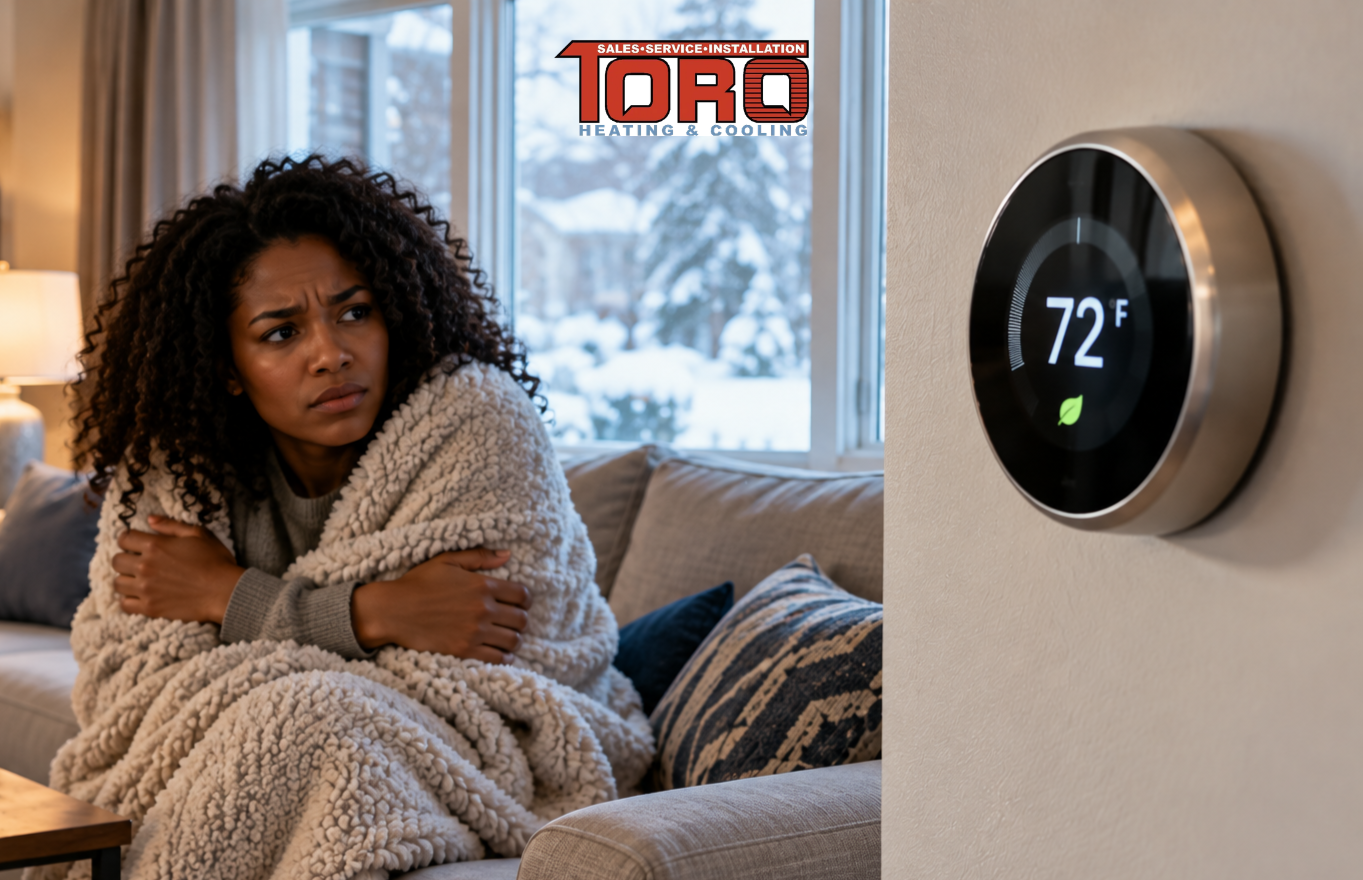
One common complaint is inconsistent comfort. A room near the air handler may feel fine while a farther room stays too warm or too cold. This often points to a distribution problem rather than just a thermostat issue.
If certain spaces are always uncomfortable, don't assume it's just an undersized unit. Airflow restrictions, poor balancing, or duct leaks might be limiting delivery. In these cases, a technician may need to inspect the duct layout, registers, and blower performance.
Higher utility bills without a clear reason
When airflow is compromised, the system runs longer to meet the same comfort level. This extra runtime increases energy use and can cause your bills to rise. Because the problem develops gradually, people sometimes assume the higher bill is just weather-related until other symptoms appear.
Tracking utility trends can help spot changes in system behavior. If your bills are rising while comfort slips, it's time to look at filters, vents, ductwork, and controls. Addressing the issue early can save money and prevent larger repair costs.
Noise, odors, or equipment shutdowns
Whistling, rattling, or booming sounds mean air is struggling to move through the system. Odors may linger when airflow is weak because stale air isn't being exchanged effectively. In severe cases, the system may shut down to prevent overheating or freezing.
These are signs you shouldn't ignore. They often mean the system is under stress and may need immediate service. If you notice repeated shutdowns or odd operation, central air repair or heating system repair may be necessary.
Best Practices for Contractors and Property Owners
Measure before you guess
Airflow should always be diagnosed with data, not guesses. Technicians use tools to measure static pressure, temperature split, and airflow to find where resistance or imbalance is happening. This approach prevents unnecessary part replacements and leads to more accurate repairs.
For contractors, airflow measurement should be standard during service calls about comfort complaints. For owners, asking if airflow readings were taken ensures the system is evaluated correctly. The most reliable fixes come from identifying the actual issue, not just treating symptoms.
Use preventive maintenance consistently.
Regular service catches small problems before they get expensive. Annual inspection is a good baseline, but systems with heavy use or frequent filter loading may need more attention. This is especially true in properties with pets, high occupancy, or seasonal demand.
Maintenance should include filter checks, duct inspection, blower cleaning, vent review, and thermostat verification. If your heating side also needs attention, heating system maintenance can keep winter airflow problems from affecting performance.
Match equipment design to real building conditions
Good airflow starts with thoughtful design. Duct sizes, equipment capacity, return air pathways, and vent placement all need to work together. In retrofit projects, it's important to account for changes in room use, insulation levels, and occupancy patterns.
When the design matches the building, the system can deliver balanced airflow without unnecessary pressure. If the original setup was rushed or outdated, a full redesign might be the best solution. Professional installation and duct planning can have a big impact on comfort and efficiency.
Frequently Asked Questions About HVAC Airflow
How often should I check airflow-related components?
At minimum, check these components once a year, ideally before peak heating or cooling season. Filters might need more frequent attention, especially in homes with pets, allergies, or high runtime. Seasonal checks catch issues before they become problems.
Can airflow problems damage my HVAC system?
Yes. Poor airflow can lead to overheating, frozen coils, blower strain, short cycling, and reduced equipment life. Over time, these conditions cause repeated failures and higher repair costs. Sometimes, unresolved airflow problems can shorten system lifespan by several years.
What is the fastest way to improve airflow at home?
Start by replacing a dirty filter, clearing blocked vents, and ensuring returns are unobstructed. These steps often lead to immediate improvements. If comfort issues persist, inspect ductwork, blower performance, and system sizing.
When should I call a professional?
If airflow is still weak after checking the basics, or if you notice odd noises, shutdowns, or room-to-room differences, call a technician. Professional testing can identify pressure loss, duct leakage, or equipment issues that aren't visible. For reliable help, schedule service through residential HVAC services.
Conclusion: Treat Airflow as a Core Part of HVAC Health
Good airflow isn't a minor detail; it's central to HVAC performance. It affects efficiency, comfort, indoor air quality, and equipment longevity. When airflow is strong and balanced, your system works with less strain and better results.
Many airflow problems can be prevented or fixed with the right maintenance and service plan. Clean filters, sealed ducts, clear vents, accurate system sizing, and regular inspections help keep the system healthy. If your HVAC system is showing signs of poor circulation, Toro Heating & Cooling can help you identify the cause and restore reliable performance through targeted maintenance, repair, or installation support.
Ready to improve comfort and efficiency? Explore our HVAC system maintenance and air duct cleaning services, or contact Toro Heating & Cooling to schedule a professional airflow evaluation today.