Why HVAC Filter Replacement Deserves More Attention
Most folks only think about their HVAC filter when something's wrong, but that little part is more important than you might think. A clean filter helps your system move air more efficiently, keeps vital parts free from dust, and makes for healthier indoor air. When it's clogged, your equipment works harder, you might see higher energy bills, and the air quality can drop.
Changing your filter regularly is a simple way to keep your comfort and wallet in check. It also keeps your heating and cooling gear running smoother for longer, meaning fewer surprise breakdowns when weather gets extreme. If your home needs more than just filter care, services like HVAC system maintenance and air duct cleaning can help ensure better indoor comfort. For more on how HVAC systems affect performance, the U.S. Department of Energy offers guidance on home efficiency and airflow management.
At Toro Heating & Cooling, we often see what happens when filters are neglected: weak airflow, uneven temperatures, and systems that run non-stop without meeting the set temperatures. The good news? Prevention is straightforward. With the right replacement schedule and a little system care, your home can be cleaner, healthier, and more efficient.
What an HVAC Filter Actually Does
Captures dust, pollen, and airborne particles
An HVAC filter traps particles before they spread through your home or build up in the equipment. This includes dust, pet dander, lint, and pollen. In many homes, the filter is the first defense for indoor air quality, especially when windows stay shut during heating and cooling seasons.
When particles pass through the filter, not settling inside the system, your blower motor, evaporator coil, and ductwork stay cleaner longer. That matters because buildup on these parts can reduce efficiency and create maintenance headaches. If your system's showing airflow issues, filter replacement and maintenance is often the quickest fix.
Protects equipment from wear and tear
Your HVAC system is a machine with moving parts, and clean air is important for all of them. A dirty filter can restrict airflow, causing the system to overheat or short cycle. This extra stress might not show up right away but can slowly cut the unit’s lifespan.
Think of the filter as a low-cost insurance policy for expensive gear. Replacing it regularly is way cheaper than fixing a damaged blower motor or a fouled evaporator coil. In homes where comfort issues persist, HVAC repair might be needed, but regular filter changes can reduce repair frequency.
How Dirty Filters Affect Comfort and Indoor Air Quality
Reduced airflow leads to uneven temperatures
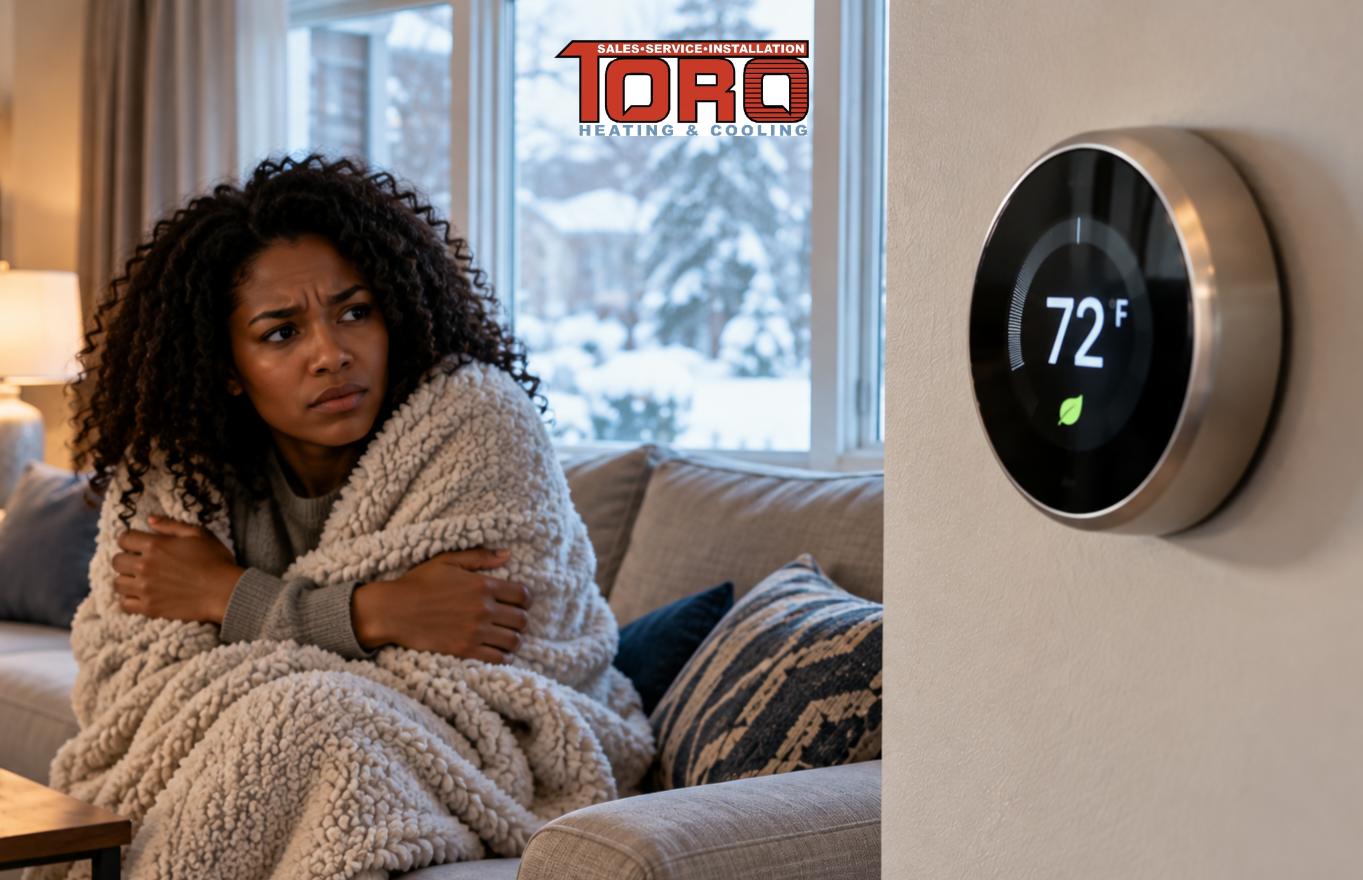
A common issue with clogged filters is poor airflow. If air can’t move freely, some rooms might feel too warm or too cold, even when the thermostat is set correctly. This imbalance makes the home feel less comfortable.
Reduced airflow also forces the HVAC system to run longer to reach the desired temperature, adding wear on components and increasing energy use. If rooms still feel off after a filter change, a deeper issue might be at play, and services like HVAC duct repair or thermostat services may help restore balance.
Indoor pollutants can circulate more easily
Indoor air quality is a big deal, especially in tightly sealed homes where airborne particles have fewer escape routes. The Environmental Protection Agency notes that indoor air can sometimes be more polluted than outdoor air, depending on the source and the home environment. You can learn more from the EPA indoor air quality resource.
A clean HVAC filter helps remove pollutants before they recirculate. This is especially helpful for homes with pets, allergies, or frequent dust buildup. For homes needing a more complete air solution, options like air cleaners and humidifiers can work alongside regular filter replacement to improve comfort.
How Often Should You Replace Your HVAC Filter?
General replacement timelines
There's no one-size-fits-all schedule, but many filters should be swapped every 30 to 90 days. Homes with pets, smokers, or allergy sufferers often need more frequent changes. If you use a thicker pleated filter or a specialty filter, the timeline may vary based on the system and household conditions.
The best rule is not to wait until the filter looks filthy. By then, airflow might already be affected. A simple monthly reminder can help you stay ahead of problems. During routine heating system maintenance or A/C system maintenance, a technician can verify whether your current replacement schedule makes sense.
Factors that change the schedule
Several things can shorten a filter's life. Pets shed hair and dander, remodeling adds dust, and busy households generate more airborne debris. Seasonal changes matter, too, because heating and cooling systems work harder during peak weather, pulling more air through the filter.
Another factor is filter type. A basic fiberglass filter may clog quickly, while a higher-quality pleated filter can last longer and capture smaller particles. If your system needs a more tailored approach, thermostat installation and professional HVAC evaluation can help ensure the entire system is working efficiently rather than fighting against a clogged filter.
Signs Your HVAC Filter Needs to Be Changed Now
Visible dirt and discoloration
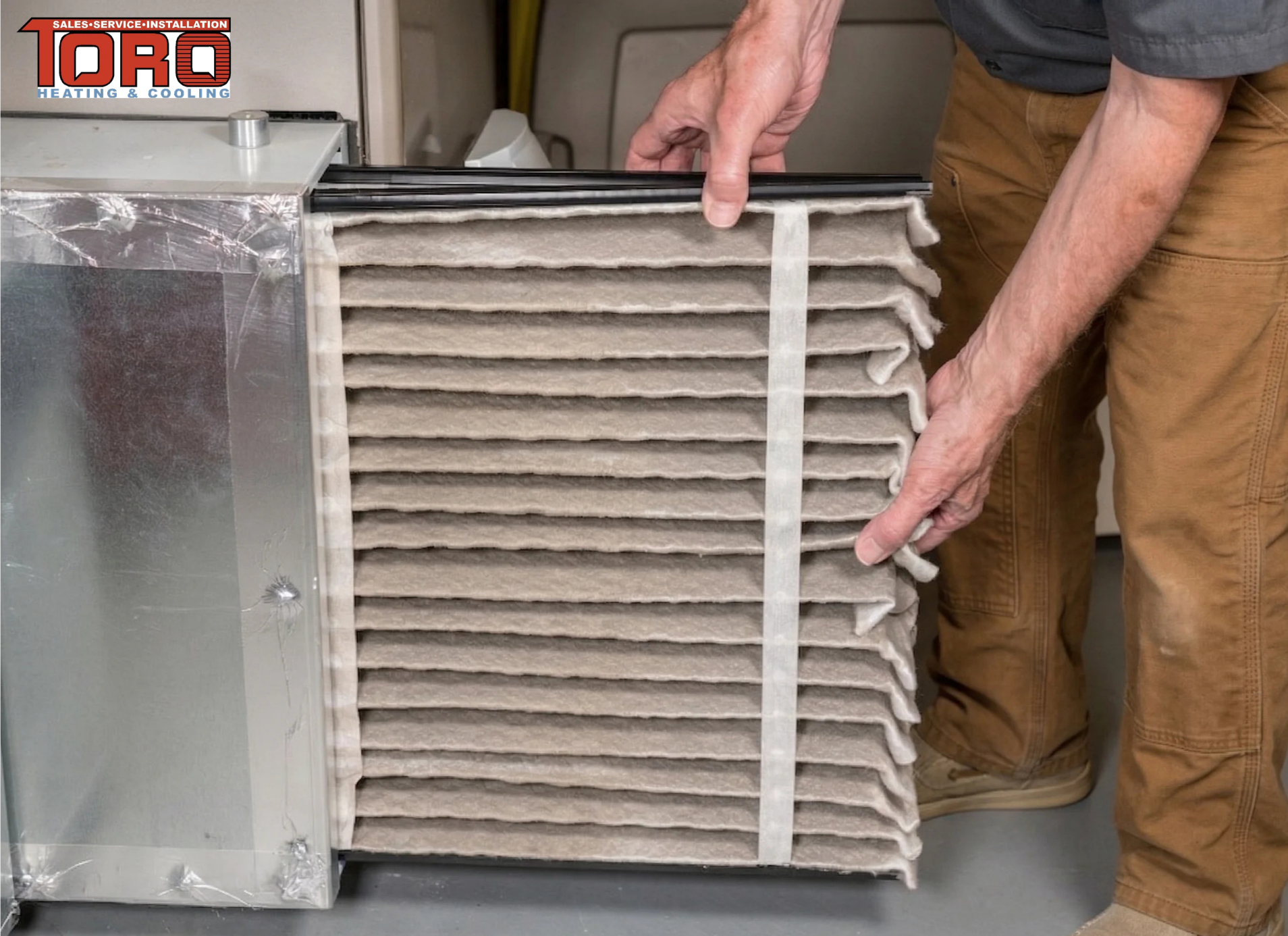
The easiest sign is often right in front of you. If the filter looks gray, dusty, or loaded with debris, it's probably past its prime. Even if it's not completely blocked, a dirty filter might already be restricting the system enough to affect comfort.
It's smart to check your filter more often during high-use seasons. A quick look every month can prevent bigger issues later. If you notice repeated clogging despite regular replacement, there might be a larger airflow issue requiring ventilation system services or duct inspection.
More dust, weaker airflow, and unusual system behavior
When a filter gets blocked, dust might settle faster on furniture because the system's not capturing particles as effectively. You might also notice weak air from supply vents, longer run times, or the system cycling more frequently. These symptoms often appear before a full breakdown.
If your equipment starts making unusual noises or struggles to meet the thermostat setting, don't assume the filter is the only issue. It might be part of a bigger performance problem. In those cases, a service visit for furnace repair or central air repair may be the right step after replacing the filter.
The Energy Efficiency Benefits of Clean Filters
Lower strain means better performance
One clear benefit of filter replacement is improved efficiency. When airflow is unrestricted, your HVAC system can move air with less effort. That can reduce runtime, limit unnecessary strain on the blower, and help the home reach the set temperature more quickly.
Efficiency matters because HVAC systems often account for a large share of household energy use. Even small restrictions can add up over time, especially during long heating or cooling seasons. If your system seems inefficient after a filter change, consider whether HVAC installation or equipment upgrades might be more cost-effective than ongoing repairs.
Cleaner components help the whole system work better
A clean filter supports other parts of the HVAC system. Less dust reaching the coil means better heat transfer. Less debris in the blower assembly means smoother operation. Over time, these improvements can reduce the chance of breakdowns and make maintenance more predictable.
According to the American Society of Heating, Refrigerating and Air-Conditioning Engineers, indoor environmental quality and system performance go hand in hand. So, filter care shouldn't be an afterthought. It's part of the overall strategy for keeping your system efficient, reliable, and healthy.
Choosing the Right Filter for Your Home
Understand filter sizes and ratings
Choosing the right filter starts with the correct size. A filter that's too small will let air bypass the edges, while one that's too large won't fit right. You should also understand the MERV rating, which tells you how well the filter captures particles. Higher ratings often capture smaller particles, but they might also reduce airflow if the system isn't designed for them.
This is why the "best" filter isn't always the one with the highest rating. The right choice depends on your equipment, household needs, and airflow requirements. If you're unsure, a technician providing residential HVAC services can help match the filter to the system instead of guessing.
Balance filtration with system compatibility
Homes with allergies or pets might benefit from better filtration, but pushing too high on filtration without confirming compatibility can create performance problems. That's why it helps to think in terms of balance. A filter should protect indoor air and equipment without making the HVAC system struggle.
In some cases, homeowners might benefit from additional solutions like electronic air cleaner service or UV support. These options can complement a well-maintained filter system, especially in homes where dust or odor control is a recurring concern.
Practical Tips for Staying on Schedule
Create a filter replacement routine
The easiest way to stay consistent is to tie filter changes to something you already do. Many folks replace filters at the start of each month or on the first day of every season. Others set phone reminders or keep spare filters near the furnace so they're ready when needed.
If multiple people live in the home, post the schedule where everyone can see it. The goal is to make replacement automatic instead of reactive. During a broader maintenance plan, like HVAC system maintenance, your technician can reinforce the schedule and catch issues before they become expensive.
Check the filter during peak usage periods
Summer and winter are the most important times to check your filter because the system runs more often. A filter that lasted three months in spring might get dirty much faster during a heatwave or cold snap. That's normal, and it's one more reason to inspect rather than assume.
Peak usage is also when airflow restrictions become most noticeable. If you're getting ready for seasonal weather, it might be smart to pair a filter check with heating system maintenance or A/C system maintenance. That way, you know the equipment is ready before the temperature becomes extreme.
Real-World Problems That Start With a Dirty Filter
Short cycling and overheating
One common issue with a dirty filter is short cycling. Here, the HVAC system turns on and off too often because it can't move enough air to operate normally. The equipment may overheat, shut down, and restart repeatedly, causing wear and frustration.
This can happen with both heating and cooling systems. A homeowner might think the thermostat is the problem, but the root cause is often poor airflow. If the problem continues after a new filter is installed, professional heat pump repair or related system diagnosis might be necessary.
Frozen coils and reduced cooling
In cooling season, restricted airflow can contribute to a frozen evaporator coil. When airflow drops, the coil temperature can fall too low, causing moisture to freeze instead of drain properly. Once that happens, the system may stop cooling effectively and might eventually shut down to protect itself.
Frozen coils are not just inconvenient; they can signal a bigger issue in the system. A dirty filter is often the first thing to check, but if the problem repeats, it may point to refrigerant issues, duct problems, or a need for evaporator coil services.
When to Call a Professional Instead of DIY
Repeated filter clogging or airflow problems
Changing a filter is simple, but repeated clogging can mean the system needs expert attention. If your filter gets dirty unusually fast, there might be a duct leak, blower issue, or ventilation problem making the system work harder than it should. That's where professional diagnosis becomes valuable.
Technicians can identify whether the issue is isolated or part of a broader comfort problem. They can also recommend the right service path, whether that means duct repair, ventilation improvements, or equipment cleaning. In some situations, HVAC duct installation might be the long-term solution for airflow problems that filters alone can't fix.
Ongoing dust, odors, or humidity concerns
If the home still feels dusty or uncomfortable after regular filter replacement, the system might need more than routine care. Excess moisture, stale air, and persistent odors can point to ventilation limitations or indoor air quality issues that require a more complete response. Filters help, but they're only part of the picture.
This is where professional recommendations matter. Depending on the home, a technician may suggest UV lamp installation, additional filtration, or a full indoor air evaluation. The right solution depends on how the home is used and what the HVAC system is doing well—or not doing well.
FAQs About HVAC Filter Replacement
Does a higher-rated filter always work better?
Not always. A higher-rated filter can capture smaller particles, but if it restricts airflow too much for your system, it might reduce performance. The best filter is one that protects indoor air while remaining compatible with the equipment.
Can I wash and reuse my HVAC filter?
Some filters are reusable, but most standard residential filters are meant to be replaced. If you're unsure, check the manufacturer’s instructions. Using a filter incorrectly can reduce efficiency and allow more contaminants into the system.
Will replacing the filter lower my energy bill?
It can help, especially if the old filter was heavily clogged. A clean filter reduces strain on the system and supports better airflow, which can improve efficiency. Savings vary by home, system age, and usage patterns.
What if my filter looks clean, but it has been months?
Even filters that don't look dirty can lose effectiveness over time. Dust collects deep inside the filter media, not just on the surface. That's why replacement schedules matter even when the filter doesn't look dirty at a glance.
Keep Your Air Cleaner and Your System Strong
Regular HVAC filter replacement is one of the easiest habits a homeowner can build, but it delivers big benefits. It supports cleaner indoor air, steadier temperatures, better energy use, and longer equipment life. It also helps prevent some common comfort complaints before they become costly repairs.
If you want your HVAC system to perform at its best, don’t treat the filter like a minor detail. Pair consistent replacement with scheduled maintenance, airflow checks, and professional support when needed. Toro Heating & Cooling is here to help with filter care, inspections, repairs, and system service that keeps your home comfortable in every season. If you're ready to improve your indoor air and protect your equipment, contact us today to schedule service with our trusted team.