Cold Spots Around Your Home? Your Heating System Might Need Professional Attention
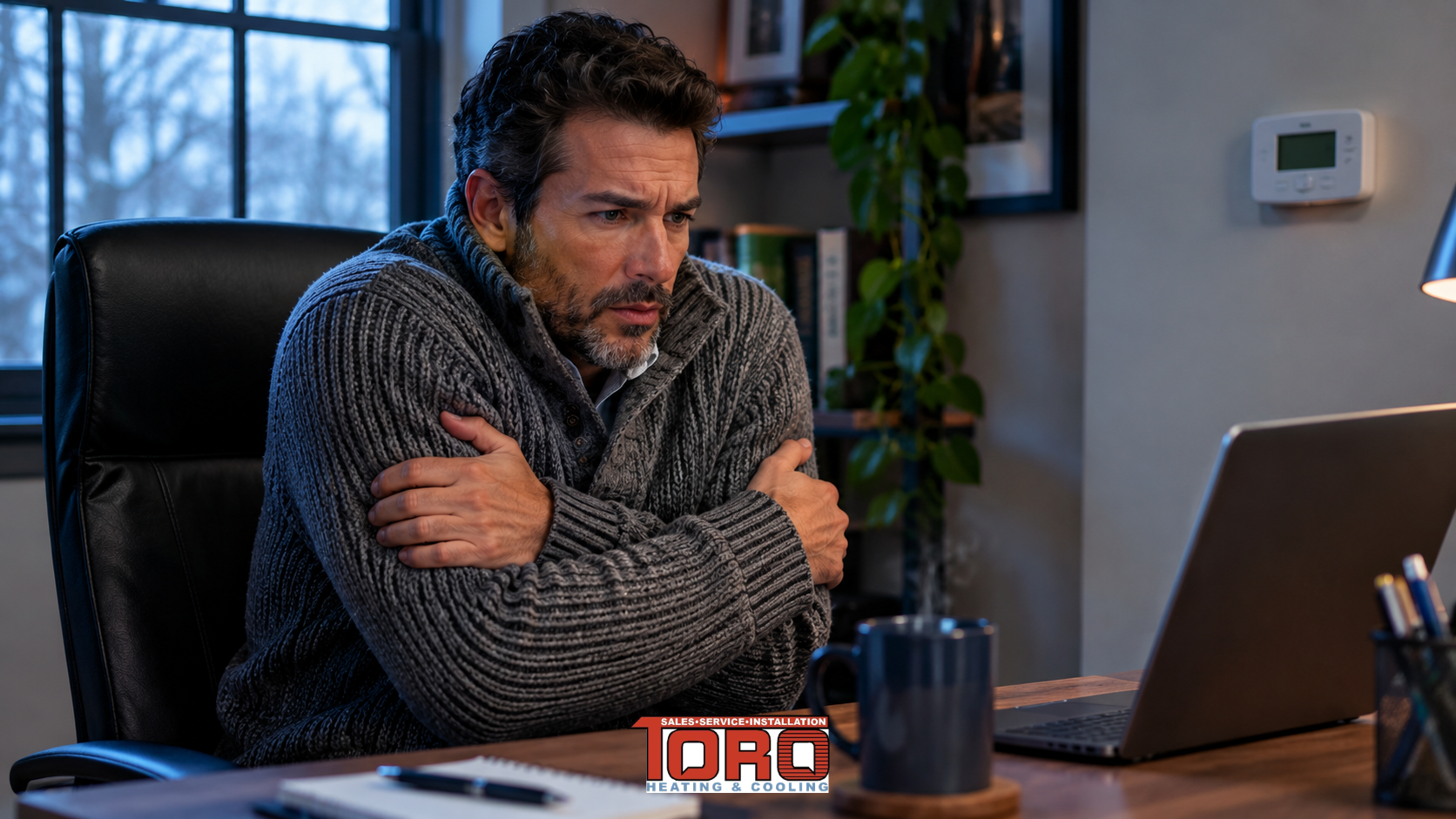
Feeling cold spots at home is more than just a little annoying. They often mean your heating system isn't spreading warm air evenly. This can cause higher energy bills, wear out your equipment faster, and leave some rooms feeling less cozy. If a bedroom stays chilly or the living room is drafty, it might be time to check your HVAC system instead of blaming the weather.
Temperature imbalance often starts small but can grow into a bigger issue. Things like a dirty filter, a faulty thermostat, leaky ductwork, or a furnace that's not at its best can all lead to uneven heating. That's why having a professional check things out, and doing some heating system repair or maintenance, can prevent bigger problems.
This guide will explain why cold spots happen, what you can check yourself, and when to call in the pros. It also includes tips to improve airflow, protect your equipment, and keep your home warm all season.
For more on indoor comfort and heating efficiency, check out the U.S. Department of Energy's info on home heating and cooling systems. Learning the basics can help you spot when your system needs a check-up and why getting a professional diagnosis is worth it.
Why Cold Spots Happen in the First Place
Uneven Airflow is a Common Culprit
Warm air needs to flow well through your home for each room to feel comfy. When airflow is blocked, some rooms get less warm air, leading to noticeable temperature differences. This can happen if supply vents are blocked by furniture, return vents are too small, or ductwork is damaged. Even minor obstructions can mess with airflow in your home.
Many people think a cold room means the furnace isn't strong enough, but it's often a distribution problem. If the blower can't push enough air through, or if ducts leak air into attics or crawl spaces, some rooms will always feel cooler. Improving airflow is usually more effective than just cranking up the thermostat.
Poor Insulation and Air Leaks Make Things Worse
Heating systems don't work alone. If a room has thin insulation, drafty windows, or gaps around doors, warm air escapes quickly. The system might be heating well, but the room can't keep the warmth in. Cold spots from poor insulation are common in older homes, additions, and rooms with lots of exterior walls.
Sealing leaks and improving insulation can help a lot, but these fixes work best if the heating system is also running properly. If your system isn't performing well, the combination of heat loss and poor output can make some rooms feel colder than they should. It's best to consider the whole home, not just the furnace.
The Thermostat Might Not Tell the Whole Story
A thermostat only measures temperature where it is, not throughout the house. If it's near a heat source or in a spot with different airflow, it might give a misleading reading. In these cases, the system might shut off before cooler rooms are heated properly.
Modern controls can help, but they need to be installed and set up correctly. If you suspect thermostat issues, thermostat services or repair can ensure it's reading accurately and working well with your heating equipment.
Warning Signs Your Heating System Needs Professional Attention
Rooms Heat Unevenly Even When the System Runs Constantly
If the furnace runs non-stop but some rooms stay cool, your system might be working too hard without providing even comfort. This often points to airflow restrictions, duct leaks, a failing blower, or system sizing issues. When a unit runs longer to make up for poor airflow, it uses more energy and wears out faster.
One consistently cold room might be manageable, but if multiple areas have issues, it suggests a bigger system problem. If room temperatures vary a lot after checking vents and filters, it's time for an inspection. A technician can find out if the issue is mechanical, duct-related, or about system controls.
Unusual Noises, Smells, or Weak Vents
Sounds and airflow often hint at problems. Rattling, whistling, or banging noises might mean loose components or duct pressure issues. A dusty smell or visible dust around vents could indicate a buildup inside ducts or dirty components affecting performance. Weak airflow at registers is key because it means conditioned air isn't reaching rooms as intended.
If these symptoms show up together, the problem might be more than simple maintenance. An HVAC contractor can check the blower, ductwork, and filtration system to see what's going wrong. If needed, services like air duct cleaning or duct repair can help improve airflow and comfort.
Rising Energy Bills Without Better Comfort
When a heating system struggles, it often runs longer and cycles more frequently. This extra runtime can increase energy costs even if the home doesn't feel warmer. If your bills are climbing and comfort isn't improving, it's a sign your equipment isn't efficient.
The U.S. Environmental Protection Agency says improving HVAC efficiency can cut energy waste and help systems work more reliably. A professional assessment can determine whether maintenance, repair, or replacement is the best fix.
Simple Checks Homeowners Can Do Before Calling
Ensure Vents and Returns Are Open and Unblocked
Start with the easiest fix. Walk through your cold rooms and make sure supply vents are open and not blocked by rugs, furniture, or curtains. Also check return vents, as blocked returns reduce the system's ability to pull air back in and circulate it. This simple check can reveal problems that are easy to miss in daily life.
If rooms are still cold after you ensure vents are open, don't just keep turning up the thermostat. Document which rooms are affected and when the problem is worst so you can share these details during a service visit.
Replace a Dirty Air Filter
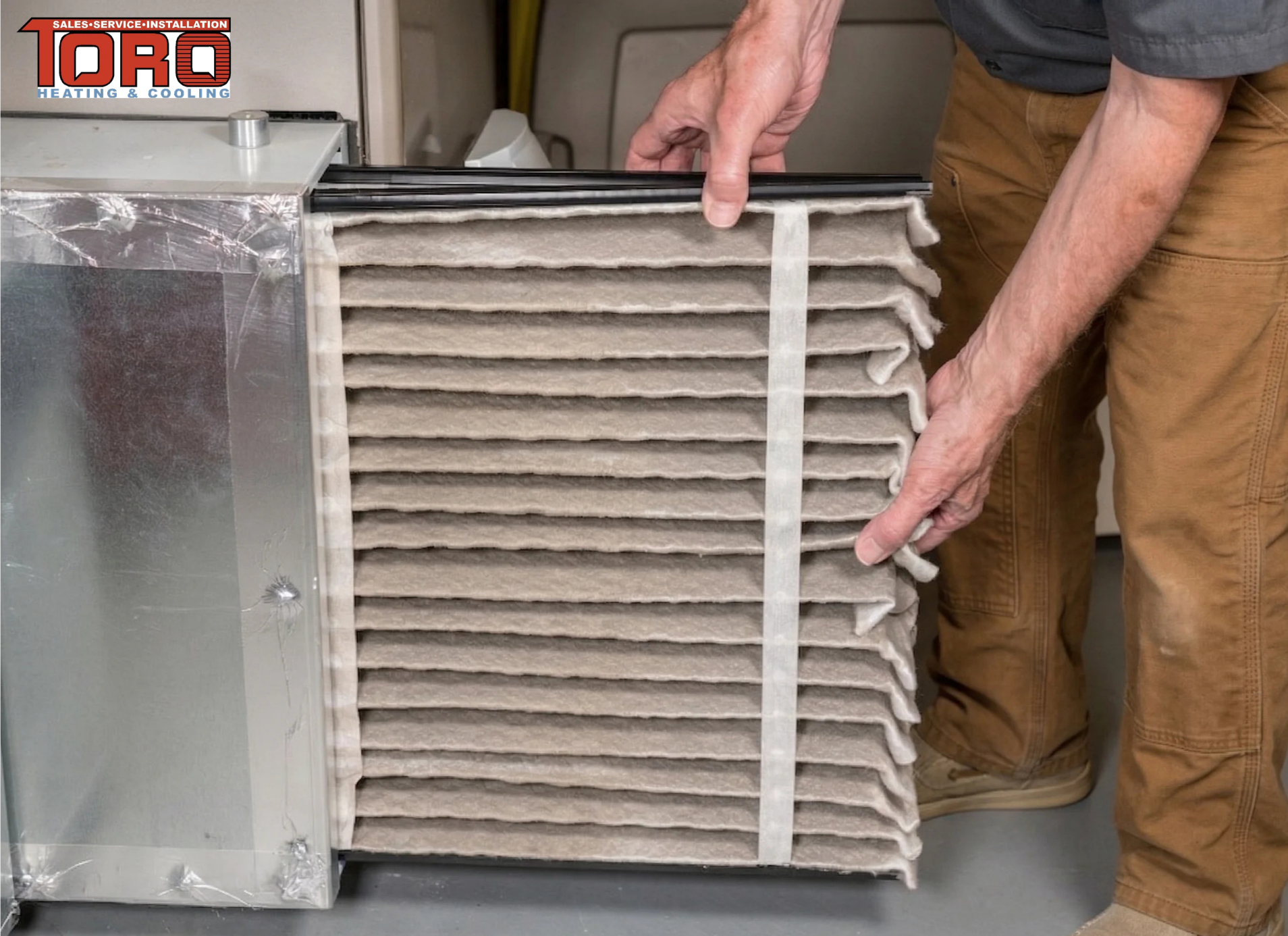
A clogged filter is a quick way to reduce airflow and create uneven temperatures. When a filter is packed with dust, the system works harder to move air. This can lead to weak airflow, cold rooms, and strain on the furnace.
If you're not sure if the filter is the issue, check it and replace it if it looks dirty. Routine filter replacement and maintenance helps improve heating performance and indoor air quality. It's also one of the most affordable preventive steps you can take.
Review Thermostat Settings and Fan Mode
Sometimes comfort issues come down to settings rather than equipment failure. Make sure the thermostat is set to heat, the target temperature is right, and the fan setting suits the season. If the fan is set to "on" instead of "auto," it might circulate unconditioned air between heating cycles, making spaces feel drafty.
Smart thermostats can help with scheduling and temperature monitoring, but they need proper setup. If your thermostat is old or poorly located, a professional might suggest a better control solution to improve comfort and efficiency without major changes.
How Professional Heating Service Solves Cold Spots
Technicians Diagnose the Root Cause, Not Just the Symptom
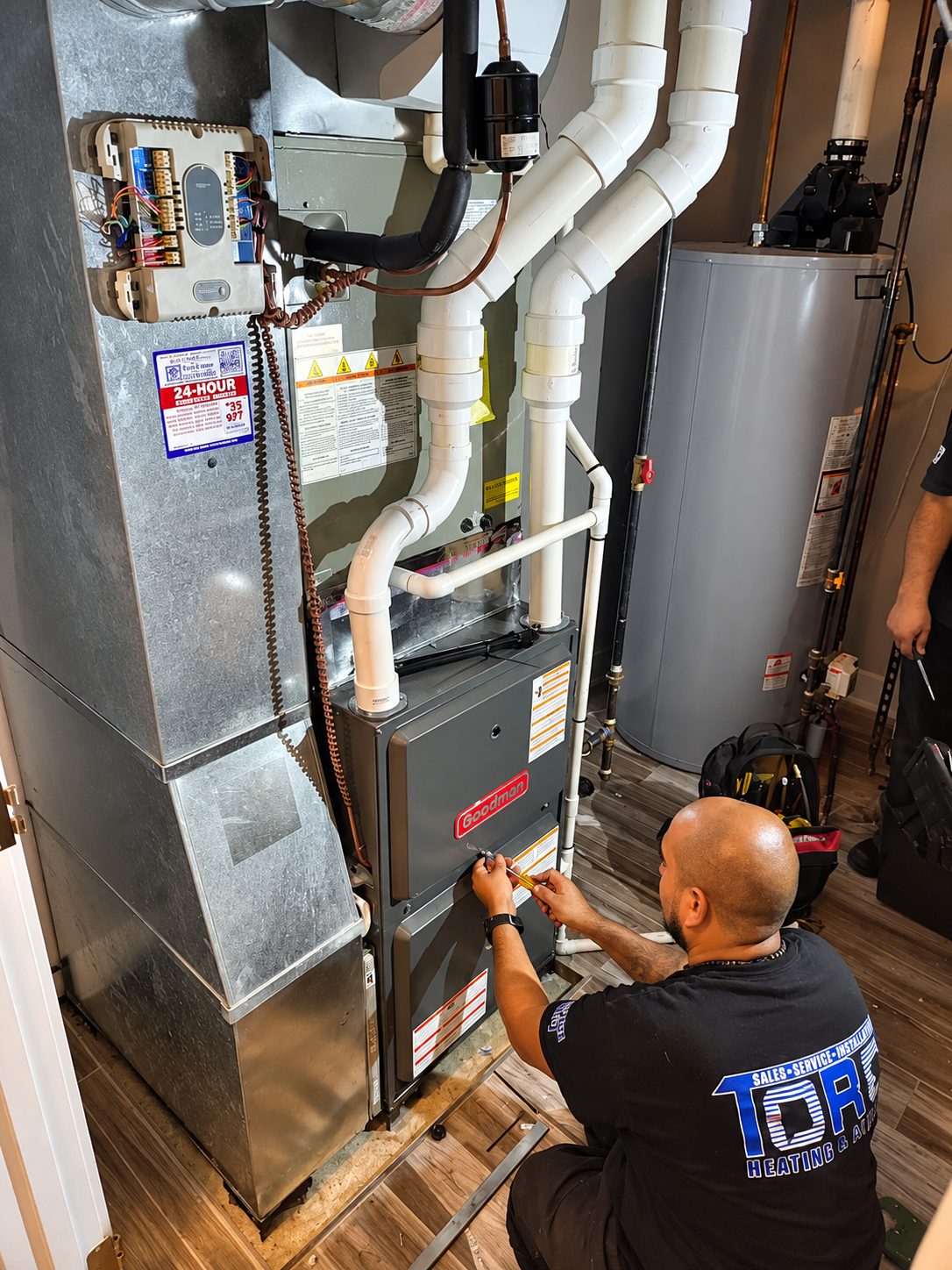
The biggest perk of professional service is accurate diagnosis. A skilled technician does more than just check the furnace. They look at airflow, inspect duct connections, measure temperature differences, test safety controls, and check for signs of wear. This thorough approach is how recurring cold spots get solved.
Often, the fix is a mix of solutions rather than one repair. For example, a dirty blower, a weak motor, and leaky ducts can all cause the same comfort problem. Addressing just one might help temporarily, but a full evaluation gives a lasting result.
Repair and Maintenance Often Work Together
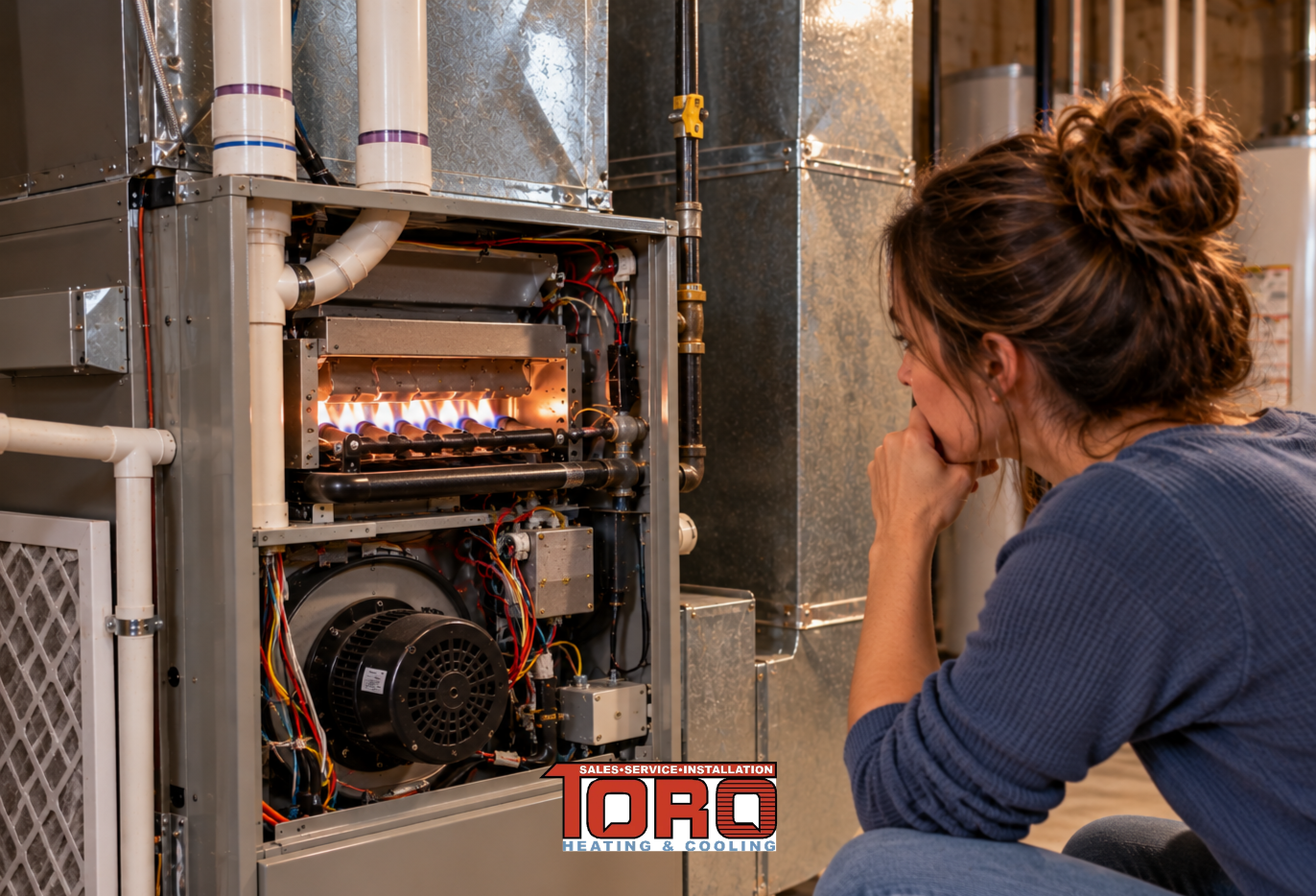
Some systems need immediate repair, while others mainly need cleaning, calibration, and preventive service. If your furnace struggles due to wear, a technician might recommend furnace repair to restore output and safety. If the system is sound, routine upkeep might be enough to improve performance and prevent future problems.
That's why heating system maintenance is valuable. A maintenance visit can uncover issues before they turn into cold spots, shutdowns, or costly emergency calls. It's also a good time to verify combustion safety, inspect the blower, and confirm even heating across the home.
Ductwork and Ventilation Might Need Attention Too
Sometimes the furnace isn't the real issue. Ductwork that's undersized, disconnected, or poorly sealed can cause major temperature differences. In some homes, duct sealing or reconfiguration is the best solution. Good ventilation design matters because stale or imbalanced airflow can make rooms feel colder than they should.
For homes with ongoing airflow issues, professional ventilation system services can balance fresh air delivery and boost comfort. When ducts are poorly designed or damaged, the system might never heat evenly, no matter how well the furnace works.
When Repair Is Enough and When Replacement Makes More Sense
Repair May Be Right for Newer Systems
If your heating system is fairly new and well-maintained, repair is often best. A faulty sensor, blower, ignition, or thermostat issue can usually be fixed without replacing the unit. When the system is in good shape otherwise, targeted service can restore comfort at a lower cost than replacement.
Consider the system's age, repair cost, and frequency of problems. If it's just cold spots and the rest is solid, a focused repair might solve it efficiently. A reputable technician will explain the pros and cons so you can decide.
Replacement May Be Better for Older, Inefficient Systems
If the furnace is old, breaks down often, or can't heat evenly even after repairs, replacement might be a smarter investment. Older equipment loses efficiency, and once major parts fail, repair costs add up. A new system can improve comfort and reduce temperature swings.
If you're thinking about a bigger upgrade, consider options like furnace installation or HVAC installation. A modern system with sealed ducts and accurate controls can make a big difference, especially in homes that never heated evenly before.
Other Heating Solutions Can Improve Balance
Not every home needs the same type of heating equipment. Sometimes a heat pump or boiler is a better fit for the layout, infrastructure, or energy goals. Homes with hydronic systems might benefit from boiler repair or installation, while those seeking efficient year-round comfort can consider heat pump repair or installation.
The right solution depends on the home's build and current system performance. A professional assessment helps match the equipment to the comfort problem, rather than trying a one-size-fits-all approach.
Preventive Habits That Reduce Cold Spots
Schedule Seasonal Maintenance Before Winter Gets Severe
Preventive care is one of the best ways to avoid uneven heating. A seasonal tune-up lets a technician clean key parts, check safety, and catch small issues before they affect comfort. When a system is maintained, it's more likely to provide consistent airflow and stable temperatures.
Seasonal service also helps a technician spot early warning signs like worn belts, electrical issues, dirty burners, or airflow restrictions. Addressing these early can reduce the chance of a winter emergency. For many homes, maintenance is the best way to protect comfort and equipment lifespan.
Keep an Eye on Indoor Air Quality and Humidity
Dry air can make a room feel colder, even if the temperature is within range. Humidity levels affect how warm the indoor environment feels, and poor humidity control can worsen comfort issues. In some homes, adding or servicing a humidification component can improve warmth without changing the thermostat setting.
If indoor air quality is a concern, services like air cleaners and humidifiers can support a healthier and more comfortable home. Better filtration and balanced humidity often make heating systems feel more effective because the air is cleaner and steadier.
Don't Ignore Small Performance Changes
Many big heating problems start as subtle changes. A room that used to warm up quickly but now lags, a vent that feels weaker, or a furnace that cycles more often can all signal trouble. Keeping track of these helps you act before it affects the whole house.
Pay attention to recurring patterns. If the same room is always colder during windy weather, after overnight temperature drops, or when multiple appliances run, these clues help a technician find the cause. Documentation makes service faster and more effective.
Frequently Asked Questions About Cold Spots and Heating Problems
Why Is One Room Colder Than the Rest of My House?
One room might be colder due to blocked vents, poor insulation, leaky ducts, thermostat placement, or a heating system not distributing air evenly. Often, it's a combination of factors. A professional inspection can determine if the problem is mechanical, structural, or about airflow balance.
Can a Dirty Filter Really Cause Cold Spots?
Yes, a dirty filter reduces airflow, making some rooms get less heat. It also strains the system and can cause longer run times. Replacing the filter is one of the easiest first steps when dealing with uneven heating.
Should I Close Vents in Warmer Rooms to Force Heat Elsewhere?
Usually, no. Closing vents can increase duct system pressure and create new problems. It might not fix the cold room and can reduce system efficiency. It's better to address the underlying airflow or duct issue.
When Should I Call a Professional?
If cold spots persist after basic checks, if you hear unusual noises, if airflow is weak, or if energy bills rise without a clear reason, it's time to schedule service. A professional can find the root cause and recommend the right fix.
Conclusion: Restore Comfort Before Cold Spots Become Bigger Problems
Cold spots often warn that your heating system needs attention. They might point to airflow issues, duct problems, thermostat issues, or struggling equipment. The good news is that most of these can be diagnosed and fixed with maintenance, repair, and system checks.
If your Chicago home shows signs of uneven heating, don't wait for the coldest day to act. A professional inspection can help you understand what's happening, what fixes will work best, and whether repair, maintenance, or a replacement plan is needed. Often, a small improvement now can prevent a bigger breakdown later.
For reliable help, explore our residential HVAC services or reach out to Toro Heating & Cooling for expert support tailored to your home. Whether you need a tune-up, targeted repair, or a system upgrade, the goal is the same: better comfort, more consistent heat, and fewer cold spots in every room.
To learn more or schedule service, contact Toro Heating & Cooling at (773) 202-9933 or visit us at 4238 N Cicero Ave, Chicago, IL 60641. When your home feels uneven, professional attention is the quickest way back to reliable comfort.