Why Some Rooms Feel Too Hot or Too Cold
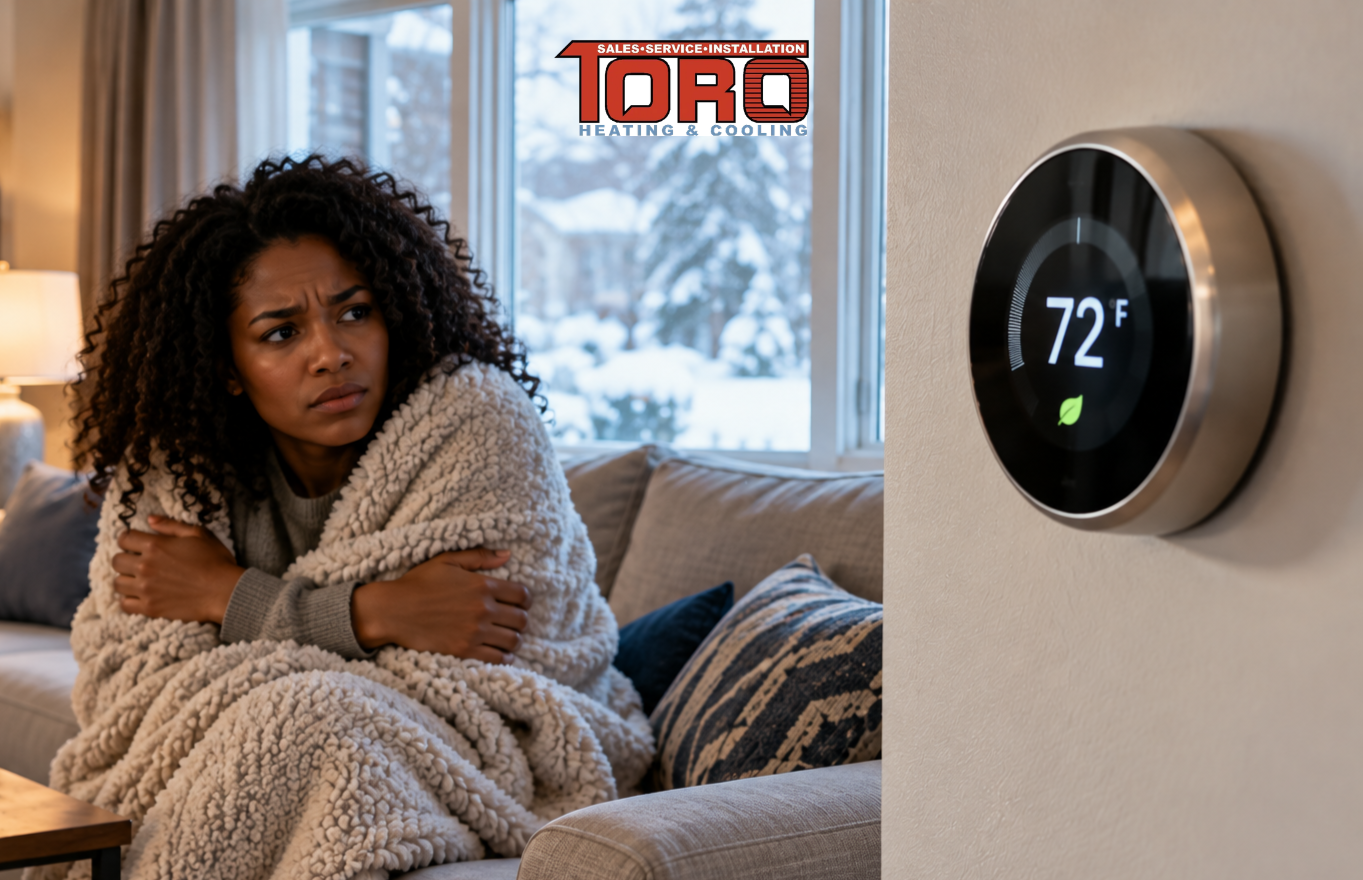
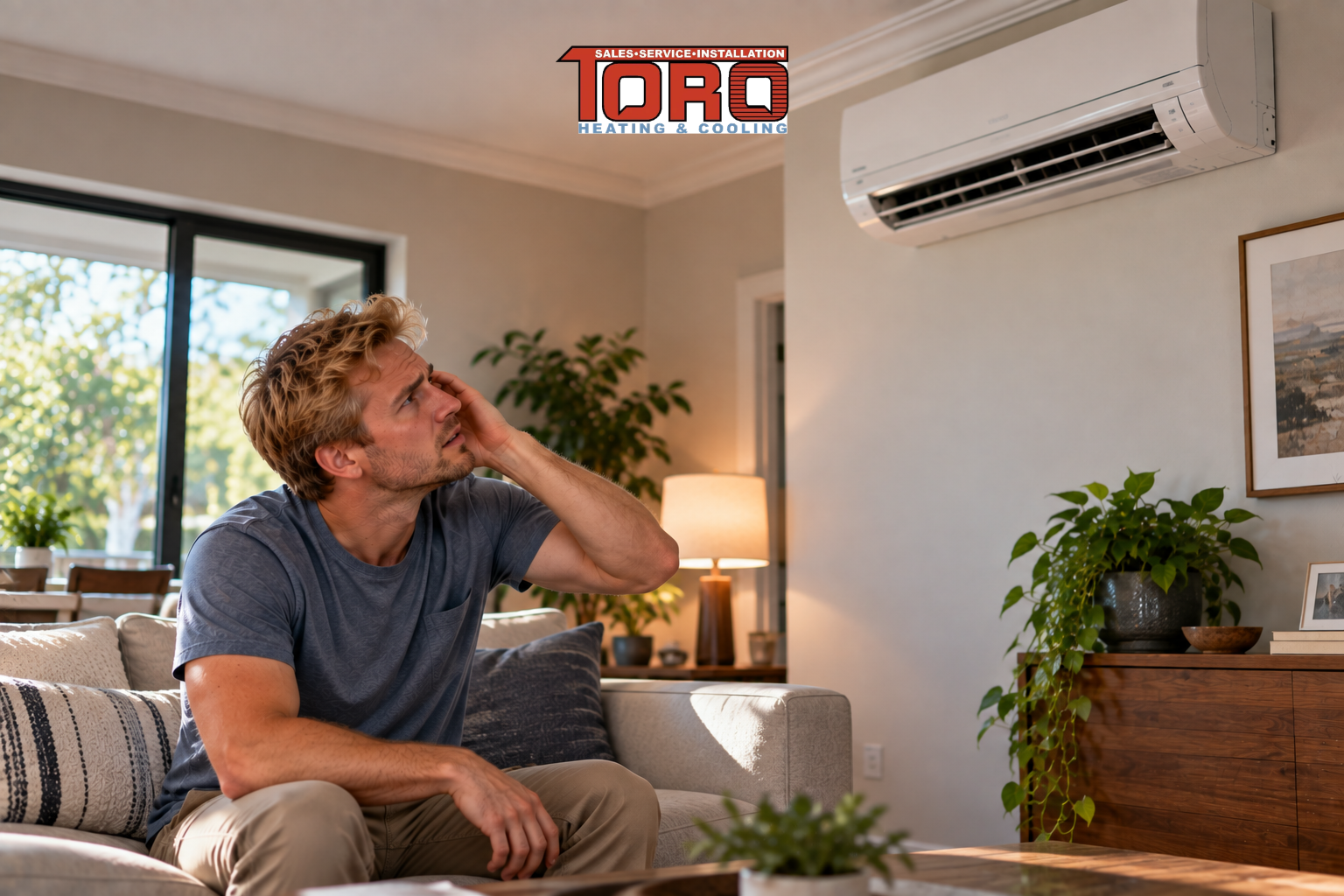
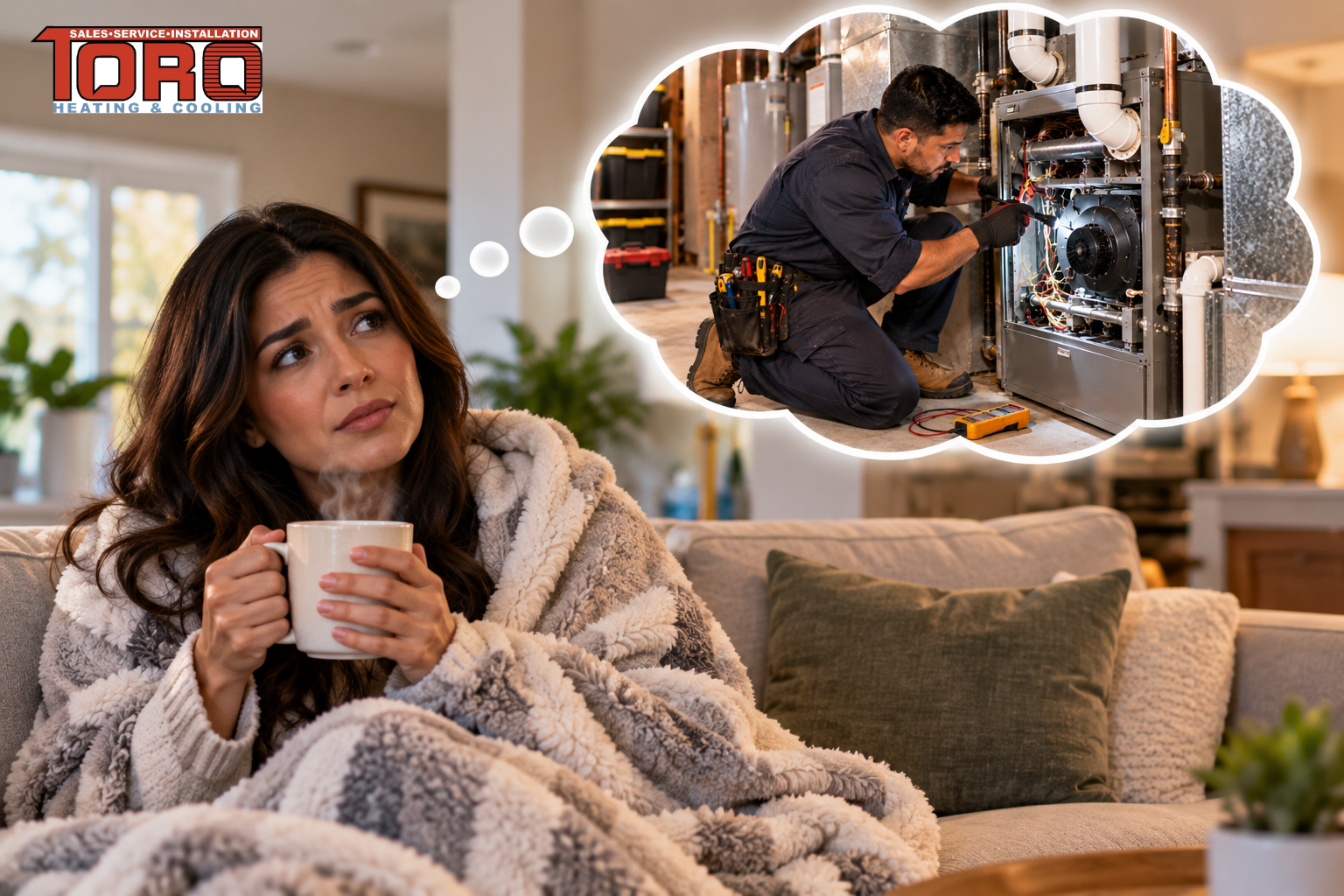
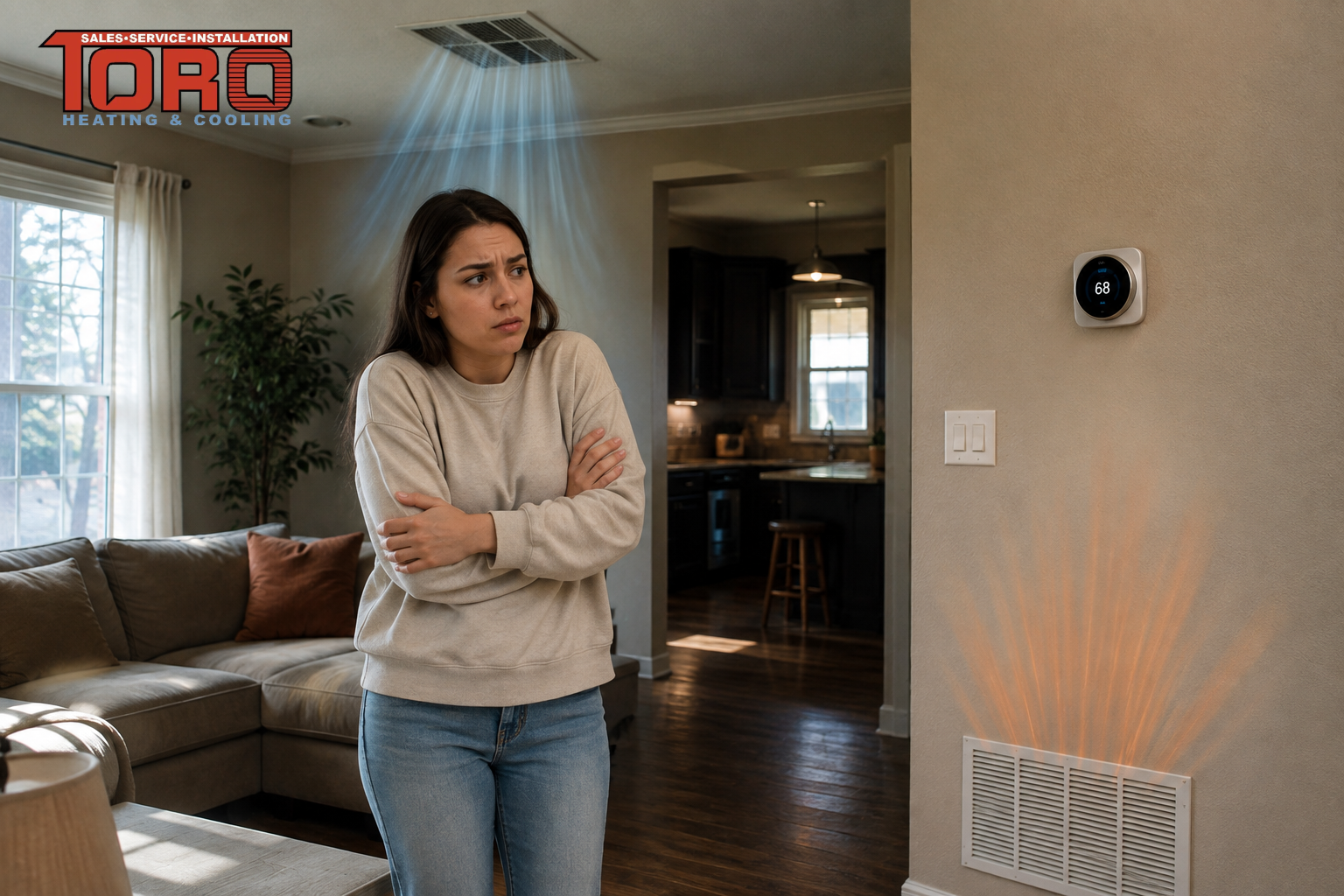
Ever notice how one room in your house feels like a sauna while another feels like an icebox? Uneven temperatures can be a real hassle, not just for comfort but also for your wallet since your HVAC system might be working overtime. If you've ever wondered why your upstairs bedroom feels hotter or why the back room never seems to match the thermostat, don't worry, you're not alone. Most of the time, there are clear reasons behind these temperature imbalances, and many can be fixed with a bit of maintenance, better airflow, or some HVAC tweaks.
People often start seeing these issues during extreme weather. In Chicago, where summers can be scorching and winters freezing, these differences become even more obvious. That's when having a good HVAC repair team can really help. Before you think about a major replacement, it's good to know what's causing these uneven temperatures and how you can fix them. This guide breaks down the common reasons rooms feel different and the best ways to tackle these problems.
If you want to dive deeper into airflow and comfort, check out our guide to HVAC airflow. Often, balanced airflow is the missing piece when trying to solve hot and cold spots. Experts agree that proper temperature balance starts with basics like changing filters regularly and keeping vents clear. The U.S. Department of Energy also points out that duct leaks can waste a lot of conditioned air. That's why even small issues can have a big impact on comfort and costs.
Common Causes of Uneven Temperatures in a Home
Airflow Imbalance and Blocked Vents
One of the biggest reasons for different room temperatures is uneven airflow. If some rooms get too much air while others don't get enough, you'll feel it. Things like blocked supply vents or furniture in front of registers can mess with how air moves through your home. Even small obstructions can keep air from reaching a room, making it hard for that space to match the rest of the house.
Often, it's not that your HVAC system is weak; it might just be that air isn't being distributed properly. That's why services like ventilation system services and HVAC vent repair can be really useful when the problem seems localized. A trained technician can check out your supply and return paths, spot pressure differences, and see if your system is moving air as it should. Fixing airflow can quickly improve comfort without major equipment changes.
Ductwork Leaks, Gaps, and Poor Layout
Duct issues are another big reason for uneven temperatures. The U.S. Department of Energy says that typical home duct systems can lose 20% to 30% of conditioned air through leaks and poor connections. That not only wastes energy but also means some rooms don't get enough heated or cooled air. If your duct system was poorly designed or damaged over time, one side of your home might always feel different from the other.
When ductwork leaks or underperforms, repairs can make a big difference. Homeowners often benefit from HVAC duct repair or, in more serious cases, HVAC duct installation to improve overall airflow. If the ducts are hidden in an attic or wall, leaks can go unnoticed for years. That's why professional inspection is important; the problem might be happening in places you can't see.
Insulation Gaps and Air Leaks
Sometimes, temperature differences aren't because of the HVAC system. It might be your home letting in too much outside air through gaps in the building. Poor insulation in attics, walls, and around windows can cause rooms to heat up or cool down faster than others. A room with more sunlight or less insulation will often feel different from a central room.
Experts often recommend sealing air leaks and addressing insulation gaps as part of any comfort fix. These improvements help keep conditioned air inside, reducing strain on your HVAC system and evening out indoor temperatures. They also work well with HVAC system maintenance because even a well-maintained system needs a home that supports it.
How HVAC Equipment Affects Room-to-Room Comfort
System Sizing and Equipment Capacity
An HVAC system that's too large or too small can cause comfort issues even if it seems to work fine. A system that's too big might heat or cool the air too quickly without distributing it evenly. A system that's too small might struggle to keep up with demand in far-off rooms. Both situations can lead to uneven temperatures and unnecessary wear on components. Sometimes it's not the room that's the problem; it's how the system was sized from the start.
If your home has persistent temperature swings, it might be worth checking if your setup is still the right fit. Some homeowners move from patchwork fixes to a more complete solution with HVAC installation or a targeted upgrade like central air installation. Proper sizing and design help ensure the system delivers balanced comfort from room to room instead of creating hot and cold zones.
Thermostat Placement and Calibration
The thermostat might seem simple, but its location affects the whole home. If it's near direct sunlight, a kitchen, or a drafty hallway, it might read temperatures wrong and cause the system to shut off too soon or run too long. That can leave some rooms uncomfortable even when the thermostat says everything is fine. Calibration issues can cause the same problem by making the thermostat report the wrong conditions.
That's why thermostat services can be key to solving uneven temperatures. A technician can check placement, test readings, and decide if a smart thermostat, relocated sensor, or repair is needed. For homes with ongoing balance problems, a thermostat installation upgrade might provide better control and help the system respond more accurately to real conditions.
Maintenance and Dirty Components
Routine maintenance directly affects temperature balance. Dirty filters, clogged coils, and neglected blower components reduce airflow, making it harder for the system to distribute air evenly. HVAC pros often point out that a simple filter replacement can improve performance more than you'd expect, especially when dust buildup limits circulation for months. When the system can't move enough air, the furthest rooms often feel it first.
That's why regular filter replacement/maintenance and seasonal A/C system maintenance or heating system maintenance should be part of every homeowner’s plan. Preventive care keeps airflow steady, reduces strain on the blower, and makes it easier to maintain the same temperature throughout the house. For more on maintenance best practices, the U.S. Department of Energy offers guidance on keeping cooling equipment in top shape.
Why Some Rooms Are Hotter Than Others
Sun Exposure and Exterior Walls
Rooms with more windows, stronger sun exposure, or exterior walls tend to change temperature more quickly than interior spaces. A south-facing bedroom can get warmer in the afternoon, while a room over a garage or unconditioned basement may lose heat faster in winter. These spaces need extra attention because they're more exposed to the outdoor environment. Even if the HVAC system is working right, the room might be working against it.
Many homeowners think the equipment is failing when the real issue is heat gain or heat loss through the building. Improving attic insulation, sealing around windows, and using better window coverings can help. If a room stays extreme even after structural improvements, a zoning or supplemental comfort solution might be needed. The key is to match the fix to the actual cause rather than assuming every uneven room needs a new furnace or AC.
Distance from the HVAC Unit
Rooms farther from the air handler or furnace often get less conditioned air, especially when duct runs are long or complicated. This is common in larger homes, finished basements, additions, and upper floors. The farther air has to travel, the more opportunities there are for friction loss, leakage, and pressure imbalance. That distance effect can make one room feel like it's in a completely different house.
When layout is the issue, professional evaluation matters. A contractor might recommend duct adjustments, balancing dampers, or even a different comfort strategy based on your home's design. If your home includes a hard-to-condition addition, a ductless mini-split system can effectively provide targeted heating and cooling without relying entirely on existing ductwork. This type of solution is useful when one area consistently fails to match the rest of the home.
Hidden Issues Inside Walls and Ceilings
Some comfort problems come from hidden construction issues. Missing insulation inside wall cavities, gaps around recessed lighting, air leaks from attic access points, and poorly sealed ducts can create temperature differences that are hard to diagnose. These issues are frustrating because the affected room might seem fine at certain times and uncomfortable at others. That inconsistency makes the problem harder to spot but no less real.
For a visual overview of temperature-balance troubleshooting, you can watch this guide to solving uneven temperatures inside the home. A practical walkthrough can help you understand which symptoms point to airflow problems, insulation issues, or equipment concerns. Still, video advice should be paired with on-site evaluation when the problem persists. Hidden losses often require a technician’s tools and training to identify accurately.
Modern Solutions That Actually Work
Zoning Systems for Targeted Comfort
One of the best ways to tackle uneven temperatures is zoning. Zoning systems divide your home into separate areas, each with its own temperature control, so one floor or room doesn't have to match every other space. This lets you direct more conditioned air where it's needed and reduce over-conditioning in areas that are already comfortable. It's a smart approach for multi-level homes, homes with additions, and households with different comfort preferences.
Recent HVAC advancements have made zoning more practical and responsive than ever. If you want a deeper look at this approach, our guide to improving HVAC efficiency without replacement explains how targeted upgrades can reduce waste and improve comfort. Zoning solves the root of the issue instead of trying to overpower it with more system runtime. In many homes, this results in better comfort and lower energy costs over time.
Ductless Mini-Split Systems
Ductless mini-split systems are another great option for homes with hot and cold spots. These systems let individual rooms or zones be heated and cooled independently, making them ideal for spaces that are hard to balance with traditional ductwork. They're also a good fit for older homes, additions, or converted spaces where extending ductwork would be costly or disruptive. Because they provide targeted comfort, they can dramatically reduce temperature swings.
If a room still underperforms after airflow and insulation work, a mini-split might be the most practical answer. Modern systems are efficient, quiet, and flexible enough to support both small and large comfort needs. For more on how buildings lose energy and how targeted improvements help, the ENERGY STAR program offers useful information on efficient cooling solutions. Pairing that knowledge with professional guidance can make decision-making easier.
Radiant and Supplemental Heating Options
In some homes, especially those with persistent winter imbalance, radiant heating can provide steadier comfort than forced air alone. Radiant systems warm surfaces and people directly, reducing drafts and the uneven feeling from moving air. They're not right for every home, but in certain layouts, they can be highly effective. Supplemental heat can also help rooms that consistently fall behind during the coldest months.
Homeowners considering a long-term solution might also want to explore radiant heating services or a high-efficiency heat pump installation. The best choice depends on your layout, fuel preferences, and the severity of the imbalance. A professional assessment can reveal whether the home needs a complete redesign of comfort delivery or just a few targeted improvements.
Practical Steps Homeowners Can Take First
Check Filters, Vents, and Airflow Paths
Before thinking of a major HVAC failure, start with the basics. Check air filters, make sure vents are open, and confirm that furniture, curtains, or rugs aren't blocking airflow. These simple steps often solve mild room-to-room differences, especially when the system is in good shape. Even if they don't fix the entire issue, they can help narrow down whether the problem is mechanical or structural.
If your home has visible dust buildup or long stretches between service calls, scheduling air duct cleaning might also help restore steadier airflow. That's especially true if the system has been running with clogged filters or if the ducts have never been professionally inspected. Clean airflow paths give your HVAC system a better chance to distribute air evenly to every room. That alone can make your home feel more balanced and less stressed during peak weather.
Improve Insulation and Seal Leaks
Another practical step is to look for insulation gaps and air leaks around your home. Drafts near windows, attic hatches, baseboards, and exterior doors can all contribute to temperature differences. Sealing those gaps keeps conditioned air inside and outside air where it belongs. When the building envelope is tighter, your HVAC system doesn't have to overwork to maintain comfort, and rooms tend to stay closer together in temperature.
Homeowners often get the best results when insulation work is combined with HVAC tuning. For example, if a back room is always cold, sealing air leaks might help, but the ducts leading to that room might still need balancing or repair. That's why comfort problems should be viewed as a whole-house issue rather than a single-room complaint. The more pieces you improve, the more stable the result becomes.
Schedule a Professional Inspection
If simple fixes don't solve the problem, a professional inspection is the next best step. An HVAC contractor can measure airflow, check duct pressure, inspect equipment condition, and spot hidden losses that you wouldn't easily find. They can also figure out if the issue is caused by a failing component, a design flaw, or a mix of smaller problems. This saves time and prevents unnecessary spending on the wrong repair.
For homeowners who need reliable local help, our residential HVAC services are designed to address comfort issues like uneven temperatures from the ground up. A thorough assessment might uncover a fix that's much simpler than expected. In one common scenario, a home with major upstairs-to-downstairs differences improved significantly after zoning was added and the ducts were balanced. The homeowner not only gained comfort but also saw lower utility bills because the system no longer had to fight the layout of the house.
Frequently Asked Questions About Uneven Temperatures
Why is One Room in My House So Hot?
One room might be hotter because of sun exposure, poor insulation, a blocked vent, or weak airflow from long or leaking duct runs. It can also happen if the thermostat is satisfied by another part of the home before that room ever cools down. In many homes, the problem is a combination of several small issues rather than one obvious failure.
Can Dirty Filters Really Cause Uneven Temperatures?
Yes. Dirty filters reduce airflow, which makes it harder for conditioned air to reach every room evenly. When airflow drops, the system might satisfy the thermostat without adequately conditioning distant rooms. Regular filter replacement is one of the easiest and most effective habits a homeowner can maintain.
Do Zoning Systems Work in Older Homes?
They often do, although the installation approach depends on the existing duct layout and system condition. Older homes might need duct adjustments, balancing dampers, or targeted upgrades before zoning can perform properly. A contractor can determine if zoning is the right fit or if a ductless option would work better.
When Should I Call an HVAC Professional?
If you've checked filters, vents, and obvious drafts but still notice major temperature differences, it's time to call a professional. Persistent imbalance often points to airflow, duct, insulation, or equipment issues that need expert diagnosis. The sooner you address it, the easier it is to prevent energy waste and avoid more expensive damage later.
The Bottom Line: Uneven Temperatures Are Fixable
Uneven temperatures throughout your home usually have a clear cause, even if the symptoms seem confusing at first. Common culprits include airflow imbalance, duct leaks, insulation gaps, thermostat issues, and equipment that doesn't match your home's needs. Sometimes, the best fix is simple maintenance. Other times, the solution might involve zoning, duct repair, or a ductless system that gives different rooms the comfort control they need.
The important thing is not to ignore the signs. A home with one room always too hot and another always too cold is telling you something about airflow, insulation, or system design. Addressing those issues can improve comfort, reduce energy use, and help your HVAC system last longer. Ready to stop fighting hot and cold spots? Start with an inspection and let an experienced professional find the right path forward. For personal help, schedule service, ask questions, and take the first step toward consistent comfort in every room.