If your furnace keeps turning on and off, it's more than just a little annoying. This issue, known as short cycling, can waste energy, wear out key parts, and leave your home feeling unevenly heated even when the thermostat seems set correctly. Often, your heating system is trying to tell you something important, and catching the message early can help you avoid a bigger repair later.
In this guide, we’ll explain the most common reasons a furnace short cycles, what you can safely check on your own, and when it’s time to call for professional help. We’ll also cover how maintenance, airflow, and system sizing all affect performance, plus where services like furnace repair and heating system maintenance can help restore dependable heat before winter gets worse.
If you're looking to better understand how heating systems should perform, the U.S. Department of Energy offers helpful guidance on efficient home heating at Energy Saver, and the Air Conditioning, Heating, and Refrigeration Institute provides technical information on HVAC equipment standards at AHRI.
What Furnace Short Cycling Actually Means
The Basic Definition
Short cycling happens when a furnace starts, runs for a brief period, then shuts off before completing a normal heating cycle. After a short pause, it turns on again and repeats the process. This can happen several times in an hour, which is far from ideal and usually points to a system issue rather than normal operation.
A healthy furnace should run long enough to steadily and evenly warm up your home. If it keeps shutting off too early, the equipment may be overheating, getting bad thermostat signals, or struggling with airflow. That repeated start-stop pattern puts stress on the system and can quickly lead to higher utility bills and more repairs.
Why It Matters for Comfort and Efficiency
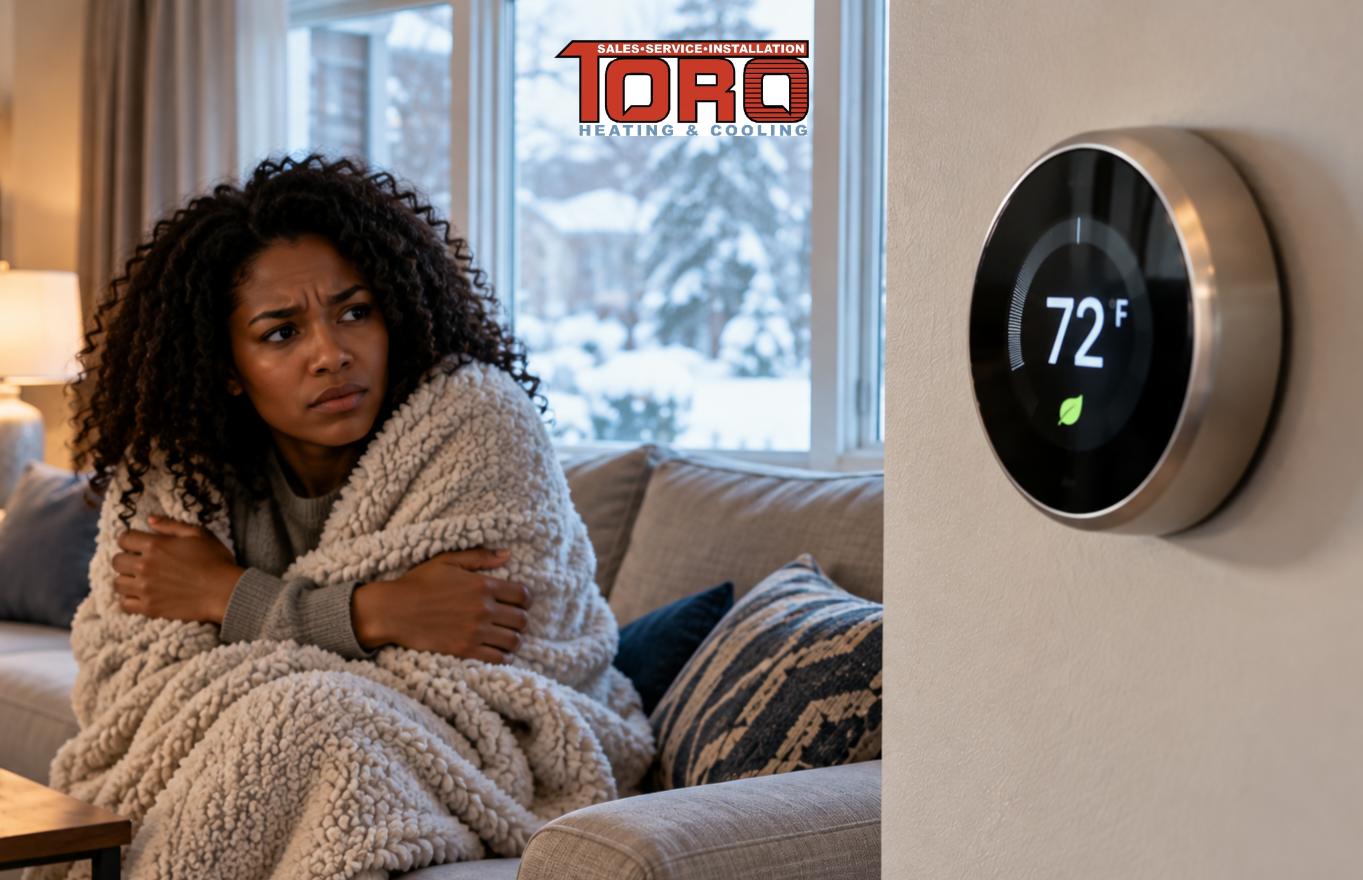
When a furnace short cycles, your home may never feel fully comfortable because warm air is delivered in bursts instead of a steady stream. You might notice certain rooms feel colder than others, or that the house warms up briefly and then cools down again. This constant fluctuation can be especially frustrating during the coldest parts of the season.
Efficiency also suffers because startup is one of the hardest parts of the heating process. More starts mean more energy use, and repeated cycling can reduce the lifespan of components like the igniter, blower motor, control board, and flame sensor. That’s why a problem that seems small at first can become expensive if ignored.
Common Reasons Your Furnace Keeps Turning On and Off
Dirty Air Filter
One of the most common causes of furnace short cycling is a dirty or clogged air filter. When airflow is restricted, heat can’t move through the system properly, and the furnace may overheat as a safety response. Once it reaches its limit, the unit shuts down to protect itself, then turns back on after it cools.
This is one of the easiest issues to prevent. Checking and replacing the filter on a regular schedule can improve airflow, reduce strain on the system, and help your furnace run the way it should. If you're already having airflow trouble, a filter replacement may be a simple first step, but persistent cycling often means there’s more to investigate.
Thermostat Problems
A thermostat that misreads room temperature can tell the furnace to stop too soon or start too often. Problems may come from bad placement, low batteries, loose wiring, or calibration issues. In some homes, the thermostat is located near a heat source, draft, or direct sunlight, which can cause inaccurate readings.
If your thermostat seems inconsistent, professional thermostat services can help diagnose whether the issue is with the device itself or with the way it’s communicating with the furnace. For homeowners upgrading equipment, thermostat installation can also improve control and comfort by pairing your heating system with a properly matched modern thermostat.
Overheating from Poor Airflow
Restricted airflow is another major reason furnaces short-cycle. If supply vents are blocked, return vents are closed, or ducts are obstructed, the furnace may build up too much heat too quickly. That can trigger the limit switch and force the unit to shut off as a safety measure.
Airflow problems often go beyond the furnace itself. Dirty ducts, crushed flex duct, dirty blower components, or closed registers can all affect how air moves through the house. In homes with persistent dust or weak circulation, air duct cleaning may help restore more balanced airflow, while ventilation system services can improve overall air movement and comfort.
Flame Sensor or Ignition Trouble
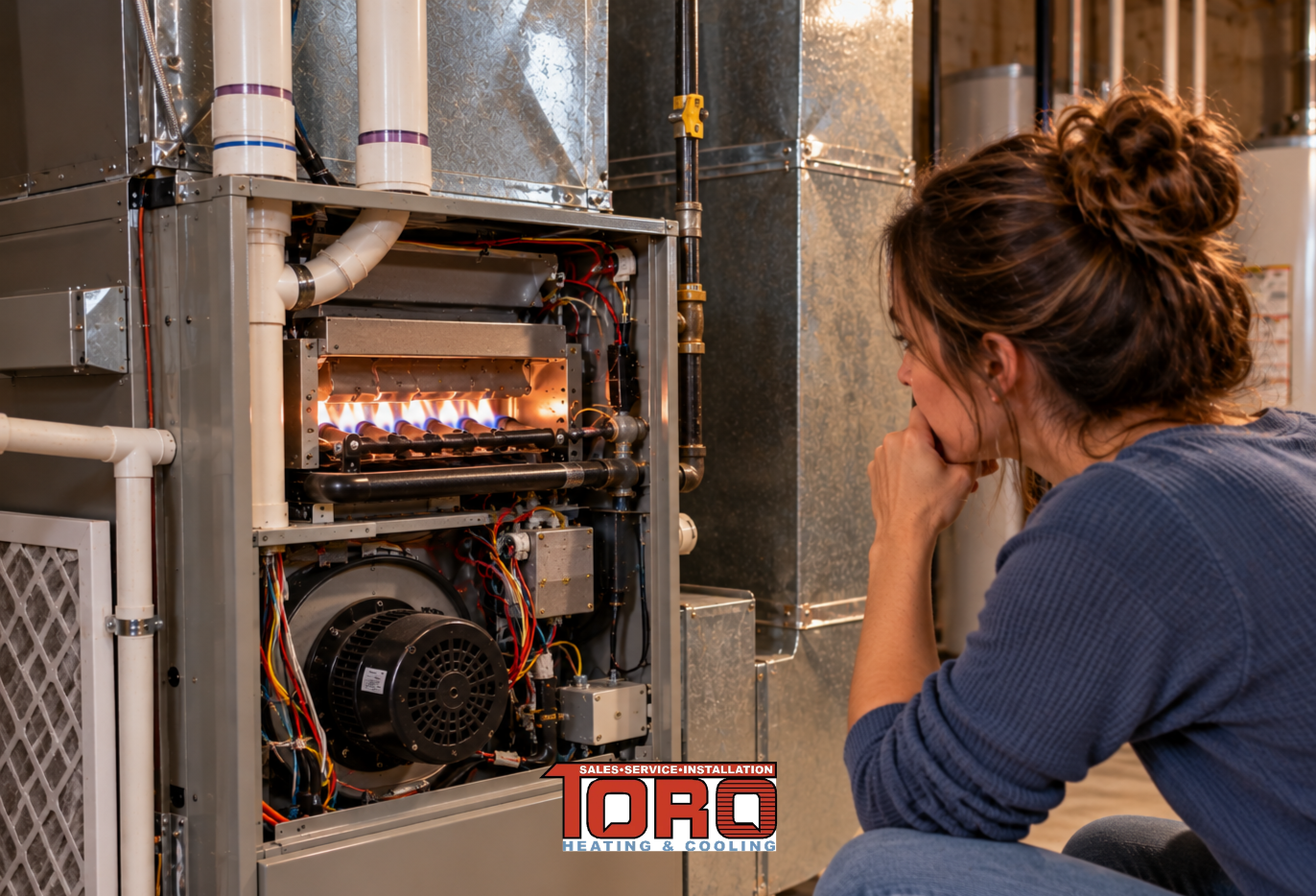
If the furnace lights but then shuts off quickly, the flame sensor may be dirty or failing. The flame sensor’s job is to confirm a flame is present, and if it can’t detect one correctly, it tells the system to shut down for safety. Ignition problems can create a similar symptom, especially if the furnace struggles to establish a stable flame.
These problems usually require professional attention because they involve gas, electrical components, and safety controls. If your furnace is repeatedly trying to start but can’t stay on, a trained technician can test the ignition system, inspect burner performance, and identify whether repair or replacement of a part is needed.
Oversized Furnace
Sometimes the problem isn’t a faulty part at all but a furnace that’s too large for the home. An oversized unit heats the space too quickly, reaches the thermostat setting too fast, and shuts off before it can run a proper cycle. This can cause short cycling, uneven temperatures, and excess wear over time.
Improper sizing is a common issue in older homes, additions, and properties where equipment was replaced without a full load calculation. If you have recurring comfort problems and other fixes don’t help, a detailed evaluation may reveal that the system was never sized correctly for the building. In those cases, heating system installation or a broader replacement strategy may be the best long-term solution.
How to Troubleshoot Before You Call for Service
Check the Thermostat Settings
Before assuming the furnace has failed, confirm the thermostat is set to heat, and the fan is on auto rather than on. If the thermostat is cycling oddly, replace the batteries if applicable and make sure the settings haven’t been changed accidentally. A simple settings issue can sometimes mimic a larger problem.
It’s also smart to observe whether the thermostat is located near supply vents, windows, kitchen appliances, or another source of temperature interference. Even a well-working furnace can respond poorly if the thermostat is getting bad information from its surroundings. If you're unsure whether the placement is a problem, a technician can evaluate it during a service visit.
Inspect the Air Filter and Vents
Look at your air filter first. If it’s visibly dirty, replace it and see whether the furnace runs more normally afterward. Also, check that supply and return vents are open and unblocked by furniture, rugs, curtains, or stored items.
For many homeowners, this simple airflow check resolves minor cycling problems. If the furnace still turns on and off after a new filter and open vents, the issue may be deeper in the duct system, blower assembly, or safety controls. At that point, it’s best to stop guessing and move toward a professional diagnosis.
Listen for Unusual Sounds or Patterns
Unusual furnace noises can give you clues about what’s wrong. Clicking, buzzing, repeated startup sounds, or a burner that shuts off almost immediately all suggest a different type of issue. These symptoms are especially helpful for technicians because they can narrow down the possible causes before any parts are tested.
For a deeper look at warning sounds that often show up before major failure, you may also want to read 5 signs your furnace needs attention this fall. Catching the problem early can help you avoid a no-heat emergency when outdoor temperatures drop.
When Short Cycling Points to a Bigger Heating Problem
Safety Switch Activation
Modern furnaces have built-in safety controls to prevent overheating or unsafe operation. If the unit keeps shutting down, one of those safety systems may be doing its job. That doesn’t mean the furnace is fine; it means the furnace has detected a condition that needs correction.
Overheating caused by poor airflow, a failing blower, or internal buildup often triggers these shutdowns. If the same issue keeps happening after you replace the filter and check the vents, the furnace may need a more detailed inspection to find the root cause.
Electrical or Control Board Faults
Short cycling can also come from electrical issues like damaged wiring, a failing control board, or loose connections. These faults can cause the furnace to start and stop unpredictably, even if the mechanical parts appear to be working. Because the symptoms can look similar to airflow problems, proper testing is important.
In these situations, a professional diagnosis saves time and prevents unnecessary part swapping. A technician can measure voltage, test components, and determine whether the issue is electrical, mechanical, or related to system setup. That’s one reason homeowners often choose HVAC repair instead of trying to guess which part failed.
Heat Exchanger or Burner Issues
Some cycling problems are connected to the heat exchanger or burners. If combustion isn’t stable, the furnace may shut itself off as a protection measure. This isn't something to ignore because combustion problems can affect both performance and safety.
Professional service matters here because technicians can inspect for soot, flame instability, or signs of wear that wouldn’t be obvious from the outside. If the problem is tied to a damaged or unsafe component, quick action can help prevent further damage and keep the home safer.
Why Routine Maintenance Prevents Short Cycling
Maintenance Keeps Airflow and Parts in Balance
Preventive maintenance is one of the most effective ways to reduce short cycling. During a tune-up, a technician can clean components, inspect safety controls, check the filter, evaluate airflow, and test whether the furnace is operating within normal limits. That kind of care helps identify small issues before they turn into major disruptions.
Routine service also helps the whole system run more smoothly by keeping parts cleaner and more efficient. If you want your equipment to last longer and perform more consistently, scheduled HVAC system maintenance is a smart investment. It's especially valuable before peak heating season, when small issues are more likely to turn into urgent problems.
The Value of a Seasonal Tune-Up
A seasonal furnace tune-up can uncover dirty burners, weak sensors, loose connections, and airflow restrictions that would otherwise go unnoticed. This is particularly useful in homes that rely heavily on heating during winter or have older systems that need closer attention. Even one prevented breakdown can justify the cost of routine service.
For broader heating care, homeowners can also look at heating system maintenance as part of a regular home comfort plan. Consistent maintenance doesn’t just reduce the odds of short cycling; it can also improve energy efficiency, reduce repair frequency, and extend equipment life.
How Maintenance Supports Indoor Comfort
When a furnace operates properly, rooms warm more evenly and the system doesn’t strain as hard to keep up. That means fewer temperature swings, less noise, and more reliable comfort throughout the day. Maintenance helps create that stability by making sure the system is clean, calibrated, and ready for demand.
If your home also has ventilation or indoor air quality concerns, maintenance can be part of a larger solution. Combining clean airflow with proper filtration and equipment checks often produces better results than focusing on one symptom alone. That bigger-picture approach is one reason many homeowners choose integrated service instead of isolated repairs.
How HVAC Pros Diagnose the Problem
Testing System Performance
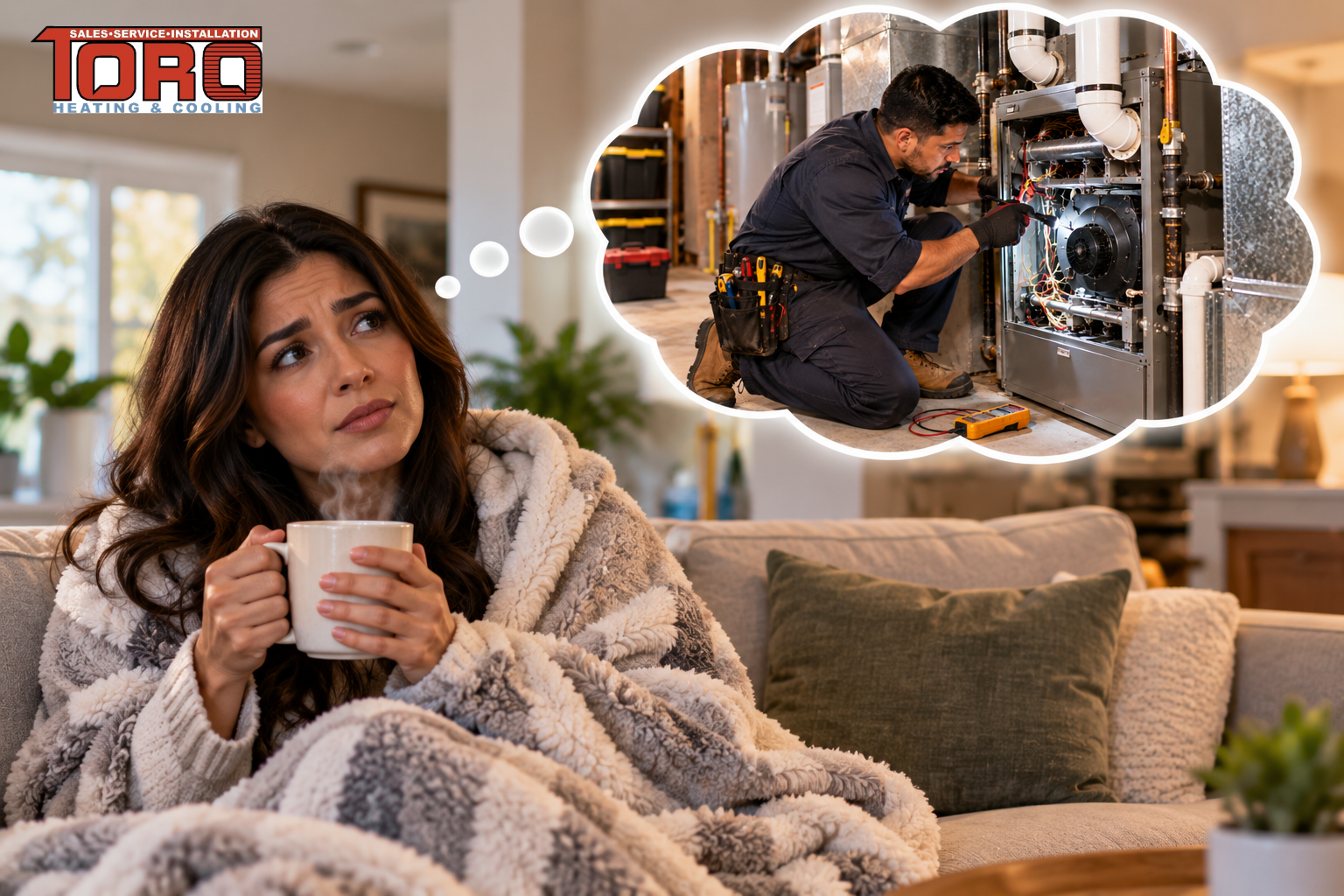
During a professional visit, a technician usually starts by asking how often the furnace cycles, how long it runs, and whether there are any related symptoms like uneven heat or odd noises. Those details help narrow the problem before any tools come out. Then the technician can inspect the thermostat, filter, airflow, controls, and safety systems.
Good diagnostics are important because short cycling can have multiple causes. What looks like a thermostat problem might actually be restricted airflow, and what seems like an airflow problem might be an oversized furnace. A trained professional can sort through those possibilities much faster than trial and error at home.
Evaluating the Duct System
Duct issues often play a bigger role than homeowners realize. Leaky, undersized, or poorly designed ducts can create pressure problems that lead to overheating and cycling. In some cases, the furnace itself is fine, but the duct system is making it work too hard.
That’s why duct inspections and repairs matter. If the system needs sealed or modified ductwork, HVAC duct repair or related airflow improvements can make a meaningful difference in performance. Better ducts mean better airflow, and better airflow means fewer shutdowns caused by overheating.
Determining Whether Repair or Replacement Makes Sense
Sometimes the best answer is a repair, but sometimes repeated short cycling means the equipment is near the end of its useful life. If your furnace is older, has a long history of service calls, or needs major components replaced, a technician may recommend upgrading instead of continuing to patch the same issue.
In those cases, a new system can improve comfort, reliability, and operating costs all at once. Homeowners comparing repair versus replacement should ask about system age, efficiency ratings, expected lifespan, and the cost of future repairs. That kind of honest conversation helps you choose the option that makes the most sense over time.
Practical Ways to Reduce Future Furnace Problems
Replace Filters on Schedule
One of the simplest ways to protect your furnace is to change filters regularly. A clean filter keeps airflow strong, reduces dust buildup, and lowers the chance the system will overheat. If you have pets, allergies, or a dusty home, you may need to replace filters more often than the standard recommendation.
Filter care may seem small, but it plays a huge role in heating performance. It’s one of those easy habits that prevent bigger issues down the road. If you want added support, services like filter replacement / maintenance can help keep the system on track throughout the season.
Keep Vents and Returns Clear
Furniture, drapes, boxes, and rugs can block airflow without anyone noticing. Even partial blockage can create pressure changes that make the furnace work harder than it should. Make it a habit to walk through the home and confirm that vents and returns remain open.
This simple step is especially helpful in busy households or rental properties where rooms change use over time. If airflow issues seem persistent even after you clear obstructions, there may be a problem inside the duct system that needs a closer look.
Schedule Annual Professional Service
Annual maintenance is one of the best ways to avoid repeated furnace shutdowns. A trained HVAC technician can catch wear before it causes interruptions, which is especially important during long heating seasons. Proactive care almost always costs less than emergency repairs plus comfort loss.
For homeowners who prefer a plan rather than a reactive approach, a service schedule that includes heating, airflow, and thermostat checks is often the most reliable option. This is especially true in older homes where several smaller issues can combine into one larger comfort problem.
Frequently Asked Questions About Furnace Short Cycling
Is Short Cycling Dangerous?
Short cycling isn’t always immediately dangerous, but it can signal an unsafe condition like overheating, flame failure, or a control problem. Because the furnace is repeatedly starting and stopping, the risk of wear and breakdown increases. If you smell gas, notice soot, or hear repeated failed ignition attempts, shut the system off and call for service right away.
Can a Dirty Filter Really Cause the Furnace to Keep Turning Off?
Yes. A dirty filter can significantly restrict airflow and cause the furnace to overheat. That’s one of the most common and easiest-to-fix reasons a furnace short cycles. If replacing the filter solves the problem, the system may just need better ongoing maintenance.
Should I Reset the Furnace If It Keeps Cycling?
One reset may be reasonable if the system tripped after a brief interruption, but repeated resets aren’t a real solution. If the furnace keeps shutting down, the underlying problem is still there. Continued resetting can mask the issue and potentially make the damage worse.
When Should I Call a Professional?
If your furnace keeps turning on and off after you check the filter, vents, and thermostat settings, call a technician. You should also seek help quickly if the furnace is noisy, gives off unusual smells, blows cold air, or seems to overheat. A professional diagnosis is the fastest way to get to the root cause and restore stable heat.
Final Thoughts: Listen to What Your Furnace Is Telling You
A furnace that keeps turning on and off is usually trying to signal an airflow issue, thermostat problem, safety shutdown, or component failure. While some causes are simple and easy to fix, others point to larger problems that need expert attention. The key is to respond early instead of waiting for a complete breakdown.
If you’re dealing with short cycling and want dependable answers, Toro Heating & Cooling is here to help with clear diagnostics and practical solutions. From furnace repair and HVAC repair to preventative HVAC system maintenance, we help homeowners protect comfort, efficiency, and peace of mind. If your heating system is acting up, now is the time to schedule service before the problem grows into a bigger one.
For more insights into your home’s heating performance, you may also find useful information from the EPA indoor air quality resources and the National Institute of Standards and Technology, both of which offer educational material on building systems and environmental performance. If your furnace is short cycling, contact Toro Heating & Cooling today and let our team help bring steady heat back to your home.