When you're setting up an HVAC system in the attic, every little detail counts. The attic is a tricky spot for heating and cooling equipment because it can get extremely hot or cold, has limited space, and is prone to moisture issues. A good installation can be the difference between a system that keeps your home comfortable for years or one that struggles from the get-go. If you're thinking about a replacement or a new build, it's important to understand why a proper attic installation is crucial for performance, efficiency, and long-term reliability. For those comparing options, our HVAC installation service is here to help your system perform well from day one.
This guide will cover the main challenges of attic installation, current best practices, and the impact of good ductwork, sizing, and ventilation. We'll also talk about how modern equipment, like variable-speed blowers and high-SEER air conditioners, changes the way attic systems should be planned. If you're looking to improve airflow, cut down utility bills, and avoid unnecessary repairs, you're in the right place. For more on airflow and comfort, check out our guide to HVAC airflow.
Why Attic HVAC Installation is a Challenge
Extreme Temperatures Stress Equipment
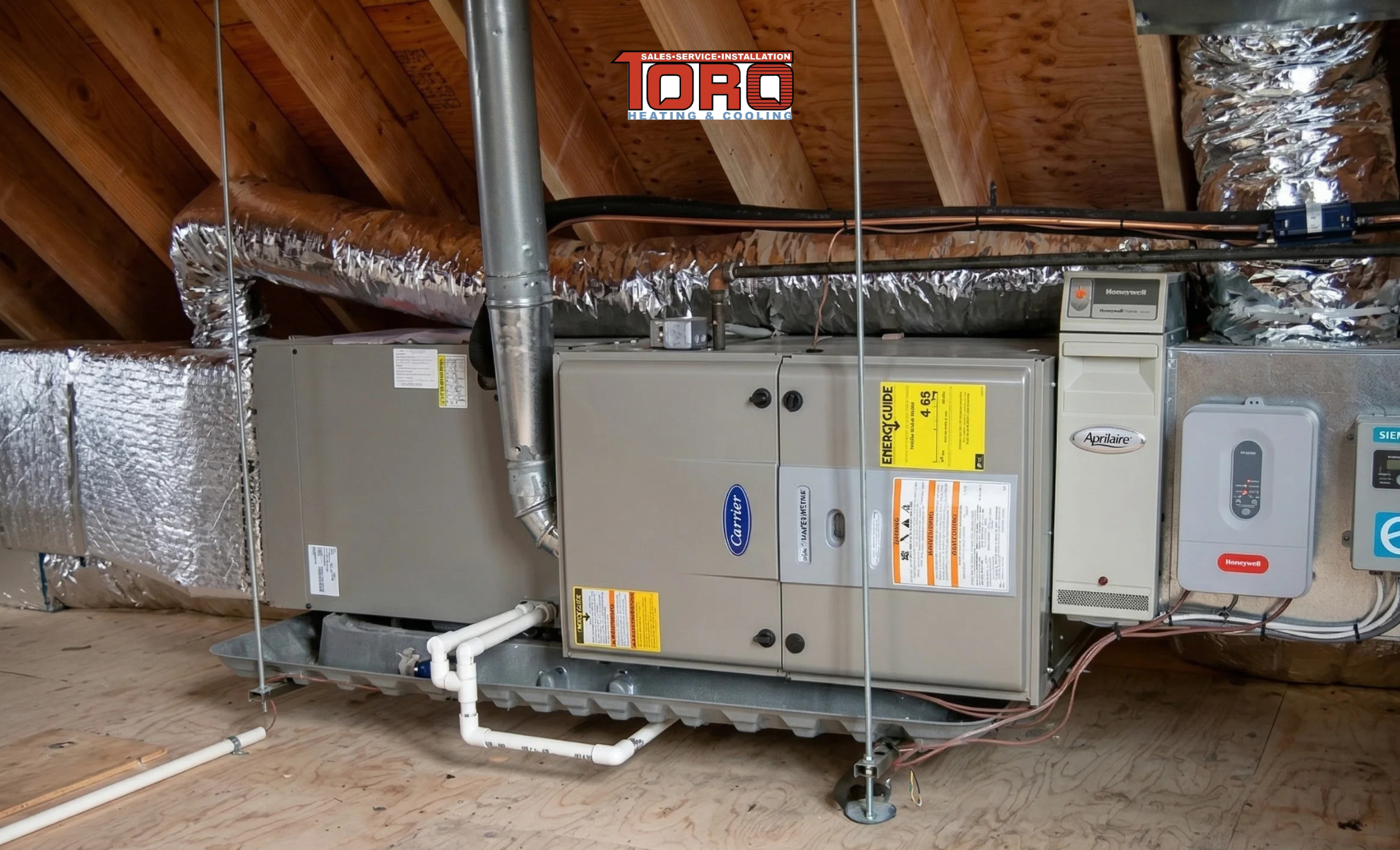
Attics can get painfully hot in summer and frigid in winter, putting more strain on HVAC equipment than indoor spaces. Attic temperatures can hit up to 140 to 150 degrees Fahrenheit on hot days, significantly increasing the load on ducts and air handlers. In these conditions, insulation, sealing, and airflow design are essential. Without them, the unit works harder, loses efficiency, and might wear out faster.
Limited Access Makes Fixes Difficult
Unlike a basement or utility room, an attic typically has tight spaces, awkward angles, and little room for swapping out large equipment later. This means installers need to plan carefully before setting anything in place. Proper clearances for service access, drainage, electrical connections, and filtration aren't optional; they're part of what keeps the system serviceable over time. When contractors rush attic work, even small mistakes can turn into costly problems once the drywall is up and the weather gets extreme.
Don't Ignore Moisture and Ventilation
Attics are vulnerable to moisture buildup, condensation, and ventilation issues. If humid air hits cold duct surfaces or poorly sealed connections, it can lead to water problems, mold, damaged insulation, and reduced indoor air quality. The U.S. Department of Energy stresses that duct sealing and insulation are critical in unconditioned spaces, especially where temperature swings are severe. You can learn more about home energy and duct efficiency from the U.S. Department of Energy’s duct guidance.
How Good Design Boosts Performance and Efficiency
Correct Sizing Prevents Short-Cycling and Uneven Comfort
One of the most important aspects of attic HVAC installation is system sizing. If the equipment is too small, it may not keep up during peak weather. If it's too large, it might short cycle, creating uneven temperatures, extra wear, and poor humidity control. Proper load calculations help determine the right capacity for the home, rather than relying on guesswork or simply replacing equipment with the same size as before. This step is especially crucial in attics, where heat gain can distort performance if the system isn't designed around real conditions.
Variable-Speed Technology Adapts to Changing Demand
Recent HVAC trends have made attic installations more efficient when done right. Variable-speed blowers and high-efficiency air conditioners can run at lower levels for longer periods, improving part-load performance and reducing energy use. This is a major advantage in attic settings because equipment often faces fluctuating loads throughout the day. According to industry insights, newer systems with higher SEER ratings and variable-speed operation are becoming standard because they offer better comfort and lower consumption. For system upgrades that prioritize performance, consider our central air installation solutions or a properly matched heat pump installation.
Efficient Heating Choices Matter in Attic Spaces
Heating equipment in attics also benefits from modern efficiency improvements. High-efficiency electric furnaces and condensing gas furnaces are popular because they deliver better comfort while using less energy than older equipment. In cold-weather cities, an attic-installed furnace must be protected against heat loss and ventilation issues during long winters. This is why good design includes insulation, sealed ducts, and careful equipment placement, not just the furnace itself. In Chicago, where winters can be harsh, the quality of attic installation can significantly affect seasonal comfort and cost.
Ductwork: The Backbone of Attic HVAC Performance
Even Strong Systems Fail if Ducts Leak
Ductwork is often the weakest link in an attic HVAC system. Improper duct installation can reduce system efficiency by 20 to 30 percent, while uninsulated ducts in hot attics may lose even more. When conditioned air leaks into an attic instead of reaching the rooms that need it, homeowners pay for comfort they never receive. That's why duct sealing should be treated as a core installation step, not a finishing touch. For homes with airflow problems, our HVAC duct repair service can help address leaks, poor connections, and damaged insulation.
Insulation and Sealing Protect Against Heat Gain
Proper duct insulation is one of the simplest ways to preserve performance in attic spaces. Best practices often call for insulation rated at least R-8 in unconditioned attics, along with mastic or UL-181 foil tape to seal joints. This helps prevent the system from losing energy while air moves through long runs exposed to extreme attic temperatures. Uninsulated attic ducts may lose 10 to 30 percent or more of their efficiency, which is a serious penalty for any homeowner trying to control utility costs. For system-wide upkeep, our HVAC system maintenance plans can help keep ducts, equipment, and airflow in better shape over time.
Layout Choices Affect Airflow as Much as Insulation
Duct design is more than just wrapping insulation around the outside. Long runs, sharp elbows, crushed ducts, and unnecessary restrictions can reduce airflow and force the blower to work harder. A thoughtful layout keeps runs as short and direct as possible while balancing supply and return air for consistent room-by-room comfort. When airflow is smooth, the system can meet demand with less noise, less strain, and better efficiency. If you want a deeper dive into these issues, our weak airflow guide explains how duct restrictions often show up in everyday comfort problems.
Energy Savings and Comfort Gains from Better Attic Installation
Better Installation Lowers Waste at the Source
Energy savings from attic HVAC installation don't come from one big upgrade alone. They come from reducing losses at every stage: sizing the equipment correctly, sealing duct joints, insulating exposed lines, and confirming that the thermostat responds accurately. When the system is designed as a complete package, it uses less energy to produce the same amount of comfort. That's especially important in attics, where thermal losses can snowball quickly. If you're looking for more ways to cut energy use, our article on HVAC efficiency improvements is a helpful next read.
Comfort Improves When Airflow Reaches the Right Rooms
Homeowners often think of attic installation only in terms of cost, but comfort is just as important. Poorly designed attic systems can create hot and cold spots, weak airflow in distant rooms, and humidity swings that make the home feel less comfortable than the thermostat suggests. Good installation supports steady supply air, reliable return air, and consistent control across the entire living space. This is why proper vent placement and duct balance are so valuable. If vents are part of the problem, our HVAC vent installation and HVAC vent repair services can improve room balance and airflow.
Clean Indoor Air is Easier to Maintain
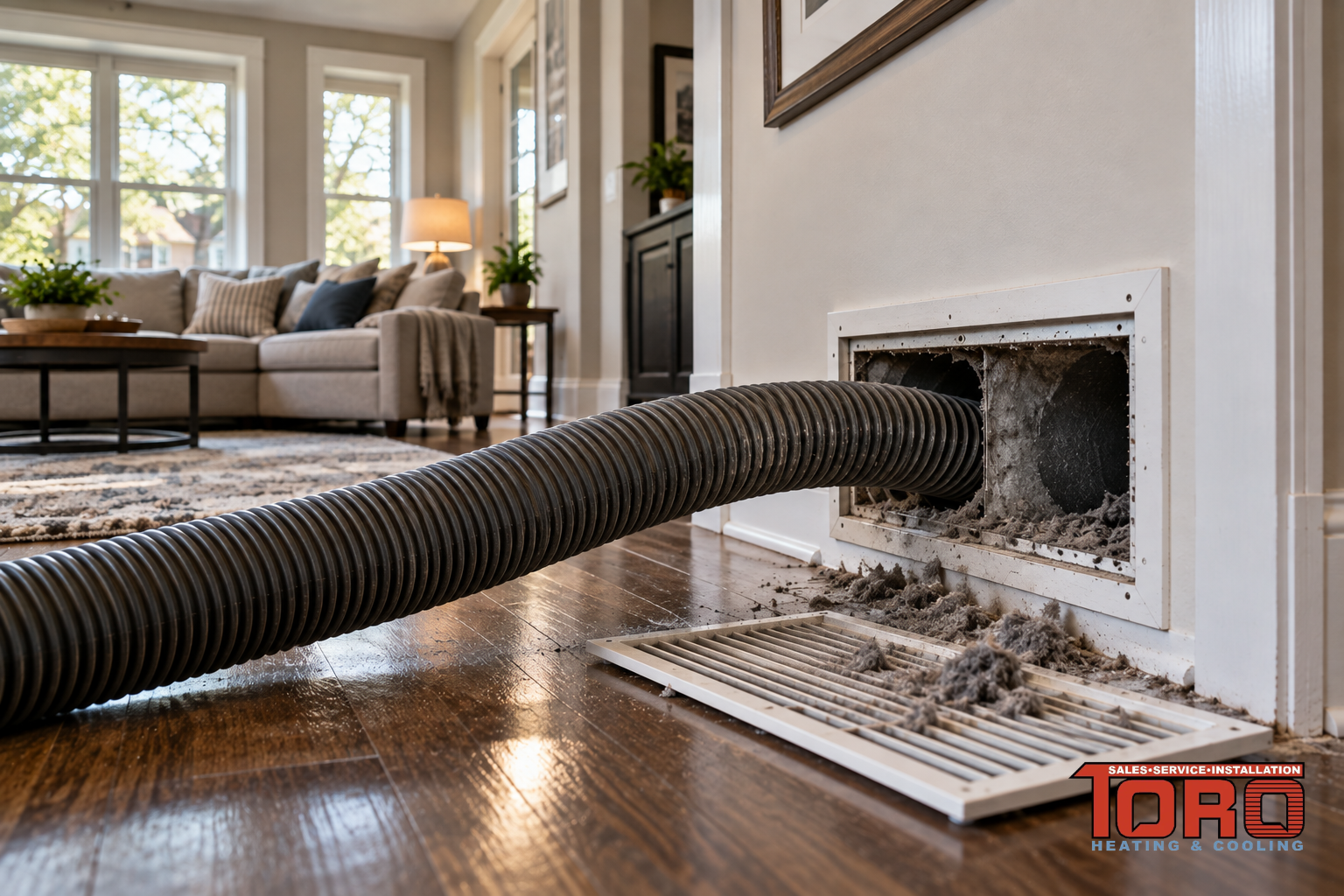
Attic systems can also affect indoor air quality. If ducts leak, they may pull in dust, insulation fibers, or attic air, which then moves through the home. When that happens, comfort and health both suffer. Adding better filtration, cleaning ducts when needed, and maintaining sealed connections all help keep supply air cleaner. For homes that need deeper support, our air duct cleaning and filter replacement/maintenance services can support healthier airflow and reduced buildup.
Safety, Codes, and Long-Term Reliability
Structural Support and Access Are Part of the Job
Attic HVAC equipment must be supported properly. Poor structural support can lead to vibration, noise, and even equipment damage over time. Installers also need to make sure there is safe access for future maintenance, including filter changes, coil service, and inspections. A system that's difficult to reach is a system more likely to be neglected, and neglect often turns into higher repair costs. If an existing setup is already showing signs of wear, our HVAC repair team can diagnose issues before they become larger failures.
Ventilation and Moisture Control Support Safe Operation
Attics should have enough ventilation to reduce trapped heat and moisture. That doesn't mean the HVAC system alone can solve attic ventilation problems, but the two need to work together. Proper ventilation reduces the chance that humid air will create condensation on cold surfaces, especially around ducts and metal fittings. For additional technical perspective, the Air Conditioning Contractors of America guides quality installation standards and system design practices at ACCA, which remains a valuable professional reference for contractors and property owners alike.
Code Compliance Protects the Home and the Homeowner
Local building codes, manufacturer instructions, and industry standards all matter when installing HVAC equipment in an attic. Compliance helps ensure safe electrical connections, proper condensate drainage, accessible service space, and reliable operation under real-world conditions. This is especially important for contractors working on residential projects where the attic is the only practical location for mechanical equipment. A careful code-aware installation reduces risk and makes future inspections or sales processes smoother. For homeowners in Chicago, working with a contractor familiar with local requirements can make a major difference in long-term system reliability.
What Modern Attic Installations Look Like in Practice
A Real-World Example of Better Duct Sealing
One recent project described in industry research involved a homeowner in Texas who was dealing with high energy bills and weak airflow caused by poorly sealed and insulated attic ductwork. After the ducts were resealed with mastic, insulated to R-8, and shortened where possible, efficiency improved, and comfort increased. That kind of result is not unusual when the original installation had multiple weak points. The takeaway is simple: the system may be fine on paper, but if air is leaking or heating up in the attic, performance drops quickly.
Modern Equipment Works Best When Paired with Good Installation
Today’s higher-efficiency units are designed to perform well, but only when they are installed in a way that protects their strengths. A high-SEER air conditioner or a condensing furnace can underperform if duct losses are high, if the thermostat is placed poorly, or if the equipment is surrounded by excessive heat and restricted airflow. This is why attic installation is not just about getting the unit in place. It's about creating the right conditions for the unit to do its job year after year. For homeowners upgrading older systems, our furnace installation and central air repair services can help restore performance or support a more efficient replacement plan.
Local Climate Makes the Difference Even Bigger
In Chicago, attic HVAC installation deserves even more attention because attics can experience dramatic swings between summer heat and winter cold. That makes insulation, air sealing, and ventilation especially important for keeping the system from wasting energy or losing comfort. Homes with older attic ductwork often see the biggest payoff from targeted improvements because the attic environment magnifies every weakness. Whether the issue is a leaky supply trunk, undersized return air, or poor equipment placement, fixing it can improve comfort across the entire house.
Common Attic HVAC Mistakes to Avoid
Skipping Load Calculations
One of the most expensive mistakes is choosing equipment without a proper load calculation. Guessing on size may seem faster, but it often leads to noise, inefficiency, and poor dehumidification. A correct sizing process considers insulation, window exposure, square footage, duct layout, and attic conditions. This gives the installer a real foundation for choosing equipment that will match the home rather than fight against it.
Using Low-Quality Duct Sealing Methods
Another common issue is relying on weak sealing materials or leaving joints partially exposed. Duct tape is not a long-term sealing solution in HVAC systems, especially in an attic where temperatures can be extreme. Mastic and rated foil tape are far more reliable when installed correctly. Better sealing means less air leakage, more stable airflow, and better comfort in the rooms the system serves.
Ignoring Maintenance After Installation
Even the best attic installation needs ongoing care. Filters clog, connections loosen, thermostats drift, and equipment parts wear down over time. Planned maintenance helps catch small issues before they become major failures. If your attic system is already showing irregular temperatures or unusual noise, our heating system maintenance and A/C system maintenance services can help keep it operating closer to its original design performance.
Frequently Asked Questions About Attic HVAC Installation
Why is Attic Installation Harder Than Other Locations?
Attics are harder because they expose HVAC systems to temperature extremes, tighter access, and a greater risk of moisture and airflow problems. Those conditions make correct insulation, sealing, and ventilation much more important than in conditioned mechanical spaces.
How Can I Improve the Efficiency of an Attic-Installed System?
Start with insulation and sealing. Then make sure the equipment is properly sized, the ducts are balanced and insulated, and the thermostat is calibrated correctly. Routine maintenance and professional inspection also help keep performance from slipping over time. If the issue is tied to the system itself rather than the attic placement, our heat pump repair and furnace repair services can address common performance issues.
What Should Contractors Focus on First?
Contractors should focus on the load calculation, duct design, safety requirements, and service access. Those four areas set the foundation for a system that works reliably and is easier to maintain later. Cutting corners in any of them usually creates future callbacks or performance complaints.
Do Attic Systems Need More Maintenance?
They often do, because they live in harsher conditions. Higher heat, more insulation exposure, and greater condensation risk can all speed up wear. Regular checkups, duct inspections, filter changes, and airflow testing are the best ways to stay ahead of problems.
Final Thoughts: Why Proper Attic HVAC Installation Pays Off
Proper HVAC installation in an attic is not a minor detail. It's one of the biggest factors affecting efficiency, indoor comfort, and system lifespan. When the equipment is sized correctly, the ducts are sealed and insulated, and the attic environment is handled with care, the system can deliver stronger airflow and lower operating costs. When those steps are skipped, even a high-quality unit can struggle to perform.
The best attic installations combine modern equipment, careful duct design, code compliance, and ongoing maintenance. They also recognize that the attic is a demanding space and plan accordingly. For homeowners and property managers, that means fewer surprises, better comfort, and a more dependable HVAC system year-round. If you're planning a replacement or want to improve an existing setup, Toro Heating & Cooling can help with professional guidance and service tailored to your home. Explore our residential HVAC services or contact us to discuss the next steps for your system.
Ready to improve performance the right way? Call Toro Heating & Cooling at (773) 202-9933 or visit http://www.torohvac.com/ to schedule expert help for your attic HVAC project.
For more technical guidance on duct performance and installation quality, you can also review ENERGY STAR resources and the National Renewable Energy Laboratory for additional efficiency research and best practices.