Why Proper HVAC Installation Matters for Long-Term Comfort
Getting your HVAC system installed correctly isn't just about having it up and running. It plays a huge role in how efficiently it uses energy, how evenly it heats and cools your space, and how long it lasts. When the installation is done right, you'll enjoy better comfort, fewer repair calls, and lower utility bills over time. If you're thinking about upgrading, choosing professional HVAC installation is a smart move.
Today's HVAC systems are pretty advanced with features like smart controls and variable speed motors aimed at boosting performance. But even the best equipment won't perform well if it's not sized, installed, and tested properly. According to the U.S. Department of Energy, poor installation is a major reason systems waste energy and don't perform as they should. So, let's dive into why proper installation is so important, what trends are shaping the industry, and how you can protect your investment for the long haul.
The Importance of Quality HVAC Installation
Efficiency Starts with Proper Setup
Your HVAC system's efficiency is directly tied to how it's installed. Even top-of-the-line equipment can lose performance if the ductwork is leaky, airflow is unbalanced, or the refrigerant charge is off. Proper installation ensures that the system works as designed, which means lower utility bills and less wear and tear.
Comfort Relies on Precision
Uneven room temperatures often stem from installation issues rather than equipment failure. If a system is too big, too small, or connected to poorly designed ducts, it might short-cycle or struggle with humidity. Professional installation can fix these issues by matching the system's capacity to the building's needs and ensuring proper airflow. This is crucial in climates with big seasonal changes, like Chicago.
Longevity Gets a Boost
Correctly installed systems don't have to work as hard to keep you comfortable. Less stress on components like motors and compressors means fewer breakdowns and a longer lifespan. Pair this with regular HVAC maintenance, and you're looking at even more noticeable benefits.
Trendy HVAC Features That Need Proper Installation
Variable Frequency Drives and Smart Controls
One of the biggest shifts in modern HVAC is the use of variable frequency drives, or VFDs, which adjust motor speed to meet current demand. This can significantly cut power usage, but to reap these benefits, the system needs to be installed just right. Everything from the drive to the motor and controls must work seamlessly together.
Energy Recovery Ventilation and Air Quality
Energy recovery ventilation is popular for delivering fresh air without wasting conditioned air. It transfers heat and moisture between incoming and outgoing air, easing the load on your HVAC system. But if not installed properly, you could lose out on these benefits.
Smart Thermostats and Automation
Smart thermostats are becoming standard in homes and businesses for good reason. They adjust schedules and connect with building systems to reduce waste and improve comfort. However, they only work well when installed correctly. For reliable performance, consider pairing a new control strategy with professional thermostat installation.
How Bad Installation Wastes Energy
Wrong Equipment Size
Choosing the wrong size for your equipment is a common mistake. Oversized systems can cause short cycling and temperature swings, while undersized systems may run too long and never fully satisfy the load, leading to discomfort and extra wear. Proper load calculations are key.
Duct Leaks and Airflow Issues
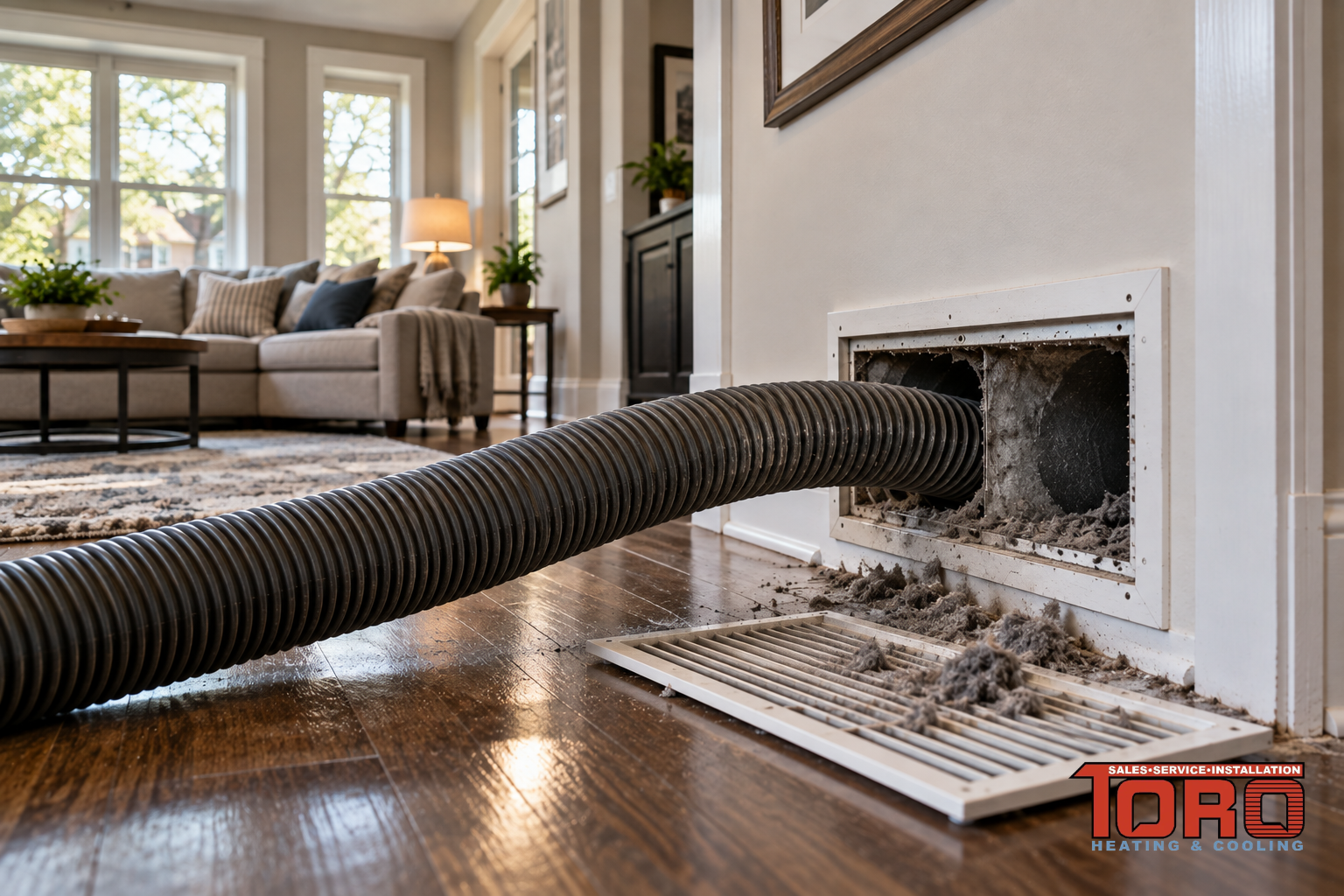
Ducts are often the weak spot in HVAC performance. If they leak or are poorly insulated, a lot of conditioned air never makes it to your living space. This forces the system to run longer, increasing energy use. Resources from the U.S. Department of Energy highlight that sealing and proper design are crucial.
Incorrect Refrigerant Charge
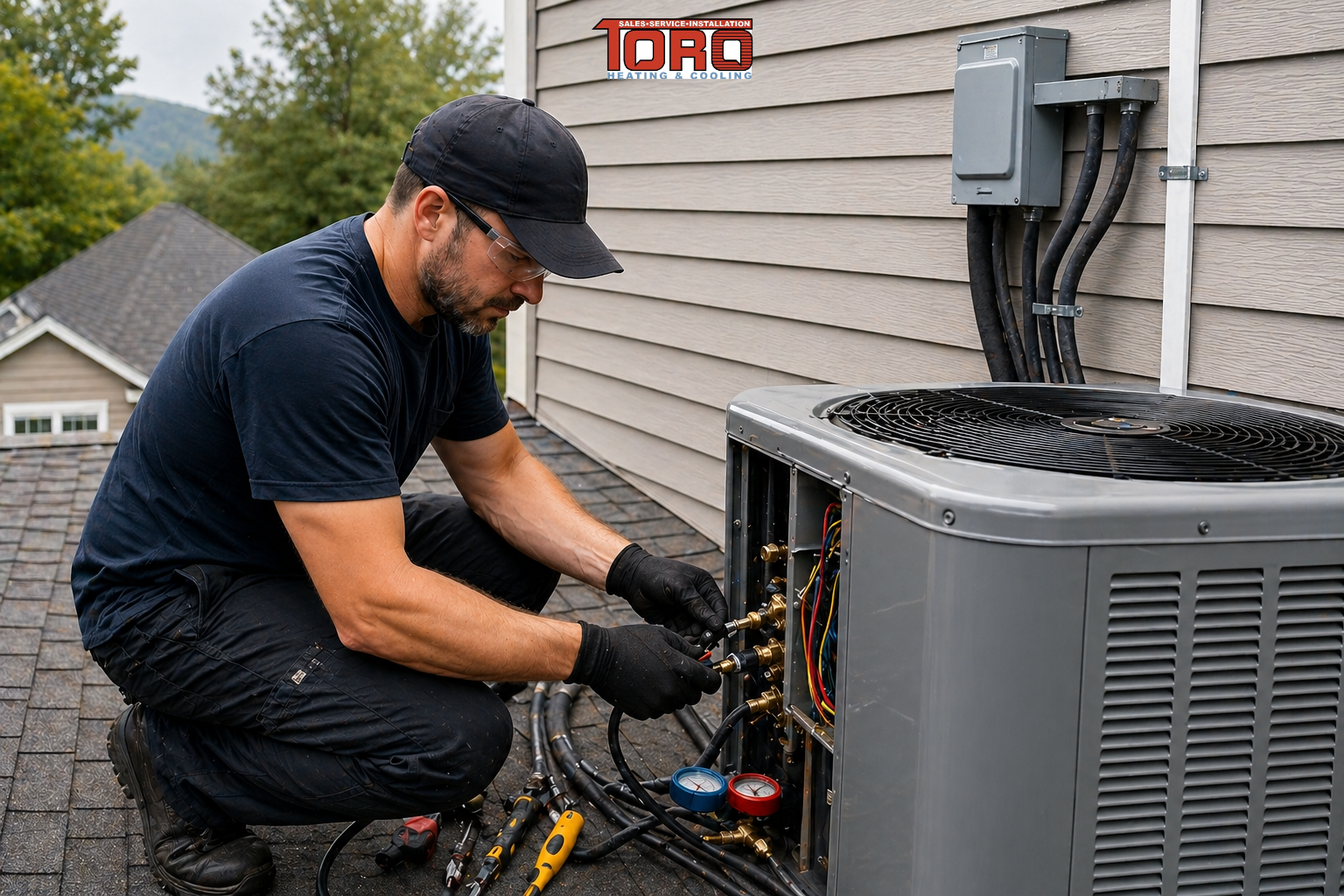
Refrigerant charge is crucial for cooling efficiency. Too much or too little can reduce capacity and damage the compressor. The same goes for poor commissioning, where the system isn't tested under real conditions. Professional installers should inspect connections, airflow, and controls before wrapping up.
Tips for a Better Installation
Start with a Load Calculation
A proper load calculation considers square footage, insulation, and local climate to determine the right equipment size. Skipping this step can lead to comfort problems and energy waste.
Inspect Ductwork Before Replacement
New equipment can't fix bad ductwork. Before installation, check for leaks and restrictions. Services like HVAC duct repair can make a big difference in efficiency.
Verify Airflow and Controls
Testing during startup shouldn't be just a formality. Technicians need to measure airflow and confirm the system cycles properly to avoid inefficiencies and unnecessary strain.
Real-Life Examples of Good Installation
Commercial Success with Advanced Controls
At ProLogis Headquarters in Chicago, a new HVAC system reduced energy use by 78% and improved air quality. This level of performance is only possible when everything from design to installation is done right.
Improvements in Cultural Buildings
The Art Institute of Chicago upgraded its system for better energy efficiency. Projects like this show that careful installation and commissioning go beyond just comfort; they're about reliability and control.
Residential Savings
Homeowners often see benefits like quieter operation, fewer service calls, and lower bills. Studies suggest many residential systems are improperly installed, leading to higher energy use.
FAQs About HVAC Installation
How Can I Tell if My HVAC Was Installed Properly?
Watch for uneven heating or cooling, unexpected utility bill spikes, and frequent breakdowns. A professional inspection can pinpoint the issue.
Why Avoid DIY Installation?
DIY can be risky, void warranties, and lead to inefficiency. Specialized knowledge is needed for refrigerant handling, electrical wiring, and more.
When to Start Maintenance?
Maintenance should start soon after installation to keep things running smoothly. Pairing it with scheduled service is a good way to protect your investment.
Why Installation is Crucial in Chicago
Weather Demands
Chicago's harsh winters and humid summers put systems to the test. If installation is off, the system may struggle all year.
Local Codes and Standards
Proper installation ensures compliance with local codes for efficiency and safety. Professional contractors know how to balance these needs.
Local Support
Working with a contractor familiar with the local environment can make all the difference. Toro Heating & Cooling offers new construction HVAC services that align systems with buildings from the start.
How Installation Affects Maintenance and Repairs
Fewer Future Repairs
A good installation means fewer breakdowns and lower chances of failures. It also helps technicians diagnose issues faster.
Effective Maintenance
Maintenance is more impactful when the system's foundation is solid. For tips on improving efficiency, check out our guide on boosting HVAC efficiency.
Repairs Uncover Installation Flaws
Sometimes, a repair reveals an installation issue. In these cases, fixing the root cause is crucial for proper operation.
Small Details That Protect Efficiency
Thermostat Placement
Where you place your thermostat matters. It influences your system's behavior, so correct placement and calibration are important.
Humidity Control and Ventilation
Good HVAC isn't just about temperature; it's about humidity too. A system that's not balanced may cool but leave the space sticky. Learn more in our humidity control guide.
Filtration and Airflow
Proper filtration protects your system. Choose and maintain filters carefully to ensure the unit can breathe and stay clean. Regular filter replacement helps preserve installation gains.
What to Expect from Professional Installation
Planning and Design
Professional installation starts with reviewing the building and existing systems. This helps identify potential issues early, making the process smoother.
Careful Replacement Process
Removing old equipment involves more than just disconnecting it. New equipment needs to be set up, connected, and tested according to guidelines.
Final Testing and Education
The process ends with testing and a customer walkthrough. Understanding how to operate the system helps maintain long-term efficiency. For a reliable heating solution, consider heating system installation.
Conclusion: Install It Right, Save for Years
Getting your HVAC installed correctly is crucial for long-term savings and comfort. With smart technologies becoming common, professional installation is more important than ever. A well-installed system saves money and reduces frustration.
If you're planning a new system or replacement, prioritize quality. Ask about load calculations, duct conditions, and maintenance plans. A properly installed system delivers consistent comfort for years. For professional service, explore our HVAC installation solutions today.
For more tips on efficiency and control strategies, check out the Energy Star heating and cooling resources and ASHRAE standards. These sources reinforce the same idea: when HVAC systems are installed correctly, they perform better and last longer.