When the Thermostat and Your Comfort Don’t Match
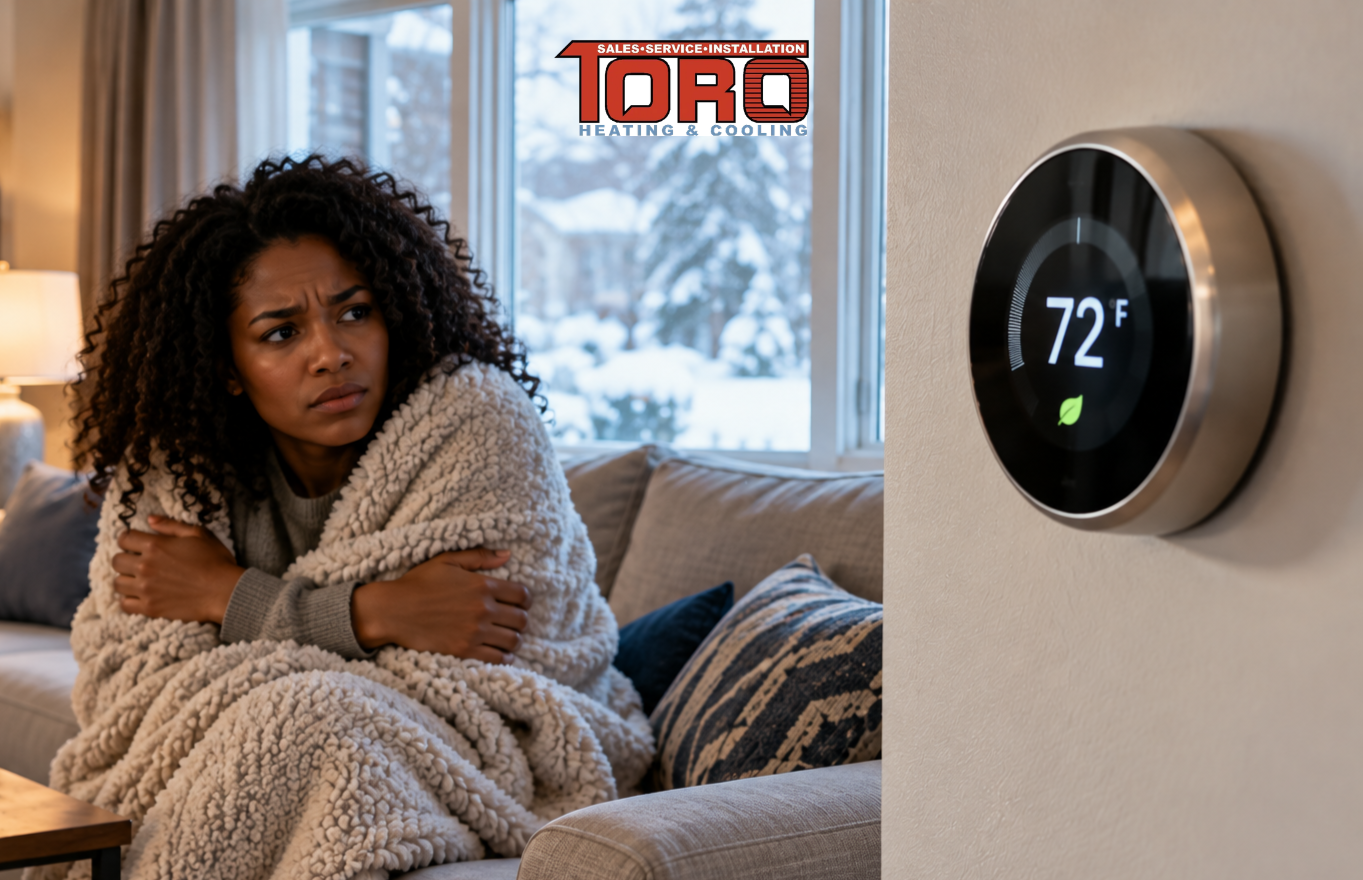
It's pretty annoying when you look at your thermostat, see 72°F, but still feel like you're freezing. Usually, it's not just about the number on the screen. The issue could be poor airflow, aging equipment, duct problems, humidity issues, or a thermostat that isn't reading the room correctly. Our HVAC repair team often finds that when your house feels cold, it's often due to one or two things that can be fixed.
This guide breaks down why your house might feel colder than what the thermostat says, what you can check yourself, and when to call in a pro. We'll also look at how heating performance, indoor air quality, and your home's layout can impact comfort. For more on keeping these issues at bay, check out our HVAC system maintenance service. Regular care can stop small problems from turning into big headaches.
The U.S. Department of Energy says heating systems work best when airflow, insulation, and controls all work together. If you want to know more about keeping your home comfy and energy-efficient, the DOE Energy Saver resource is a good place to start.
Why 72°F Can Still Feel Cold
Your body feels temperature differently than a number
Thermostat numbers are just a piece of the puzzle. Your body senses heat from things like radiant heat, moving air, humidity, and the temperature of surfaces around you like windows, walls, and floors. So, a room can technically be 72°F but still feel drafty or cold if surfaces are chilly or there's a draft.
This is more noticeable in rooms with big windows or walls that face outside. A living room might be 72°F near the thermostat, but if you're sitting by a drafty window, it feels much colder. If certain rooms stay uncomfortable even after adjustments, our heating system repair service can check whether it's a problem with the furnace, ductwork, or airflow.
Humidity changes how warm air feels.
Low indoor humidity is a big reason your home might feel colder than expected in the winter. Dry air pulls moisture from your skin, making the temperature feel less comfortable. It can also cause static electricity, dry out your nasal passages, and just generally make you feel colder than the thermostat says.
Whole-home humidity support can really boost comfort, especially during long heating seasons. Our air cleaners and humidifier solutions can help improve comfort and support healthier indoor air. For more on humidity and indoor air quality, check out the EPA indoor air quality guidance to see why moisture balance is so important indoors.
Drafts and cold surfaces steal comfort.
Even if your home's heated well, it can still feel cold if cold air sneaks in through windows, doors, attic accesses, or duct joints. Cold surfaces can radiate discomfort and create spots where heat just disappears. That's why one person might feel fine in the middle of a room while another near an outside wall feels cold all night.
If you think airflow losses are the issue, our HVAC duct repair service can help fix the path warm air should follow. Leaky ducts, disconnected runs, and poor insulation can all cut down on the heat reaching your living space, even when the furnace is working fine.
Common HVAC Problems Behind the Comfort Gap
Dirty filters restrict airflow.
A clogged filter is one of the most common reasons your home might feel underheated. When airflow is restricted, warm air moves slower through the system, rooms heat unevenly, and the furnace might cycle in a way that never fully satisfies the thermostat. Sometimes the thermostat hits its setpoint in one area while other rooms never get enough warm air.
Changing filters is a small task that can make a big improvement. If you're unsure when to change yours, our filter replacement / maintenance service can help set a regular schedule based on your system and household needs. Better airflow often means better comfort, less wear, and fewer surprise repair calls.
Thermostat placement can create false readings
Sometimes the thermostat isn't broken, but it's reading the wrong part of the home. If it's near a supply vent, sunny window, exterior door, or kitchen, it might sense conditions that don't reflect the rest of the house. That can cause the system to shut off too soon or run too little, leaving rooms colder than expected.
Modern controls and proper calibration are important. Our thermostat services can help determine whether the issue is with the wiring, placement, calibration, or a smart thermostat setup problem. If replacement is needed, our thermostat installation service can improve accuracy and make temperature control more reliable.
Heating equipment may be losing performance.
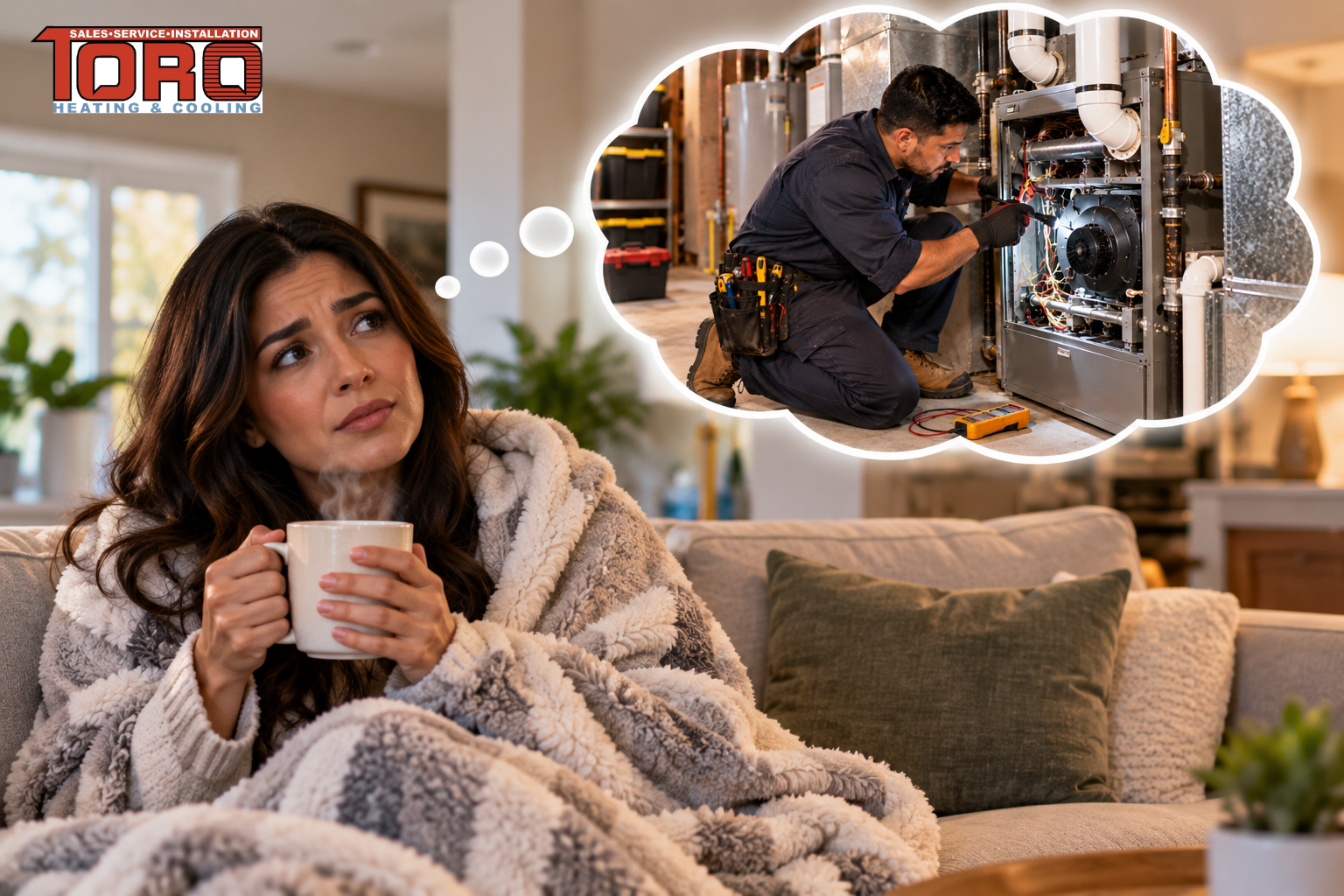
Furnaces and heat pumps can keep running while gradually losing the output needed to warm the whole house properly. A weak blower motor, dirty burners, failing sensors, or control problems may cut down on heat delivery without causing a total shutdown. In that case, the home feels cold even though the thermostat is calling for heat and the system seems active.
For homes that depend on forced-air heat, our furnace repair team can check ignition, combustion, blower operation, and safety components. If you use another heating style, our heat pump repair service can diagnose whether refrigerant, reversing valves, defrost issues, or electrical controls are affecting comfort.
Airflow and Duct Issues That Make Rooms Feel Cold
Balanced airflow matters more than many homeowners realize
Heating systems are meant to move air consistently, not just generate hot air. If return air is blocked, supply vents are closed, or ducts are undersized, rooms can heat unevenly and feel colder far from the thermostat. Often, the system isn't completely failing; it just can't deliver comfort evenly.
That's why focusing on airflow is so important. Our ventilation system services can improve circulation, fix pressure issues, and support more even room-to-room comfort. If the problem is more specifically tied to duct condition, sealed and properly designed runs are often the difference between a home that feels balanced and one that never quite warms up.
Leaky or damaged ducts waste heated air
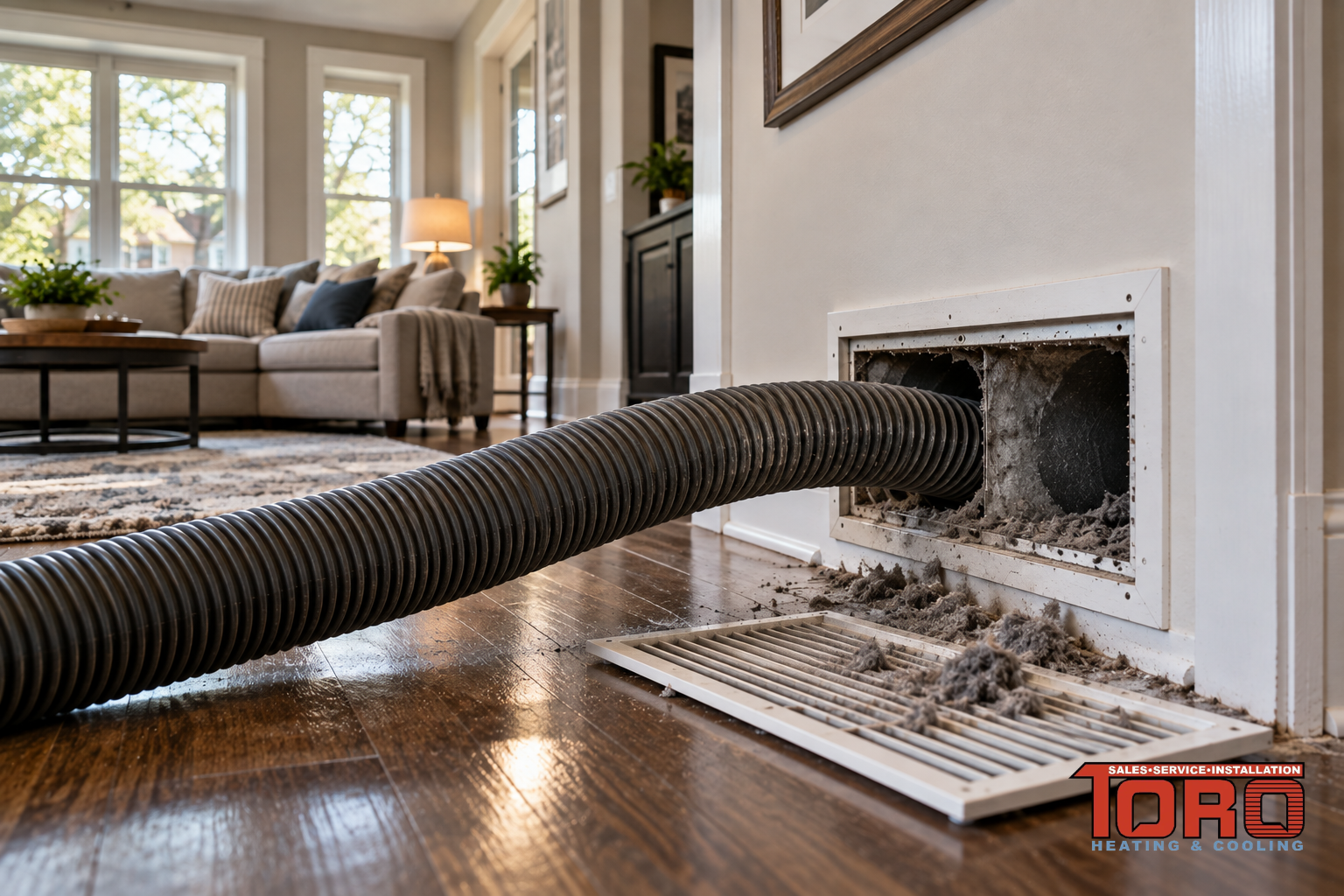
Duct leaks can send warm air into attics, crawl spaces, or wall cavities before it ever reaches the rooms where you need it. A small leak in the wrong place can create a noticeable difference in comfort, especially during windy weather or long cold stretches. In older homes, detached joints, crushed flex duct, and damaged insulation are especially common.
When ducts are the weak link, repair or redesign may be the most effective solution. Our HVAC duct installation and HVAC duct repair services can help restore proper delivery. For those curious about how this affects dust as well, check out our article on why your home gets dusty quickly to see how duct problems often affect both dust and comfort.
Vent placement can create cold spots
Even if ducts are intact, poor vent placement can make some rooms feel chilly and others stuffy. A vent pointed toward a doorway, blocked by furniture, or positioned badly for room layout might not distribute heat well. The result is often a home where one area feels over-served and another never seems to catch up.
Professional vent adjustments can help improve distribution without needing a full system replacement. If a space seems especially uneven, our HVAC vent installation and HVAC vent repair services can improve room balance and make your heating system more effective where you actually live and spend time.
Insulation, Windows, and Building Envelope Problems
Heat loss can outpace heat production
Sometimes the HVAC system is doing its job, but the house is losing heat faster than it can be replaced. Poor insulation in the attic, gaps around penetrations, and old windows can all drain warmth from the home. In that case, the thermostat might stay at 72°F near the sensor while the rest of the house constantly loses heat to the outdoors.
Home comfort is a building-wide issue, not just an equipment issue. That's why a professional assessment often includes checking the envelope along with the furnace or heat pump. If your system is old as well as inefficient, our HVAC installation service can be a smart option when repairs no longer solve the bigger problem.
Windows and sunlight change how a room feels.
Large windows can create comfort swings throughout the day. A sunny room might feel warm enough in the afternoon and cold in the evening, while shaded rooms stay cool all day. Drafts around old frames and heat loss through glass make the problem even more noticeable in winter.
The U.S. Department of Energy’s guidance on air sealing and insulation can help, especially for those trying to understand why certain rooms never seem comfortable. You can also check out air sealing recommendations from DOE to see how making a home tighter can improve both comfort and energy efficiency.
Room use and furniture placement matter too
Heavy furniture against vents, rugs covering floor registers, and blocked return grilles can disrupt how heat moves through the house. Sometimes the problem isn't major equipment failure at all, but a simple airflow obstruction that makes one or two rooms feel stubbornly cold. When the heating system can't breathe or circulate properly, the thermostat is only telling part of the story.
Rearranging furniture, keeping registers open, and clearing returns can produce immediate improvement. If you're unsure whether the system itself needs attention, our heating system maintenance service can identify obstructions, weak components, and buildup before they turn into comfort complaints or repair calls.
How to Troubleshoot the Problem Before Calling for Help
Check the simplest things first
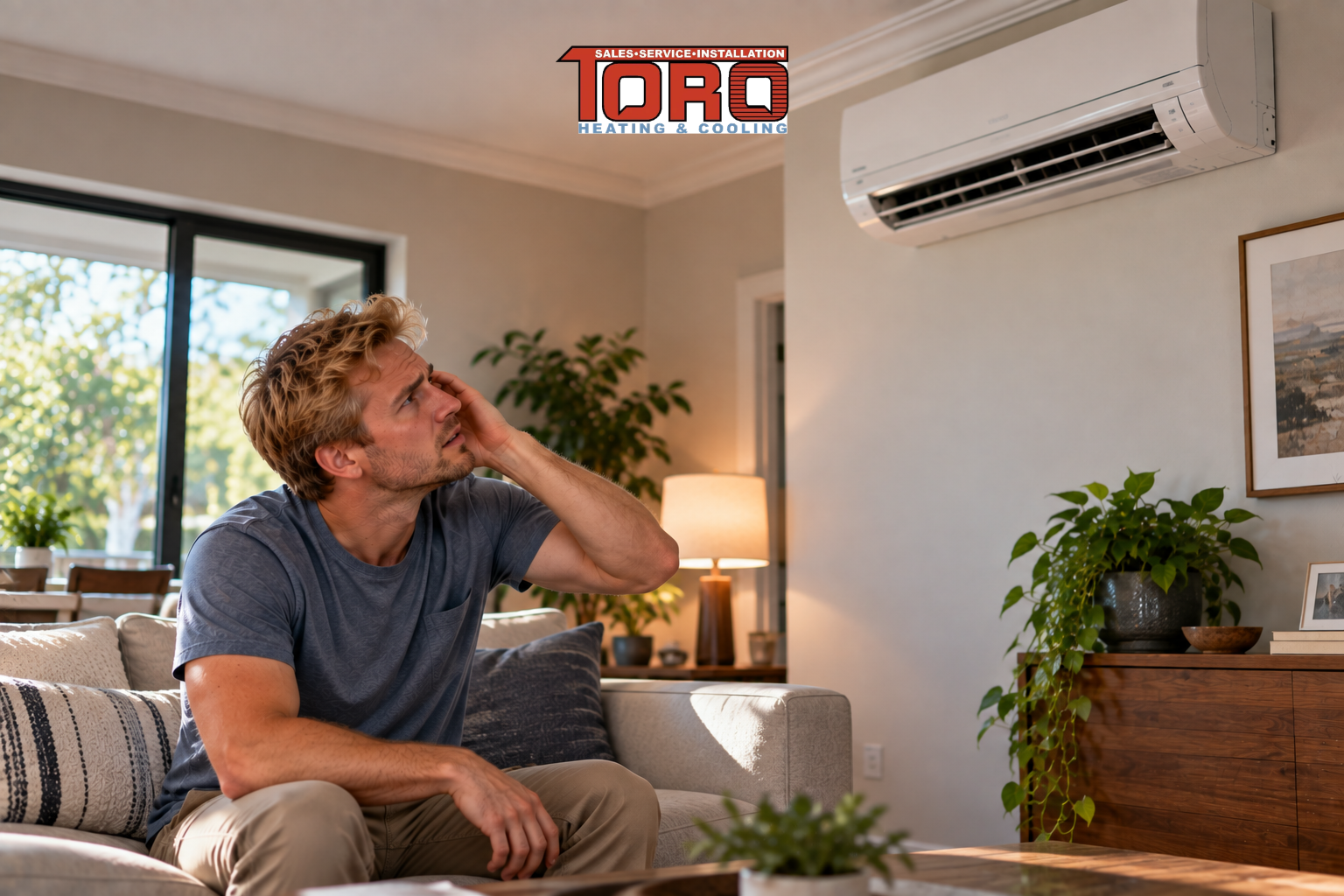
Before assuming the furnace has failed, take a quick look at the thermostat mode, fan setting, batteries, and programmed schedule. Make sure it's set to heat, not cool or auto with a confusing recovery schedule. If the fan is set to “on,” air might be blowing continuously without enough heat output to feel comfortable.
Next, walk room to room and compare how the house feels. If only one room is cold, the issue might be localized to airflow or insulation. If the whole house feels cold, the problem is more likely tied to system performance, duct distribution, or thermostat accuracy. When the diagnosis is unclear, professional troubleshooting can save time and prevent unnecessary parts replacement.
Measure temperatures in more than one place
A simple thermometer can reveal whether the thermostat is reading accurately. Place it in the room that feels cold, then compare that reading with the thermostat location. If the thermostat says 72°F but the room you occupy is closer to 66°F, you likely have a location, circulation, or heat-distribution issue rather than a true setpoint problem.
This is also a good time to listen for unusual operating patterns. A furnace that short cycles, runs constantly, or makes repeated start attempts often has an underlying issue that should be addressed. For a broader list of warning signs, our article 5 signs your furnace needs attention this fall explains how early symptoms can help you avoid a full breakdown.
Watch for uneven room-by-room heating
Uneven comfort is one of the clearest clues that the issue isn't just “the house is cold,” but “the system is delivering heat unevenly.” If bedrooms stay chilly while the hallway is comfortable, or if one floor feels warm while another feels cold, airflow and balancing problems are likely involved. That kind of pattern often points to ducts, dampers, or system sizing.
In homes with persistent balance problems, a targeted inspection is often the fastest path to a solution. Our residential HVAC services can help homeowners find the root of the problem rather than just treating symptoms. A good diagnosis can be the difference between a quick fix and months of discomfort.
When the Fix Is Maintenance, Not Major Repair
Routine tuneups keep systems responsive
Annual maintenance helps heating equipment deliver the performance it was designed to provide. During a tuneup, a technician can clean components, test controls, inspect ignition systems, and verify airflow concerns before cold weather exposes them. Systems that aren't maintained tend to lose efficiency, comfort, and reliability at the same time.
Maintenance is especially valuable for homes with older equipment or repeated comfort complaints. Our heating system maintenance service is built to catch small problems early, reduce wear, and keep winter comfort more consistent. If your system also handles cooling, a combined approach may help both seasons run more smoothly.
Indoor air quality affects how warm a home feels.
Dry, dusty, or poorly ventilated indoor air can make your home feel less comfortable even if the temperature is right. Dust can aggravate allergies, and stale air can make rooms feel stuffy or colder than expected. Good filtration, regular maintenance, and proper ventilation all support better comfort by helping the system move clean air the way it should.
For homes that need more help with indoor air balance, our air cleaners & humidifiers solutions can improve both comfort and air quality. The EPA and CDC both emphasize the value of healthy indoor environments, and the CDC’s general indoor air quality information is a useful reference at CDC indoor air guidance.
System upgrades may be the best long-term answer
At some point, repeated repairs may cost more than a strategic upgrade. If your furnace is aging, your ducts are poorly designed, or your thermostat is outdated, replacement may provide better comfort and lower operating stress over time. A properly sized and installed system can solve problems that patchwork fixes cannot.
When replacement makes sense, planning matters. Our heating system installation service and furnace installation support proper sizing, safe startup, and dependable heat delivery. For homes considering a more efficient all-season option, a heat pump installation may also improve comfort by providing consistent performance in both heating and cooling seasons.
Frequently Asked Questions About Cold Homes and Thermostats
Why does my thermostat say 72°F when I still feel chilly?
Because thermostat temperature isn't the same as comfort. Drafts, humidity, cold surfaces, airflow issues, and thermostat placement can all make a home feel colder than the number on the screen suggests. The system may be heating one area well while another area remains underserved.
Can low humidity really make my house feel colder?
Yes. Dry air can make you feel colder at the same temperature because it affects skin moisture and comfort perception. It's common for homes to feel more comfortable after humidity is adjusted, especially during long heating seasons. That's why humidity control is often part of a complete comfort plan.
Should I replace the thermostat first?
Not always. If the thermostat is old, poorly placed, or inaccurate, replacement may help. But many “thermostat” problems are actually airflow, insulation, duct, or equipment issues. A proper inspection should look at the whole system before recommending a swap.
What if only one room feels cold?
A single cold room usually points to a localized airflow or envelope issue. Check vents, furniture placement, duct condition, windows, and insulation before assuming the entire heating system is failing. If the room stays cold after those checks, a technician can help identify the precise cause.
What to Do Next If Your Home Still Feels Cold
If your thermostat says 72°F but your home still feels cold, the solution usually isn't guesswork. Start with simple checks like filters, thermostat settings, and blocked vents, then move toward airflow, ductwork, humidity, and equipment performance. The sooner you identify the real cause, the sooner you can restore comfort and stop overworking your heating system.
For homeowners who want a practical next step, schedule a professional evaluation so the problem can be diagnosed correctly the first time. Toro Heating & Cooling helps homeowners compare system behavior, airflow, and comfort patterns so fixes are targeted and effective. If your home needs reliable help with heating, controls, ductwork, or maintenance, contact us at Toro Heating & Cooling or call (773) 202-9933 to get started. A warmer, more balanced home is often closer than you think.