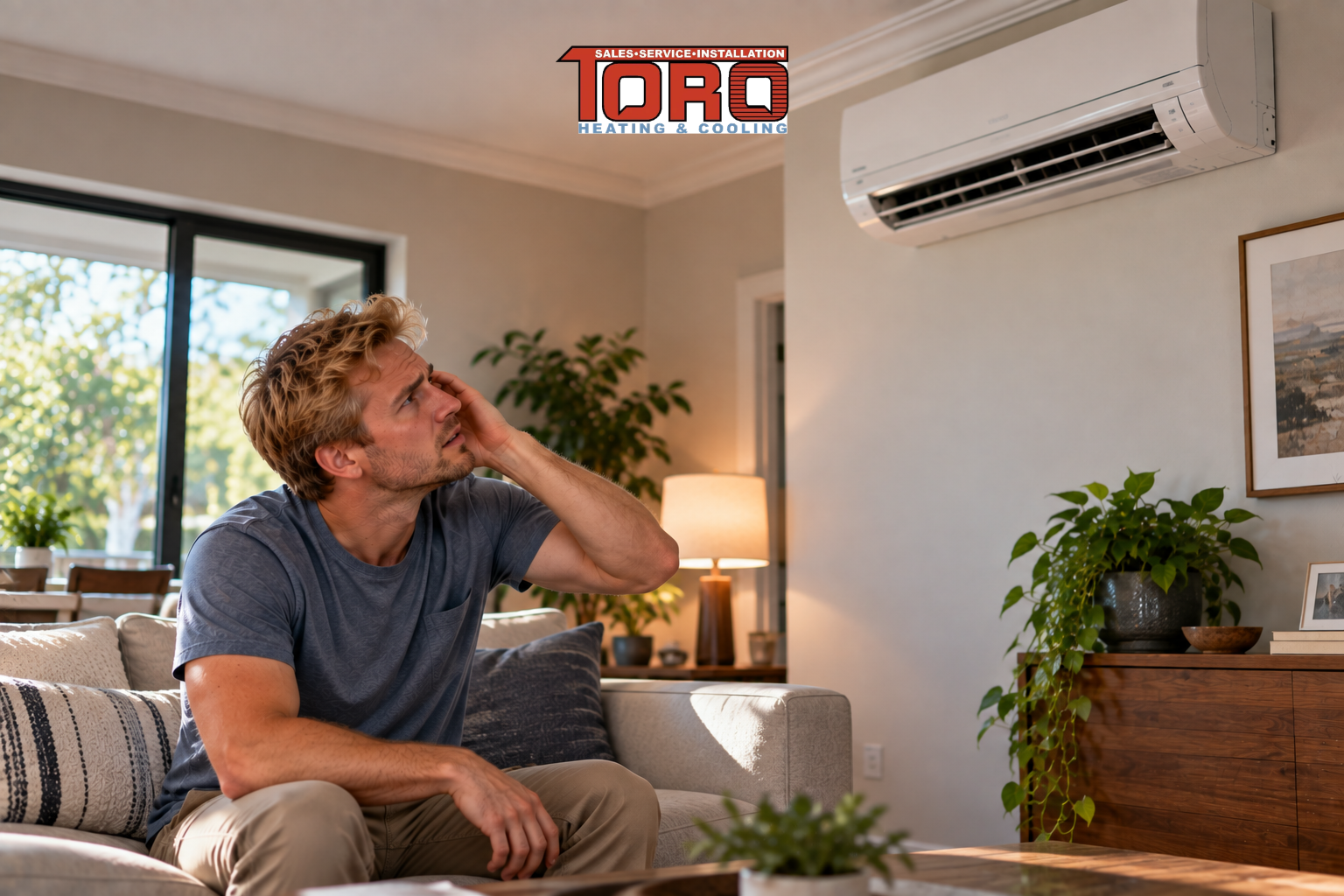
If you find yourself dusting your home only to see it covered the next day again, the culprit might be more than just a busy family or a forgotten shelf. Often, the real issue lies within your HVAC system. Dust, debris, and other particles can circulate throughout your home if your air ducts are dirty or leaky. If you're scratching your head over why dust returns so quickly, it might be time to look beyond your regular cleaning routine and examine the airflow hiding behind your walls and ceilings.
This guide dives into why homes get dusty fast, how air ducts might be contributing, and what you can do to tackle the problem. You'll also learn when cleaning is enough, when repairs are needed, and how services like air duct cleaning, HVAC duct repair, and filter replacement and maintenance can make a difference. For more on indoor air quality, the U.S. Environmental Protection Agency shares insights on common indoor pollutants and ventilation basics.
Why Dust Builds Up So Quickly in Homes
Dust Isn't Just Dirt
Dust is more than just dirt. It’s a mix of skin cells, fibers, pollen, soil, pet dander, soot, and bits from daily life. Even if your home is spotless, dust is naturally produced, especially if you have people or pets moving around often. If your HVAC system is pulling in outside contaminants or just moving old dust around, you’ll notice dust accumulating faster than you’d expect.
Busy Homes Show More Dust
In homes with a lot of activity, like open floor plans and frequent foot traffic, dust is more obvious. Cooking, doing laundry, having pets, and opening windows all add particles to the air. If your home’s air system has weak filters or poor airflow, these particles land on surfaces instead of being captured. So, a dust-prone home often reflects both lifestyle choices and mechanical issues.
Location and Seasons Affect Dust Levels
Homes in busy cities often deal with more dust from traffic, construction, and nearby activities. Seasonal changes also impact indoor dust, especially when you open windows in spring or fall. Take Chicago, for instance: changing weather affects how often HVAC systems run and how much air gets recirculated. During these times, systems with dirty ducts or clogged filters can make dust problems worse.
How Air Ducts Can Spread Dust Throughout Your Home
Dust Accumulates in Ductwork
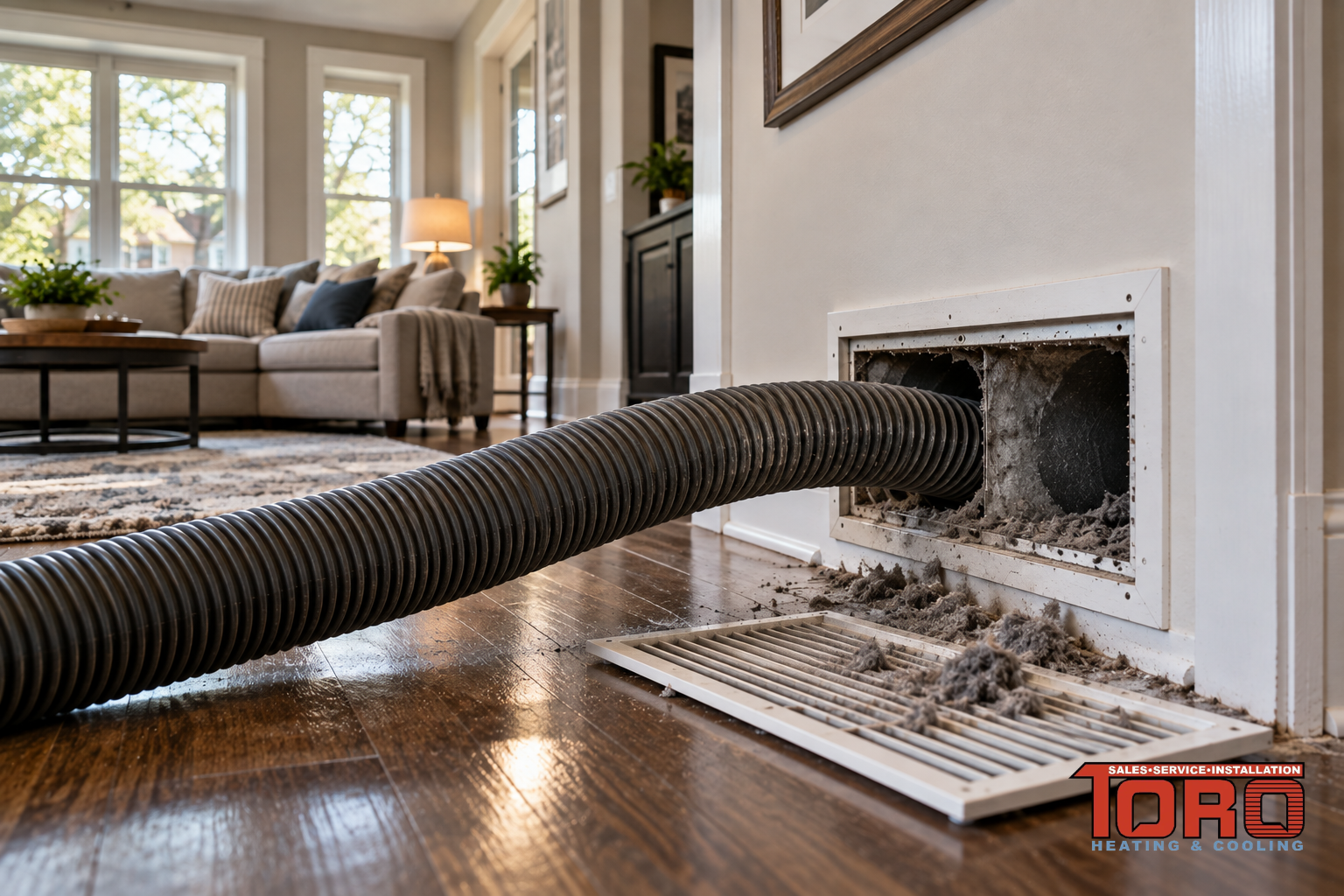
Air ducts collect particles over time. Each time your HVAC system runs, air moves through supply and return paths, letting small amounts of dust settle inside. If your ducts haven’t been cleaned in years, that buildup can become significant. When airflow increases, loose debris can get pulled into rooms and spread throughout the house.
Leaky Ducts Pull in Unwanted Dust
Leaks in ductwork are often hidden causes of rapid dust buildup. Cracks, loose joints, and gaps allow dust from attics, crawlspaces, basements, and walls to enter. This means your system isn’t just circulating indoor dust but also insulation fibers, dirt, and debris from places you don’t want it. Professional duct repair can help seal those leaks, cutting down on contamination.
Don't Overlook Dirty Return Ducts
Return ducts, which pull air back into the HVAC system, are major dust pathways. If your return vents are dirty, blocked, or too small, they may pull in extra debris, causing strain on the system. This can lead to more buildup on vents, registers, and nearby surfaces. Often, an inspection shows that the return side needs just as much attention as the supply side.
The National Institute of Environmental Health Sciences highlights how indoor air quality affects health and comfort, especially when ventilation and filtration are lacking. Dust isn't just a cleaning chore; it can contain allergens or irritants.
Other Reasons Your Home Gets Dusty Fast
Poor Filtration
If your furnace or AC uses a low-quality filter, or if it’s not changed often, many particles will pass right through. A clogged filter can also restrict airflow, reducing the system's ability to clean the air. This is why routine filter replacement and maintenance is one of the easiest ways to cut down on dust.
Drafty Windows and Doors
Dust can enter your home through more than just the HVAC system. Gaps around windows, doors, attic panels, and utility openings can let outside particles in. If your home is drafty, the HVAC system works harder to maintain temperature, which can stir up and circulate indoor dust. Air sealing and duct sealing often work best together.
Carpets, Fabrics, and Pets
Soft surfaces hold dust like a magnet. Carpets trap fibers and debris, curtains catch airborne particles, and upholstered furniture holds dander. Pets add fur and skin flakes that can quickly spread from room to room. Even with great ductwork, a home with lots of fabric surfaces and pets will need more frequent cleaning and better filtration to stay dust-free.
Signs Your Air Ducts Might Be the Issue
Dust Returns Right After Cleaning
If you clean your home only to see dust return within a day or two, look to your ductwork. Quick dust reappearance often means dusty air is still circulating. This happens even in tidy homes since the issue is mechanical, not behavioral.
Visible Dust on Vents
Check for dust buildup around supply registers, return grilles, and vent covers. If you see gray or brown material collecting, your system might be moving particles through the openings. Dark marks on vent edges, uneven airflow, and musty smells can all point to duct issues. Sometimes, vent repair or better vent placement supports better airflow and cleaner rooms.
Uneven Airflow or Stuffy Rooms
If some rooms feel stuffy or dusty while others don't, your ducts might not be balanced. Poor airflow can leave particles hanging in some spaces and cause dust to settle in others. If this is familiar, consider ventilation system services to check airflow, pressure balance, and fresh air exchange. A well-balanced system moves air evenly and reduces spots where dust gathers.
What a Pro Duct Inspection Can Show
Contamination Levels
A professional inspection can reveal whether your ducts have light dust, heavy buildup, or visible debris like construction residue. Technicians also check for biological growth, pests, and moisture. Not every system needs full cleaning, but knowing if the dust problem is cosmetic or a bigger indoor air quality issue is key.
Leaks and Damage
Broken joints, detached sections, and damaged insulation can all let dust into your system. If a duct run is disconnected or crushed, airflow becomes uneven, pulling in contamination from nearby areas. In these cases, targeted repair is often better than repeated cleaning since it addresses the dust source.
Ventilation and Pressure Imbalances
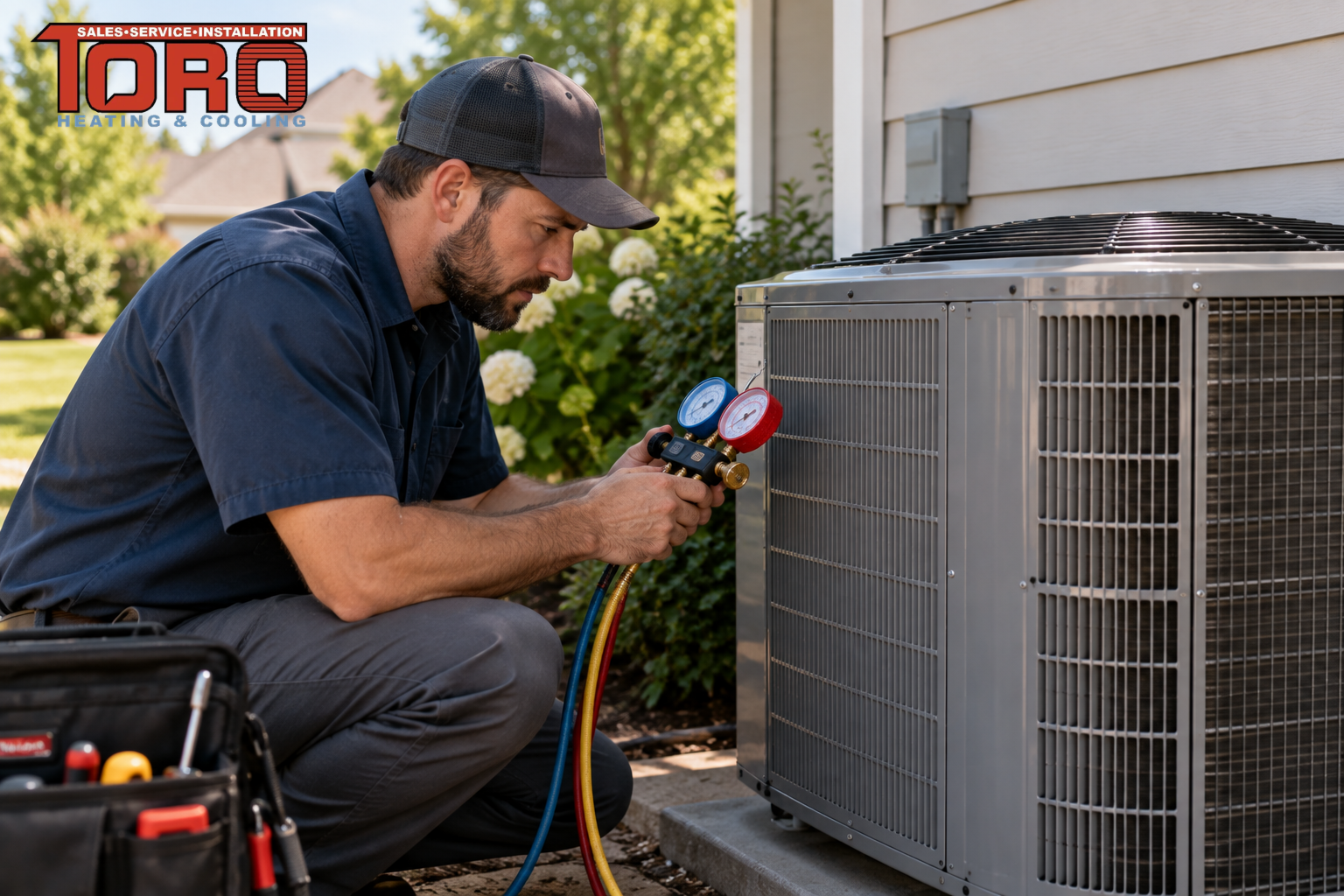
Sometimes, the whole HVAC setup is the problem, not just the ducts. Pressure imbalances can pull in dust from basements, attics, or garages. A trained pro can see if your home needs better ventilation, improved return placement, or a system tune-up. If your HVAC system hasn't been serviced in a while, scheduling HVAC system maintenance can help restore performance and catch issues early.
Ways to Cut Down on Dust Now
Upgrade Your Filter Game
Changing filters regularly is one of the quickest ways to reduce dust. If your system allows, use a filter with a suitable rating for your equipment and comfort needs. A filter that's too restrictive can cause airflow problems, so follow manufacturer guidance or get professional advice. Replace filters on schedule, especially when the system runs more often.
Use the Right Cleaning Tools
Opt for a vacuum with a HEPA filter since standard vacuums can recirculate fine dust. Microfiber cloths are better than dry rags for capturing particles instead of just moving them around. Focus on baseboards, ceiling fans, blinds, return vents, and door frames. These spots often collect dust quickly and are easy to miss.
Control Humidity and Fresh Air
Low humidity makes dust lighter and easier to move through the air, while poor ventilation traps particles inside. The best balance depends on your home and climate, but managing humidity and airflow can help. The CDC/NIOSH indoor air quality resources explain how ventilation and contaminant control support healthier indoor environments.
When Duct Cleaning Makes Sense
Cleaning Helps with Buildup
Air duct cleaning works when there's clear accumulation, visible debris, or a history of construction dust, pest activity, or long periods without maintenance. It can also help after a renovation, especially if drywall dust or sawdust entered the system. In these cases, cleaning removes material that would otherwise keep circulating through the house.
Cleaning Won't Fix Leaks
If your ducts are cracked, disconnected, or poorly sealed, cleaning alone is just a temporary fix. Dust will continue to enter from outside cavities and return spaces. This is why many homeowners combine cleaning with HVAC duct repair or a full duct evaluation. Addressing just the symptom without fixing the source usually means the problem returns.
Replacement May Be Best for Badly Damaged Ducts
In older homes, especially those with deteriorated insulation or recurring moisture issues, duct replacement might be more effective than repeated service calls. Severely damaged ductwork may never seal properly or deliver balanced airflow. If the system is beyond simple repairs, a professional can help decide if a more complete solution is a smarter long-term investment.
How Dust Impacts Comfort, Health, and HVAC Performance
Comfort and Cleaning
Dusty rooms are harder to maintain and less comfortable. Surfaces collect buildup faster, making cleaning more time-consuming and frustrating. Many homeowners notice that dust gives the whole house a stale feel, especially when it gathers on electronics, furniture, and window sills quickly.
Allergies and Respiratory Issues
Dust can irritate allergies, asthma, and general respiratory discomfort, especially if it contains pollen, dander, or mold. Even if you’re not sensitive, breathing dusty air can cause dry eyes, throat irritation, or congestion. That’s why indoor air quality is a quality-of-life issue, not just about appearances.
System Wear and Efficiency
When your system has to move air through dirty filters, obstructed vents, or leaky ducts, it works harder than necessary. This can increase energy use and put extra strain on motors, blowers, and coils. Over time, the HVAC system may need more frequent repairs. If your equipment is already struggling, a technician might recommend HVAC repair to restore proper operation and reduce dust circulation.
Tips for Keeping Your Home Cleaner Longer
Set Up a Seasonal Maintenance Routine
Dust control works best when it's part of a routine. Check filters monthly during peak heating and cooling seasons, vacuum regularly, and inspect visible vents for buildup. Add HVAC inspections to your seasonal to-do list so small issues don't turn into bigger dust problems later.
Focus on Dusty Rooms
Bedrooms, living rooms, and areas with pets or heavy fabric use often need extra attention. If one room is always dustier than the rest, the issue could be airflow or vent balance rather than cleaning frequency. That's where targeted services like air duct cleaning or vent adjustments can make a big difference.
Watch for Dust During Renovations
Construction dust can linger in ducts long after a project is done. New furniture or flooring can release fine particles in the first few weeks. After a renovation, it's smart to clean thoroughly and inspect the HVAC system so debris doesn't keep circulating. If your project was especially dusty, a post-construction duct check can save you from months of recurring cleanup.
FAQs About Dusty Homes
How often should air ducts be cleaned?
There's no one-size-fits-all answer. It depends on pets, renovations, system condition, and indoor air quality concerns. Many homes don't need frequent duct cleaning unless there's visible buildup or a specific issue. The key is to have the system inspected when dust returns unusually fast.
Can a dirty filter really make that much difference?
Absolutely. A dirty or low-quality filter can let fine particles keep circulating and reduce system efficiency. When filters are ignored, dust problems usually become more noticeable quickly. Replacing the filter is one of the easiest improvements you can make.
Should I clean ducts before or after repairs?
In most cases, it's best to repair damaged ductwork first, then clean the system if there's buildup left. Otherwise, new debris can enter through leaks after cleaning is complete. A professional can recommend the best order based on your HVAC system's condition and the type of dust problem you're experiencing.
What if my home still gets dusty after duct cleaning?
If the problem continues, the source might be elsewhere, like poor filtration, inadequate ventilation, open gaps around the home, or worn HVAC components. You might need a broader inspection that includes airflow, returns, vents, and sealing. Comprehensive service often makes the difference between a quick fix and a lasting improvement.
Take the Next Step Toward a Cleaner Home
If your home gets dusty fast, don't just blame it on daily cleaning. Quickly returning dust often points to a larger indoor air or HVAC issue, and air ducts are often involved. By checking filters, assessing airflow, and inspecting ductwork for leaks or buildup, you can reduce dust, improve comfort, and help your HVAC system run more efficiently.
If you're looking for a more complete solution, Toro Heating & Cooling can assist with duct cleaning, duct repair, filter maintenance, and system evaluations to support cleaner indoor air. If you're ready to make your home feel fresher and easier to manage, explore our air duct cleaning and HVAC system maintenance services or contact our team to schedule an inspection. A cleaner home often starts with the system moving the air through it.