Don't Wait for the First Freezing Night: 5 Signs Your Furnace Needs Attention This Fall
As the temperatures start to dip, the last thing you want is a furnace that won't pl ay nice. The best time to catch any heating issues is before the first cold snap hits. This way, you can fix any small problems and dodge any stressful emergencies. If you've been putting off that checkup, this guide will help you spot the early warning signs, understand what they mean, and decide when it's time to call for professional help for furnace repair or heating system maintenance.
Fall is perfect for getting your heating system ready for the cold months ahead. According to the U.S. Department of Energy, regular HVAC maintenance can boost system performance and help prevent costly breakdowns. You can read more about home energy efficiency here. In a city like Chicago, where the weather can change on a dime, waiting until the first freezing night can mean you're already behind.
Let's break down five signs your furnace needs attention this fall, plus the practical steps you can take right away. Whether you're in a house, condo, or a multi-unit building, these warning signs can help you avoid a heating emergency and keep things cozy all season long.
1. Your Furnace Is Making New or Unusual Noises
Banging, rattling, or squealing shouldn't be ignored
A healthy furnace usually hums along quietly, not like a rock band in your basement. If you hear banging when it kicks on, rattling during its run, or high-pitched squealing, something might be loose, worn out, or struggling to move air properly. These sounds often point to issues with the blower motor, belts, panels, ignition, or internal parts that need a quick look.
Some noises are simple fixes, like a loose panel or a vent cover that's vibrating. Others are more serious, especially if the sound keeps coming back or gets louder each time. If your furnace is also heating unevenly, short cycling, or giving off a burning smell, it's time to schedule professional heating system repair before things get worse.
What those sounds often mean
Banging can mean delayed ignition, where gas builds up before lighting. Rattling might mean a loose screw, a cracked part, or debris in the cabinet. Squealing often hints at a failing belt or motor bearing. Ignoring these can make them worse, and some can affect safety as well as comfort.
Homeowners sometimes think noisy operation is just a sign of "normal age," but that's rarely the case. A furnace shouldn't get louder every year. Want a better comparison? Check out the NFPA's guidance on home heating safety for a reminder that unusual equipment behavior needs attention before it becomes a bigger issue.
2. Your Home Feels Unevenly Heated
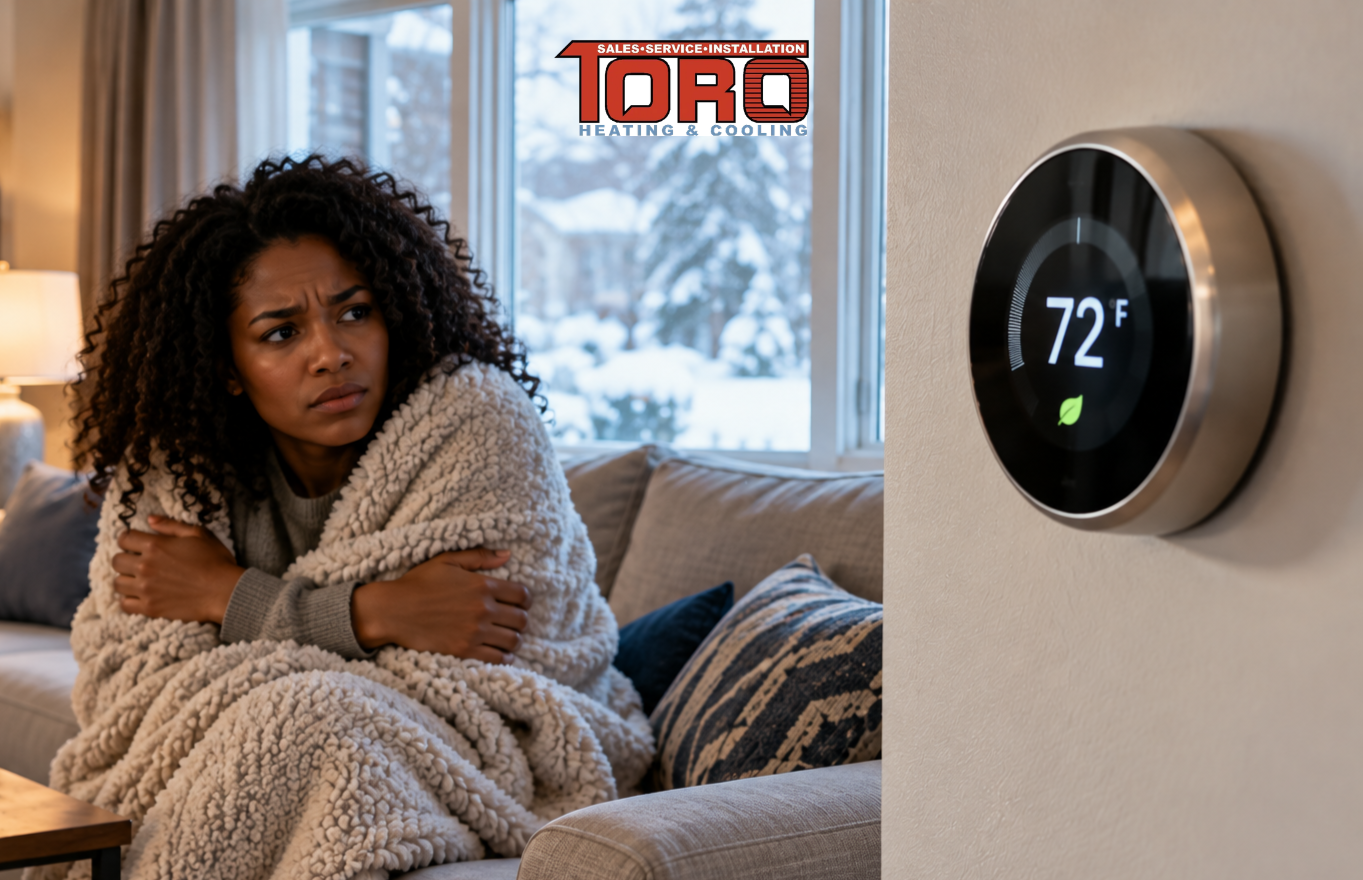
Cold rooms can be a furnace or airflow warning
If one room feels like a sauna while another is a fridge, your furnace might be struggling to deliver even heat. Uneven temperatures can come from clogged filters, leaky ducts, blocked vents, poor airflow, or a furnace not running at full capacity. It's often more than just the thermostat; the whole heating system usually plays a bigger role than you might think.
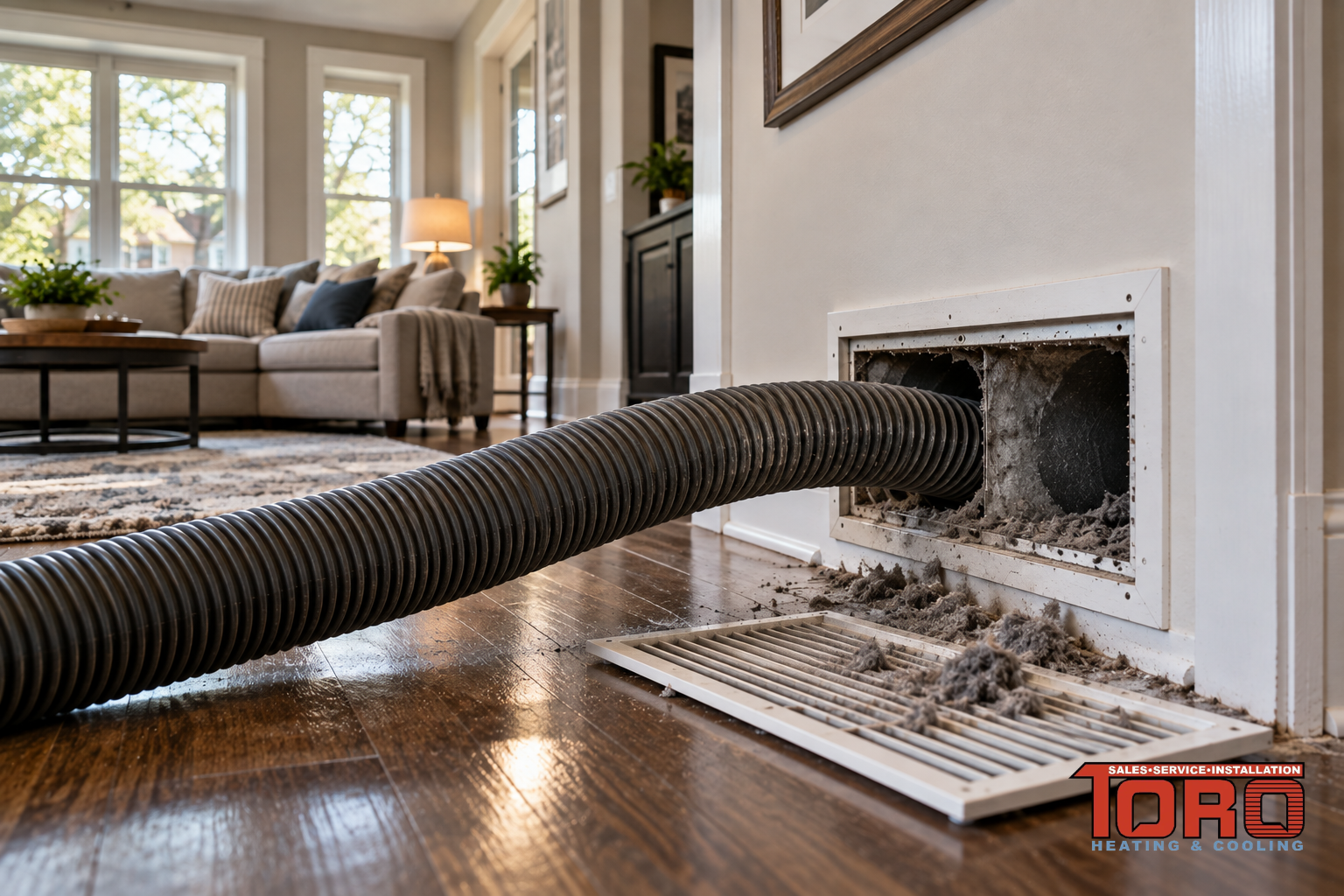
This is where a broader HVAC check can help. A furnace losing efficiency might be the reason for cold bedrooms, chilly basements, or weak airflow from certain vents. If duct leaks, airflow restrictions, or vent damage are part of the problem, services like air duct cleaning and HVAC duct repair could be the fix you need.
Why this matters before winter arrives
Uneven heat isn't just a comfort issue. It can make your system run longer, wear out parts faster, and hike up energy use without better performance. The more your furnace has to compensate, the more likely it is to fail during the first deep freeze when you need it most.
If your home has persistent temperature differences, check the whole comfort system, not just the furnace. The Air Conditioning, Heating, and Refrigeration Institute offers information on HVAC standards and performance. Balanced heating depends on both the equipment and the airflow path.
3. Your Energy Bills Suddenly Rise
Higher utility costs can signal declining furnace efficiency
Many homeowners first notice furnace trouble when the utility bill changes. If your gas or electric costs jump without a clear reason, your heating system may be losing efficiency. Dirty burners, restricted airflow, worn parts, or failing controls can all make the furnace work harder to produce the same amount of heat.
Energy use tends to rise gradually before a major failure. That means the furnace may still “work,” but it is no longer working well. If you compare this year’s bills to the same months last year and see a noticeable increase, that is a useful clue that something is off. This is especially true if your thermostat setting has not changed and your household routine is about the same.
What to check before calling a technician
Start with the basics. Replace or inspect the air filter, make sure supply vents are open, and confirm that the thermostat is set correctly. If those simple fixes do not improve efficiency, the issue may be deeper and require professional diagnosis. A furnace that is cycling too often or running too long may need cleaning, calibration, or a mechanical repair.
Fall maintenance can help prevent this kind of waste. If your system has not been serviced in the past year, a tuneup may uncover problems before they turn into expensive repairs. For homeowners who want to stay proactive, HVAC system maintenance is one of the most reliable ways to improve performance and extend equipment life.
4. The Furnace Cycles On and Off Too Often
Short cycling puts unnecessary strain on the system
Short cycling happens when a furnace turns on, runs briefly, then shuts off before completing a normal heating cycle. It may repeat this pattern several times an hour. This is not just annoying; it can signal an underlying issue such as overheating, a dirty filter, a faulty flame sensor, an oversized system, or a thermostat problem.
Short cycling is hard on equipment because startup puts stress on key parts each time the system engages. It also prevents your home from reaching a stable temperature, which leaves you with inconsistent comfort and higher energy use. In many cases, this is one of the earliest signs that the furnace needs attention before the weather turns severe.
Common causes and why they matter
A clogged filter is one of the most common and easiest-to-fix causes. Restricted airflow can make the furnace overheat, which triggers the safety controls to shut it down. Other causes may require more advanced troubleshooting, including faulty sensors, blower issues, or thermostat miscommunication. If the problem keeps coming back after filter replacement, the issue deserves a professional inspection.
For guidance on thermostat-related issues that may contribute to cycling problems, see our guide to thermostat problems and home comfort. If the thermostat itself is old, unreliable, or poorly placed, thermostat repair or thermostat installation may help restore accurate control.
5. You Notice Strange Smells, Dust, or Poor Air Quality
Odors can reveal furnace or airflow issues
A faint dusty smell when you first turn on the heat for the season can be normal, but persistent odors are not. Burning smells, musty odors, metallic scents, or anything that resembles gas should be treated seriously. These smells may point to dust buildup, overheating components, moisture problems, or a safety concern that needs immediate attention.
Indoor air quality is closely connected to furnace health. If your home gets dusty quickly, or if the air feels stale and dry, your heating system may be contributing to the issue. A dirty filter, clogged ducts, or poor ventilation can make the furnace circulate dust and irritants throughout the home. In some cases, adding filter replacement / maintenance or ventilation system services can improve the indoor environment significantly.
When the air itself is telling you something
If family members are noticing more sneezing, dry throats, or discomfort when the furnace runs, that can be a sign that filtration or humidity control is not keeping up. For additional background on how indoor air quality affects health, the Environmental Protection Agency has a solid overview at EPA Indoor Air Quality. Clean airflow is not a luxury in the heating season; it is part of a healthy, efficient home.
When odors are combined with weak airflow or uneven heating, it is time for a more complete inspection. A technician may need to check the burners, heat exchanger, blower assembly, filter condition, and duct pathways to pinpoint the source of the problem. Catching this early can keep a minor issue from becoming a major repair call during a cold snap.
How to Respond Before the First Freezing Night
Use a simple fall furnace checklist
The easiest way to avoid emergency heating trouble is to act before you need heat every day. Start with a fresh filter, test the thermostat, inspect vents for blockages, and listen closely when the furnace starts up. If you have not turned on the system since spring, run it briefly on a cool day so you can catch unusual behavior while there is still time to schedule service.
It also helps to look for signs outside the furnace itself. Dust around vents, uneven room temperatures, or rising utility costs can all point to a system that needs attention. If the furnace is aging or has needed repeated repairs, ask a technician whether replacement would be more cost-effective than another short-term fix. In that case, furnace installation may be the better long-term investment.
Know what you can safely handle and what you should not.
Homeowners can replace filters, confirm thermostat settings, and keep supply and return vents clear. However, internal repairs, electrical issues, gas concerns, and combustion problems should always be handled by qualified professionals. If you smell gas or suspect a serious safety issue, shut the system down if it is safe to do so and contact emergency help or your utility provider right away.
Fall is also a smart time to think about the rest of your heating system. If you rely on a boiler, heat pump, or ductless setup, seasonal issues may show up differently, but the principle is the same: address warning signs early. For homes with different heating equipment, related services such as heat pump repair or boiler repair may be relevant before the coldest weather arrives.
What a Professional Furnace Inspection Usually Includes
A careful technician checks more than the thermostat
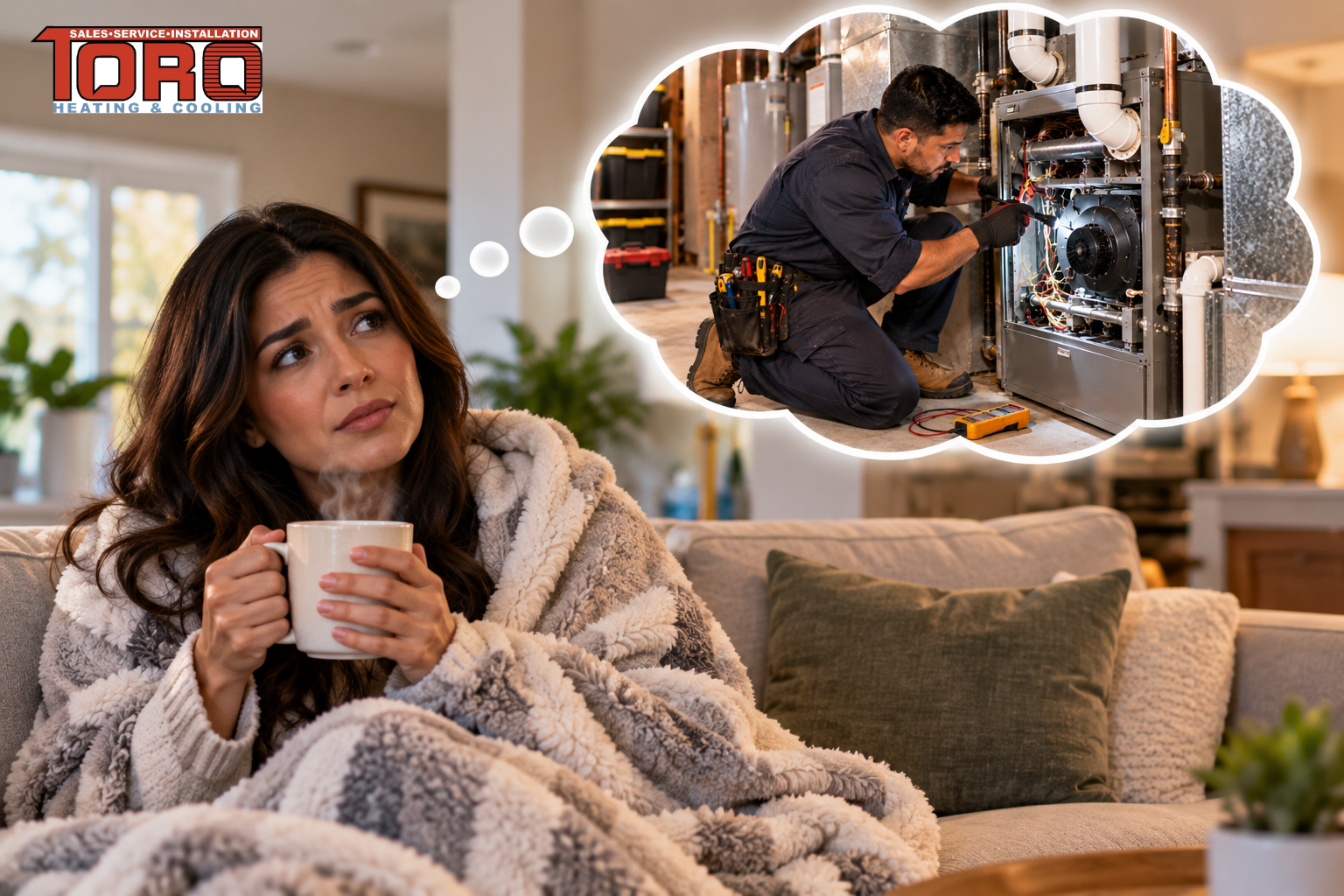
During a professional inspection, a technician will typically look at ignition components, burners, flame sensing, airflow, blower performance, electrical connections, safety switches, and overall system cleanliness. They may also check for abnormal wear, airflow restrictions, and signs that the furnace is struggling to meet demand. This kind of service is designed to catch small problems before they become expensive breakdowns.
In many homes, a preventative visit can reveal several issues at once, such as a dirty filter, a sluggish blower, or a thermostat that is misreading the room temperature. That is why routine care matters even if the furnace is technically still heating. If your system has been showing warning signs, a combination of maintenance and targeted repair often gives the best result.
Why timing matters in the fall
Scheduling service in autumn gives you flexibility. Parts are easier to source, service calendars are less chaotic than during the first cold blast, and you are less likely to end up without heat while waiting for a repair. Homeowners who wait until the first freezing night often face the most stressful scenario: the system fails at the exact moment demand is highest.
That is one reason preventive care is so valuable. If you want a better understanding of the long-term benefits of maintenance, our post on why preventive HVAC maintenance is worth it explains how small seasonal investments can reduce repair pressure later. It is much easier to fix a warning sign in October than to troubleshoot a failed furnace in January.
Common Questions Homeowners Ask About Furnace Warning Signs
How often should a furnace be checked?
Most furnaces should be inspected at least once a year, ideally before heavy use begins. Annual maintenance helps identify wear, clean critical components, and verify safe operation. If your furnace is older, has a history of problems, or works harder because of drafts or poor insulation, a yearly check becomes even more important.
Can I keep using the furnace if the warning signs are minor?
Sometimes yes, but only for a short time and only if there is no safety concern. A noisy furnace or uneven heat may not require immediate shutdown, but it should not be ignored. The longer a small issue continues, the more likely it is to cause a bigger repair bill or a mid-winter emergency.
What if the furnace is old but still working?
An older furnace may still heat the home, but age increases the chance of inefficiency and failure. If repairs are becoming frequent or the system cannot keep up with cold weather, replacement might make more sense than another temporary fix. A licensed technician can help you compare repair costs, expected lifespan, and comfort improvements so you can make the best decision for your home.
Don't Wait Until the Temperature Drops Hard
Early action saves money, stress, and cold nights
Most furnace emergencies do not happen out of nowhere. They usually begin as small warning signs: strange noises, uneven heat, higher bills, short cycling, or odd smells. The homeowners who avoid the worst breakdowns are usually the ones who notice those signs early and act before the system is under full winter pressure.
If your furnace has already shown one or more of these symptoms, now is the right time to schedule service. A professional inspection can help you determine whether the system needs cleaning, repair, maintenance, or replacement. If you are in the Chicago area and want reliable help, Toro Heating & Cooling is ready to assist with furnace repair, seasonal maintenance, and complete heating solutions.
Take the next step now.
Use this fall to get ahead of the cold instead of reacting to it. Check the filter, listen for unusual sounds, pay attention to comfort changes, and schedule service if anything seems off. A warm, efficient home in winter starts with the choices you make before the first freezing night arrives.
For dependable help, contact Toro Heating & Cooling at (773) 202-9933, visit torohvac.com, or reach out at info@torohvac.com. The sooner you act, the easier it is to protect your comfort, your budget, and your furnace for the season ahead.