Strange AC Noises You Should Never Ignore: A Chicago Homeowner’s Guide to Early Repairs
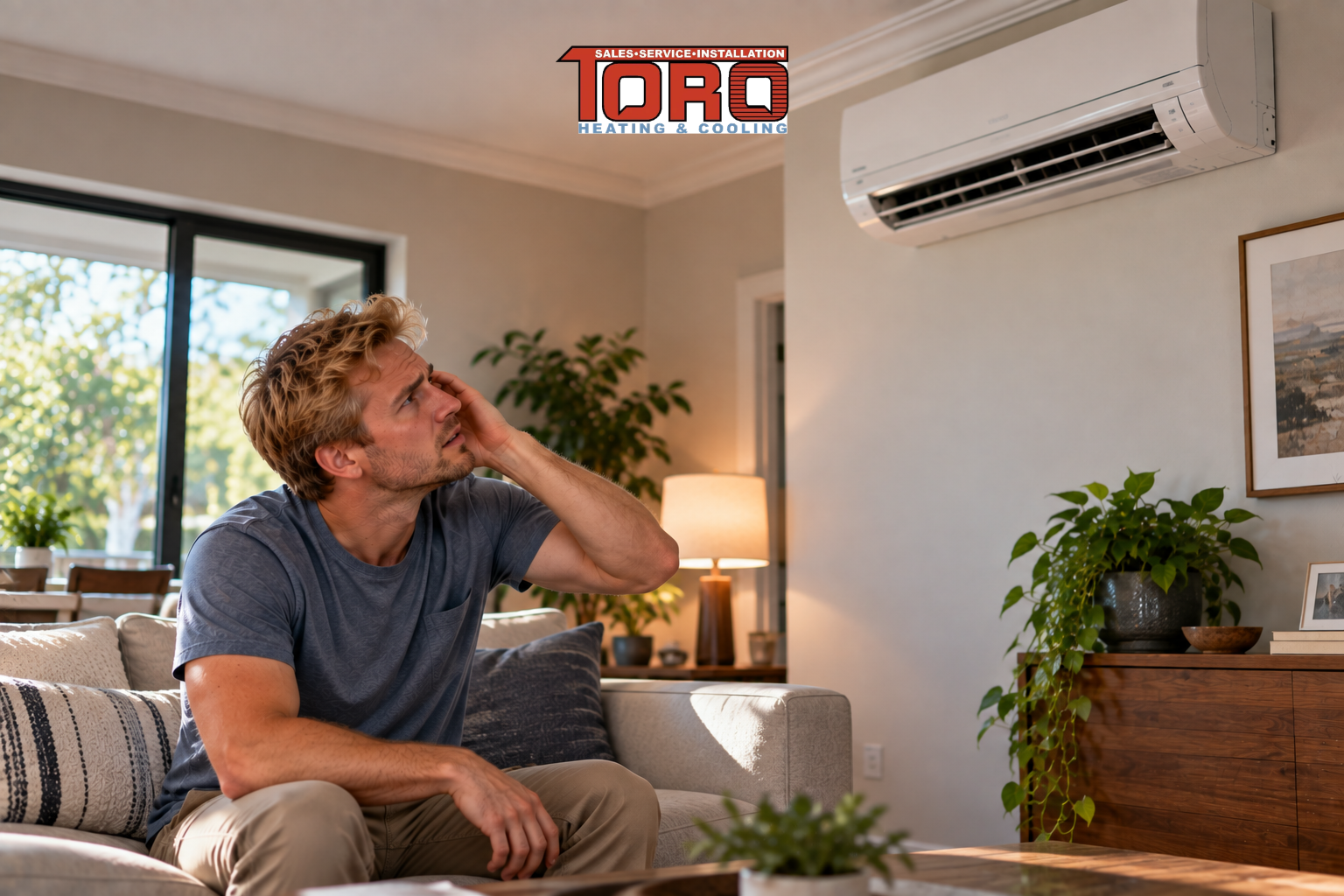
If your air conditioner starts making odd sounds like rattling, buzzing, screeching, or banging, it's trying to tell you something. These noises usually don't just appear out of nowhere. Waiting until your system completely stops working can turn a minor fix into a costly emergency. Addressing these issues early can keep you comfortable, save on energy bills, and extend the life of your equipment. If you need help right away, Toro Heating & Cooling offers fast AC repair service and air duct cleaning to help restore quieter, more efficient operation.
Air conditioners are meant to run with a steady, low hum, so any new sounds are worth noting. Some noises might point to loose parts, while others suggest airflow problems, electrical trouble, or failing components. According to the U.S. Department of Energy, proper maintenance keeps cooling equipment running efficiently and avoids unnecessary strain. In this guide, you'll learn what different AC noises mean, what you can safely check on your own, and when it's time to call a professional.
Why Strange AC Noises Matter
Noise is often the first warning sign.
A noisy air conditioner is often an early warning rather than a final failure. A small rattle might come from a loose screw, a worn fan blade, or a panel that's not secured properly. Left alone, it can lead to vibrations that damage nearby parts, resulting in larger repairs. Addressing the sound early means you're more likely to solve the problem before it affects cooling performance.
Mechanical stress can spread quickly
When one component begins to fail, it can stress other parts of the system. For instance, a struggling blower motor might create unusual humming, reduce airflow, and cause the evaporator coil to ice over. This chain reaction can lead to weaker cooling, shorter cycling, and higher utility costs. If you're already seeing airflow problems, pairing repair with routine AC maintenance can help prevent the issue from returning.
Ignoring noise can raise costs
Small AC problems are usually cheaper to fix than major breakdowns. A belt replacement, capacitor fix, or drain cleaning typically costs much less than replacing a motor that burns out from neglected warning signs. Noise isn't just an annoyance; it's often a clue that something is wearing out faster than it should. Paying attention now can save money and reduce the chance of a midsummer breakdown.
The Most Common AC Noises and What They Usually Mean
Rattling or vibrating sounds
Rattling usually suggests something is loose. It could be a cover panel, a screw, debris inside the cabinet, or a part that's shifted out of place. Sometimes, the sound is harmless and easy to correct, but persistent rattling might point to fan issues or internal wear. If the sound gets louder when the system starts or stops, that's a strong sign the unit should be inspected soon.
Banging or clanking noises
Banging is usually more serious than rattling. It might mean a fan blade is bent, a motor mount is loose, or a compressor part is failing inside the cabinet. Since compressors are among the most expensive components in an air conditioner, banging noises shouldn't be ignored. If your system starts making a banging sound, shut it down and schedule service before more damage occurs.
Screeching, squealing, or high-pitched whining
These noises often come from belt problems in older systems or from motor bearings that need attention. A worn bearing can create friction, heat, and eventual motor failure if the system keeps running. In some homes, a squeal might also indicate airflow restrictions causing the blower to strain. For related comfort issues, homeowners often benefit from thermostat services when the system cycles irregularly or responds poorly to temperature changes.
Buzzing or humming sounds
Buzzing might be electrical, mechanical, or both. Loose wiring, a failing contactor, a weak capacitor, or even debris caught in the fan assembly can all cause a buzzing sound. A constant hum without cooling can indicate the compressor is trying to start but can't complete the job. Since electrical problems can be unsafe, take buzzing seriously and avoid repeated restart attempts.
Clicking, tapping, or ticking
Some clicking is normal when the system starts up or shuts down, but repeated clicking can mean a relay problem, thermostat issue, or control board fault. Ticking can also come from expanding ductwork, which might not be serious by itself. The key is whether the noise is new, frequent, or paired with poor performance. If your thermostat seems unreliable, a professional check can help determine whether the problem is the control system or the cooling equipment itself.
Simple Checks You Can Safely Do Before Calling for Service
Look at the air filter
A dirty filter can restrict airflow and make your AC work harder than necessary. That extra strain can create noise, reduce comfort, and even contribute to ice buildup on the coil. Replacing a clogged filter is one of the simplest ways to improve performance quickly. Regular filter care is also an easy habit to support system health over the long term.
Inspect the outdoor unit area
Sometimes the source of noise is external to the system itself. Leaves, sticks, mulch, and trash can get trapped around the condenser and make the fan sound louder or uneven. Clear at least a reasonable perimeter around the outdoor unit so air can move freely. If you notice bent fins, visible damage, or a fan that seems unsteady, stop there and call a technician.
Check for obvious vibration
Walk near the indoor and outdoor equipment while the system is running and listen for where the sound is strongest. Loose panels often create a metallic buzzing or rattling that changes when you press lightly on the housing. Be cautious and never open electrical compartments unless you're trained to do so. A quick visual check can help you describe the issue accurately when you call for service.
Confirm the thermostat settings
Sometimes the issue isn't the AC unit itself but how it's being commanded to run. If the system is short cycling or producing odd noises during frequent starts, the thermostat might be misreading temperatures or sending inconsistent signals. Double-check settings, batteries, and schedule programming. For more persistent concerns, thermostat repair might be needed to restore proper communication with your cooling system.
When Strange Noises Point to Bigger HVAC Problems
Airflow restrictions and duct issues
Restricted airflow can make an AC sound strained, whistling, or overly loud. The cause might be a dirty filter, blocked vents, or ductwork with leaks, gaps, or poor design. The U.S. Environmental Protection Agency notes that indoor air quality and ventilation are closely tied to healthy, comfortable living conditions, and HVAC airflow plays a major role in both. If airflow seems uneven from room to room, you may need more than a quick fix; a full evaluation of the system, including duct repair or vent balancing, might be necessary.
Refrigerant or coil-related issues
Low refrigerant, coil blockages, or evaporator problems can create unusual noise while also reducing cooling output. A hissing or bubbling sound might suggest refrigerant movement or a leak, especially when cooling becomes weaker at the same time. Evaporator coil problems may also cause frost, water leaks, and long run times. In these situations, evaporator coil service can help restore cooling efficiency and prevent further stress on the system.
Electrical or capacitor failure
If the AC buzzes but doesn't start, or if it starts and stops erratically, electrical components might be failing. A weak capacitor can cause the compressor or fan motor to struggle during startup, often producing humming, clicking, or repeated attempts to engage. These issues should be handled by a trained HVAC technician because electrical diagnosis requires the right tools and safety precautions. Delaying service can allow a small electrical issue to damage more expensive components.
Motor wear and fan problems
Blower motors and condenser fan motors work hard during hot weather, and worn bearings can start complaining before they fail completely. Grinding, squealing, or a metal-on-metal sound often means a motor needs attention. A bent or damaged fan blade can also create imbalance, vibration, and lower airflow. Because fan problems affect both noise and performance, they should be resolved quickly before they lead to overheating or shutdown.
Why Fast Action Protects Comfort and Efficiency
Noise usually gets worse, not better
Mechanical issues rarely solve themselves. A loose part becomes looser, a stressed motor gets hotter, and a dirty coil gets more obstructed as dust builds up. The longer the system operates under strain, the greater the chance that the original sound becomes a full failure. Acting early is usually far less disruptive than waiting until the AC stops cooling on the hottest day of the season.
Efficiency drops when components struggle
Even if your AC still runs, noisy operation often means efficiency is already slipping. The system may need longer cycles to reach the set temperature, which increases energy use and wear. According to the ENERGY STAR program, efficient operation depends heavily on proper maintenance, clean filters, and good airflow. Keeping noise under control is one practical way to support those goals and avoid unnecessary expense.
Comfort can suffer room by room
When an air conditioner struggles, the effects are often noticeable throughout the home. Some rooms may feel warmer, others may never quite reach the desired temperature, and humidity can start to feel sticky. That uneven comfort is often a sign that the system is working harder than it should. If your home is also dealing with airflow inconsistency, planned HVAC maintenance can help identify the root cause before comfort issues get worse.
How Technicians Diagnose a Noisy AC
Listening is part of the diagnosis.
A skilled HVAC technician does more than look for broken parts; they listen carefully to the type, timing, and location of the sound. Noise during startup may point to electrical issues, while noise during operation may suggest a motor, fan, or airflow problem. The pattern of the sound helps narrow down the cause quickly. That is one reason describing when and how the noise happens can speed up repairs.
Testing electrical and mechanical components
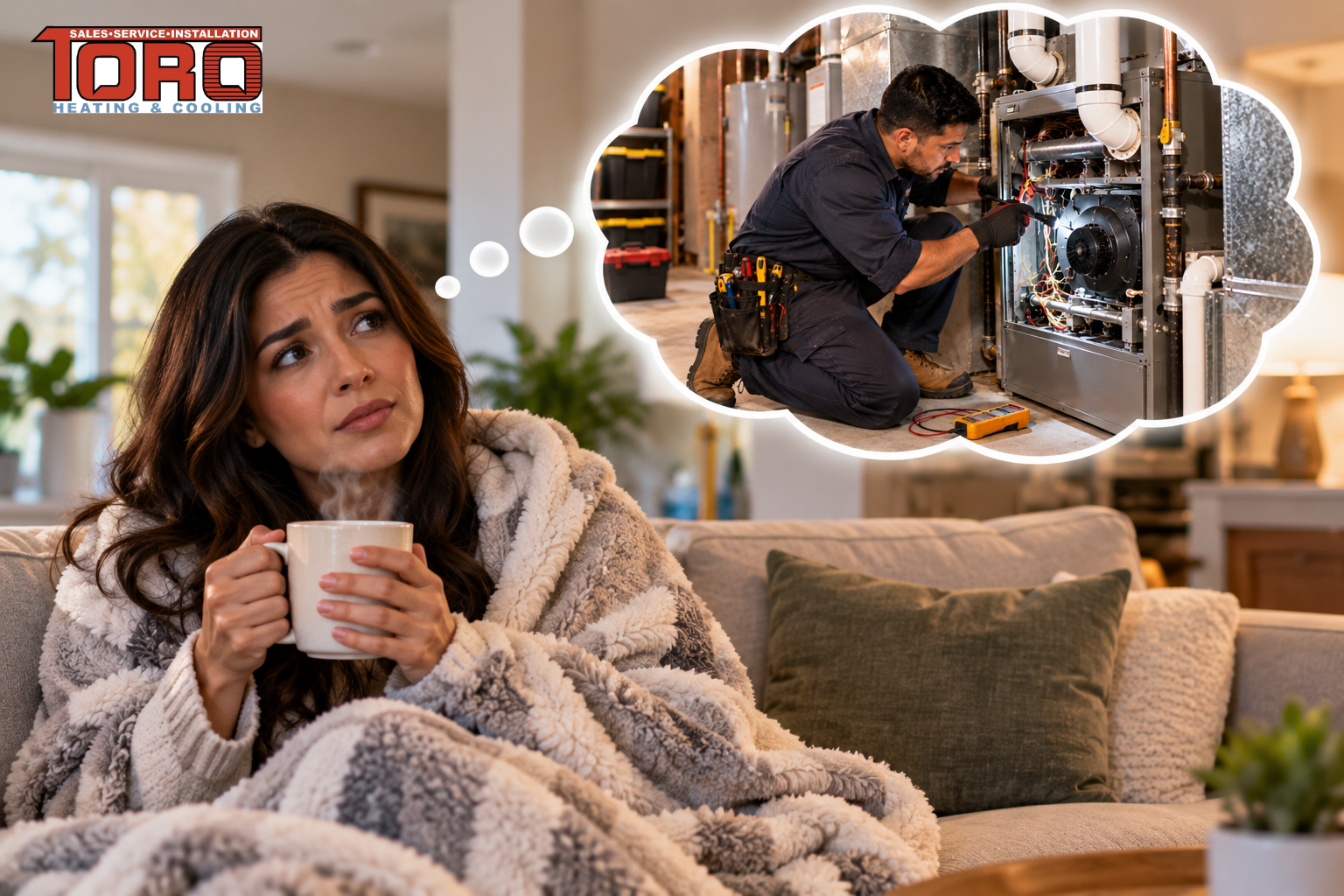
After listening to the system, a technician may test capacitors, contactors, motors, and safety controls. They may also inspect the fan assembly, condenser coil, drain line, and refrigerant pressures. The goal is to find the source of the sound instead of simply treating the symptom. For homeowners who want dependable fixes, professional HVAC repair can prevent guesswork and help restore the unit correctly the first time.
Looking for hidden airflow problems
Noise is often connected to airflow, so technicians may examine the filter, ducts, vents, and blower assembly. If the system has been underperforming for a while, hidden issues such as duct leaks or blocked returns may be making the equipment sound louder than normal. In some homes, a thorough check of ventilation and airflow can uncover the real reason behind repeated AC complaints. That is especially valuable when the equipment itself is not the only problem.
Preventing Future AC Noise Problems
Keep up with seasonal maintenance
The easiest way to reduce the chance of strange AC noises is to schedule regular service before peak cooling season. Maintenance gives a technician the chance to tighten parts, clean coils, test electrical components, and spot wear before it becomes a problem. This proactive approach is one of the best ways to extend equipment life. If you prefer a plan that stays ahead of issues, AC maintenance is a smart investment.
Replace filters on schedule
Clean filters support airflow and help keep dust out of key components. When filters are neglected, the system can become noisier because motors and fans must work harder to move air. In addition, dust buildup can contribute to odors and reduce comfort in the home. A simple filter replacement routine is one of the most affordable ways to support quiet operation.
Protect the outdoor unit.
Keep shrubs trimmed, remove debris, and make sure the outdoor condenser is not being rattled by loose fencing, patio items, or nearby equipment. Small environmental factors can cause a surprising amount of noise. If the cabinet, pad, or connections have shifted over time, they may need adjustment. Preventive care outside the home matters just as much as the parts you can see indoors.
Consider indoor air quality improvements
Dust and buildup can contribute to strain inside the entire HVAC system. Cleaner airflow supports quieter operation and better overall performance. Depending on your home’s needs, solutions like air cleaners and humidifiers or filter replacement and maintenance can help reduce contamination that affects both comfort and equipment life. Cleaner systems usually run smoother and with less noticeable noise.
Frequently Asked Questions About Noisy Air Conditioners
Is it safe to keep running a noisy AC?
Sometimes the system will continue to run for a while, but that does not mean it is safe to ignore. A sound that starts small can quickly become a motor failure, electrical issue, or compressor problem. If the noise is loud, sudden, or paired with weak cooling, it is best to shut the unit down and schedule service. Continuing to run it may increase the damage.
What if the noise only happens at startup?
Startup noises often point to electrical or motor-related issues, especially if the system is trying to engage but sounds strained. Clicking, buzzing, or a brief rattle might not seem serious at first, but these sounds can be early clues. Because startup places extra stress on components, repeated noise at that moment should be checked sooner rather than later. A technician can tell whether it is a minor adjustment or an early warning of failure.
Can ductwork make my AC noisy?
Yes, ductwork can be a major source of noise. Loose duct connections, restricted airflow, poorly insulated runs, and sheet metal expansion can all create sounds that seem like they are coming from the AC unit itself. If the noise changes when different zones or vents are open, ducts may be part of the issue. In that case, a professional assessment can determine whether duct repair or vent service is needed.
How often should I schedule preventive service?
Most homeowners benefit from annual maintenance at minimum, and some systems may need more frequent attention depending on age, usage, and home conditions. If your unit is older or has had repeated noise issues, a more proactive schedule can help prevent breakdowns. Regular inspection is especially helpful before the hottest part of the year. Preventive service is usually much easier than emergency repair during peak demand.
When to Call Toro Heating & Cooling
Call sooner if the noise is new or getting louder
Don't wait for a noisy AC to stop cooling before you take action. New sounds, louder sounds, and sounds paired with weak airflow or uneven temperatures all deserve professional attention. The sooner the issue is identified, the more options you usually have for repair. For homeowners who want fast, reliable help, Toro Heating & Cooling provides responsive service and clear diagnosis.
Get help if you notice multiple warning signs.
If your AC is noisy and also short cycling, leaking, blowing weak air, or failing to reach the thermostat setting, the problem is likely more than one loose part. Multiple symptoms often mean the system is under serious stress. In that situation, a professional inspection can save time and prevent unnecessary repeat visits. It can also help protect your comfort before the system fails on a hot day.
Choose a repair plan that fixes the root cause.
The best AC repair does not just silence a sound for a few days; it solves the underlying issue. That may involve tightening hardware, replacing worn electrical parts, cleaning coils, repairing airflow issues, or addressing a failing motor. If your system needs broader attention, Toro Heating & Cooling can also assist with central air repair and related cooling services so the fix is practical and lasting.
Conclusion: Do Not Ignore the Warning Your AC Is Giving You
A strange AC noise is often your system’s earliest warning that something is wearing out, coming loose, or struggling to keep up. While some sounds begin as minor annoyances, they can quickly turn into expensive repairs if they are ignored. Paying attention to rattles, buzzing, squealing, clanking, or clicking can help you protect both your comfort and your budget. The safest approach is to act early, before the noise becomes a breakdown.
If your air conditioner is making unusual sounds, start with simple checks like the filter, thermostat, and outdoor unit area, then call a professional if the noise persists. Toro Heating & Cooling is ready to help with diagnosis, repair, and preventive service that supports long-term performance. Contact us at (773) 202-9933 or learn more about our AC repair solutions and maintenance options to keep your cooling system running smoothly. Don’t wait for a noisy AC to stop working completely—get it checked while the fix is still simple.