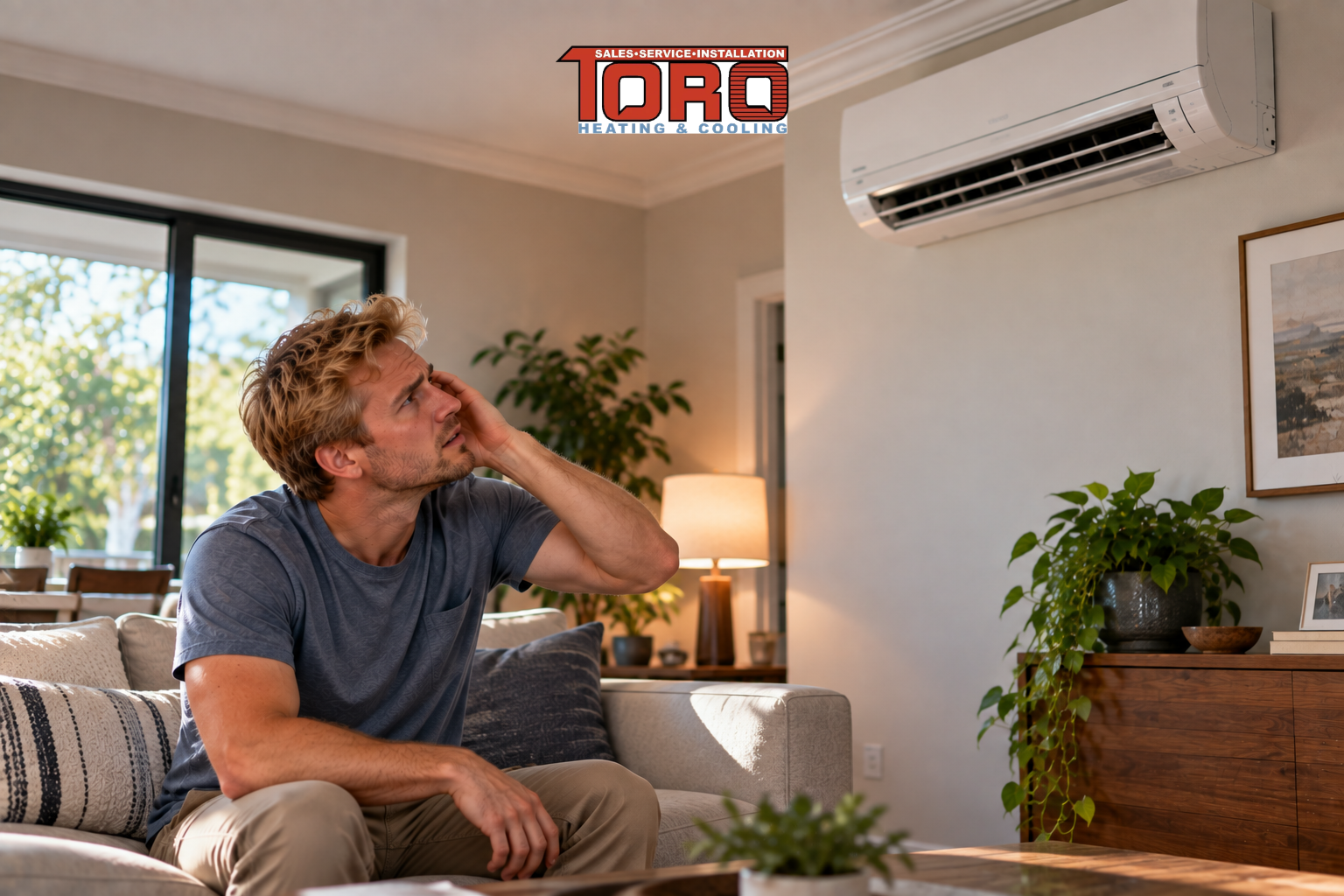
Indoor air quality affects not just how comfortable your home feels but also impacts your long-term health. In a bustling city like Chicago, especially during the winter months when windows stay shut and summer brings in humidity, the air inside your home can quickly become stale and polluted. That's why many folks in Chicago are now considering indoor air quality a health priority.
Let's dive into how poor indoor air quality can affect your health, what's new in monitoring technology, and practical ways to make a real difference. If you're already thinking about how to improve your system, HVAC system maintenance and filter replacement are great places to start.
For a wider perspective on ventilation and filtration standards, the U.S. Environmental Protection Agency points out that indoor air can be more polluted than outdoor air in many cases. You can check out their resources at epa.gov. Knowing this helps Chicago residents make smarter choices about monitoring and maintenance.
Why Indoor Air Quality Is a Big Deal in Chicago
Cold Winters Keep Pollutants Inside
In Chicago, the long heating season means homes are sealed up tight, furnaces run constantly, and indoor pollutants have nowhere to go. Things like dust, pet dander, cooking fumes, and even chemicals from household products can build up. Even if your home feels cozy, the air might still irritate your throat, eyes, or lungs.
This is especially true for older buildings or condos where ventilation might not be up to scratch. If that's your situation, consider starting with air duct cleaning and ventilation system services to improve air circulation.
Summer Humidity: Sticky and Unhealthy
During the humid summer months, the air inside can hold extra moisture, leading to mold, dust mites, and musty smells. High humidity also makes it hard for your body to cool down, making rooms feel stuffy. Experts suggest keeping indoor humidity between 30% and 50% to reduce these risks. The ISSA offers valuable tips on this at issa.com. If moisture is a recurring problem in your home, consider using air cleaners and humidifiers to maintain a healthy balance.
Urban Pollution Sneaks Inside
Living in a dense city like Chicago means outdoor pollutants, like car emissions, can easily enter through doors, windows, and vents. This is especially concerning during events like wildfires. The Chicago Department of Public Health’s Open Air Chicago tool provides real-time air quality data, helping residents make informed decisions. You can read more about it on NBC Chicago.
Health Effects of Poor Indoor Air Quality
Respiratory Problems and Asthma
Poor indoor air quality hits our respiratory system hard. If you have asthma or allergies, you're likely to notice symptoms like coughing or shortness of breath. Even those without chronic conditions might feel congestion or wheezing. Studies, including some from Chicago, have shown how air quality and asthma are linked.
If you're feeling these symptoms regularly, you might need to look into both your filtration system and the condition of your HVAC. Sometimes a simple HVAC repair or air duct cleaning can make a big difference.
Headaches and Fatigue
Poor air doesn't always come with obvious signs. Sometimes it manifests as headaches, tiredness, or trouble focusing. This can be a big issue in offices where productivity is key. At home, it can just make life feel harder than it should be.
These issues often stem from poor ventilation, high carbon dioxide levels, or a buildup of odors. If you're not sure where to start, thermostat services can help check if your comfort controls are working correctly, and maintenance can ensure your equipment isn't causing hidden air quality issues.
Long-Term Health Concerns
While many think of air quality as a short-term comfort issue, the health impacts can be long-lasting. Exposure to pollutants can contribute to inflammation and other health stresses over time. The CDC offers resources on environmental health at cdc.gov. Investing in cleaner air isn't just about comfort; it's about supporting better long-term health.
What's New: Real-Time Monitoring and Awareness
Local Air Data Accessibility
Real-time, local air quality data is more accessible than ever in Chicago. The Open Air Chicago tool provides up-to-date information, allowing people to decide when to open windows or run air filters. This helps residents manage their indoor environments better.
Impact of Wildfire Smoke
Recent wildfires have shown how quickly air quality can change. This has made many realize that indoor air protection is not just a seasonal issue. To learn more about how wildfire smoke has affected Chicago, check out coverage from Axios Chicago.
Monitoring Tools for Quick Reactions
Air quality monitors are now more affordable and user-friendly. They track things like particles and humidity, giving a clearer picture of air quality both inside and out. This helps residents decide on the best course of action, whether it's thermostat installation or ventilation improvements.
Improving Indoor Air Quality with HVAC Strategies
Use High-Efficiency Filters
One effective way to boost air quality is by upgrading your HVAC filters. MERV 13 or higher filters capture smaller particles like dust and pollen. However, stronger filters need to be matched to your system to avoid airflow issues. This is where professional help, such as filter replacement and maintenance, can be beneficial.
Regular Maintenance Matters
Dust and dirt can affect your HVAC system's performance, impacting both air quality and energy efficiency. Regular maintenance helps catch these issues early. Many homeowners find that HVAC system maintenance is a worthwhile investment.
Control Humidity to Prevent Mold
Keeping humidity levels in check is crucial for preventing mold and improving comfort. If you're noticing condensation or musty smells, it might be time to think about air cleaners and humidifiers. These tools work best with good airflow and regular maintenance.
Focus on Ventilation
While clean filters are important, ventilation is key to removing stale air. Without it, pollutants can build up even with strong filtration. For spaces with uneven temperatures, ventilation system services can help improve airflow.
Practical Tips for Homes and Businesses
Start with an Air Quality Checklist
Improving air quality doesn't have to be overwhelming. Start by checking filters, humidity levels, and dust buildup. Pay attention to symptoms like sneezing or headaches that improve when you leave. Here's a quick checklist:
- Replace filters every 1 to 3 months.
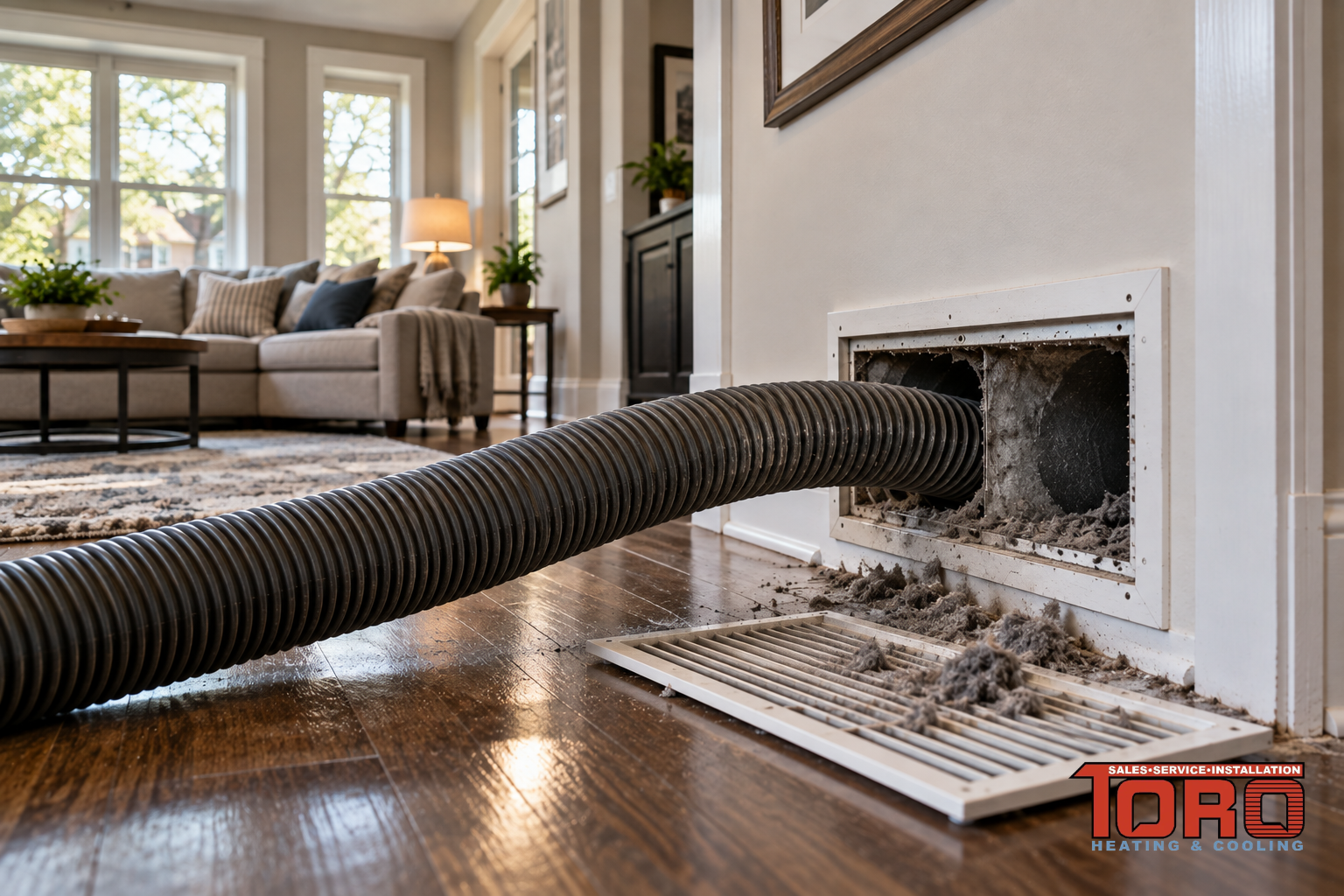
- Check vents for dust or blockages.
- Watch for humidity issues in bathrooms and kitchens.
- Use local air quality alerts to plan your ventilation.
- If problems persist, consider a professional inspection.
For persistent issues, combining air duct cleaning with HVAC repair can tackle both air circulation and contamination.
Pick Solutions That Fit Your Space
Different types of buildings have different needs. Condos might need different solutions than single-family homes or offices. That's why professional diagnosis is important. If you're dealing with comfort issues, central air repair or central air installation might be the way to go.
Strategically Upgrade Equipment
Not every building needs a complete overhaul to improve air quality. Sometimes small upgrades like UV lamps or electronic air cleaners can make a big difference. For targeted upgrades, UV lamp installation and electronic air cleaners can be effective solutions.
Real-World Lessons
Commercial Spaces Need a Plan
In offices and retail spaces, air quality affects both health and customer perception. If air feels stuffy or smells bad, people notice. Chicago businesses can benefit from a proactive approach that includes maintenance and ventilation balancing. For bigger spaces, commercial HVAC services can help align equipment with needs and conditions.
Tailored Solutions Work Best
Local HVAC providers have shown that customized strategies are most effective. If particulate matter is the issue, focus on filtration. If it's moisture, look at dehumidification or ventilation. Sometimes the building needs duct installation to correct airflow issues.
Old Equipment Can Be a Problem
Even if you're doing everything right, old equipment might still cause issues. A furnace or AC that's past its prime can lead to inconsistent temperatures and poor air quality. In such cases, replacing the system might be more effective than constant repairs. Services like furnace installation can support better indoor conditions.
When to Get Professional Help
Don't Ignore Warning Signs
If multiple people are experiencing headaches or congestion, it might be your indoor environment. Persistent odors or visible dust are also signs. In Chicago, weather swings can make HVAC weaknesses worse, so don't ignore these symptoms.
A professional evaluation can pinpoint whether the issue is with filtration, ducts, or ventilation. If airflow seems weak, HVAC repair might be needed to restore balance.
Act Fast in Emergencies
Some air quality issues need immediate attention. If there's a gas smell or visible mold, act quickly. In such cases, temporary fixes won't do, and you'll need an inspection to fix the underlying problem. Regular maintenance through heating system maintenance can prevent failures that affect air quality.
Simple Habits for Better Indoor Air
Keep Air Moving and Surfaces Clean
Simple daily habits can make a big difference. Running exhaust fans, vacuuming, and reducing clutter all help reduce dust and moisture. Keep system components like filters and vents clean, too. If certain rooms always feel off, it might be time for vent repair or an airflow check.
Use Local Air Quality Info
With better tools available, Chicagoans can make informed decisions. On days with bad outdoor air, keep windows closed and rely on indoor filtration. This is especially helpful for families with asthma or older adults. By pairing local data with smart equipment choices, residents can stay ahead of issues.
Conclusion: Start with Consistent Action
Indoor air quality impacts health, comfort, and peace of mind. In Chicago, where weather and pollution can affect indoor air, a proactive plan is your best bet. The good news is that many effective solutions are practical and easy to maintain once you know where to start.
Focus on the basics: keep an eye on air quality, change filters regularly, manage humidity, and make sure your HVAC system is in good shape. Then consider bigger improvements like duct sealing or system upgrades. If you're ready to tackle indoor air quality, Toro Heating & Cooling can help with everything from filter replacement to ventilation system services. Call (773) 202-9933 or visit torohvac.com to get started on a healthier indoor environment today.