How to Keep Your HVAC System Running Smoothly Year-Round
When your heating and cooling system works as it should, your home stays cozy in every season, your utility bills are more manageable, and your equipment lasts longer. The challenge is, keeping your HVAC system in top shape involves more than just fiddling with the thermostat. It requires regular maintenance, managing airflow, using smart controls, and making timely repairs.
This guide will show you what really helps an HVAC system perform well throughout the year. You'll learn about predictive maintenance, taking care of filters, calibrating thermostats, and seasonal service, plus the warning signs to watch for before little issues become big repairs. If you need more than basic upkeep, Toro Heating & Cooling offers planned HVAC system maintenance and thermostat services to keep your comfort steady and stress low.
Industry experts and energy authorities agree that maintenance is one of the best ways to protect your HVAC's performance. The U.S. Department of Energy notes that improving HVAC efficiency can lower household energy use significantly when systems are maintained and controlled properly. You can also check out guidelines from the U.S. Department of Energy and standards from ASHRAE.
Why Year-Round HVAC Performance Matters
Comfort Depends on Consistency
A system that only works well part of the time isn't reliable. Temperature swings, uneven room comfort, and noisy operation might signal your HVAC system is losing efficiency or struggling with airflow. Year-round performance means your system can respond smoothly to outdoor changes, instead of working harder to catch up.
For households, that consistency makes daily life easier. For businesses, especially property owners and managers, it helps avoid complaints, lost productivity, and emergency service calls. Your system can maintain temperature and humidity more accurately, which is important for both comfort and indoor air quality.
Efficiency Affects Your Monthly Bills
Research suggests regular HVAC maintenance can reduce energy bills by 5% to 15%. That might sound modest, but over a year it can add up to meaningful savings, especially during long heating or cooling seasons. When airflow is restricted, controls are out of calibration, or components are dirty, the system uses more energy to produce the same result.
Efficiency isn't just about the equipment rating on paper. It's also about real-world conditions like duct leaks, weak filtration, dirty coils, and poor thermostat placement. A well-maintained system is simply better at doing the same work with less waste.
Longevity Protects Your Investment
One of the strongest reasons for routine HVAC care is equipment life. Regular maintenance can extend lifespan by 5 to 10 years in many cases. That's a big return for a system expected to work through extreme heat and severe cold. Preventive care helps reduce wear on motors, compressors, burners, and other critical components.
If your current system is aging, maintenance becomes even more valuable. When repair frequency starts rising, a service plan or targeted fix might be enough to delay replacement. In some cases, a professional HVAC repair visit can restore performance quickly, while a more complete HVAC installation may be the better long-term choice if the unit is beyond practical repair.
Latest HVAC Trends That Improve Reliability
Predictive Maintenance is Changing Service Planning
Predictive maintenance uses data to spot problems before they turn into failures. Instead of waiting for a breakdown, modern systems and service tools can track signals like runtime, temperature changes, vibration, pressure, and abnormal cycling. That helps technicians identify likely issues earlier and schedule repairs before the system stops working at the worst moment.
This trend is especially useful for commercial spaces, but it’s becoming relevant for homeowners too. In the right setup, predictive maintenance can reduce downtime, limit costly emergency calls, and make service more precise. A commercial building example shows a 44.5% reduction in RMSE after predictive maintenance strategies were implemented, proving how data-driven care can improve performance tracking and energy outcomes.
Smart Thermostats and IoT Devices Improve Control
Smart thermostats are one of the most practical upgrades for homes and businesses. These devices can learn usage patterns, provide remote access, and help optimize temperature scheduling. When paired with Internet of Things devices, they create a more connected system where changes in comfort, energy use, and equipment behavior can be monitored in real time.
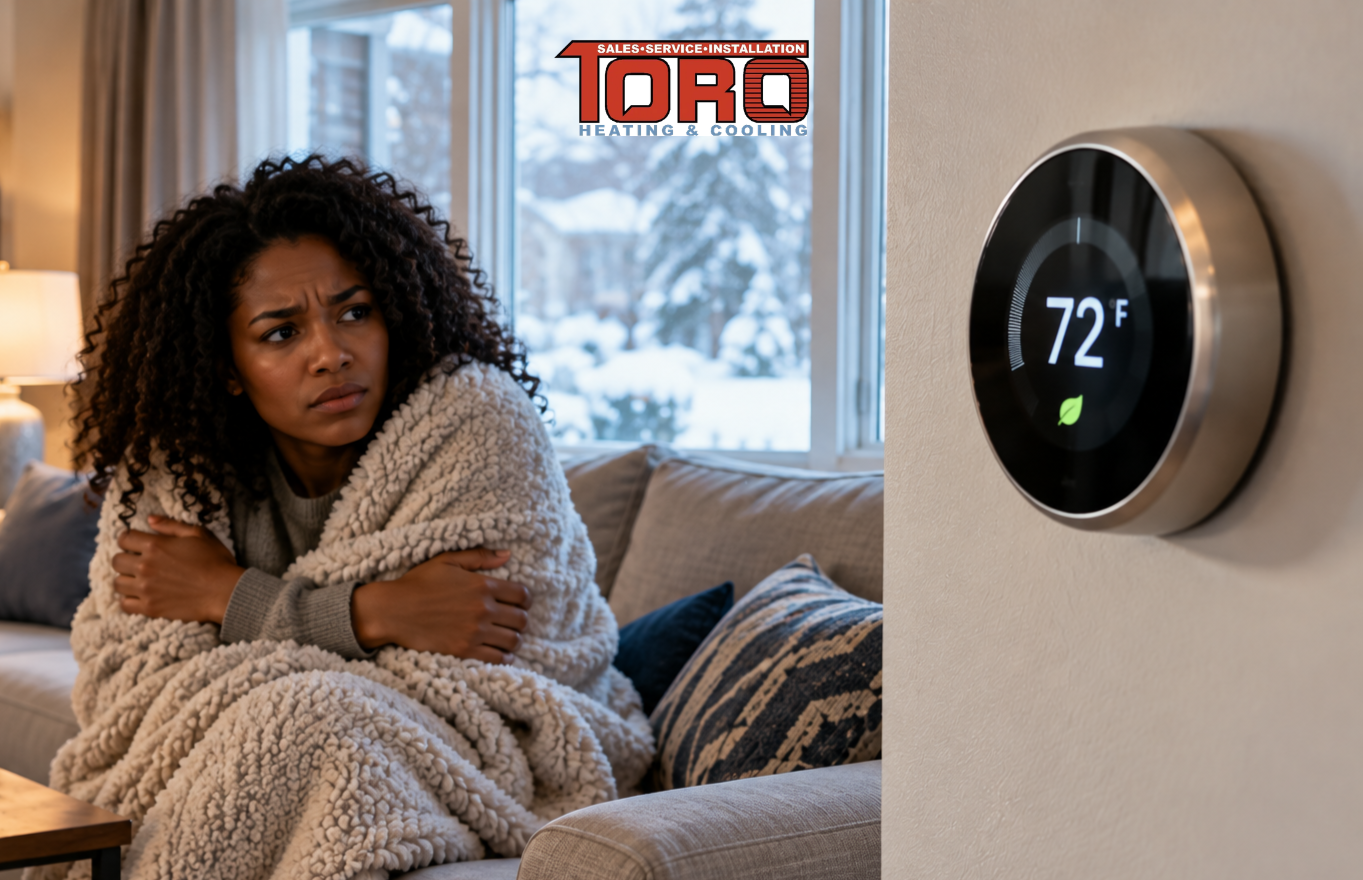
This matters because even small thermostat issues can create large comfort problems. If a thermostat is placed poorly, calibrated incorrectly, or failing to communicate with the system, you might notice hot and cold spots, short cycling, or unnecessary run time. If that sounds familiar, professional thermostat repair or thermostat installation can make a noticeable difference.
Energy Management is Becoming More Strategic
In commercial settings, energy management systems help building owners track usage and reduce waste. These platforms can reveal patterns that are hard to spot manually, like overcooling after hours or unusually high run time in one zone. That insight makes it easier to tune schedules, improve occupancy control, and align HVAC operation with actual demand.
Even in homes, the same principle applies. The more accurately your system responds to actual conditions, the more smoothly it operates. That’s why energy management systems and smart controls are becoming part of the conversation about long-term HVAC reliability.
The Maintenance Habits That Make the Biggest Difference
Schedule Seasonal Professional Service
Professional maintenance is the foundation of year-round performance. Research suggests annual service at minimum, with air conditioners checked in spring and furnaces checked in fall. Heat pumps should be serviced twice a year because they handle both cooling and heating. Skipping this service can increase breakdown risk and may even affect warranty coverage.
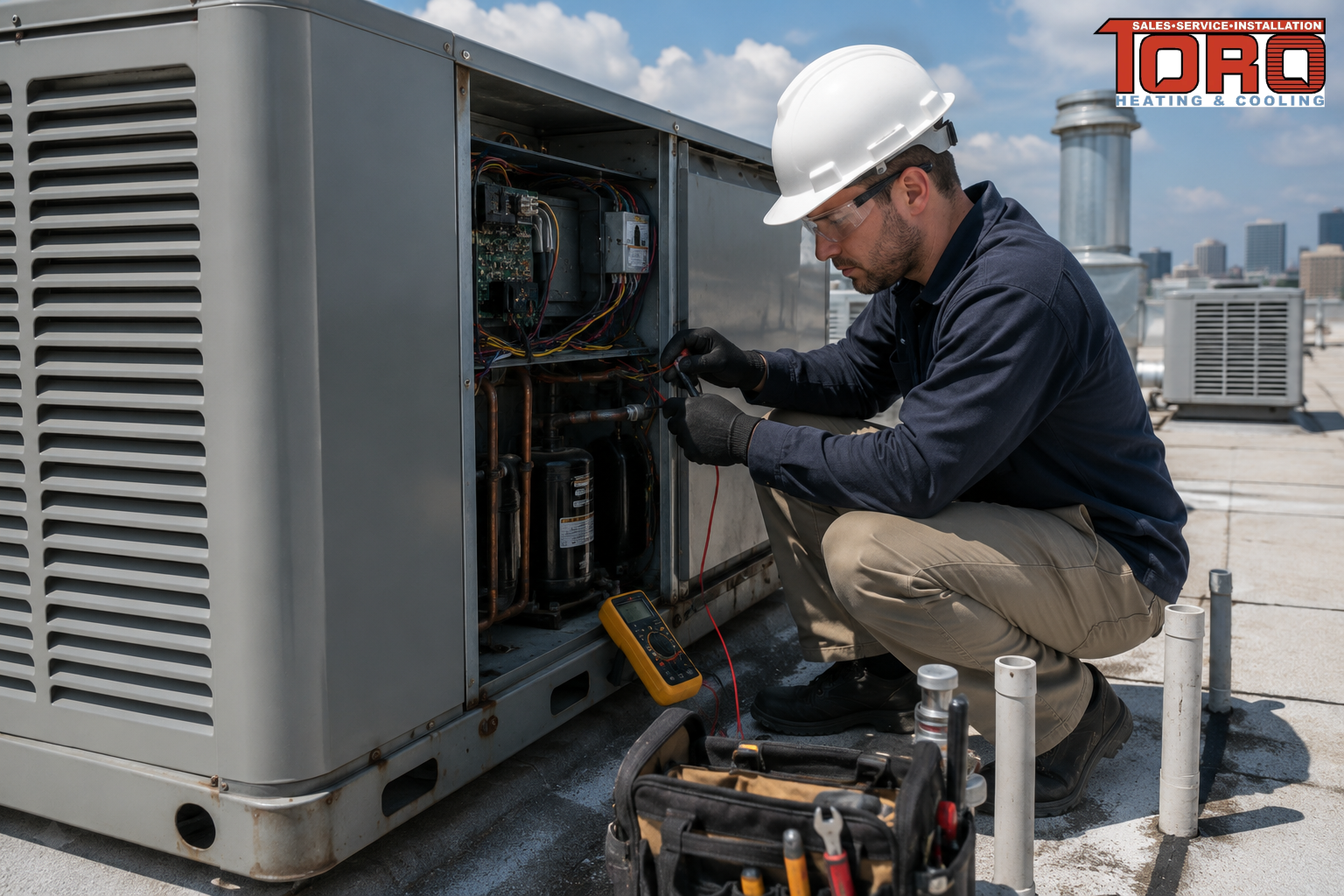
During a tune-up, a technician should inspect electrical connections, measure performance, clean key components, check refrigerant-related issues when applicable, and verify safety controls. If you want dependable seasonal care, Toro Heating & Cooling provides A/C system maintenance, heating system maintenance, and heat pump installation support for systems that need dependable year-round operation.
Keep Filters Clean and Airflow Open
Dirty filters are one of the most common reasons HVAC systems underperform. A clogged filter restricts airflow, makes the blower work harder, and can allow dirt to build up on sensitive components. Filters should typically be replaced every 30 to 90 days depending on household conditions, pets, allergies, and usage patterns.
Airflow problems don’t stop at the filter. Blocked vents, dirty ductwork, leaky ducts, and crushed flex runs can all create pressure imbalances and reduce comfort. If your home feels uneven from room to room, it might be time to look beyond the equipment itself. Services like air duct cleaning and HVAC duct repair can help restore smoother circulation and more balanced comfort.
Verify Thermostat Calibration and Placement
A thermostat only works well if it’s reading conditions correctly. If the device is near direct sunlight, a supply vent, a drafty hallway, or a heat source, it may call for heating or cooling at the wrong time. Calibration issues can also cause the displayed temperature to drift away from actual room temperature, which leads to wasted energy and frustration.
Homeowners often assume the equipment is failing when the real issue is control accuracy. Recalibration or replacement can solve the problem faster than a larger repair. If you notice frequent temperature swings, inconsistent start and stop behavior, or poor scheduling performance, a trained technician can test the controls and recommend the best fix.
Airflow, Ductwork, and Indoor Air Quality
Balanced Airflow Keeps Systems from Overworking
Airflow is one of the most overlooked factors in HVAC performance. When supply and return air are balanced, the system moves heat more efficiently and runs under less strain. When airflow is weak, parts of the home may feel uncomfortable, and the system may cycle more often to compensate.
That’s why airflow-focused service can improve both comfort and equipment life. In homes with chronic uneven temperatures, the issue might not be the furnace or AC alone. It could be a duct layout problem, a blocked return, or a vent issue that needs professional attention through HVAC vent installation or HVAC vent repair.
Clean Ducts Support Cleaner Indoor Air
Indoor air quality and HVAC performance are closely connected. Dust, debris, and buildup in the duct system can reduce airflow efficiency and circulate unwanted particles through the home. In some cases, moisture and contamination can also contribute to odor or irritation concerns.
For households that want a cleaner indoor environment, combining maintenance with filtration and ventilation upgrades can help. Options like ventilation system services, air cleaners and humidifiers, and UV lamp installation can support a healthier, more stable indoor environment when recommended appropriately.
Humidity Control Matters in Every Season
Humidity affects comfort and HVAC load. Air that’s too humid feels warmer in summer and can encourage mold or moisture issues. Air that’s too dry in winter can irritate skin, make the home feel colder, and create static problems. Balanced humidity helps the system deliver comfort more efficiently and can make temperature control feel more consistent.
For more guidance on humidity and comfort, the Environmental Protection Agency offers useful information about indoor air quality and moisture control on its indoor air quality resources page. If humidity problems are affecting your home, a technician may recommend a humidifier, ventilation adjustment, or other system changes.
Common Warning Signs Your HVAC System Needs Attention
Strange Noises or Smells Shouldn't Be Ignored
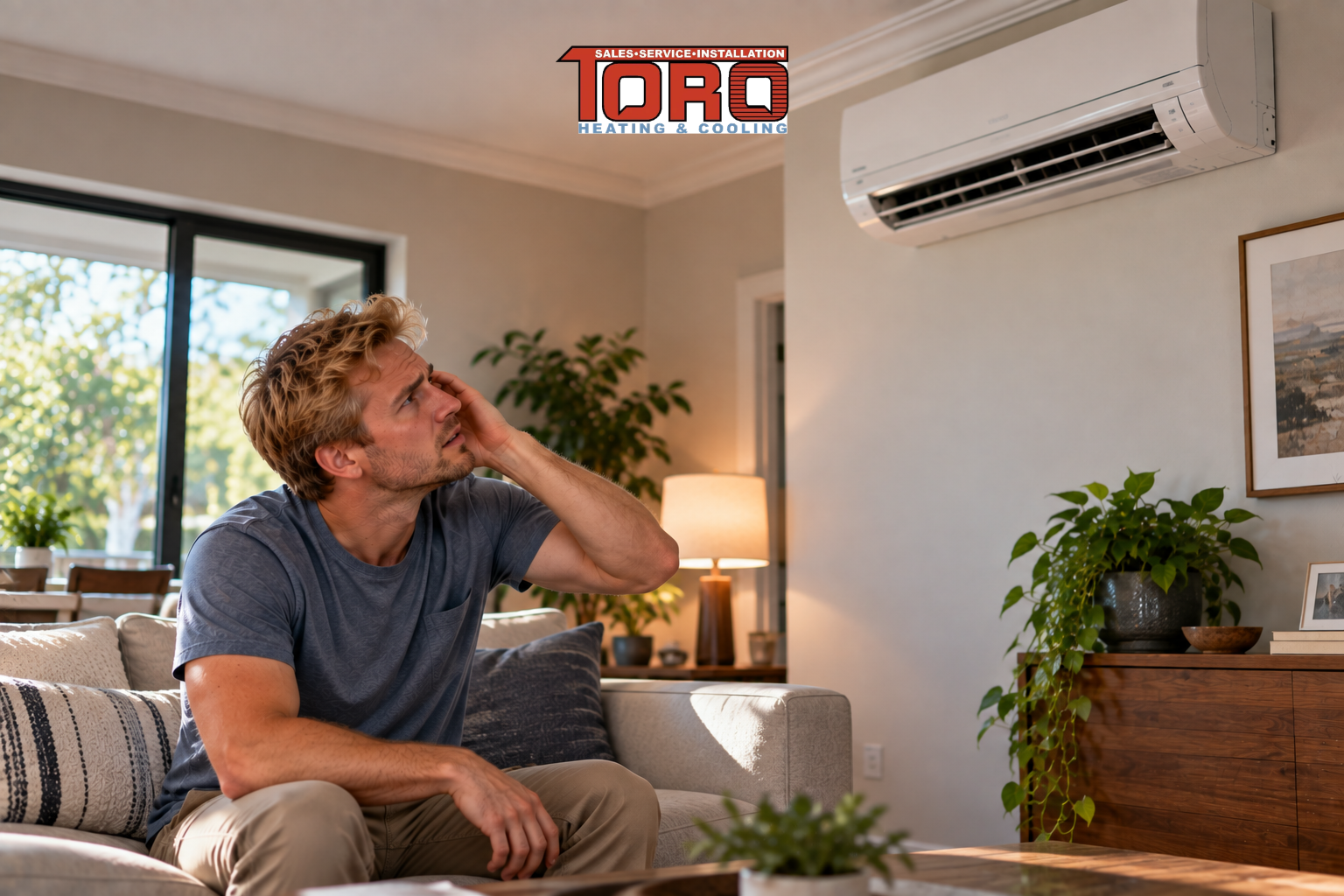
Unusual sounds often point to a mechanical issue that needs attention. Banging, squealing, rattling, or grinding may indicate loose parts, motor trouble, airflow issues, or worn components. Strange smells can also signal electrical problems, dirt buildup, or fuel-related concerns that deserve prompt evaluation.
If you notice these symptoms, it's better to schedule service early rather than wait for the system to fail. A quick inspection can often prevent damage from spreading. For urgent problems, a professional heating system repair or A/C system repair call may be the fastest way to restore safe, stable performance.
Frequent Cycling and Uneven Temperatures Reveal Hidden Problems
Short cycling, where the system turns on and off too often, wastes energy and increases wear. Inconsistent temperatures from room to room may point to duct leaks, thermostat issues, sizing problems, or a failing component. These symptoms often build slowly, which is why homeowners sometimes notice them only after comfort has already declined.
The good news is that these issues are often diagnosable. A skilled technician can check airflow, test control behavior, and inspect the major components to identify what is driving the pattern. The sooner you act, the easier it is to protect both comfort and efficiency.
Higher Utility Bills Are Often an Early Clue
If your energy bill rises without a clear reason, the HVAC system might be the culprit. Dirty coils, a failing blower, duct leakage, or inaccurate controls can all increase energy use. Because HVAC equipment often runs daily, even small losses can add up over time.
Research suggests maintenance can prevent up to 95% of breakdowns, which reinforces how valuable early intervention can be. While not every problem is preventable, many expensive surprises can be avoided with routine service and timely repair.
Seasonal Checklist for Year-Round HVAC Success
Spring and Summer Priorities
Before cooling season begins, check the air filter, clear the area around outdoor equipment, test the thermostat, and schedule A/C maintenance. This is the best time to catch refrigerant concerns, dirty coils, weak capacitors, and drain issues before peak heat arrives. If your cooling system has struggled in the past, seasonal care is especially important.
Homeowners who want to be proactive can also ask about central air repair, central air installation, or evaporator coil services if performance has been inconsistent. The goal is to solve small issues before a heat wave turns them into emergencies.
Fall and Winter Priorities
As temperatures drop, the heating side of the system should be inspected with equal care. Replace filters, test carbon monoxide and safety controls if applicable, and confirm that the furnace or boiler starts and heats properly. If you rely on a heat pump, remember that it should be serviced twice a year because it works through both heating and cooling seasons.
For homes and small businesses with older heating equipment, furnace repair, boiler repair, or heat pump repair may be needed to keep the system responsive during cold weather. Seasonal preparation makes a major difference when winter demand increases.
Commercial Systems Need Even Tighter Planning
Commercial HVAC systems often serve larger loads, more people, and more complicated schedules than residential systems. That means preventive maintenance, filter changes, and performance checks should be scheduled with the building calendar in mind. A missed issue in a commercial setting can affect occupants, operations, and operating costs much more quickly.
For property owners who need a more strategic approach, commercial HVAC services and energy management systems can help align maintenance with real building use. In some cases, custom system work such as custom sheet metal fabrication or duct upgrades can significantly improve long-term reliability.
Real-World Examples of Better HVAC Performance
Residential Maintenance Can Reduce Costs and Extend Life
The research insights cite homeowners who followed regular maintenance schedules and reported a 15% to 20% reduction in energy bills, along with a possible 10-year extension in equipment life. That's a strong reminder that routine service is not just a technical task; it's a financial strategy. Over the life of a system, those savings can be substantial.
A common scenario is a family that notices rising bills and inconsistent comfort, then discovers dirty filters, a miscalibrated thermostat, and duct leakage. After service, the system often runs quieter, uses less energy, and provides more even temperatures. These are the kinds of everyday improvements that make maintenance worthwhile.
Commercial Predictive Maintenance Can Improve Building Outcomes
In the commercial case study noted in the research, predictive maintenance improved power estimation accuracy significantly, which helped reduce operational uncertainty. That matters because building systems work best when technicians can identify issues early and make adjustments before occupants notice a problem. Better monitoring also supports better budgeting and fewer emergency calls.
For building managers, the takeaway is simple: data helps prevent surprises. When service is tied to actual performance rather than guesswork, HVAC systems usually operate more smoothly and with fewer interruptions.
Chicago Climate Makes Year-Round Planning Especially Important
In a city with cold winters and hot, humid summers, HVAC systems have to switch roles without losing reliability. That makes seasonal service and airflow management especially important. Systems that are not prepared for both extremes often show wear faster and require more frequent repair.
For homeowners and property managers looking for local help, Toro Heating & Cooling supports the needs of homes, condos, offices, and mixed-use properties with practical service plans and repairs that match real-world demand. Whether the concern is cooling, heating, airflow, or controls, the right maintenance plan can keep the system ready for whatever season comes next.
FAQs About Keeping HVAC Systems Running Smoothly
How Often Should I Replace My HVAC Filter?
Most filters should be checked monthly and replaced every 30 to 90 days, depending on the household. Homes with pets, allergies, heavy dust, or frequent system use may need more frequent changes. If airflow seems weak or the filter looks dirty before the next scheduled replacement, don't wait.
Can I Do HVAC Maintenance Myself?
Yes, but only basic tasks. Homeowners can replace filters, keep vents clear, and watch for obvious warning signs. A professional should handle deeper inspections, electrical checks, refrigerant-related concerns, combustion safety, and performance testing.
What Are the Biggest Signs I Need Service?
Common warning signs include unusual noises, poor airflow, uneven temperatures, short cycling, rising energy bills, and unpleasant smells. If your system is showing more than one of these symptoms, it's time to schedule an inspection.
Is a Smart Thermostat Worth It?
For many homes, yes. Smart thermostats can improve scheduling, provide usage insight, and reduce waste when installed and configured correctly. They are especially helpful when paired with regular maintenance and accurate calibration.
Final Takeaway and Next Step
A smooth-running HVAC system isn't the result of one single upgrade. It's the result of regular maintenance, clean filters, accurate controls, healthy airflow, and prompt attention to warning signs. Predictive maintenance and smart thermostat technology make it easier than ever to stay ahead of problems, but the basics still matter most.
If you want your heating and cooling system to stay efficient, reliable, and comfortable throughout the year, don't wait until something fails. Start with a seasonal checkup, replace worn filters, and address small issues early. For expert help with maintenance, repair, installation, or indoor air improvements, contact Toro Heating & Cooling at (773) 202-9933 or visit our website to schedule service and keep your system ready for every season.