When an HVAC Smell Becomes a Warning Sign
If your heating or cooling system starts giving off a strange smell, it's not just annoying; it could be a sign that something's wrong. Maybe something's dirty, overheated, leaking, or not draining as it should. Ever notice a musty smell when you start up the system, a sharp burning odor from the vents, or a sweet chemical scent hanging in the air? That's your HVAC system trying to talk to you.
If you're managing a home or property, these odors often relate to indoor air quality and the system's performance. Knowing what's causing the smell can help you address the problem before it worsens. A professional inspection from a trusted team, like HVAC system maintenance or AC system repair, can quickly find the source, clean the air, and prevent costly damage down the line.
The U.S. Environmental Protection Agency highlights that indoor air quality can be affected by moisture and contaminants. You can learn more on their Indoor Air Quality page. HVAC odors often point to the same issues that lower air quality throughout your home.
The Most Common HVAC Odors and What They Usually Mean
Musty or Moldy Smell
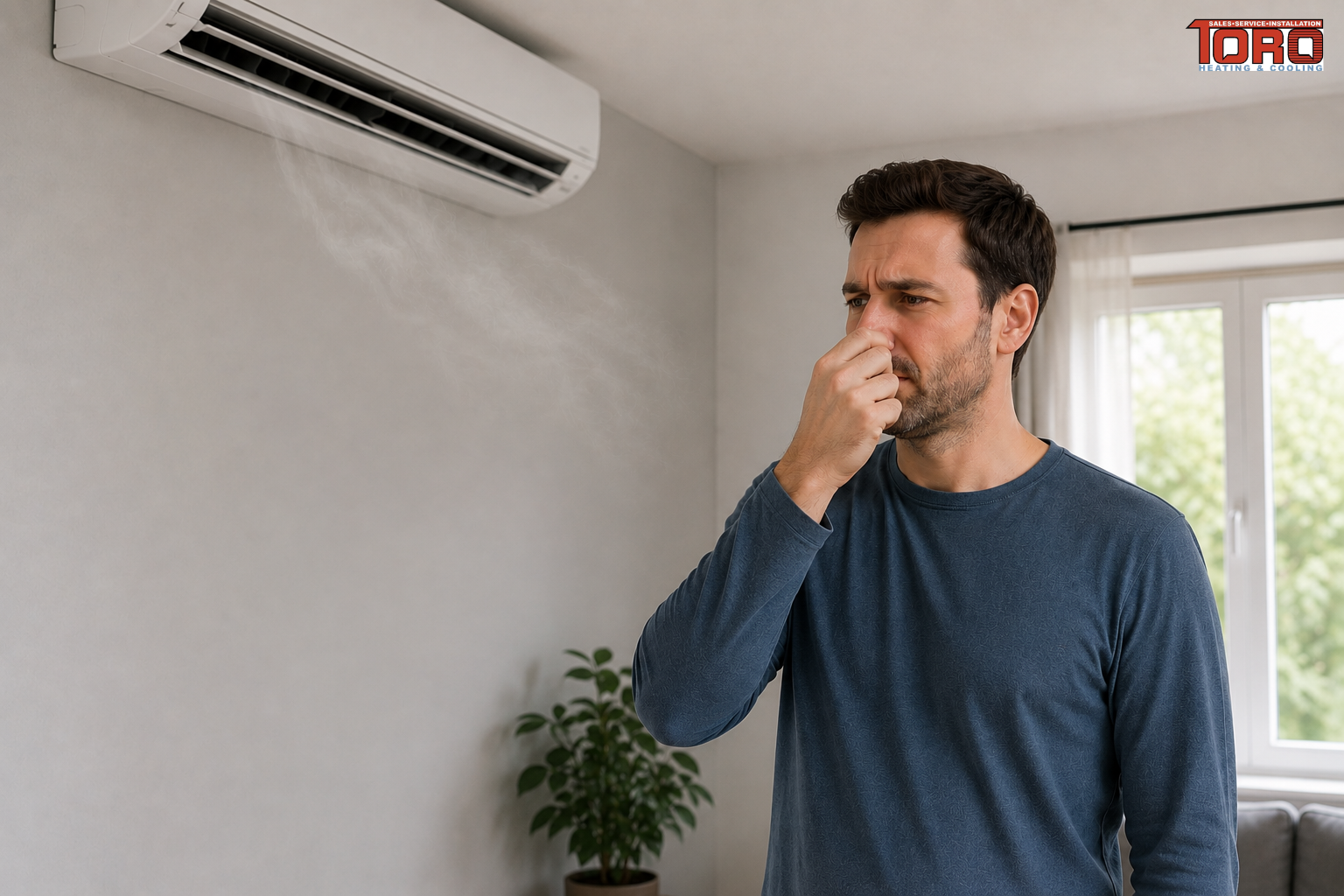
That stale, damp, "dirty sock" smell is a common complaint. It usually means there's moisture stuck inside the HVAC system, like on the evaporator coil, drain pan, or ductwork. When moisture hangs around, mold and mildew can grow and spread the smell whenever the system kicks on.
This happens more when the humidity is high or the condensate drain line gets clogged. If the system can't remove water efficiently, it creates a perfect breeding ground for microbes. A good cleaning, clearing the drain line, and changing the filter can help. If the smell returns, you might need air duct cleaning or evaporator coil services.
Burning Smell
Don't ignore a burning smell. Sometimes it's just dust burning off at the start of the heating season, but if it sticks around, it could mean an overheating motor or damaged wiring. This can quickly become a safety issue.
Carrier points out that burning smells might signal an electrical or mechanical problem. Check out their consumer guidance on AC odors here. If you smell smoke or the odor gets stronger, shut the system off and contact a technician for HVAC repair.
Chemical or Sweet Smell
A sweet or chemical scent often means a refrigerant leak. It might smell like ether or nail polish remover. Besides making your cooling less effective, a leak can be a health risk and make the system work harder. If your cooling feels weak and the smell is new, it's time for some central air repair or refrigeration system service.
Sewer or Rotten Egg Smell
If you smell rotten eggs, that's a warning of a potential gas leak near the furnace or water heater. Leave the area immediately, don't use electronics, and contact emergency services or the utility company. The CDC advises immediate evacuation in such cases. Once it's safe, a technician can inspect the equipment and determine any heating system repair needs.
Why HVAC Odors Happen in the First Place
Moisture Accumulation
Moisture is a big reason HVAC systems start to smell. When water sits on a coil or in a drain pan, it becomes a breeding ground for mold and mildew. This is why odors are often strongest when you first start the system after it's been idle.
In places like Chicago, homes are more vulnerable during humid months. That's why routine checks are valuable for keeping your indoor comfort intact. Preventive services like AC system maintenance can reduce odor problems before they spread.
Dirty Filters and Restricted Airflow
A clogged air filter can trap dust and pet hair inside the unit, creating stale odors and making the system work harder. Poor airflow can also worsen moisture problems because air doesn't move across the coil as it should.
Keeping filters changed and ducts clear is essential for a healthier HVAC setup. If you've been neglecting your filters, a regular plan that includes filter replacement and maintenance is a simple way to protect both smell and performance.
Dirty Components and Neglected Maintenance
Skipping maintenance can lead to odor-causing buildup on coils, blower parts, and duct interiors. Dust and debris combine to spread unpleasant smells whenever the fan runs. This is why seasonal tune-ups matter, even if the system seems to work fine.
Studies highlight how poor airflow and moisture control can lead to increased indoor air quality concerns, like mold growth. For homes and smaller buildings, ventilation system services ensure the system moves air properly.
How to Diagnose the Smell Before Calling for Help
Pay Attention to When the Odor Appears
Timing is key. If you notice the smell when the heat first kicks on, it might just be dust burning off. If it's strongest during cooling cycles, moisture or refrigerant issues are more likely. If the smell is constant, it could be in the ducts or another exposed part of the system.
Write down when you notice the smell, how long it lasts, and if it changes with thermostat settings. This info can help a technician diagnose the problem faster. Good diagnostics start with patterns, not guesses.
Check the Filter, Vents, and Visible Components
Start with the basics. Look at the air filter and vents for dust buildup or dampness. If you can safely access the furnace cabinet, check for standing water or debris.
Don't try to clean sensitive parts yourself. You can replace a filter and clear dust from vent covers, but deeper cleaning should be done professionally. If airflow has been weak, the issue might require HVAC vent repair or duct inspection.
Use Your Nose as a Clue, Not a Diagnosis
Odors can help narrow down the issue, but they don't replace a proper inspection. Many systems show overlapping symptoms, so a complete diagnosis often involves checking drainage, filtration, and ventilation together. A proper inspection might also involve HVAC repair to fix the root cause instead of just masking the smell with air fresheners.
What Homeowners Can Safely Do Right Away
Replace or Inspect the Air Filter
One quick and safe step is checking the air filter. In many homes, filters should be changed every one to three months, depending on usage and dust levels. A dirty filter can cause odors and reduce the system's ability to clean the air.
If you're not sure about the right filter schedule, a technician can guide you during routine service. This is especially helpful if you're considering HVAC system maintenance, as an inspection can confirm if filter issues are part of a broader airflow problem.
Clear the Area Around Vents and Returns
Blocked vents can trap odors and reduce circulation, especially if heavy furniture or curtains are nearby. Make sure nothing's blocking air movement. Good airflow helps reduce smells.
If rooms still smell stale after clearing the vents, the problem might be deeper in the ductwork. In that case, HVAC duct repair or professional cleaning could be needed.
Don't Keep Running a System with a Dangerous Smell
Some smells are warning signs that require immediate shutdown. Burnt wiring or a strong gas smell isn't something to "wait and see" about. Turning the system off protects your household and equipment.
Once it's safe, a professional can determine whether the issue is mechanical, electrical, or related to ventilation. In urgent cases, scheduling furnace repair is the right next move.
When Odors Point to Indoor Air Quality Problems
Mold, Mildew, and Humidity Control
Smells often reveal a bigger air quality issue. If your home regularly feels damp or smells musty, high humidity and limited ventilation might be to blame. Maintaining indoor humidity between 30% and 50% can reduce the risk of mold growth.
If humidity is often outside that range, a dehumidifier, better ventilation, or system adjustments might be needed. Products like air cleaners and humidifiers can help support healthier conditions.
Why Airflow Management Matters
Airflow affects temperature balance, moisture removal, and odor control. When ducts are leaky or vents are damaged, odors linger longer inside the home.
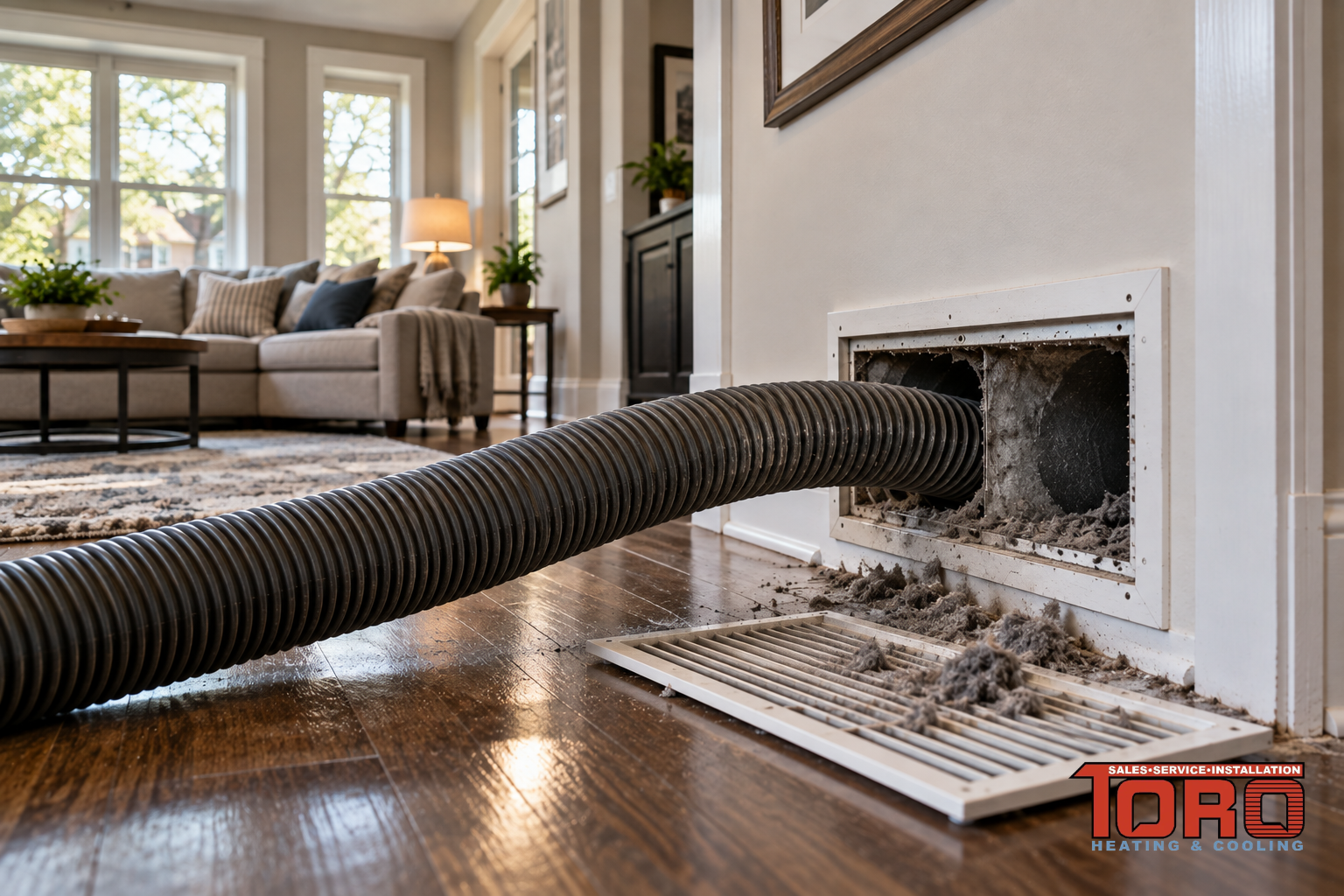
That's why a broader check of the air distribution system can be helpful. A technician might recommend air duct cleaning if the system's layout or condition contributes to poor circulation.
Fresh Air and Ventilation Strategy
Not all odors come from dirty parts. Sometimes, a home is too tightly sealed or does not get enough fresh air. Limited ventilation allows everyday odors to build up.
Ventilation is a key part of an indoor air quality strategy, especially in energy-efficient homes. Adding balanced ventilation or reviewing system design can be a long-term fix. If you're concerned about airflow, new construction HVAC principles can inform upgrades in existing spaces.
Real-World Example: The Musty Smell That Turned Out to Be a Drain Problem
A Common Case in Humid Weather
A homeowner notices a musty smell every time the AC starts. The air filter is new, but the smell persists, and one bedroom feels more humid. Over time, the odor gets stronger, and the system runs longer than usual.
Upon inspection, the technician finds a partially clogged drain line. Water has been sitting in the drain pan, allowing microbial growth. After clearing the drain line, cleaning the pan, replacing the filter, and servicing the coil, the odor drops dramatically, and airflow improves.
What This Example Teaches
This case shows that odors often show up before major mechanical failures. The system might still cool, but hidden moisture issues are already forming. Smell complaints should be treated as early warning signs rather than minor inconveniences.
For property owners, this is a reminder that regular maintenance pays off. A plan built around AC system maintenance or HVAC system maintenance can catch issues before they spread.
How Technicians Typically Solve HVAC Odor Problems
Inspection and Testing
A qualified technician starts with a visual inspection and smell assessment of the equipment, vents, and returns. They might test drain flow, check coil condition, and confirm airflow is within range. The goal is to find the true source, not just treat the symptom.
In some cases, the technician might also check if the thermostat is causing short runtime or excessive cycling. If controls are part of the issue, thermostat repair can help the system run more consistently.
Cleaning, Repair, and Prevention
Once the cause is identified, the solution may involve cleaning the coil, clearing the drain, replacing the filter, or repairing a faulty part. The best fix depends on whether the odor is caused by contamination, overheating, gas, refrigerant, or ventilation issues.
For long-term control, technicians recommend prevention steps like UV lamps, humidity management, and routine inspections. UV lamp installation can help reduce growth on wet components, especially in systems that struggle with moisture.
Why Professional Service Matters
Spraying deodorizer into vents doesn't solve the root issue. In fact, masking odors can delay repairs while the problem worsens. Professional service identifies the source and corrects it safely, protecting both equipment and indoor air quality.
This matters for homes and businesses. If the odor affects an office or multi-unit property, commercial HVAC services can keep the environment comfortable and reduce complaints.
How to Prevent HVAC Odors in the Future
Stick to a Maintenance Schedule
The easiest way to prevent HVAC odors is with regular maintenance. Seasonal tune-ups can include coil cleaning, drain-line clearing, filter replacement, and fan checks. These steps reduce the chance of mold or electrical issues causing new smells.
If you want a proactive approach, schedule HVAC system maintenance before peak seasons. Preventive visits are less disruptive and cheaper than emergency repairs.
Control Humidity and Ventilation
Managing humidity is one of the best defenses against odors. Keeping indoor humidity in a healthy range makes it harder for mold and mildew to take hold. Ventilation helps because stale air allows smells to linger longer than they should.
If your home feels damp, a technician might recommend ventilation improvements, humidity equipment, or duct adjustments. A combination of ventilation system services and airflow corrections often gives the best results.
Watch for Changes, Not Just Failures
Odor problems rarely appear out of nowhere. They usually develop gradually as airflow weakens, moisture increases, or parts wear down. Paying attention to changes in smell, sound, or performance gives you a chance to act before a small issue becomes a larger repair.
If you're also noticing weak airflow or uneven temperatures, the odor might be part of a bigger system issue. Pairing odor troubleshooting with central air repair or HVAC repair can address the full picture instead of one symptom at a time.
Frequently Asked Questions About HVAC Odors
How Often Should I Replace My HVAC Filter?
Most homes benefit from changing the filter every one to three months, but it depends on pets, dust, allergies, and system usage. If your filter loads up quickly, more frequent changes might be needed. A service plan that includes filter replacement and maintenance makes it easier to stay on schedule.
Can I Clean the Evaporator Coil Myself?
Light dust might be visible, but deep cleaning is more delicate. Bent fins, electrical parts, and hidden moisture make DIY cleaning risky. If the odor seems to come from the coil area, professional evaporator coil services are the safer choice.
What Should I Do if I Smell Gas Near My HVAC System?
Leave the area immediately, avoid switches or appliances, and contact emergency services or your gas utility from a safe location. Don't restart the HVAC equipment until a professional says it's safe. Afterward, a technician can inspect the furnace and determine whether additional heating system repair is needed.
Is a Musty Smell Always Mold?
Not always, but mold and mildew are common causes. The smell can also come from stagnant water, dirty coils, or clogged drains. A proper inspection is the only way to know for sure.
Protect Your Home With Fast, Reliable HVAC Help
A bad HVAC smell is often your system's way of asking for attention. Whether it's from moisture, a clogged drain, dirty filters, a refrigerant leak, or an electrical issue, early action can protect your comfort and indoor air quality. The good news? Most odor problems are manageable when diagnosed correctly and addressed before they spread.
If your system smells off, don't wait for the problem to get worse. Toro Heating & Cooling can help with diagnosis, repair, maintenance, and airflow solutions designed to keep your home safer and more comfortable. Ready to restore clean, dependable comfort? Check out our maintenance services or contact our team today at (773) 202-9933 for professional help.