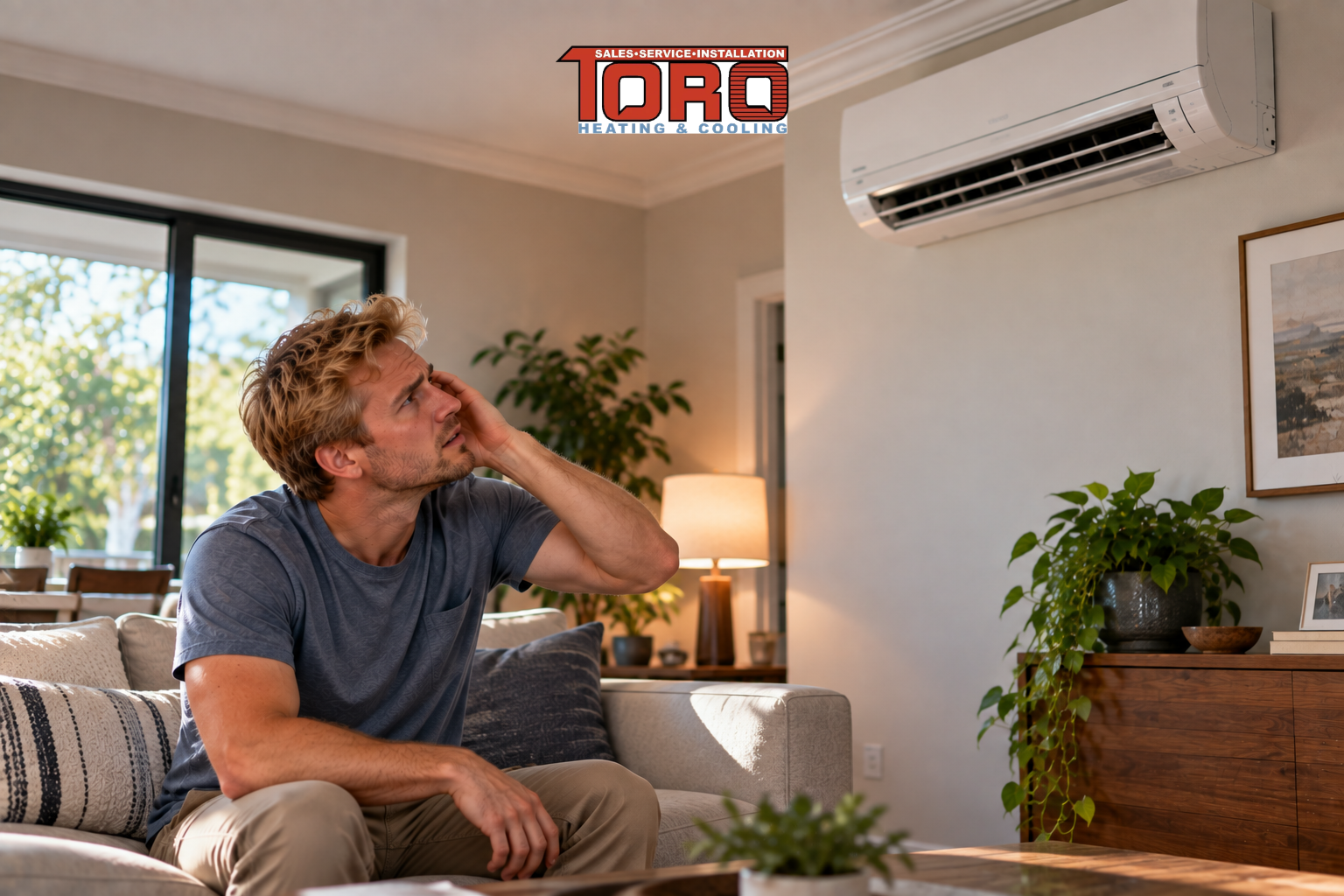
How Humidity Levels Affect Your HVAC System and Home Comfort
Humidity might not be the first thing you think of when it comes to home comfort, but it plays a big role in how hard your HVAC system has to work, how your air feels, and the overall health of your indoor environment. When the moisture levels are too high or too low, even a well-sized system can struggle to keep things comfy. So, understanding how to control humidity is key for homeowners looking to boost comfort, energy performance, and the lifespan of their equipment.
Modern HVAC systems are pretty smart these days. They're designed to manage both temperature and moisture. With things like variable-capacity equipment, smart thermostats, and whole-home humidity solutions, you’ve got more control than ever. If your system isn't cutting it, getting some HVAC system maintenance or thermostat services can help figure out whether it's a problem with airflow, calibration, or humidity control.
In this guide, we'll dive into how humidity affects HVAC performance, what healthy indoor humidity looks like, how to spot warning signs, and what you can do to improve comfort at home. We’ll also touch on recent HVAC trends, give practical examples, and share some expert tips so you can make smart choices about your system.
Why Humidity Matters More Than Most Homeowners Realize
Comfort is about more than temperature.
Most of us think comfort is all about the thermostat setting, but moisture in the air changes everything. High humidity makes the air feel heavier and warmer because sweat doesn't evaporate as well. On the flip side, low humidity can make the air feel dry and even cooler than it actually is.
This is why two homes at the same temperature can feel totally different. If one has balanced humidity and the other is too damp or too dry, the second home's HVAC system will have to work harder to keep things comfortable. Often, what we think are temperature issues are actually moisture problems in disguise.
Humidity also affects indoor air quality.
Indoor air quality is closely tied to humidity. Moisture levels influence whether mold, dust mites, and other irritants thrive. Experts usually recommend keeping indoor humidity between 40% and 60% for the best mix of comfort and health. For more details on managing indoor moisture and preventing mold, check out the guidance from the U.S. Environmental Protection Agency.
When indoor moisture goes higher than that range, mold growth becomes more likely, especially in places like bathrooms and basements. If it drops too low, you might start dealing with respiratory irritation, dry skin, and static electricity. That's why humidity management is crucial for indoor air quality, not just something to think about when the seasons change.
What Happens to Your HVAC System in High Humidity
Your system has to remove more moisture.
In high humidity, your HVAC system has to work overtime because it needs to remove water vapor from the air as it cools your home. If it doesn't run long enough or isn't sized right, it might lower the temperature without removing enough moisture. This leaves your home feeling sticky and uncomfortable, even when the thermostat says the temperature is right.
High humidity can also lead to a cycle of overuse. Lowering the thermostat to feel more comfortable can cause longer run times and higher bills. Over time, this extra workload can wear out components, especially if you have dirty filters or restricted airflow. If you notice weak cooling along with humidity issues, you might need some A/C system repair to get things back on track.
Moisture can damage your home and equipment.
Too much moisture indoors can lead to condensation on windows, musty smells, swollen trim, damaged floors, and mold on walls or ceilings. In extreme cases, it can also affect electrical parts, ductwork insulation, and metal components in your HVAC system. These problems aren't just about looks; they can shorten your equipment's life and lead to costly repairs.
Research shows that high humidity can make cooling less efficient by reducing the system’s ability to quickly create comfortable conditions. For more info, check out this SSI HVAC overview. To prevent these issues, services like air duct cleaning can help improve airflow and reduce buildups that hurt system performance.
What Happens When Indoor Air Is Too Dry
Low humidity creates comfort and health problems.
When humidity drops below 30%, you might notice dry skin, scratchy throats, irritated nasal passages, and itchy eyes. It can also cause wood furniture and flooring to dry out and crack. Static electricity is another common issue, especially in winter when heating systems run a lot, and the air outside is dry.
In colder climates, this problem can become more noticeable. During Chicago winters, humidity might fall below 35% in many homes if the heating system runs often without added moisture. People usually notice dry air symptoms long before considering the HVAC system. That's why whole-home humidification is often suggested in places with dry spells.
Dry air can also affect HVAC efficiency.
Dry indoor air doesn’t usually strain an air conditioner as humid air does, but it still signals there's an imbalance in your home. If your system is drying the air too much, it might mean it's oversized, running too long, or not controlling humidity well. It could also mean ventilation, filtration, or duct conditions aren't supporting balanced comfort.
If low humidity comes with uneven temperatures, it can help to look at the whole system rather than treating symptoms separately. In some homes, the right fix might be a combo of thermostat installation, upgraded settings, and a well-maintained heating system. If winter comfort is a recurring issue, heating system maintenance might be necessary to keep things running smoothly.
Current HVAC Trends That Improve Humidity Control
Variable-capacity systems are changing the game.
One of the big trends in HVAC is the shift to variable-capacity and modulating equipment. Unlike older systems that just turn on and off at full power, these adjust based on real-time conditions. They can run longer at lower speeds, which helps remove more moisture from the air and maintain steady comfort levels.
This is especially useful in homes where temperature swings and humidity swings happen together. By matching output more closely to demand, variable-capacity systems reduce energy waste and avoid the abrupt cycles that leave air feeling clammy. For homes with ongoing humidity issues, upgrading to HVAC installation with modern humidity control can make a big difference.
Smart thermostats now monitor humidity in real time
Smart thermostats have grown beyond basic temperature settings. Many now track indoor humidity, alert you to excessive moisture, and let you adjust comfort settings remotely. Some even coordinate cooling and dehumidification to cut the stickiness without overcooling your home.
If you're interested in a more connected approach, smart controls can help keep humidity in the target range. The National Institute of Standards and Technology explains the importance of home environmental monitoring and connected technologies. Pairing a smart thermostat with thermostat repair or replacement can improve accuracy and help your system respond to changing conditions.
The Ideal Indoor Humidity Range and How to Maintain It
Why 40% to 60% is the sweet spot
Experts usually recommend indoor humidity between 40% and 60% because it balances comfort, health, and equipment performance. Below that range, the air can become irritating and too dry. Above it, mold and dust mites are more likely to thrive, and your HVAC system has to work harder to keep things nice.
This range isn't just about comfort preference. It's a practical target that supports cleaner air, better sleep, and fewer moisture-related problems at home. For many households, especially those dealing with seasonal extremes, keeping humidity in this range means combining mechanical control, regular maintenance, and smart daily habits.
How to measure humidity accurately
The easiest way to check indoor humidity is with a hygrometer, a small device that measures moisture in the air. Some smart thermostats also have humidity sensors, making it easier to monitor conditions throughout the day. Place it in a central living area and compare readings across rooms if you suspect uneven moisture levels.
If one room feels damp while another feels dry, it might be related to airflow, duct design, insulation, or ventilation. Evaluating both the comfort system and the building's envelope can help. If airflow seems inconsistent, HVAC duct repair or ventilation system services might be necessary to restore balance.
Best Practices for Managing Humidity with Your HVAC System
Use both dehumidification and humidification when needed
A good HVAC setup should handle moisture both ways. In humid months, dehumidification helps get rid of that heavy, sticky feeling indoors. In dry months, humidification adds moisture so the air doesn't become uncomfortable or irritating.
Whole-home systems are often more effective than portable units because they treat air throughout the house, not just one room. For better balance, air cleaners and humidifiers can be a great upgrade when paired with proper system sizing and maintenance. This is especially useful for families with allergies, kids, older adults, or anyone sensitive to dry or damp air.
Keep filters, coils, and ducts in good shape.
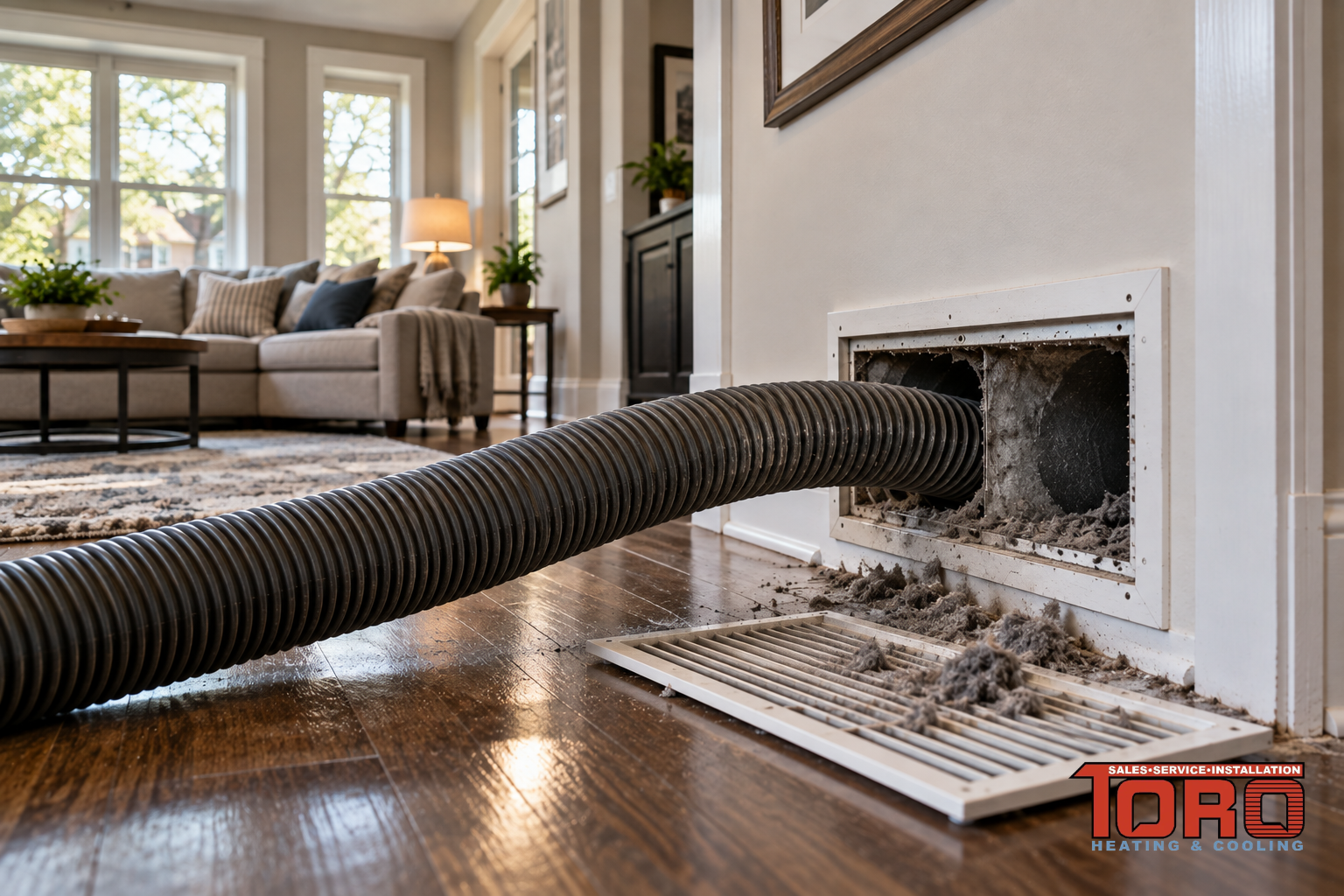
Humidity control depends on airflow, and airflow relies on clean, unobstructed equipment. Dirty filters restrict circulation and can reduce your system’s ability to dehumidify effectively. Similarly, dusty coils, blocked vents, and leaky ducts can interfere with air movement.
Routine service is a simple way to support humidity control. A regular filter replacement and maintenance plan can help the system work better, and A/C system maintenance keeps cooling components efficient. If you want the system to manage moisture effectively, consistent maintenance is essential.
Don't overlook ventilation.
Many homes have humidity problems because moisture has nowhere to go. Kitchens, bathrooms, basements, and laundry spaces all produce extra moisture that needs to be exhausted properly. Without ventilation, that moisture sticks around and eventually affects comfort, indoor air quality, and the HVAC system.
Ventilation is especially important in tightly sealed homes, where air exchange is limited. Balanced ventilation helps remove excess humidity while bringing in fresh air at a controlled rate. If room-by-room airflow seems uneven, professional HVAC vent installation or HVAC vent repair might improve performance and comfort distribution.
Real-World Examples of Humidity Control in Action
Protecting sensitive environments requires precision.
Humidity control isn't just a home thing. It's crucial in places where temperature and moisture affect valuable items. The Art Institute of Chicago upgraded its HVAC system to improve precision control and energy efficiency while protecting artworks from damaging environmental swings. For a closer look, see the CSE Magazine case study. If a world-class museum invests in humidity stability for protection, residential homes can benefit too when the goal is comfort and durability.
Heat waves show how quickly indoor comfort can fail.
Research from the Illinois Institute of Technology shows that homes without air conditioning during Chicago heat waves can reach dangerously high indoor temperatures. This highlights how quickly indoor environments can become unsafe when HVAC systems can't keep up with extreme weather and moisture. For more, review the study summary from Illinois Tech. Reliable cooling and humidity management are part of safety and comfort. If your system struggles during peak summer, central air repair might be needed before the next heat wave.
How HVAC Contractors Diagnose Humidity Problems
Start with the symptoms.
Experienced HVAC contractors start by looking at what you're actually dealing with. Are windows fogging? Does the house feel sticky even when it's cool? Are there signs of dry air, static, or frequent nose irritation in winter? These symptoms help figure out if it’s excess moisture, low moisture, or uneven humidity across the house.
Contractors also check how long the system runs, if the thermostat is accurate, and if the equipment is properly sized. A unit that's too large might cool the air too quickly without removing enough moisture. A unit that's too small might run constantly but still fail to maintain comfortable humidity. A professional diagnosis helps avoid guesswork.
Inspect the full system, not just one component.
Humidity issues often involve several parts of the HVAC puzzle. Technicians might check filters, coils, refrigerant levels, duct leakage, insulation, fan settings, and ventilation pathways. Sometimes, the issue is a failing component like a sensor or blower. In others, the fix might be as simple as a thermostat adjustment or a maintenance visit.
If your equipment isn't responding right, a targeted HVAC repair visit can uncover the cause before things get worse. For homes with older systems that can't keep humidity under control, a complete heating system installation or cooling upgrade might be the better long-term solution.
Frequently Asked Questions About Humidity and HVAC
Can my HVAC system control humidity on its own?
Many modern systems handle some humidity control, but not all do it equally well. Standard cooling equipment removes moisture as a side effect of cooling, while advanced systems adjust output to maintain comfort and humidity balance. In many homes, adding dedicated humidification or dehumidification gives better results than relying on the base system alone.
What are the signs that my home is too humid?
Common signs include condensation on windows, musty odors, visible mold, sticky indoor air, and allergy flare-ups. You might also notice the system runs a lot without the house ever feeling truly comfortable. If these symptoms show up regularly, you may need a deeper evaluation of your HVAC setup and home ventilation.
What are the signs that my home is too dry?
Low humidity often causes dry skin, sore throats, bloody noses, static shocks, and cracking wood surfaces. You might wake up feeling congested or irritated, even when the home is warm. These issues are often most noticeable in winter and can usually be improved with proper humidification and better system tuning.
Should I call a professional if the humidity keeps changing?
Yes. Ongoing humidity swings often mean the HVAC system isn't operating efficiently, the thermostat is inaccurate, or the home has duct and ventilation problems. A professional inspection can identify whether the issue is equipment-related, installation-related, or tied to airflow and building conditions. For recurring comfort issues, residential HVAC services can provide a complete path forward.
Conclusion: Better Humidity Control Means Better Comfort
Humidity isn't a minor indoor comfort issue; it's a key factor that affects how your HVAC system performs, how healthy your air feels, and how much wear your equipment experiences over time. High humidity can make a home feel sticky and encourage mold, while low humidity can leave you uncomfortable and irritated. The best results come from treating temperature and moisture as a combined comfort challenge rather than separate problems.
If you want to improve comfort, protect your home, and reduce unnecessary strain on your equipment, start with the basics: measure humidity, replace filters, inspect airflow, and make sure your thermostat and HVAC system are working together. From there, professional maintenance and targeted upgrades can create a much more stable indoor environment. If you're ready to improve your home comfort, explore our maintenance services or contact Toro Heating & Cooling for expert help tailored to your home’s needs.
For dependable HVAC guidance, better indoor air quality, and practical humidity solutions, now is the right time to take action. A more comfortable home starts with balanced air.