Why Preventive HVAC Maintenance is Worth It in the Long Run
Taking care of your HVAC system might not be at the top of your list, but it’s one of the smartest things you can do for your home or business. People often wait until something goes wrong to pay attention to their heating and cooling systems. But by then, fixing the problem can be a hassle and cost a lot more than regular check-ups would. Keeping up with routine maintenance helps your system run smoothly, last longer, and keep you comfortable when you need it most.
For homeowners and businesses alike, maintenance isn't just about avoiding emergencies. It's about protecting your equipment, keeping utility bills in check, and reducing unexpected issues. If you want your system to be reliable, services such as planned HVAC maintenance and regular filter replacements can really make a difference. The U.S. Department of Energy points out that proper maintenance and clean filters can improve performance and save energy, which is a good reason to stay on top of things rather than wait for problems to arise.
What Preventive HVAC Maintenance Really Means
It's More Than a Quick Tune-Up
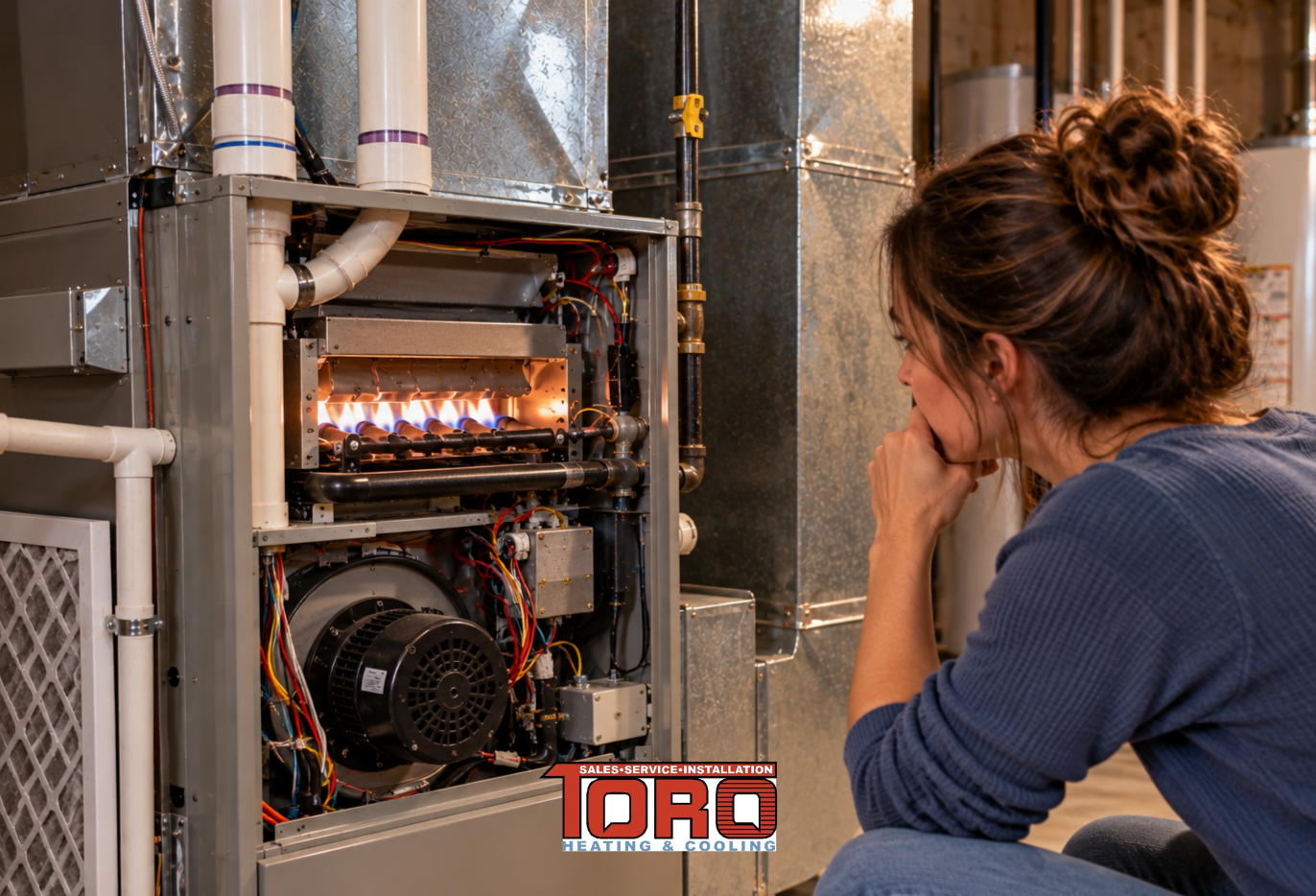
Preventive maintenance is all about taking care of your HVAC system before issues become major headaches. This means regular cleaning, inspections, testing, and making small adjustments so everything works as it should. Instead of waiting for a breakdown to happen, the idea is to catch problems early while they’re still easy and affordable to fix.
This could involve checking electrical connections, looking at refrigerant levels, testing the thermostat, and making sure everything is secure and balanced. For systems with both heating and cooling, maintenance might also include repair recommendations if a technician spots a part that's wearing out. This early intervention is what sets preventive care apart from emergency services.
It Protects Both Comfort and Equipment
Your HVAC system is like a team where every part plays a role. If one piece isn’t in good shape, the whole system has to work harder. This extra strain can affect comfort, energy use, and how long the system lasts. A well-maintained system is more likely to heat and cool evenly, respond well to controls, and operate safely.
That’s why many owners pair maintenance with thermostat services and care focused on airflow. If your thermostat isn’t reading correctly or your ducts are leaking, even the best furnace or air conditioner can't perform well. Preventive maintenance helps catch these hidden issues before they turn into costly problems.
The Financial Benefits Add Up Quickly
Lower Energy Waste Means Lower Bills
One of the easiest benefits to see from preventive maintenance is how it cuts down on energy waste. Dirty coils, clogged filters, and poor airflow make your system work harder and run longer, which shows up on your utility bill. A well-maintained system usually uses less energy because it doesn’t have to fight against avoidable resistance.
According to the U.S. Department of Energy’s Energy Saver program, routine maintenance helps systems run more efficiently. While savings depend on the age and condition of your equipment, cleaner and properly adjusted systems consistently waste less energy. Over time, this can lead to significant savings for both homes and businesses.
Small Fixes Cost Less Than Major Repairs
Preventive service lets you spend your money smarter. Fixing a worn-out part or cleaning a coil is a lot cheaper than replacing a major component that failed due to neglect. Technicians can often spot a developing problem before it becomes urgent.
For example, a system with restricted airflow might seem fine at first, but it can lead to a failed blower motor or frozen coil. Services like evaporator coil cleaning and air duct cleaning can restore performance before buildup becomes an issue. The cost of maintenance is almost always easier to handle than paying for emergency replacements.
Maintenance Extends the Life of Your HVAC System
Less Wear and Tear on Critical Parts
Every time your HVAC system cycles on, its components undergo stress. Motors start, belts move, and refrigerant flows. When the system is dirty or not adjusted right, these parts endure more friction and heat than necessary, leading to premature failure.
Regular maintenance reduces this by keeping everything clean and balanced. This means fewer hard starts, smoother airflow, and less overheating. When technicians perform heating system maintenance or A/C maintenance, they’re not just improving performance for today. They’re helping your system last longer with fewer breakdowns.
Better Care Helps Preserve Major Components
Some HVAC parts are so costly that replacing them feels like buying a new system. Compressors, heat exchangers, and motors are major investments. Preventive maintenance helps protect these components by keeping temperatures, pressures, and airflow balanced.
This is especially important for older systems or heavily used units. Regular service might delay the need for replacement by several years, improving your return on investment. If a system is nearing its end, proactive care can also clarify whether repair or replacement is the better choice, especially with guidance on HVAC installation from a professional.
Comfort Improves When the System is Clean and Balanced
More Consistent Temperatures
Most comfort issues start with simple maintenance problems. If filters are clogged, ducts leak, or the thermostat is off, rooms can feel uneven. Preventive service helps distribute air more evenly, reducing hot and cold spots.
This is crucial in multi-room homes and small commercial spaces where temperature differences are noticeable. A maintained system is more likely to provide consistent comfort from room to room. If you notice uneven performance, combining maintenance with vent installation or duct repair might solve airflow issues that cleaning alone can't fix.
Quieter Operation and Less Strain
Neglected systems tend to get louder over time. Loose parts, straining motors, and imbalanced fans can create noise. Preventive maintenance keeps operation smooth and quiet, making the system less disruptive in daily life.
This quietness isn’t just a perk. It shows that the equipment isn’t working too hard. If your system gets louder, it might be an early sign that it needs attention. Addressing this during maintenance can stop a small nuisance from becoming a major failure requiring emergency repairs.
Preventive Maintenance Supports Better Indoor Air Quality
Cleaner Air Starts with Clean Equipment
Indoor air quality is closely tied to HVAC maintenance because your system circulates the air you breathe. Dust, pollen, and debris can build up in filters, coils, and ducts. If not managed, the system can spread these instead of controlling them.
Regular maintenance, particularly with filter changes, reduces the particles circulating in your home or office. The Environmental Protection Agency notes that indoor air can have higher pollutant levels than outdoor air, highlighting the importance of filtration and ventilation. Clean HVAC equipment helps keep indoor air clean by managing particles and moisture better.
Humidity and Ventilation Matter Too
Maintenance also helps your system manage humidity and fresh air. Too much moisture can lead to mold, while dry air can be uncomfortable. A technician can check if your system ventilates properly and suggest solutions if needed.
This might include recommendations for ventilation services or air cleaners and humidifiers. In many places, these upgrades work best when the main system is clean and functioning well. Preventive maintenance sets the stage for more effective indoor air improvements.
Maintenance Reduces Emergency Breakdowns
Early Detection is the Real Advantage
The biggest hidden benefit of preventive care is catching problems early. Technicians can spot weak capacitors, loose connections, refrigerant issues, or drainage problems long before they cause a full breakdown. These warning signs are easy to miss, but visible during proper inspections.
Scheduled maintenance is powerful because it prevents failures on the hottest or coldest days of the year. If your equipment is already showing symptoms, services like central air repair or furnace repair can be handled before an emergency arises.
Emergency Repairs are More Disruptive and Costly
Emergency breakdowns never happen at a good time. They often occur during peak demand or after hours, leading to more stress, less flexibility, and higher costs. In businesses, downtime can interrupt operations and impact customers or employees.
Maintenance reduces these disruptions by improving reliability. It’s easier to plan for seasonal service than scramble for a rushed repair. For property owners, this reliability offers peace of mind and a more predictable budget throughout the year.
How Preventive Maintenance Helps Different Types of Systems
Heating Systems Need Seasonal Attention
Furnaces, boilers, and heat pumps each have their own maintenance needs, but they all benefit from regular checks. Heating equipment can develop ignition issues, airflow restrictions, and wear if not serviced. Seasonal maintenance verifies safe operation before cold weather hits.
If you rely on a furnace, staying ahead of filter changes, burner cleaning, and safety tests can delay or avoid heating system repairs. For systems using hot water, boiler repair is less likely with regular monitoring. The same goes for heat pump repair prevention, as these systems work year-round.
Cooling Systems Benefit from Spring and Summer Preparation
Air conditioners and central cooling systems are heavily used in warm months, so pre-season maintenance is valuable. Checking refrigerant, cleaning coils, inspecting drains, and testing components can improve performance and reduce failure risk during heat waves.
When necessary, services like A/C repair or central air installation are easier to manage when your system’s condition is well-documented. For older equipment, maintenance also helps decide if an upgrade offers better long-term value than repeated repairs.
A Simple Maintenance Schedule That Makes Sense
What to Do Monthly, Seasonally, and Annually
Not every task needs a technician, but every owner should follow a simple routine. Monthly tasks include checking and replacing filters, keeping vents clear, and listening for new noises. Seasonal tasks should include a professional check before heating or cooling seasons start.
Annual or biannual service is where deeper work happens. A technician can test controls, inspect electrical systems, clean parts, ensure safe operation, and suggest repairs before they become urgent. If your system needs structured care, residential HVAC services can keep everything on track with a plan tailored to your equipment and usage.
Commercial Properties May Need a More Detailed Plan
Businesses often run HVAC systems harder than homes, so maintenance schedules should reflect that. Offices, retail spaces, and mixed-use properties may need more frequent checks due to changing comfort needs and internal heat loads. In these cases, maintenance is both an operational and financial decision.
Commercial owners might benefit from commercial HVAC services or support from energy management systems that track performance over time. The more you monitor usage and condition, the easier it is to make smart service, replacement, and energy-saving decisions.
Real-World Example: What Maintenance Can Prevent
A Small Problem That Grows Quietly
Imagine a home with a furnace that still heats the house but takes longer each winter. The homeowner notices slightly higher bills and more dust, but it seems fine. During maintenance, a technician finds a clogged filter, weak airflow, and an overworked blower motor. Each issue is manageable alone, but together they shorten the system’s life.
With routine care, that homeowner can clean the system, replace the filter, correct the airflow, and avoid a winter breakdown. Without maintenance, this could lead to a failed motor or no-heat emergency. That’s the practical value of preventive service: it changes the outcome before problems become serious.
Why a Documented Service History Matters
Another benefit is documentation. Keeping records of maintenance, repairs, and part replacements gives you a clearer picture of how your system is aging. This helps with budgeting, warranty support, and planning for replacement.
It also provides technicians with better context when diagnosing new issues. A system with a consistent service history is easier to evaluate than one ignored for years. If planning future upgrades, it can help decide whether HVAC installation offers better long-term value than patching an old system.
Frequently Asked Questions About Preventive HVAC Maintenance
How Often Should HVAC Maintenance Be Done?
Most systems should be serviced at least once a year, and many benefit from twice-yearly maintenance if they handle both heating and cooling. Homes with high usage, pets, or allergy concerns may need more frequent filter changes and inspections. The exact schedule depends on system type, age, and conditions.
Can Maintenance Really Lower Repair Costs?
Yes. Maintenance helps catch small problems early, when they're cheaper to fix. It also reduces wear on major components, lowering the chance of costly failures. Over time, this typically leads to lower total costs.
Is Maintenance Worth It for an Older System?
Absolutely. Older systems often need preventive care more than new ones because parts are more prone to wear. Maintenance won’t make an old unit new, but it can help it run safely, efficiently, and reliably while you plan for replacement.
What Should I Do if My System Still Has Issues After Maintenance?
If problems remain after routine service, you may need targeted repairs or a more detailed check. Some issues aren’t maintenance-related and need part replacement or system-level fixes. In these cases, services like HVAC repair or specialized services might be the next step.
Why Preventive Care is a Smart Long-Term Strategy
It Protects Comfort, Budget, and Peace of Mind
Preventive HVAC maintenance pays off on multiple levels. It helps cut energy waste, extends equipment life, improves air quality, and lowers the risk of breakdowns. This creates better day-to-day comfort and long-term value for owners.
In a city like Chicago, where systems face real seasonal demands, staying ahead of problems is crucial. Homeowners and businesses investing in routine service usually enjoy fewer surprises and more predictable performance. For those wanting dependable results, preventive care isn’t just maintenance; it’s a smart strategy.
Take the Next Step Before Problems Start
If your system hasn’t been serviced recently, now’s the perfect time. A thorough inspection can reveal issues that are easy to fix now but costly to ignore later. Whether you need seasonal maintenance, airflow improvements, or repair advice, a proactive plan usually costs less than waiting for a crisis.
For help keeping your system in top shape, check out our HVAC maintenance options or reach out to Toro Heating & Cooling for trusted support. You can also look at EPA indoor air quality resources and the ASHRAE standards to understand why consistent care matters. When you’re ready to protect your comfort and your budget, preventive maintenance is the way to go.