Your outdoor AC unit works tirelessly every summer, but it's often overlooked. Sitting outside, it deals with dirt, pollen, leaves, grass clippings, storm debris, and all kinds of weather. This can reduce airflow, wear down parts, and make your air conditioner work overtime. If you want better performance, fewer repairs, and lower energy bills, it's just as important to care for your outdoor unit as it is for the indoor one. Many homeowners also find that routine A/C maintenance and professional air duct cleaning help keep the whole system running smoothly.
There's also a bigger reason to pay attention. The U.S. Department of Energy says keeping HVAC equipment clean and maintained can boost efficiency and help prevent breakdowns. You can find more about home cooling on their Energy Saver page. If you neglect the outdoor unit, your whole system has to work harder to move heat out of your home. This can lead to longer run times, warmer rooms, or higher utility costs.
Why Pay Attention to Your Outdoor AC Unit?
Your Cooling System's Heat-Rejection Center
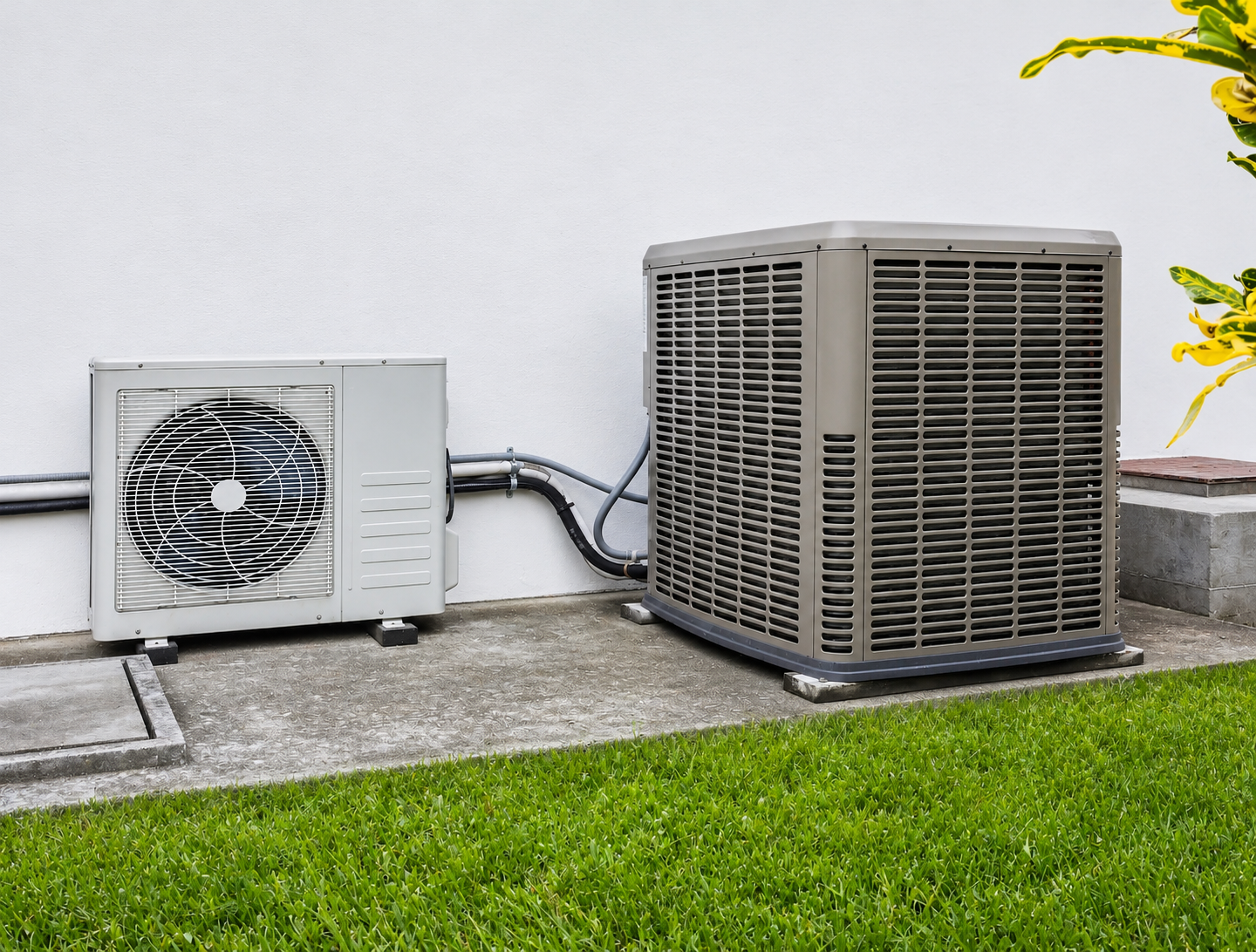
The outdoor condenser unit releases the heat pulled from inside your home. If it's dirty or blocked, it can't dump heat efficiently. This makes the compressor and fan work longer, causing strain and possibly shortening their lifespan. Even a little dirt can have a big impact on comfort and efficiency.
Outdoor Conditions Cause Wear and Tear
Unlike the indoor unit, the outdoor one faces sun, rain, snow, wind, and debris year-round. Chicago's weather adds extra stress, with frozen precipitation, spring pollen, summer dust, and falling leaves affecting the system. Over time, grime can build up, fins can bend, and the area can get cluttered. That's why scheduling HVAC system maintenance can lead to fewer surprises and better long-term performance.
Neglect Leads to Avoidable Repair Calls
Many emergency service calls start with a small maintenance issue. A dirty condenser coil may cause overheating, while a blocked fan area can lead to noisy operation or weak cooling. If ignored, problems like compressor stress, capacitor issues, and refrigerant symptoms can occur. Preventive care is usually cheaper than waiting for a breakdown and calling for A/C repair during a heatwave.
What Happens When You Ignore Maintenance
Reduced Cooling Efficiency
If your outdoor unit is dirty, it can't transfer heat as efficiently, so your air conditioner runs longer to reach the set temperature. This means more electricity use and less consistent comfort. Sometimes, this is mistaken for a thermostat issue or an undersized system, but often it starts with a neglected condenser. A simple cleaning and inspection can make a noticeable difference in performance.
Higher Utility Bills
When your system runs longer than necessary, energy use climbs. The Environmental Protection Agency notes that HVAC systems are big contributors to home energy use, and proper maintenance is a top way to maintain efficiency. You can check out more on the EPA energy page. Even if your bill increase seems small at first, those extra costs can add up over a cooling season.
Greater Risk of Component Failure
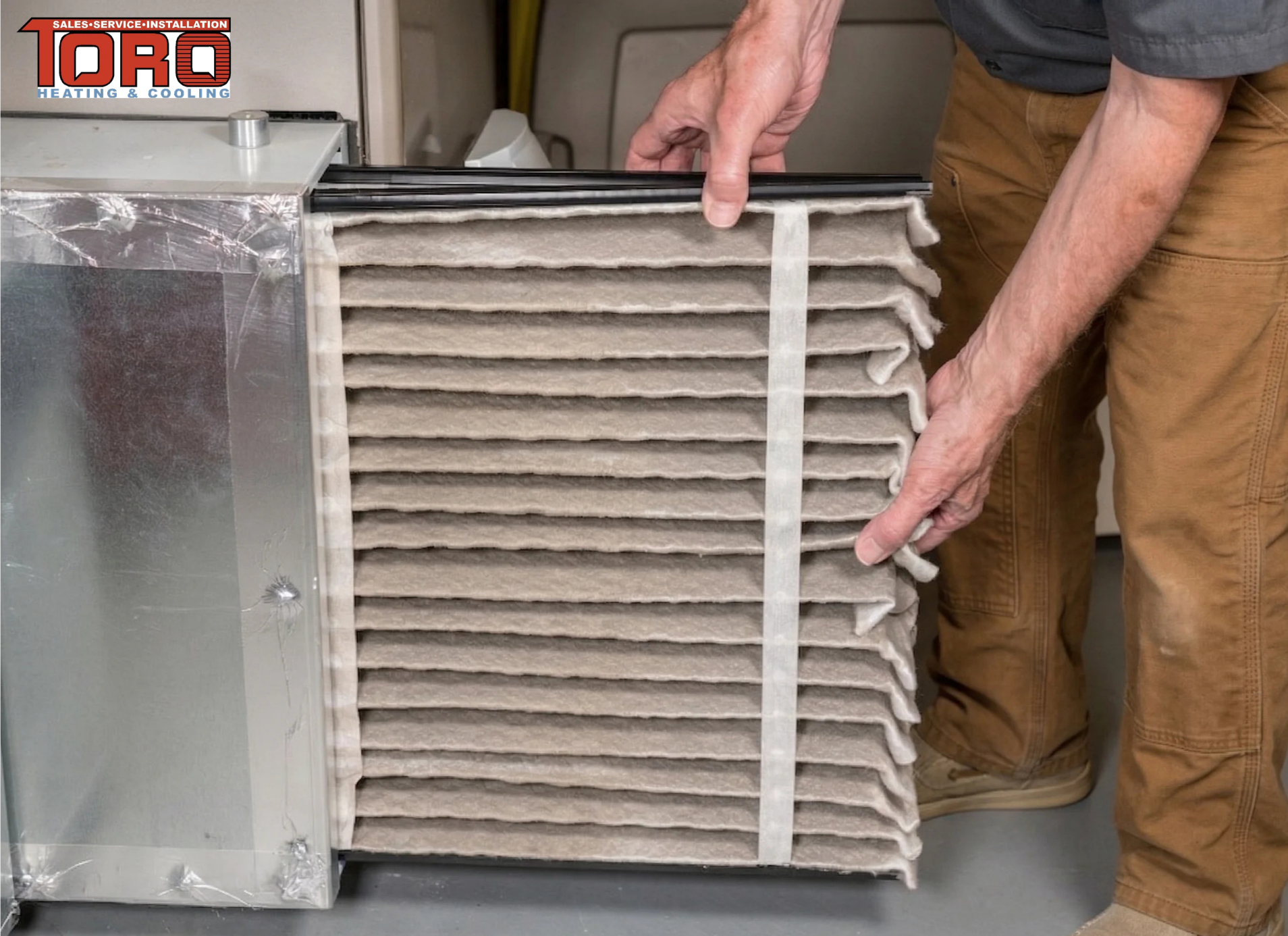
The compressor, fan motor, and electrical parts all rely on normal operating temperatures and steady airflow. When the condenser is clogged or the area is obstructed, temperatures rise and parts wear faster. This can lead to repeated service issues, electrical faults, or full system failure. Many homeowners combine outdoor unit care with regular filter replacement, as dirty filters and coils often cause similar airflow problems.
Signs Your Outdoor AC Unit Needs Attention
Warm Air or Weak Cooling Indoors
If your house never feels fully cool, the outdoor unit might need a look. Weak cooling can come from a dirty coil, fan trouble, refrigerant issues, or a combination of problems. The outdoor cabinet might look fine from a distance, but the internal surfaces could be packed with debris. If the system struggles to keep up, don't assume the issue is only inside.
Unusual Noises or Vibrations
Buzzing, rattling, humming, or grinding sounds often point to a mechanical issue. Debris inside the cabinet, a loose fan blade, failing bearings, or stressed electrical parts can all make noise. Don't ignore these sounds because they often get worse. A professional inspection can help determine whether the unit needs cleaning, tightening, part replacement, or more in-depth HVAC repair.
Ice Buildup or Frequent System Cycling
If you see ice on the refrigerant line or notice frequent cycling, airflow problems might be to blame. An outdoor coil that can't reject heat properly can cause freezing, especially with low indoor airflow. Short cycling also stresses the compressor and can cause temperature swings. These symptoms usually need a prompt diagnosis rather than waiting to see if the problem resolves itself.
What's Included in Professional Outdoor AC Maintenance
Cleaning the Condenser Coil
Cleaning the coil so air can move freely is a crucial maintenance step. Technicians use the right methods and tools to remove dirt without damaging the fins. This is delicate work because a strong blast of water or the wrong brush can bend the fins and reduce efficiency. A careful cleaning helps restore heat transfer and can immediately improve system performance.
Checking Electrical Connections and Components
Outdoor units depend on contactors, capacitors, wiring, and control parts that need to be tight and in good condition. A loose connection can cause intermittent problems, while a weak capacitor may prevent the fan or compressor from starting right. Technicians also check for signs of overheating, corrosion, and wear. Homeowners might need thermostat services or other troubleshooting if the outdoor issue affects overall operation.
Inspecting Airflow and Surrounding Clearance
The unit needs room to breathe. If shrubs, fences, storage bins, or leaves crowd the cabinet, airflow suffers. Maintenance includes checking if the area around the condenser is clear and if the fan moves air properly. A well-placed unit with enough open space is easier to keep efficient. Professional judgment matters here because technicians can spot patterns a homeowner might miss, like recurring blockages.
Simple Steps Homeowners Can Take Between Tune-Ups
Keep the Area Around the Unit Clean
You don't need to be a technician to help your outdoor AC unit. Start by removing leaves, trash, grass clippings, and other debris from around the cabinet. Trim back plants so there's enough clearance for airflow. Make sure there's no mulch, fabric, or stored equipment crowding the base. Small habits like this go a long way in preventing unnecessary strain.
Rinse the Exterior Gently When Needed
If the cabinet is dusty, a gentle rinse from a garden hose can help, but never use high pressure. Avoid spraying directly into electrical areas or bending the fins. If you're unsure what's safe, leave cleaning to a professional, especially if the unit is older or visibly damaged. Many homeowners choose A/C system maintenance for a complete service so inspection and cleaning are done together.
Watch for Changes in Performance
Pay attention to how quickly the home cools, whether rooms feel more humid, and if the unit sounds different. Early signs of trouble are often subtle. If you notice the system running longer than normal, shutting off unexpectedly, or struggling in moderate weather, document it. A technician can use those details to narrow down the issue and recommend the right fix.
How Maintenance Protects Comfort, Efficiency, and Equipment Life
More Even Cooling
A clean outdoor unit supports steadier refrigerant flow and better heat transfer, leading to fewer hot spots and a more comfortable home. Even with the thermostat set correctly, poor outdoor performance can make indoor temperatures feel uneven. A maintained system tends to respond more predictably and deliver the comfort you expect.
Extends Lifespan of Expensive Parts
Compressors and motors are expensive to replace and are often most affected by poor maintenance. When the system isn't fighting against dirt and restricted airflow, these components last longer. That's important because replacing a major part can cost much more than a routine tune-up. In many cases, maintenance is like insurance for the most expensive pieces of the system.
Reduces Chances of Peak-Season Emergencies
The worst time to discover a cooling problem is during a hot week. Preventive maintenance lowers the odds of a last-minute breakdown, though it doesn't eliminate them. Still, an inspected and cleaned system is less likely to fail unexpectedly. That's why many homeowners schedule services before summer and pair them with other seasonal care like central air repair if the technician finds a problem that needs attention.
Real-World Situations with Outdoor AC Maintenance
Case: A Clogged Coil After Spring Landscaping
Imagine a homeowner who refreshes the yard and accidentally covers part of the condenser with mulch and clippings. The system still runs, but the home takes longer to cool and the unit seems louder. An inspection reveals restricted airflow and debris lodged around the coil. Once cleared and cleaned, performance improves and the unit doesn't need to run as long to maintain temperature.
Case: Noisy Operation Due to Vibration
Another scenario is a unit that starts rattling after a windy season or storm. Loose fasteners, unbalanced fan movement, or minor cabinet damage can create more noise than expected. Sometimes, the problem is a small repair, but ignoring it can allow the issue to grow. That's why prompt evaluations and targeted HVAC repair help rather than waiting for the noise to become unbearable.
Why a Maintenance Mindset Saves Money in the Long Run
Preventive service may seem like a small expense compared to emergency repairs, high energy bills, or replacing parts early. The real savings come from avoiding strain year after year. Over time, a cared-for outdoor unit is more likely to stay efficient, cool reliably, and avoid surprising you at the worst moment. That's the kind of value homeowners feel throughout the cooling season.
When to Schedule Professional Help
At Least Once a Year, Ideally Before Summer
A seasonal inspection before cooling season is a great way to protect your system. It gives a technician time to identify worn parts, clean the condenser, and correct airflow issues before the first heatwave. If your system is older, heavily used, or has had recent issues, more frequent service might be worthwhile. A planned visit is usually less disruptive than waiting until it stops working.
Whenever Performance Suddenly Changes
If your AC starts making noise, blowing warmer air, or cycling irregularly, don't delay. Sudden changes usually point to a real issue rather than normal wear. In this situation, maintenance and repair might overlap, since the technician may need to clean the unit and address the symptom's cause. If the problem is electrical, mechanical, or refrigerant-related, quick action can help protect the rest of the system.
When You Want a Full-System Approach
Outdoor unit maintenance works best as part of a broader HVAC plan that includes indoor components, ventilation, and filtration. This is especially important in homes with dust, uneven cooling, or higher-than-normal runtime. Many homeowners choose bundled service for a better picture of system health. For a more complete approach, residential HVAC services can connect maintenance, diagnostics, and repair into one plan.
FAQs About Outdoor AC Unit Maintenance
How Often Should the Outdoor Unit Be Cleaned?
Once a year is a good start, but homes with lots of trees or heavy summer use might need more attention. A technician can check if the coil is clean enough to work properly or if buildup affects airflow. If unsure, it's safer to have the unit checked than assume it's fine. Small issues are easier to correct early.
Can I Spray the Coil with a Hose Myself?
You can gently rinse the outside of the unit, but avoid high pressure and never force water into electrical parts. Deep cleaning the coil is best done by a professional because the fins are delicate and internal components need to stay dry. A homeowner's job is usually to keep the area clean and report unusual changes. Professional service is better when the unit is dirty inside or showing performance issues.
Does Maintenance Really Lower Energy Bills?
Yes, because clean coils and healthy airflow help the system run more efficiently. While exact savings vary, a system that runs less hard usually uses less electricity. Efficiency also helps reduce wear, lowering repair costs over time. That combination makes maintenance a practical investment.
Final Thoughts: Small Care for the Outdoor Unit Pays Off
Your outdoor AC unit may not be the most visible part of your cooling system, but it's one of the most important. When it's clean, clear, and properly inspected, your home stays more comfortable, your energy use stays reasonable, and your equipment has a better chance of lasting longer. Ignoring it can lead to noisy operation, weak cooling, unexpected repairs, and a shorter system life.
If you want dependable cooling and fewer surprises, make outdoor maintenance part of your seasonal HVAC routine. Pair it with indoor care, filter changes, and timely repairs so the whole system works together. Toro Heating & Cooling is here to help homeowners with professional inspections, cleanings, and repairs that support long-term performance. Ready to schedule service? Reach out and let our team help keep your AC running smoothly.