Expert Guide to Thermostat Problems and Home Comfort in Chicago, IL
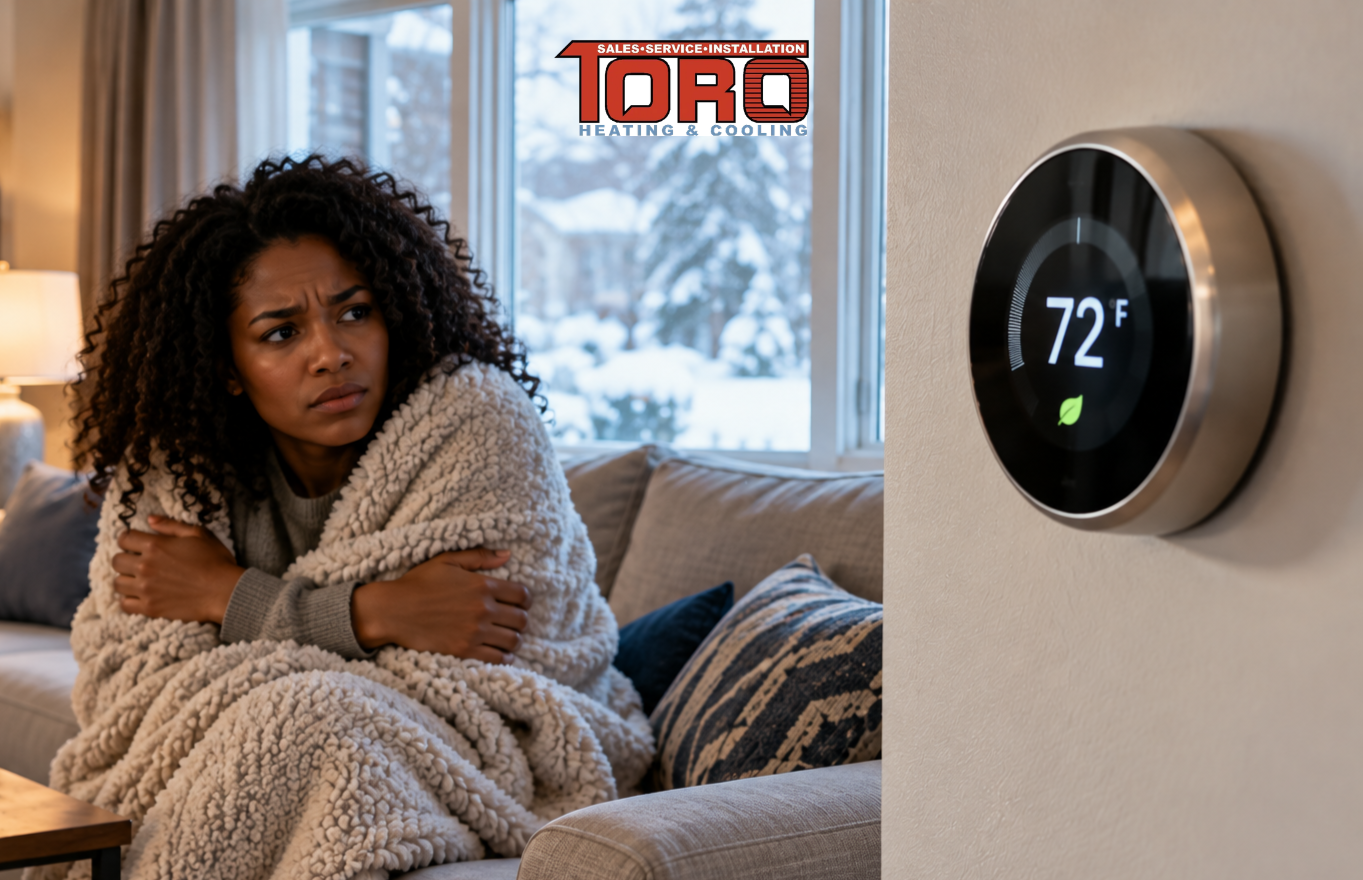
Ever feel like your home can't decide if it's too hot or too cold? Often, the thermostat is the culprit. Even minor issues with how it senses temperature or its settings can impact your entire HVAC system, making it tough to stay comfortable. So before blaming your furnace or air conditioner, consider checking the thermostat first.
Understanding how thermostat hiccups can mess with your home’s comfort helps you catch problems early, save energy, and extend the life of your heating and cooling equipment. If you notice uneven temperatures or your system acting up, a professional inspection or thermostat service can pinpoint the issue. If airflow is also a concern, our HVAC airflow guide might be helpful too.
This article dives into common thermostat issues, their impact on comfort, what you can troubleshoot yourself, and when it's time to call in an HVAC expert. We also talk about energy efficiency and how poor thermostat performance can affect indoor air quality. The U.S. Department of Energy points out that heating and cooling are big energy consumers, so managing your thermostat wisely is key for comfort and savings. Check out their Energy Saver guide for more tips.
Why the Thermostat Matters More Than Most Homeowners Realize
It is the command center for your HVAC system.
Your thermostat does more than sit on the wall. It commands your HVAC system, telling it when to turn on, when to stop, and how long to run. If the thermostat sends a wrong signal, your system might run too much, too little, or not at all, affecting comfort throughout your home. That's why a thermostat issue can feel like a system-wide problem.
Incorrect temperature sensing by the thermostat can result in your furnace or AC running longer than needed, or stopping short of your set temperature. This leads to uneven temperatures, wasted energy, and extra wear on your equipment. In homes where the thermostat is far from certain rooms, the temperature difference can be even more noticeable.
Small errors create big comfort problems.
Even a tiny thermostat error can mess with comfort levels. If your thermostat's calibration is off by just a few degrees, one room might feel chilly while another feels stuffy. This might not seem like a big deal, but over a day, it can lead to constant adjustments, higher bills, and frustration.
People often try to fix this by constantly changing the settings, but if the thermostat is off, the problem persists. For reliable comfort, consider troubleshooting alongside scheduled HVAC system maintenance to prevent small issues from becoming big headaches.
Common Thermostat Problems That Disrupt Home Comfort
Calibration issues and inaccurate temperature readings
One common issue is the thermostat sensing the wrong temperature. If it thinks a room is warmer or cooler than it really is, your system might shut off too soon or run too long. This can happen as your thermostat ages, after minor electrical issues, or when dirt and dust interfere with its sensors.
For instance, a thermostat near a sunny window or above a vent might give inaccurate readings due to unexpected heat or airflow. This can make keeping your home balanced tricky. In these cases, a thermostat repair can often fix the issue without needing a whole new system.
Poor placement inside the home
Location matters. A thermostat near a kitchen, drafty hallway, or in direct sunlight can give misleading temperature readings. This means your HVAC system might respond to conditions that don’t reflect the rest of your home, leading to uneven comfort.
This is especially important in homes with open layouts or rooms with varying sun exposure. Sometimes, relocating the thermostat or improving airflow can make a big difference. If placement is the problem, a new thermostat installation might be your best bet.
Wiring faults and communication errors
Thermostats use low-voltage wiring to talk to your HVAC system. Loose wires or damaged connections can disrupt this communication, leading to erratic performance. Your system might turn on and off randomly or not start at all.
Wiring issues are especially tricky because they can seem like bigger equipment failures. What seems like a broken furnace might just be a bad thermostat connection. Because wiring can involve electrical components, it’s usually safer to let a professional handle it, especially if the issue keeps coming back.
Dead batteries or power loss
Some thermostat problems are simple but easy to overlook. Dead batteries or a tripped breaker can leave the thermostat blank or unresponsive. In smart thermostats, power interruptions can also lead to Wi-Fi disconnections or glitches, affecting schedules.
Even if the problem is temporary, a power loss can disrupt comfort for hours. This is why regular checks are important. A quick look during a service visit can prevent a minor issue from becoming a bigger problem. If it seems linked to a bigger system fault, a full HVAC repair might be necessary.
How Thermostat Problems Show Up in Daily Life
Uneven temperatures from room to room
One clear sign of thermostat trouble is uneven room temperatures. If the thermostat doesn’t sense things correctly, your system might reach its target temperature before heating or cooling every room properly, leading to discomfort.
This often shows up in bedrooms, upstairs areas, or rooms at the end of long duct runs. Homeowners sometimes close vents or use fans, but these only mask the underlying problem. If the thermostat is off, your system operates on bad information.
Short cycling and frequent starts and stops.
Short cycling happens when HVAC equipment turns on and off too frequently. A faulty thermostat can cause this by sending wrong signals or failing to maintain a steady cycle. This affects comfort, increases wear, and makes your system feel unstable.
Short cycling wastes energy because starting up uses the most power. Over time, this can wear out parts faster and lead to more repairs. If this sounds familiar, check our short cycling guide.
Systems that never seem to reach the set temperature
Sometimes, your HVAC system runs but never seems to hit the target temperature. This can happen if your thermostat is miscalibrated or poorly placed, leading to poor timing. It might seem like your system lacks capacity, but the issue might be simpler.
Extended runtimes without proper comfort can also cause humidity problems. Long cooling cycles might remove too much or too little moisture, depending on the issue. This shows how thermostat problems can affect more than just temperature; they influence the overall feel of your home.
Smart Thermostats Help, but They Are Not Problem-Free
Convenient features still depend on proper setup.
Smart thermostats offer scheduling, remote access, and energy reports, but they need proper installation and setup to work well. If not wired properly or calibrated correctly, even the best features won't solve comfort problems. They might even complicate troubleshooting.
Some homeowners think a smart thermostat will automatically fix temperature or airflow issues. While it can improve consistency, it can't fix duct leaks or airflow problems. For deeper issues, combining control work with thermostat services and airflow checks is often smarter.
Software glitches can affect comfort.
Smart devices sometimes have app failures, firmware bugs, or Wi-Fi issues. This can lead to rooms feeling too warm or cold, even if the thermostat seems to work. If problems persist, check network stability and device settings before assuming equipment failure. For more on smart thermostats, see ENERGY STAR's guide.
How Thermostat Issues Affect Energy Use and Equipment Life
Higher utility bills from inefficient operation
Thermostat problems often show up on your energy bill. If the system runs too long or too often due to inaccurate readings, it uses more energy than necessary. Even a small control issue can mean costly monthly bills, especially during peak seasons.
Many homeowners don't notice the energy impact immediately since comfort issues come first. But over time, repeated inefficiencies can become expensive. If your thermostat is unreliable, it's not just about comfort—it's financial too.
Extra wear on compressors, blowers, and heat exchangers
Frequent starts and stops stress equipment more than steady operation. Compressors, blower motors, and other components benefit from balanced cycles. Irregular cycling from thermostat faults can wear out parts faster than expected.
This is why regular maintenance matters. During HVAC maintenance, technicians can check thermostat function, confirm system response, and spot control issues before they cause expensive damage.
What Homeowners Can Safely Check Before Calling for Service
Verify settings and mode.
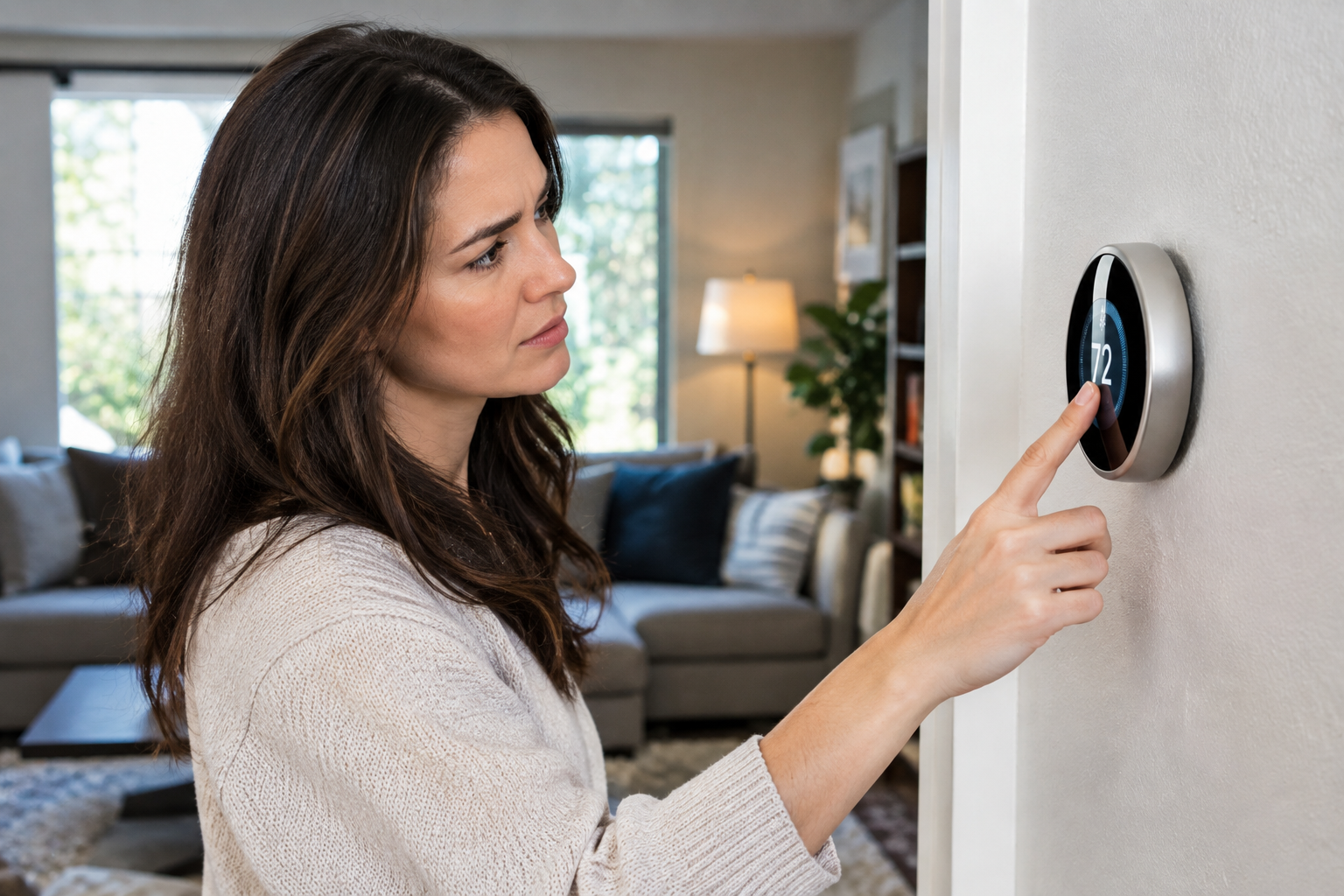
Before assuming the thermostat is broken, make sure it's in the right mode. Many service calls start with a thermostat accidentally left in the wrong setting or with incorrect fan or schedule settings. Double-check these before diving into more complex troubleshooting.
Compare the set temperature with the actual room feel. If there's a big difference, it could be a calibration or placement issue. If issues persist after checking settings, the problem may be more than user error.
Check batteries, breakers, and filters.
Replace thermostat batteries if needed and ensure breakers aren't tripped. While a dirty air filter isn't a thermostat issue, it can make the system seem sluggish. A simple filter check can eliminate one common source of complaints.
For ongoing protection, a regular filter replacement and maintenance schedule supports airflow and reduces system stress. Cleaner air gives the thermostat a clearer picture of home performance.
Look for obvious placement issues.
If your thermostat is in direct sunlight, next to a lamp, or near a heat source, these could be contributors. You don't need to move it yourself, but noting the location helps a technician decide if adjustment or replacement is needed.
Keep track of when comfort issues arise. If it feels wrong only in the afternoon, sunlight might be the cause. If problems worsen with doors open or closed, airflow might be a factor too.
When Thermostat Problems Point to Bigger HVAC Issues
Thermostat symptoms can disguise airflow problems.
Not every issue that seems like a thermostat problem starts there. Weak airflow, blocked ducts, or poor ventilation can make the thermostat behave as if it's failing. If the sensor reads a temperature but air doesn't reach the room, the system might keep running without solving the problem.
That's why a thorough diagnosis matters. In some homes, the thermostat is fine, but airflow or ductwork needs attention. Services like air duct cleaning or duct repair can significantly improve how your system and thermostat work together.
Heating and cooling equipment may be responding correctly to bad input
Sometimes your furnace, AC, or heat pump isn't malfunctioning. It's just following the thermostat's inaccurate instructions. Knowing this is important because replacing equipment without fixing the control issue wastes money and leaves the problem unsolved.
A heat pump that seems to struggle might actually be fine, but the thermostat isn't coordinating cycles properly. In these cases, heat pump repair or thermostat testing can clarify the real issue. Accurate diagnosis saves more than guesswork.
Professional Solutions That Restore Comfort Faster
Testing, recalibration, and replacement
HVAC professionals can test thermostat response, check wiring, verify accuracy, and decide if recalibration or replacement is needed. Often, the fix is straightforward once the root cause is found. This is especially true for older thermostats or those poorly placed or incompatible with your system.
When replacement is the best option, choosing the right model is crucial. It's not just about installing a new device but ensuring it meets your comfort needs. A well-chosen thermostat can improve consistency and reduce unnecessary HVAC runtime.
Coordinating control work with system maintenance
For the best comfort, consider both the thermostat and HVAC system together. Even a perfect thermostat struggles if the furnace, AC, or ductwork isn't in good shape. Likewise, a healthy HVAC unit can disappoint if the thermostat gives poor instructions.
Many homeowners benefit from combining thermostat inspection with system maintenance. This approach confirms both the brains and muscle of your HVAC system are working well. It's a practical way to protect comfort and avoid recurring issues.
Frequently Asked Questions About Thermostat Comfort Problems
How do I know if my thermostat is bad?
Signs include inaccurate readings, unresponsive controls, short cycling, blank screens, frequent schedule failures, and mismatched room temperatures. If you've checked batteries, filters, and settings and the problem continues, your thermostat might need professional testing. A technician can determine if the issue lies with the thermostat or another HVAC component.
Can a thermostat make one room colder than the rest of the house?
Yes, especially if it's poorly located or reading the temperature incorrectly. This can cause the system to shut off before other areas are comfortable. Room imbalance can also stem from ductwork or airflow issues, so a full diagnosis is best to find the real cause.
Should I replace an old thermostat even if it still works?
If it's outdated, hard to calibrate, or incompatible with modern HVAC equipment, a replacement might improve comfort and efficiency. Older units can still work but may produce inconsistent results. If you're scheduling service for comfort issues, ask if an upgrade would provide better control.
Final Thoughts: Better Comfort Starts With Better Control
Thermostat problems may seem small but can affect almost every part of your home’s comfort. From uneven temperatures and short cycling to higher bills and unnecessary wear, their impact is broader than you might think. The good news? Many thermostat issues are fixable once you know what to look for.
If your home feels inconsistent, don’t overlook the thermostat just because it’s small and simple. A careful check can show if the fix is a battery change, recalibration, replacement, or a deeper HVAC adjustment. For reliable help, Toro Heating & Cooling offers thermostat repair, thermostat installation, and full HVAC support to keep your system responsive and your home comfortable.
Want a home that stays comfortable without constant adjustments? Contact Toro Heating & Cooling at (773) 202-9933 or visit torohvac.com to schedule service and get expert help with thermostat problems before they turn into bigger comfort issues.