Why Professional Ductwork Is Key for HVAC Efficiency
When folks think about HVAC efficiency, they usually picture the furnace, air conditioner, or thermostat. But it's the ductwork hidden behind walls, ceilings, and floors that often decides how well the whole system performs. If ducts are poorly sized, leaky, disconnected, or badly insulated, even a high-efficiency unit can waste energy and deliver uneven comfort. That's why professional ductwork isn't just a minor detail; it's the backbone of an efficient HVAC system.
At Toro Heating & Cooling, we see the difference proper duct planning makes every day. From homes that struggle with hot and cold spots to businesses that want steady airflow and lower utility costs, the duct system is often the missing piece. For those looking to improve comfort from the ground up, our HVAC duct installation and HVAC duct repair services are designed to create better airflow, reduce waste, and support long-lasting system performance. Let's dive into why professional ductwork matters, what problems it prevents, and how it helps HVAC equipment operate at its best.
Efficient ductwork isn't just about moving air. It's about moving the right amount of air to the right rooms, at the right pressure, with the least possible loss. According to the U.S. Department of Energy, duct leakage and poor design can really knock down system efficiency and comfort, especially in older buildings or homes with retrofit work. Check out Energy Saver for more energy-saving HVAC basics.
The Hidden Role Ductwork Plays in HVAC Performance
Ducts: The Delivery System, Not Just a Pathway
Your HVAC equipment produces conditioned air, but ducts decide whether that air actually reaches the rooms that need it. If duct runs are too long, too narrow, or full of bends, airflow can slow down and lose pressure before it arrives. That means your furnace or AC must run longer to satisfy the thermostat, which increases wear and energy use.
Professional ductwork is tailored to match the capacity of the system and the layout of the building. That includes room sizes, return air needs, system pressure, and supply balance. A well-designed duct system helps each room receive consistent conditioning without overworking the blower or compressor. That's why ductwork should be treated as part of the equipment design, not an afterthought.
Poor Ductwork Creates Expensive Inefficiencies
Leaks, disconnected joints, crushed flex duct, and poor insulation all let conditioned air escape before it reaches the living space. In summer, that means cool air is lost in hot attics or wall cavities. In winter, heated air can disappear into unconditioned spaces before it ever contributes to comfort. Over time, those small losses can become a major drain on utility bills.
Another hidden cost is runtime. When ducts restrict airflow, the equipment cycles longer and harder to compensate. This can shorten the lifespan of motors, burners, compressors, and other system components. If your system is already showing signs of strain, it may be time to pair duct evaluation with HVAC repair or routine HVAC system maintenance so the whole setup can operate smoothly again.
Common Ductwork Problems That Reduce Efficiency
Air Leaks and Disconnected Sections
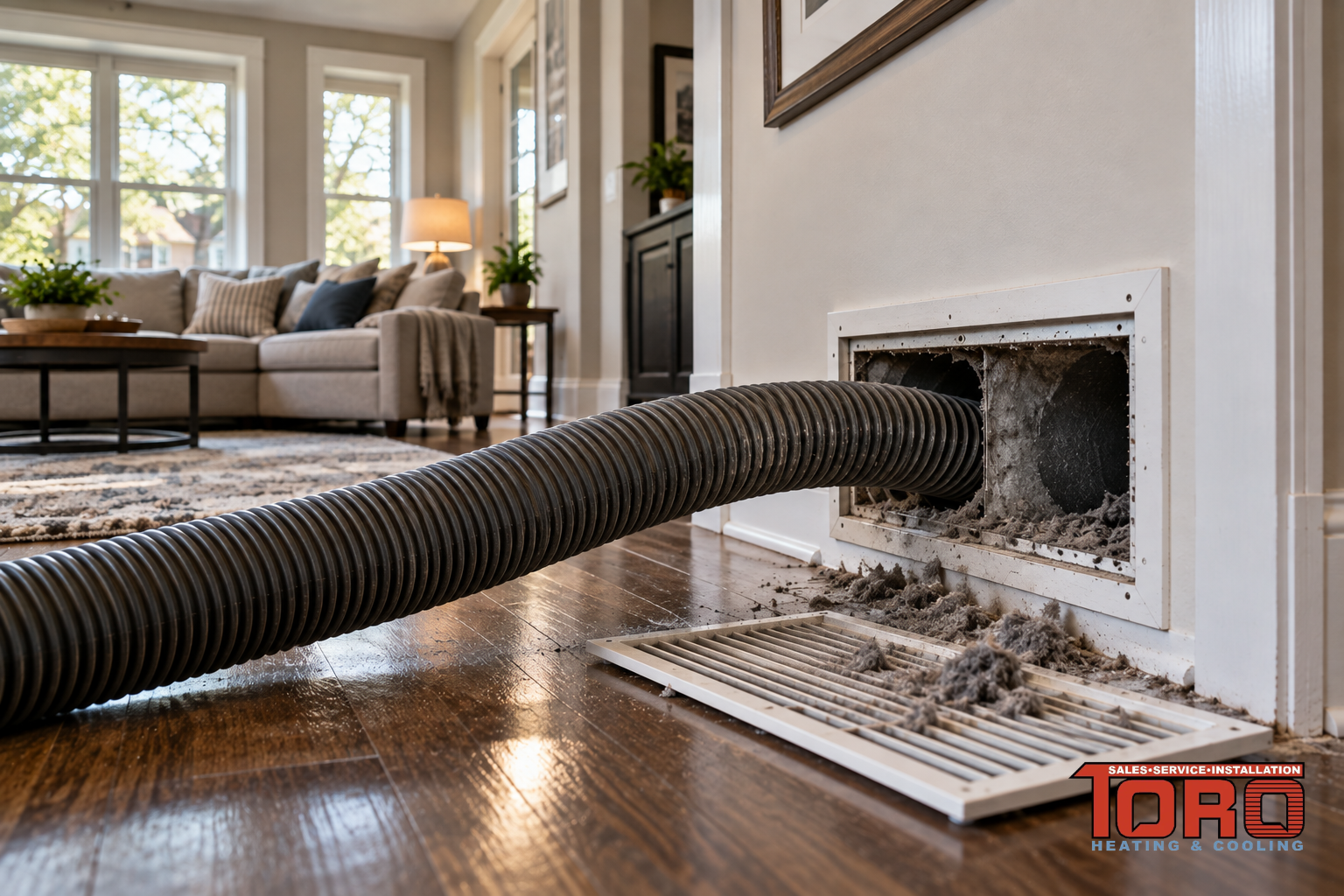
One of the most common duct problems is leakage at seams, joints, or takeoffs. Even a small gap can waste a surprising amount of conditioned air over a full season. In some buildings, leakage also pulls dusty attic or crawlspace air into the system, reducing indoor air quality and putting extra strain on filters and coils.
Disconnected or partially separated ducts are even worse because they can send air into unoccupied spaces where it does no useful work. This is often discovered during comfort complaints, especially when one room is much warmer or colder than the others. A professional inspection can identify these issues quickly, while DIY patchwork often misses the larger airflow problem.
Improper Sizing and Design
Ducts must be sized to match both the HVAC unit and the building load. If they're too small, pressure rises and airflow drops. If they're too large, velocity can fall too low, leading to poor distribution, weak supply to distant rooms, and uneven temperatures. In both cases, the system is forced to work outside its ideal operating range.
Professional design uses calculations, not guesswork. Trained technicians consider total external static pressure, branch balance, return air paths, and room-by-room needs. That's especially important when upgrading equipment, adding rooms, or improving an older system. If you're planning a larger HVAC project, it may make sense to review HVAC installation options and make sure the duct system is designed alongside the equipment.
Insulation and Placement Mistakes
Ductwork located in unconditioned areas needs proper insulation to reduce heat gain or loss. Without it, efficiency drops fast, especially in attics, basements, garages, and crawlspaces. Poor placement can also expose ducts to moisture, dust, and physical damage, all of which reduce performance over time.
Professional installers think carefully about routing, sealing, support, and insulation thickness. They also account for access, maintenance, and safety. This kind of planning is one reason a professional system tends to outlast a rushed installation or a series of piecemeal repairs.
Why Professional Design Matters More Than DIY Fixes
Accurate Load Calculations Protect the System
Many duct problems start with a system that was never fully matched to the home or building. Load calculations help determine how much heating and cooling each zone actually needs. Without that information, ducts may be oversized, undersized, or poorly balanced, which makes every other component work harder than necessary.
Professional installers use their knowledge of airflow, pressure, and system behavior to avoid those mistakes. That's especially important in renovation projects where room layouts have changed, or where older ductwork is being reused with newer equipment. A duct system that was fine twenty years ago may no longer be appropriate for today’s comfort expectations or energy standards.
Sealing and Testing Are Critical Steps
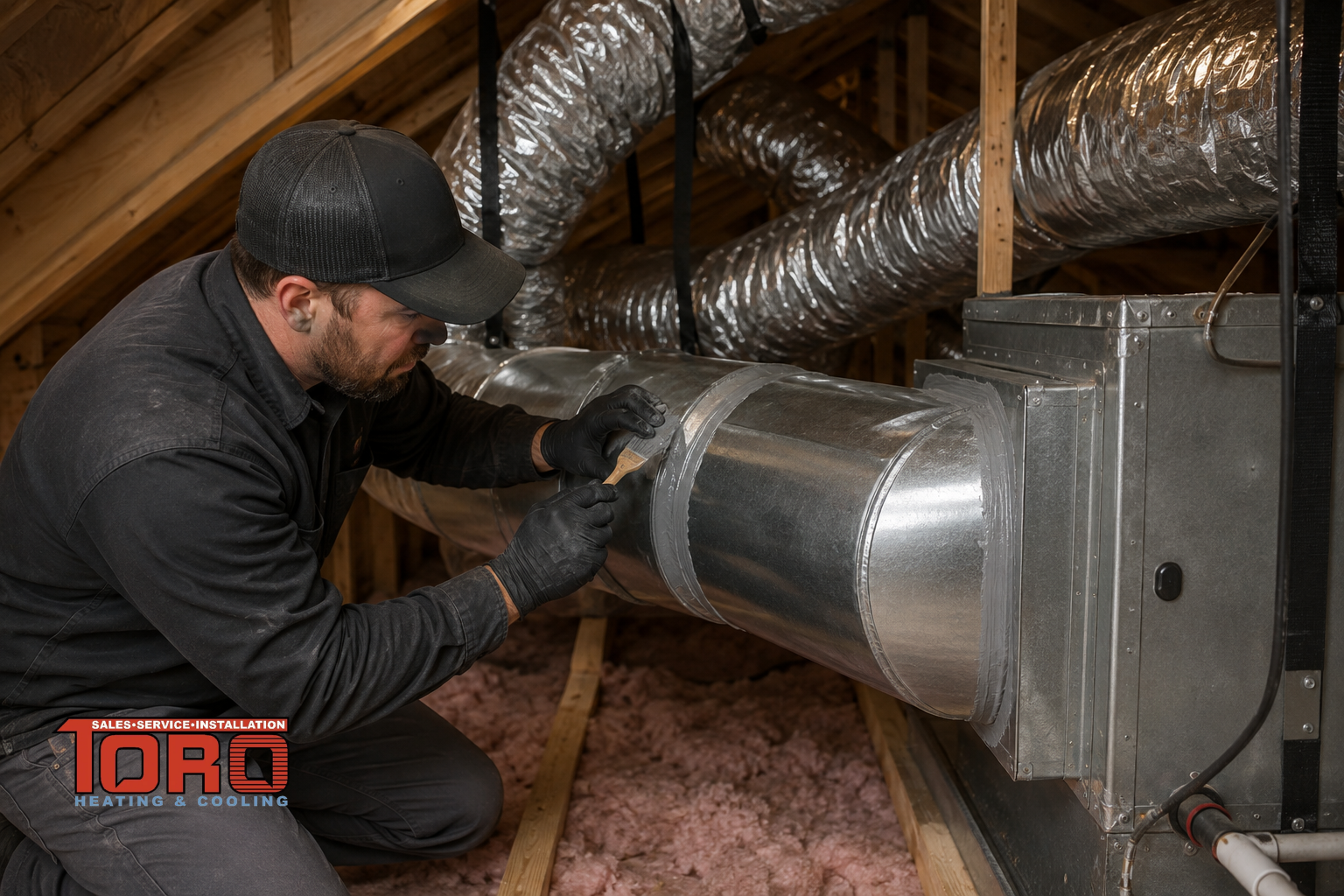
Proper ductwork isn't complete until it has been sealed and tested. That includes sealing joints with approved materials, checking for leaks, and verifying that airflow reaches key registers. These steps can dramatically improve efficiency and comfort, especially when the ducts pass through hot or cold spaces.
Professional testing also helps catch hidden problems early. For example, a system may appear to work normally while still losing a large portion of its air through the attic. By identifying and correcting those losses, technicians help the equipment reach its intended efficiency. If you want a cleaner and more balanced airflow path, air duct cleaning can also support better system hygiene when combined with sealing and repairs.
Code Compliance and Safety Matter
Professional ductwork must meet local building codes and safety requirements. That includes fire safety, insulation standards, support spacing, venting considerations, and proper materials. In commercial settings, code compliance can also affect occupancy comfort, operational costs, and inspection results.
For homeowners and property managers, working with a qualified contractor reduces the risk of hidden failures and avoids rework later. It also makes future service easier because the system is laid out logically and documented correctly. In short, professional ductwork isn't just about efficiency; it's about building a system that's safe, reliable, and maintainable.
How Better Ductwork Improves Comfort and Energy Use
More Even Temperatures Across Rooms
One of the clearest signs of improved ductwork is more consistent comfort. When supply and return air paths are balanced, rooms stop competing with each other. Bedrooms, offices, kitchens, and upper floors can all receive more predictable airflow, which reduces the need to constantly adjust the thermostat.
This matters because uneven comfort often leads people to turn the system up or down more than necessary. That extra adjustment creates short cycling, wasted energy, and frustration. If your property has stubborn hot and cold spots, duct issues may be the root cause, and they can be addressed alongside thermostat services to make temperature control more responsive.
Lower Energy Bills Through Reduced Waste
When ducts are sealed, insulated, and properly sized, less conditioned air is lost before it reaches the rooms you pay to heat and cool. That means the HVAC unit can reach setpoint faster and shut off sooner. Over a full cooling or heating season, the savings can be meaningful.
The Environmental Protection Agency notes that buildings benefit from reducing energy waste through better system design and maintenance. You can explore broader efficiency and indoor air guidance through EPA indoor air quality resources. While every building is different, the principle is consistent: a well-designed airflow system supports both comfort and cost control.
Less Stress on Major HVAC Components
Reduced airflow resistance helps your furnace, air conditioner, heat pump, or blower motor operate closer to its design intent. That can reduce overheating, noise, vibration, and premature failure. It also lowers the chances of expensive emergency repair calls because the equipment isn't constantly being pushed to compensate for poor air delivery.
If a system is already struggling, professional duct corrections can be paired with central air repair or heating system repair so the mechanical and distribution sides are fixed together. This holistic approach usually produces better results than replacing parts one at a time without solving the underlying airflow issue.
Signs Your Ductwork May Be Hurting Efficiency
Rooms Never Seem to Reach the Set Temperature
If certain rooms are always too warm or too cold, the duct system may be unbalanced. This happens when some branches receive too much air and others too little. The thermostat may be satisfied in one area while other spaces remain uncomfortable, creating the illusion that the equipment itself is failing.
That’s why a comfort complaint shouldn’t immediately lead to equipment replacement. In many cases, the real issue is airflow distribution, not the furnace or AC itself. A thorough inspection can reveal whether the solution is a duct repair, zoning adjustment, or a new duct layout.
High Utility Bills Without a Clear Explanation
Sudden or persistent spikes in energy bills often point to efficiency loss. While weather and usage patterns matter, poorly performing ductwork can quietly drive costs up month after month. Leaks, obstructions, and inadequate insulation all force HVAC equipment to run longer than necessary.
Tracking bills over time can help you spot trends. If costs rise while comfort falls, your duct system deserves a closer look. For properties with older duct networks, it may also be wise to compare the condition of the ductwork with the age and service history of the HVAC equipment.
Unusual Noises, Dust, or Airflow Issues
Whistling vents, rattling ducts, dusty registers, and weak airflow are all red flags. They can signal leaks, loose connections, debris buildup, or pressure problems. Sometimes a problem sounds minor at first, but it’s actually a sign of significant airflow restriction or deterioration.
Homeowners who notice these symptoms often benefit from an inspection that includes filters, registers, and return air paths. Routine filter replacement/maintenance can improve airflow too, but if the underlying ductwork is compromised, filter changes alone won't solve the issue.
What Professional Ductwork Service Includes
Inspection and Airflow Evaluation
A professional duct service typically begins with an inspection of supply runs, returns, joints, supports, and insulation. Technicians look for leaks, restrictions, damage, and design flaws. They may also evaluate airflow at registers to identify rooms that aren’t getting enough conditioned air.
This step matters because not every comfort issue is visible. Some of the most costly duct failures are hidden behind finished surfaces or above ceilings. A detailed evaluation gives the contractor a complete picture before making recommendations.
Repairs, Sealing, and Improvements
Once the problems are identified, the technician can seal leaks, reconnect separated ducts, replace damaged sections, improve insulation, and adjust airflow distribution. In some cases, the solution may include vent changes or new branch routing. Professional service is focused on restoring design performance rather than making a quick cosmetic fix.
When duct issues affect specific rooms, related services such as HVAC vent repair or HVAC vent installation may be part of the solution. The goal is to create a smooth path from the equipment to the room, with minimal loss and maximum comfort.
Ongoing Maintenance for Long-Term Efficiency
Even good duct systems need attention over time. Dust, vibration, settling, and building changes can affect performance. Routine maintenance helps catch problems before they become major repairs, especially in systems that serve many rooms or operate nearly year-round.
That’s why ductwork should be considered part of the broader maintenance plan, not a one-time project. When paired with HVAC system maintenance, duct inspections help keep the entire system aligned, efficient, and dependable.
Professional Ductwork in Real-World Scenarios
Older Homes with Mixed Upgrades
Older homes often have duct systems that have been patched repeatedly over the years. A new furnace may have been installed, then an AC was added later, and then a room was finished or converted. These changes can create mismatches that reduce performance even if the equipment itself is high quality.
In these cases, professional duct evaluation can be transformative. Rather than chasing symptoms, the contractor identifies the structural airflow issues that keep the system from performing properly. The result is often better comfort, quieter operation, and improved efficiency without unnecessary equipment replacement.
Growing Households and Changing Spaces
Families change over time, and so do comfort needs. A room that was once a guest room may become a bedroom, office, or nursery. If the ductwork wasn't designed for the new use, occupants may notice temperature problems, noise, or poor airflow.
Professional duct upgrades can adapt the system to the building’s current layout. That may involve adjusting supplies, returns, or zoning to better match how the space is actually used. In this way, ductwork becomes part of a smarter comfort strategy instead of a fixed limitation.
Commercial Properties with Comfort Complaints
In commercial buildings, duct performance affects productivity, customer experience, and operating costs. Retail spaces, offices, and mixed-use properties often need balanced airflow across larger or more complex layouts. If ducts are underperforming, tenants may complain about drafty rooms, stuffy areas, or uneven temperatures.
For business owners, professional ductwork can reduce operational headaches and improve control over HVAC expenses. When needed, broader commercial HVAC services can align duct design, equipment performance, and maintenance planning so the building supports daily operations more effectively.
FAQ: Professional Ductwork and HVAC Efficiency
How Do I Know If My Ductwork Needs Professional Attention?
Common signs include uneven temperatures, rising utility bills, weak airflow, noisy vents, dusty rooms, and systems that run longer than expected. If you notice several of these issues at once, the ductwork should be inspected by a professional. In many cases, the ducts are the main reason the HVAC system isn't performing well.
Can Duct Sealing Really Make a Difference?
Yes. Sealing leaks can improve the amount of conditioned air that reaches each room, reduce strain on the equipment, and help stabilize indoor temperatures. The exact benefit depends on the condition of the system, but even moderate improvements can produce better comfort and lower waste.
Should I Replace My HVAC Equipment or Fix the Ducts First?
That depends on the age and condition of the system, but ductwork should always be evaluated before making a major replacement decision. A new furnace or AC won't deliver its full value if the air distribution system is failing. In many cases, repairing or redesigning the ducts is the most cost-effective first step.
How Often Should Ducts Be Checked?
There's no single answer for every property, but ducts should be reviewed whenever you experience comfort issues, after major renovations, or during scheduled maintenance. Properties with older duct systems or recurring problems may need more frequent attention. Regular checks help you catch leaks and restrictions before they become expensive.
Conclusion: Better Ductwork Means Better HVAC Performance
Professional ductwork is essential because it determines whether your HVAC system can deliver on its promise of comfort, efficiency, and reliability. Even the best equipment can't perform properly if conditioned air is lost, restricted, or misdirected. When ducts are designed, installed, sealed, and maintained correctly, the whole system works less, lasts longer, and delivers more consistent results.
If you're dealing with weak airflow, uneven temperatures, or higher energy bills, don't overlook the duct system behind the walls. A professional evaluation can reveal problems that a thermostat adjustment or equipment replacement will never solve on its own. For homeowners and property managers who want a smarter, more efficient comfort solution, the right next step may be a combination of duct service, maintenance, and targeted repairs.
Toro Heating & Cooling is here to help you get more from your HVAC system with dependable service and practical recommendations. Learn more about our residential HVAC services and explore the right solution for your property. If you're ready to improve comfort and efficiency, contact us today at Toro Heating & Cooling or call (773) 202-9933 to schedule your assessment.
Take the next step: If your ductwork has never been professionally evaluated, now's the time to find out how much efficiency and comfort you may be losing.