AC Running but Not Cooling? 5 Problems That Could Be Causing It
Picture this: Your air conditioner is humming along, but your house still feels like a sauna. Frustrating, right? The silver lining is that this often points to a few common hiccups rather than a total breakdown. A little investigation and the right fix can quickly bring back your cool, especially if you catch problems with airflow, refrigerant, or controls early. Need some help? Our A/C System Repair and A/C maintenance services are designed to solve these issues.
Let's walk through the five usual suspects when your AC isn't cooling, how to recognize them, and what you can check safely before you call the pros. We'll also touch on when the problem might be in your ductwork, electrical parts, or if your indoor coil is on the fritz. For those keen on understanding more about HVAC systems, the U.S. Department of Energy and the EPA's indoor air quality program offer some great insights into efficiency and comfort.
1. Dirty or Clogged Air Filter
How a filter problem affects cooling
One of the most common culprits behind an AC running without cooling is a clogged filter. When it's jam-packed with dust, pet hair, or debris, airflow takes a hit, and the evaporator coil can't do its job of absorbing heat. This leads to weak airflow, longer run times, and a system that's working hard but not cooling down your space.
Signs your filter is the culprit
If the air coming from your vents feels weak, you're dusting more than usual, or you hear a whistling near the return grille, the filter might be to blame. Some systems also ice up when airflow is too low, which only makes the cooling problem worse because the system has to defrost before it can work properly again.
What to do next
Start by checking the filter. If it looks grimy, heavy, or bent, it's time for a new one. Homes with pets or allergy concerns should consider regular filter replacement and maintenance. A clean filter not only helps your AC run better but also supports better indoor air quality, which is crucial during long cooling seasons.
2. Low Refrigerant or a Refrigerant Leak
Why refrigerant matters
Refrigerant is what carries the heat out of your home. If levels are low, your AC might run, but it struggles to remove heat from the air. Unlike your car’s gas, refrigerant isn't meant to deplete over time. Low levels usually mean there's a leak somewhere that needs professional attention.
Common warning signs
Listen for hissing near the indoor or outdoor unit, spot ice on the evaporator coil, or notice the system running non-stop without cooling the room. Another sign is warm air blowing from the vents despite the right thermostat setting. Refrigerant issues can strain the compressor, so quick action is a must.
Why professional service is important
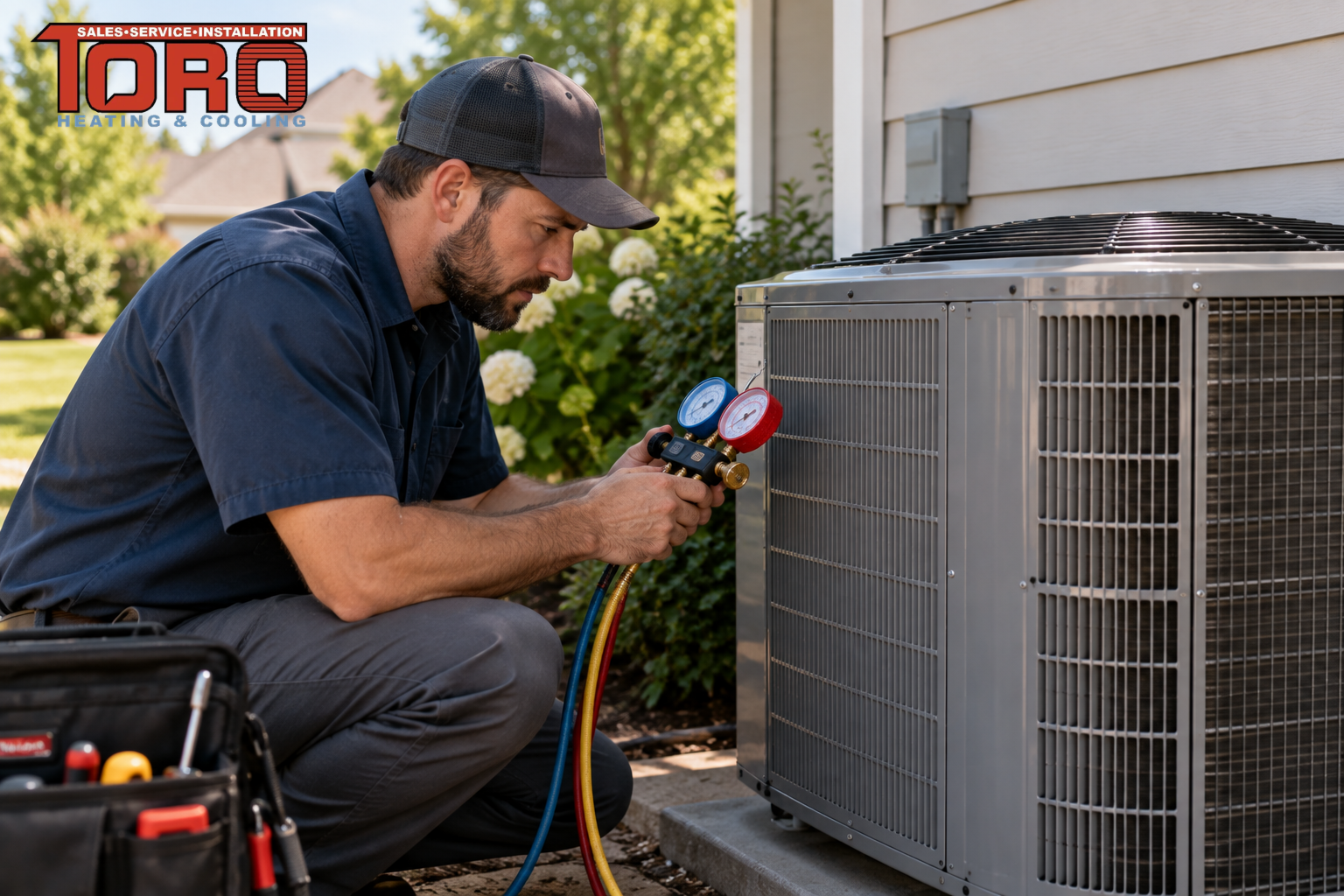
Handling refrigerant requires specific tools and safety practices. A technician will test pressures, inspect coils and connections, and pinpoint the issue—be it a leak, charge problem, or deeper fault. If the outdoor unit is the problem, central air repair might be the direct fix. For more on refrigerants, the EPA Section 608 program is a good resource.
3. Dirty Condenser Coil or Outdoor Unit Problems
How the outdoor unit cools your home
The outdoor condenser unit is responsible for releasing the heat your indoor coil pulls from your home. If the coil is covered in dirt, grass clippings, or leaves, it can't release heat effectively. Even with the fan spinning, the system might not complete the heat transfer process, leaving you with lukewarm air indoors.
Signs the outdoor unit needs attention
Look for bent fins, trapped debris, buzzing sounds, or a slow fan. Excessive heat around the unit, frequent cycling, and poor cooling on hot days can also indicate trouble. In dusty areas, regular service becomes even more important because outdoor conditions can quickly impact performance.
How maintenance helps
Professional cleaning and inspections can restore airflow across the coil and reduce stress on the compressor. Seasonal A/C system maintenance also lets technicians catch electrical wear, fan issues, and early signs of coil damage before they turn into big repairs. Many homeowners are surprised by how much cooling improves after a thorough cleaning.
4. Thermostat or Control Issues
When the system is fine but the controls are not.
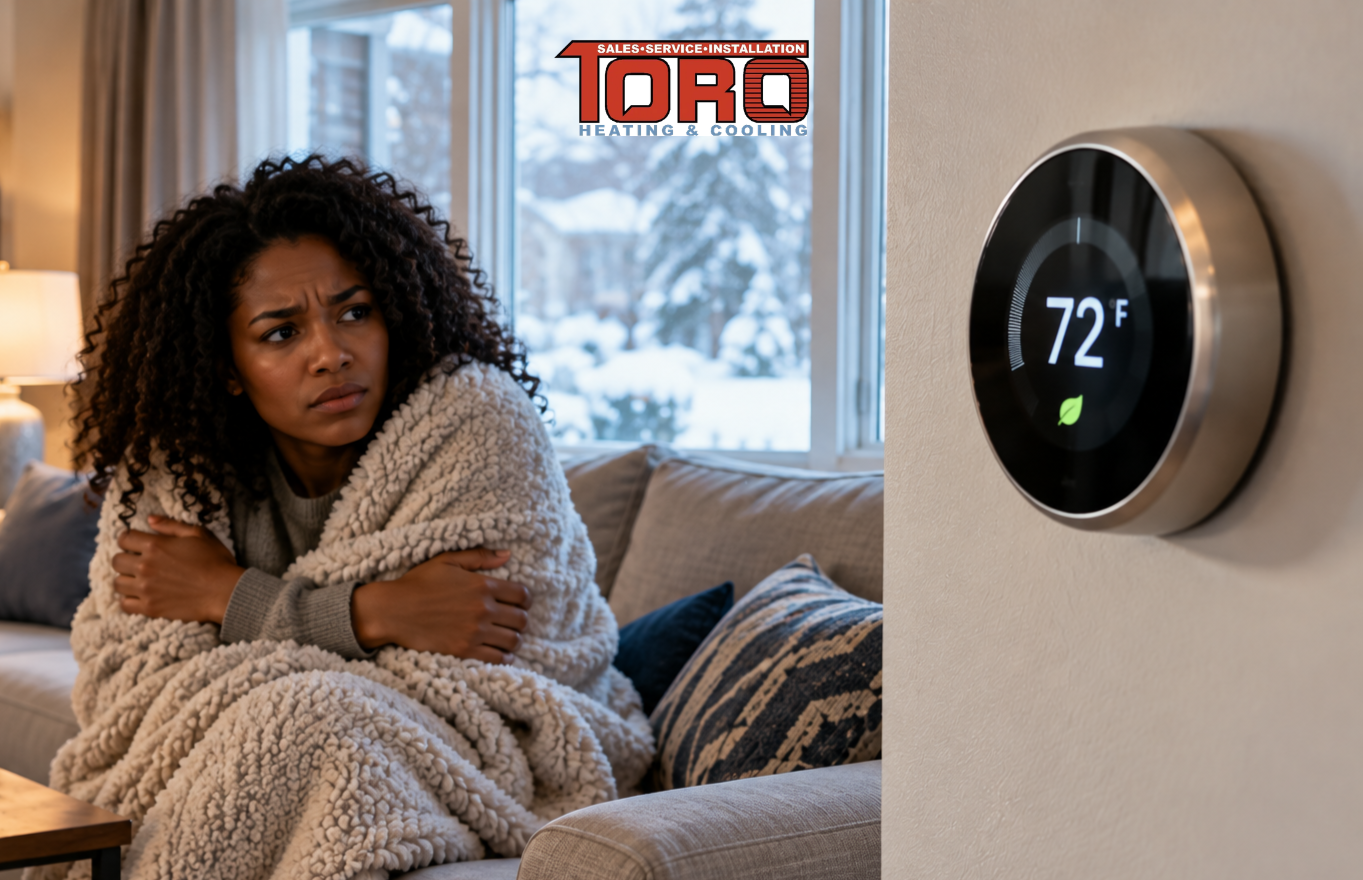
Sometimes the AC is fine, but the thermostat isn't sending the right signals. A faulty sensor, bad calibration, dead batteries, loose wires, or poor placement can all lead to misleading temperature readings. If the thermostat thinks the room is cooler than it is, the system might shut down too early, leaving the place warm.
How to check the thermostat
Make sure the mode is set to cooling, the fan setting is right, and the target temperature is lower than the room temperature. Change the batteries if needed and ensure the device isn't exposed to direct sunlight or kitchen heat. If the display is blank or inaccurate, you might need thermostat repair or a new thermostat installation.
Why smart controls still need calibration
Even smart thermostats can mess up if wires are loose or the device isn't set up properly. A working thermostat might still be incompatible with your system's settings. If your home has uneven temperatures, a broader thermostat service inspection might find whether the issue is electrical, mechanical, or setup-related.
5. Evaporator Coil or Airflow Restrictions
How the indoor coil creates cold air
The evaporator coil absorbs heat from indoor air as it passes over the cold coil surface. If it's dirty, frozen, or blocked by poor airflow, the system can't transfer heat effectively. This often leads to a situation where everything runs, but the air never feels cold.
Typical causes of restricted airflow
Besides a dirty filter, airflow can be limited by closed vents, blocked return grilles, crushed ductwork, or a failing blower motor. Poor duct design can also create pressure problems. If you suspect hidden duct issues, HVAC duct repair might be necessary.
When the coil itself is the issue
If the evaporator coil has a heavy buildup or damage, cooling performance takes a hit. Ice on the coil is a warning sign because continued use can stress the compressor and hike up repair costs. In some homes, a coil issue is part of a larger problem that involves ventilation or aging equipment. For a deeper clean, air duct cleaning could improve airflow and reduce dust.
Airflow is the difference between an AC that seems busy and one that actually cools. The Air-Conditioning, Heating, and Refrigeration Institute highlights that proper system sizing, airflow, and maintenance all play a big role in HVAC performance. That's why regular checks are valuable even when the unit seems fine.
Other Issues That Can Mimic Cooling Failure
Electrical problems and capacitor failures
Capacitors, contactors, and wiring issues can keep the compressor or fan from working at full capacity. In these cases, you might feel air moving inside, but the outdoor unit isn't doing its part in removing heat. Electrical problems are often subtle, which is why the system might seem to be running even though it's not cooling effectively.
Leaky or poorly insulated ducts
If cool air is escaping into an attic or wall cavity, rooms won't cool down properly. Leaks can also draw in hot, dusty air from unconditioned spaces. When this happens, the AC seems weak even though the equipment might be fine. That's why duct integrity is crucial, and a professional check can save you time and money.
Undersized or aging equipment
Sometimes the real issue is that the system is too small for your home, is getting old, or has seen better days. Older systems often lose efficiency, and repeated repairs might only offer a temporary fix. If your AC frequently struggles, the best move might be a new central air installation or a replacement plan that better fits your home's needs.
What You Can Safely Check Before Calling for Help
Start with simple observations.
Before calling for help, check the thermostat settings, replace a dirty filter, and make sure all supply registers are open. Head outside and clear any leaves or debris from the condenser. Listen for odd noises and see if the system is blowing weak, warm, or cold air that stops too soon. These observations help a technician diagnose the problem faster.
Know what not to do
Avoid opening sealed refrigerant parts, resetting breakers repeatedly, or running the system if you see ice on the coil. These actions can make a small problem worse. If the unit trips repeatedly, smells burnt, or makes loud noises, stop using it and call a pro. Safety first!
Use maintenance as prevention.
Many problems can be prevented or caught early with regular service. Homeowners who keep up with HVAC maintenance often face fewer emergencies, better energy efficiency, and longer equipment life. This is especially true during heavy use periods when even minor defects can cause major comfort issues.
When to Call a Professional HVAC Contractor
Signs the problem is beyond DIY
If your AC is constantly running, blowing warm air, icing up, or cycling without cooling, it's time to call an expert. The same goes if you suspect a refrigerant leak, electrical failure, fan motor issue, or coil damage. A trained technician can diagnose the whole system rather than chasing one symptom at a time.
Why expert diagnosis saves money
Accurate diagnosis prevents unnecessary part replacements and avoids temporary fixes that don't solve the root cause. For example, a new thermostat won't help if the real problem is a clogged condenser or a leaking coil. Professional service can also help decide if repair or replacement is the smarter long-term investment. If your AC problem overlaps with broader heating and cooling concerns, HVAC repair can tackle multiple system symptoms in one visit.
How a seasonal checkup helps in the long run
Regular inspections are especially handy before summer hits. During a tune-up, technicians can test airflow, check electrical components, clean coils, verify refrigerant levels, and watch for wear that could lead to cooling loss. This proactive care aligns with the National Renewable Energy Laboratory's focus on efficiency and system performance. A small preventive visit often costs less than an emergency repair during peak heat.
Frequently Asked Questions About AC Running but Not Cooling
Why is my AC blowing air but not cold air?
Common causes include a dirty filter, low refrigerant, outdoor coil buildup, thermostat issues, or airflow restrictions. Sometimes, a failing compressor or frozen evaporator coil might be the problem. The symptoms usually hint at whether the issue is mechanical, electrical, or airflow-related.
Can I keep running the AC if it is not cooling?
You can run it briefly while checking simple issues like a filter or thermostat setting, but prolonged operation is risky if the system is icing up or making strange sounds. Running the unit under stress can damage the compressor or blower. If the air stays warm after basic checks, shut it down and call a professional.
How often should I have my AC checked?
Most homes benefit from at least one annual cooling check, ideally before peak season. If the system is older, used heavily, or has had issues, more frequent service might be wise. Homes with pets, dust, or allergy concerns might also need closer attention to filters and airflow components.
What is the fastest way to restore cooling?
Start by replacing the filter, checking thermostat settings, and clearing debris from the outdoor unit. If these steps don't help, a professional evaluation is the next move. In many cases, quick diagnosis paired with the right A/C repair is the fastest route back to comfort.
Conclusion: Don’t Ignore the Signs
When your AC runs but doesn't cool, it's trying to tell you something. Whether it's a clogged filter, low refrigerant, dirty condenser coil, thermostat glitch, or airflow issue, acting quickly prevents further damage. Early attention keeps you comfortable, cuts energy waste, and helps your equipment last longer.
If you've checked the basics and things are still warm, it's time to call in a trusted HVAC contractor. Toro Heating & Cooling offers reliable support for cooling problems, maintenance, and repair decisions that make sense for your home. Ready to get comfortable again? Explore our services, request an inspection, and let a qualified technician find the real cause before it gets worse.