Is Your Furnace Winter-Ready?
Chicago winters are no joke, and if your furnace isn’t ready, you're in for a chilly surprise. Here’s a straightforward guide to spot signs that your furnace might not be up to the task, what those signs mean, and how to get it back on track. We’ll cover expert advice, industry insights, real-life examples, troubleshooting tips, and when to reach out to Toro Heating & Cooling for help.
If you'd rather have peace of mind sooner, check out our HVAC system maintenance plans. We're here to get Chicago homes ready for winter with thorough inspections and tune-ups by our certified pros.
Why Your Furnace Needs to Be Ready
Chicago's Weather and Heating Demand
Chicago's cold months bring freezing temperatures, unexpected cold snaps, and strong winds. This weather puts extra pressure on your home’s heating system. A furnace that worked last year might not cut it if parts are worn out, airflow is blocked, or there are hidden issues. Getting your furnace ready ahead of time helps prevent breakdowns and keeps your home cozy, even in the coldest spells.
Being prepared means your family stays warm without the hassle of last-minute emergency calls when repair services are in high demand. A well-maintained furnace also keeps the air in your home healthier, circulating and filtering it more effectively than if it were neglected.
Safety Risks of a Neglected Furnace
Skipping furnace maintenance can lead to safety hazards like carbon monoxide leaks, fires from electrical or mechanical failures, and poor combustion creating harmful byproducts. Regular checks can spot issues like cracks or leaks in the heat exchanger that could compromise safety. The Centers for Disease Control and Prevention offers guidelines on carbon monoxide risks that are essential to keep in mind when assessing furnace readiness.
Testing and installing carbon monoxide detectors, ensuring proper ventilation, and having professional combustion checks can greatly reduce these risks. If you suspect a carbon monoxide leak or smell gas, leave your home immediately, call emergency services, then contact HVAC support.
The Cost and Efficiency Impact
A furnace not working efficiently uses more fuel and runs longer to keep your home warm, which can lead to higher utility bills. Regular maintenance can improve efficiency by 10–18 percent, offering real savings during a Chicago winter. Well-maintained systems not only cut down on operating costs but also help avoid costly mid-season repairs and extend the life of your equipment.
Taking care of maintenance and minor upgrades in the fall pays off with lower heating bills and less need for emergency repairs during peak times.
Signs Your Furnace Isn't Ready for Winter
Strange or Persistent Noises
Odd sounds like rattling, banging, squealing, or grinding mean your furnace needs attention. Rattling could be loose panels or ducts, banging might be delayed ignition or expanding parts, and squealing often signals worn belts or motor bearings needing lubrication or replacement.
Because noises often come before a part fails, don’t ignore them. Note when they happen (like during startup or shutdown) and tell your service technician to help speed up diagnosis and repair.
Uneven Heating or Cold Spots
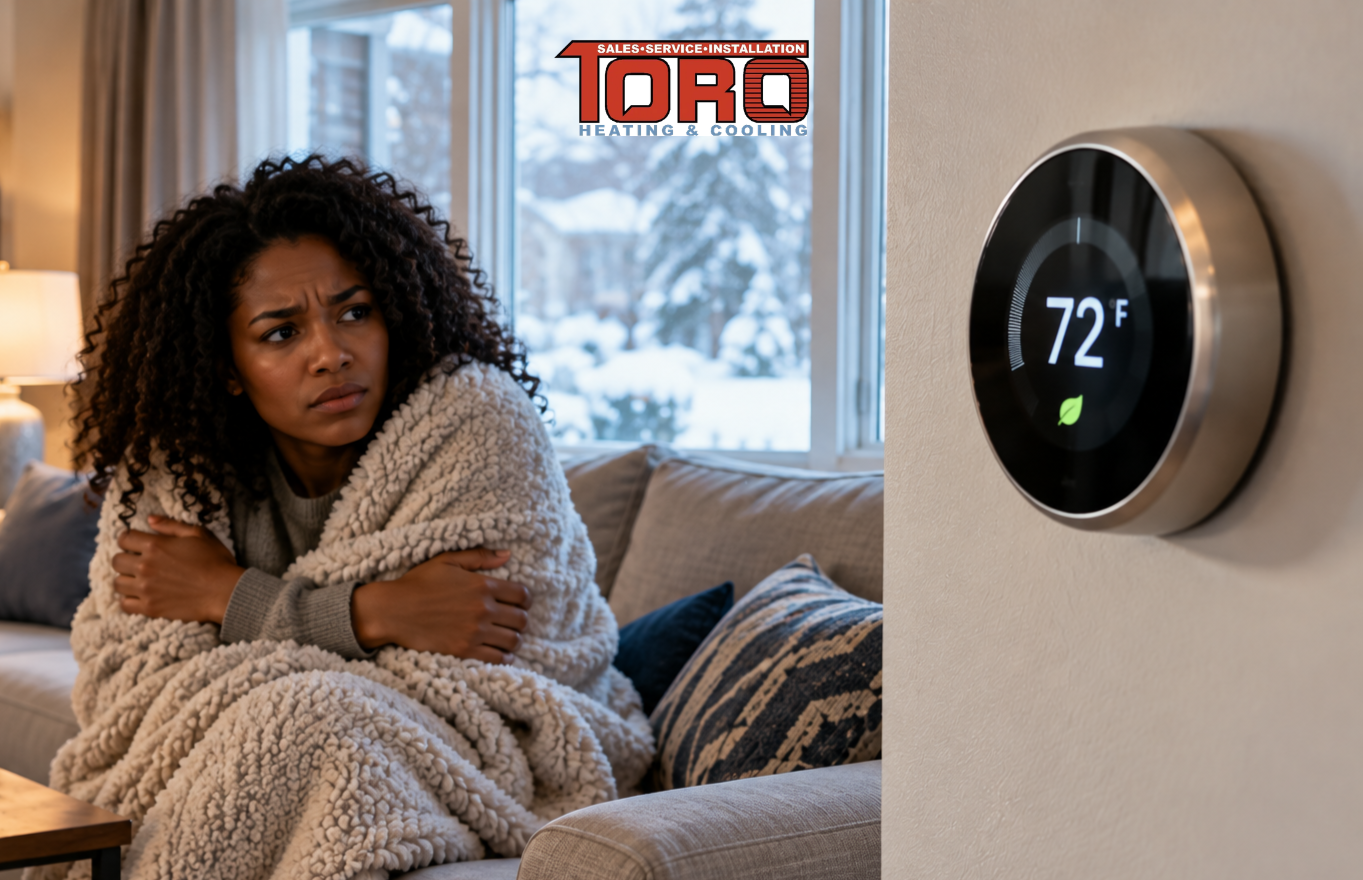
Rooms feeling colder than others or frequent temperature swings might mean your furnace isn’t distributing heat properly. This could be due to blocked airflow, dirty filters, failing blowers, or unbalanced ductwork. In older homes, poor insulation and duct leaks can make uneven heating worse.
Start fixing uneven heating by changing filters and inspecting ducts, then test the blower and balance the system. Our air duct cleaning and HVAC duct installation services can help restore proper airflow and even heat throughout your home.
Rising Bills Without Behavior Changes
If your heating costs go up without changes to thermostat settings or how often you're home, it usually means your system isn’t as efficient as it should be. This can come from clogged filters, dirty burners, failing heat exchangers, or inefficient combustion. Tracking your utility bills can help catch efficiency drops early.
A tune-up combined with checking thermostat settings can often fix unexpected energy cost increases and improve your comfort during the season.
Frequent Cycling or Short Cycling
Short cycling happens when a furnace turns on and off too often, causing wear and cutting efficiency. Common reasons include oversized units, badly placed thermostats, clogged filters, or overheating due to blocked airflow. This kind of cycling stresses parts like the ignition system and blower motor, leading to breakdowns.
Fixing short cycling involves checking filters, airflow, thermostat calibration, and safety switches. Our technicians will check these during a tune-up to find and fix the cause, stabilizing operation and preventing early part failure.
Getting Your Furnace Ready: Checklist
Visual Inspection
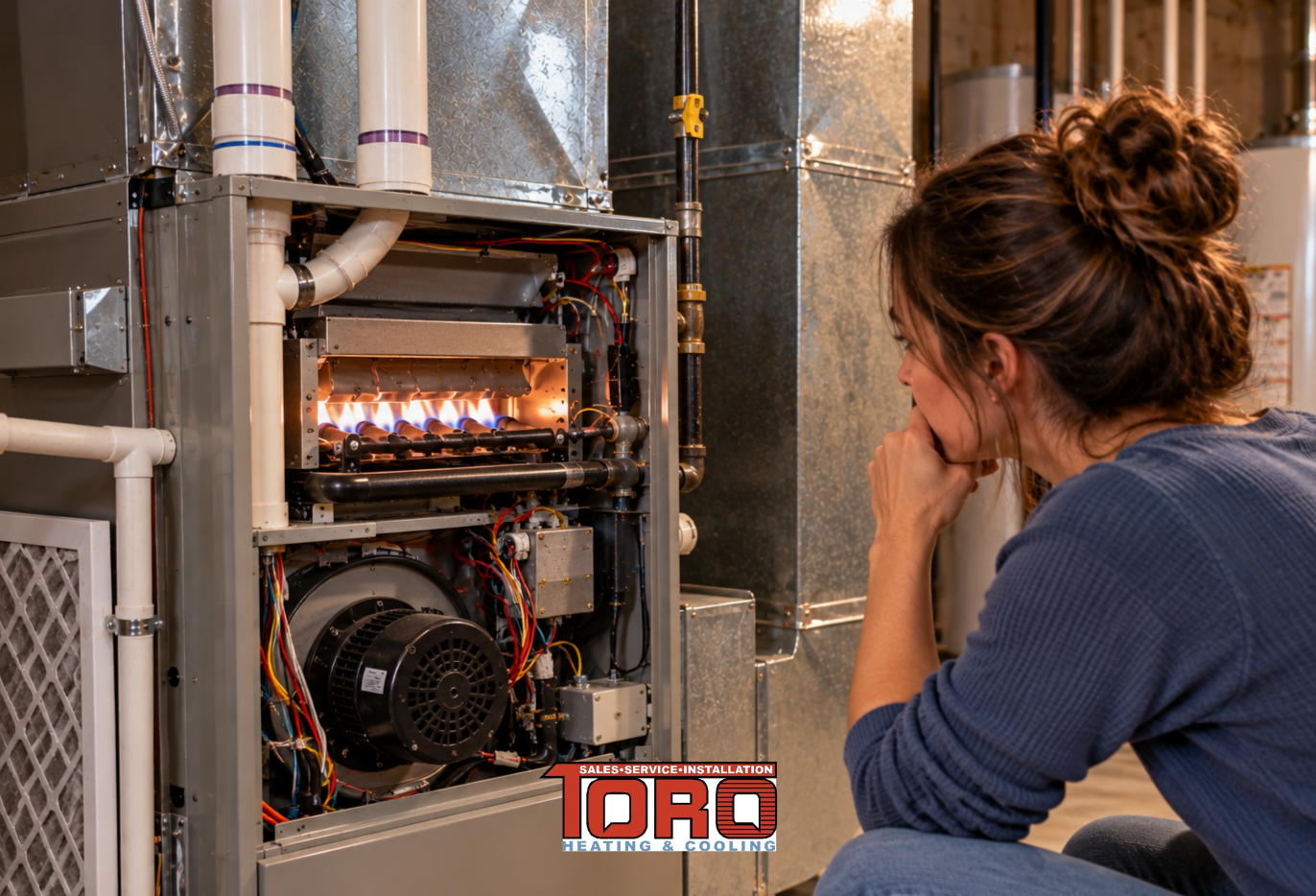
Start with a visual check of the furnace and visible ductwork. Look for signs of corrosion, soot, water stains, or loose panels—anything that might need a professional’s eye. Check visible wiring for wear and make sure vents and returns aren’t blocked by furniture or stored items.
While you can do a visual check, certified technicians have the tools to safely and accurately assess internal components. Scheduling a professional inspection ensures everything is covered before the cold sets in.
Filter, Airflow, and Ventilation Checks
Filters are key to furnace performance; changing them every 1–3 months keeps airflow and air quality in check. Clogged filters reduce airflow, make the furnace overheat, and can trigger safety limits that shut the system down. Check filter types and ratings to match your needs with your blower's capacity.
Proper ventilation must be confirmed to safely expel combustion gases. If your home vents through a chimney or specific venting systems, a technician should ensure clearances and draft are proper to prevent backflow of gases. The Environmental Protection Agency provides guidance on indoor air quality that works well with furnace ventilation checks.
Thermostat and Control System Checks
The thermostat is your comfort control. Check programming, battery life in wireless units, and ensure sensors read temperatures correctly. Smart thermostats can show diagnostic data and usage patterns to help spot inefficiencies early and optimize runtime for better comfort and savings.
If your thermostat is old or doesn’t communicate well with your furnace, consider thermostat services or installing a modern or smart thermostat for better heating control and energy use.
Professional Maintenance: What to Expect
What's Included in a Professional Tune-Up
An annual professional furnace tune-up is crucial for winter prep. Typically, it involves cleaning burners, testing the heat exchanger, checking ignition systems, lubricating parts, testing safety controls, verifying combustion efficiency, and calibrating the thermostat. These tasks catch small issues before they turn into big problems.
Technicians also check electrical connections and measure motor current to find failing parts. Documented tune-ups create a maintenance record that helps technicians suggest repairs, upgrades, or replacements when needed.
When to Schedule Maintenance
Plan your inspection and tune-up in the fall before heating season kicks in. Early scheduling ensures any needed parts or repairs can be completed before demand spikes. Routine maintenance boosts reliability and can cut heating costs by 10–25 percent, according to industry estimates.
If your system is older, has recurring problems, or if someone in your home has respiratory issues, don’t wait to schedule. Catching problems early reduces downtime and keeps your home comfortable all season long.
Choosing the Right Contractor
Pick a licensed, insured contractor with references and clear pricing. Make sure technicians are certified and experienced with your furnace's brand and model. A good contractor explains findings clearly, provides written repair estimates, and discusses efficiency upgrade options when necessary.
For those in Chicago, working with a local contractor means they understand regional climate impacts and common system issues. Toro Heating & Cooling offers HVAC expertise and tailored maintenance plans; explore our services including furnace repair and heating system maintenance.
Upgrades to Improve Your Furnace's Readiness
Smart Thermostats and Control Optimization
Smart thermostats offer precise control, remote access, and smart algorithms to reduce energy use while keeping you comfortable. These devices adjust based on occupancy, learning your schedule to minimize runtime when you’re out and ramp up efficiently when you’re back. Zoning controls make multi-level homes more comfortable.
Installing or upgrading to a smart thermostat is a cost-effective way to save energy and improve system diagnostics, helping catch issues early.
Two-Stage and Variable-Speed Furnace Technology
Modern furnace designs with two-stage or variable-speed blowers offer steadier temperatures, quieter operation, and better efficiency than single-stage models. Two-stage systems adjust burner output to meet demand, while variable-speed blowers modulate airflow for consistent temperature and humidity. These technologies are great for climates with big temperature swings, like Chicago, because they reduce short cycling and improve comfort.
Upgrading to advanced models may cost more upfront but usually result in lower operating costs and longer component life.
Enhancing Air Quality and Supplemental Systems
Air cleaners, UV lamps, and humidifiers tackle indoor air quality and comfort issues, especially in winter when homes are sealed tight. Electronic air cleaners and HEPA filtration cut down on particles, while UV lamps reduce biological growth on coils. Proper humidification helps cut down on dry air and static and makes lower thermostat settings feel warmer.
Our air cleaners and humidifiers and UV lamp installation services can be integrated with your furnace to boost year-round air quality and comfort.
Troubleshooting Furnace Problems Before Calling for Repairs
Pilot Light and Ignition Issues
For furnaces with a standing pilot light, if it won’t stay lit or burns weakly, it might be a clogged pilot orifice, thermocouple problems, or wrong gas pressure. For electronic ignition systems, repeated failures might point to faulty modules, gas valves, or control boards. Check that gas supply valves are open and replace thermostat or remote control batteries if needed.
If you feel comfortable and know how, you can inspect the pilot assembly visually and follow manufacturer guidelines. But ignition and gas-related repairs need trained technicians to check gas pressure and combustion safely; our furnace repair team can diagnose and fix ignition issues safely and quickly.
Short Cycling and Blower Issues
If your furnace starts and stops too often, check the filter first. If replacing it doesn’t fix the problem, the blower motor or limit switches might be malfunctioning. Short cycling could mean overheating from restricted airflow or a failing blower that can’t keep up.
Professional diagnosis will look at temperature differences, airflow volumes, and motor electrical characteristics to find the issue. Often, cleaning, lubricating, or replacing the blower motor or controls fixes the problem and stabilizes operation.
Carbon Monoxide Detection and Response
Carbon monoxide (CO) is an odorless, colorless gas that can be produced by incomplete combustion in furnaces with cracked heat exchangers or blocked venting. Have CO detectors on every level of your home and respond immediately to alarms by evacuating and calling emergency services. The U.S. Consumer Product Safety Commission and CDC provide guidance on CO detection and response.
If there are high CO levels or alarms go off, don’t try temporary fixes. Have certified technicians inspect the heat exchanger, combustion chamber, and venting to ensure safety.
Real-Life Examples and Tips
Preventive Maintenance Saves the Day
A Chicago homeowner’s pre-season tune-up found a clogged air filter and a small gas leak at a valve. The technician changed the filter, fixed the gas connection, and checked combustion. That winter, they used 15 percent less energy and had no service calls during peak cold times.
This example shows how minor maintenance can prevent breakdowns and save energy during high heating demand.
Efficiency Upgrades and Insulation Improvements
Another Chicago home with uneven heating and high bills replaced a 20-year-old furnace with a variable-speed model and improved insulation. Post-upgrade, they saw more consistent room temperatures and about a 20 percent drop in heating costs, proving that upgrading systems and improving home insulation work well together for savings and comfort.
Projects like this emphasize the importance of looking at both HVAC equipment and home insulation for optimizing performance.
Industry Stats and Furnace Lifespan
Most furnaces last 15 to 20 years with regular maintenance, but older systems struggle in extreme weather due to less reliable parts and lower efficiency. Regular maintenance improves efficiency by 10–18 percent and extends their life. Keeping track of service history and repairs helps decide when to replace before a big failure occurs.
When repair costs approach half the price of a new unit, or when failures repeat, replacing with a more efficient model is often the smart move.
FAQs and Decision Guide
How Often Should I Schedule Furnace Maintenance?
HVAC experts recommend an annual inspection and tune-up, ideally in the fall before heating season. Homes with heavy use, pets, or occupants with respiratory issues might need semi-annual checks or more frequent filter changes (every 1–3 months). Keeping a maintenance schedule with seasonal transitions ensures consistent performance and safety.
Our preventive maintenance plans remind homeowners and deliver timely service when it’s most needed.
Can I Do Furnace Maintenance Myself?
Homeowners can safely replace air filters, clear vents, and check thermostat settings. But tasks involving combustion, gas connections, heat exchanger inspection, electrical testing, and motor servicing need certified professionals. Trying complex repairs without training risks safety and might void warranties.
If unsure whether a task is safe, consult a qualified technician from our residential HVAC services team to avoid risks and ensure the job is done right.
When Is It Time to Replace Rather Than Repair?
Consider replacing your furnace if it’s over 15 years old, repairs are frequent, efficiency is low compared to modern units, or repair costs are significant compared to replacement. Other factors include part availability for older models and whether upgrading to variable-speed or modulating technology offers substantial savings. A professional assessment will provide a clear cost-benefit comparison to guide decisions.
Our team offers objective evaluations and can discuss replacement options, including furnace installation and financing options to help manage upfront costs.
Wrap-Up and Next Steps
Key Signs and Priorities
Watch for unusual noises, uneven heating, rising bills, frequent cycling, and combustion issues. Make safety a priority by ensuring carbon monoxide detectors work and scheduling inspections for combustion or venting concerns. Taking preventive steps now enhances efficiency and reduces the risk of winter service emergencies.
Use this checklist: change filters, check thermostat settings, inspect vents and access panels, confirm CO detectors work, and schedule a professional tune-up ahead of the first cold spell.
Contact Toro Heating & Cooling for Help
If you're in Chicago and need expert furnace prep, Toro Heating & Cooling offers certified maintenance, repairs, and system upgrades tailored to local climate needs. Request an inspection or emergency service by calling (773) 202-9933 or emailing info@torohvac.com. Explore our services, including heating system repair, filter replacement and maintenance, and thermostat services to find the right solution for your home.
Act now to secure a tune-up appointment before peak demand. Preventive maintenance avoids costly emergency repairs and keeps your family safe and comfortable throughout the winter.
Additional Resources
For guidance on energy efficiency and maintenance, the U.S. Department of Energy provides detailed advice on heating systems and tune-ups. The Environmental Protection Agency offers resources on indoor air quality, and the Centers for Disease Control and Prevention supplies safety guidance for carbon monoxide hazards. Check these sources for extra info and safety standards to prep your home for winter.