The Essential Guide to What Happens Inside Your Furnace
Ever wondered what's really going on inside your furnace? Knowing how it works can take away some of the mystery, help you stay calm when something goes wrong, and make you feel more confident about maintenance and upgrades. This guide breaks down the major parts of a furnace, shows you how everything works together from ignition to airflow, and even touches on trends like heat pumps and smart thermostats. Plus, you'll get some handy maintenance and troubleshooting tips. Whether you're gearing up for a Chicago winter or just want to know more about your HVAC system, this article has got you covered.
Introduction: Why Knowing Your Furnace Matters
What You’ll Learn
By the time you finish reading, you'll know the key parts of your furnace, how they work, and what warning signs to look out for. You'll also learn when it's time to repair or replace parts and how trends in the industry might affect your heating choices.
Who Should Read This
This guide is for homeowners, renters, and property managers who want straightforward HVAC insights without the technical jargon. It's also helpful for new technicians who need an overview to share with customers. If you're interested in professional service recommendations, think about scheduling a seasonal tune-up with a trusted company or checking out our maintenance options to keep things running smoothly.
Why It Matters in Chicago
In Chicago, winters can be brutal, so your furnace gets quite a workout. Keeping it well-maintained can mean fewer emergency repairs and lower operating costs. Local contractors know the specific demands of the area, so if you need an inspection or repairs before the cold hits, our furnace repair and maintenance services are here to help.
Furnace Components: The Parts That Make Heat Happen
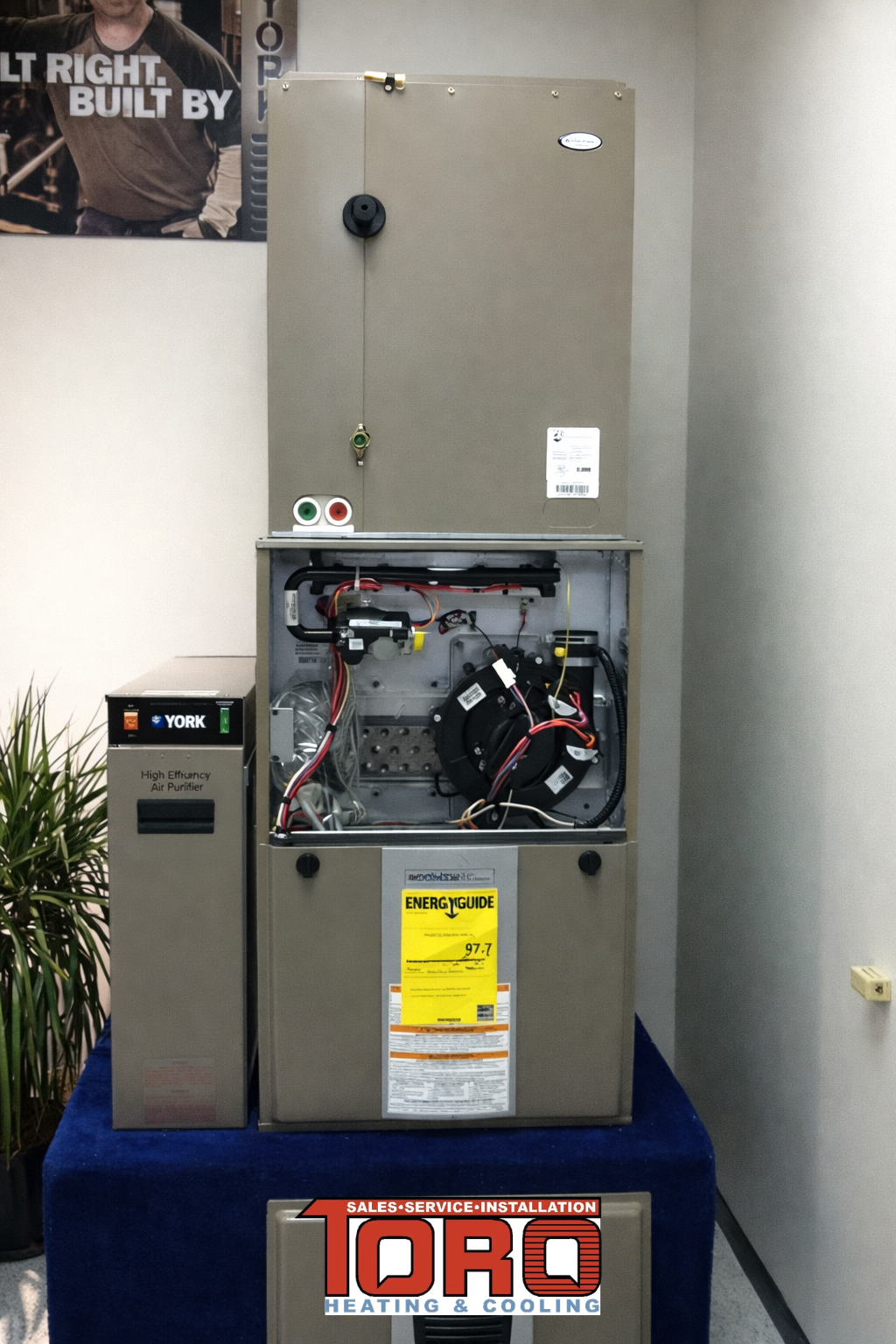
Your furnace is more than just a metal box. It's a whole system of parts working together to keep you warm. Let's dive into what each key part does and what might go wrong.
Heat Exchanger: The Core of Safety and Efficiency
The heat exchanger transfers heat from the combustion gases to the air that warms your home, keeping those gases separate from the air you breathe. Cracks or corrosion here are serious because they can let carbon monoxide into your house. Regular checks during annual service can catch these issues early, preventing leaks and keeping things running smoothly.
Burners and Combustion Components
Burners mix fuel and air to create the flame that heats your home. They need to be properly aligned and clean to work effectively. If they're not, you might see incomplete combustion, soot buildup, and higher fuel bills.
Ignition System and Flame Sensor
Modern furnaces use either hot surface igniters or electronic spark igniters instead of standing pilots. The ignition system lights up the burners, and the flame sensor checks that combustion is happening. If the sensor is dirty or not working properly, your furnace might shut off for safety reasons. Cleaning or replacing the flame sensor is a simple, cost-effective service during tune-ups.
Gas Valve and Fuel Controls
The gas valve controls the fuel supply to the burners, managed by the furnace's safety systems and control board. Issues like leaks or sticking valves can prevent ignition or create unsafe conditions. It's best to leave gas valve repairs to the pros.
Blower Motor and Air Handling
The blower motor moves warm air through your ducts and into your living spaces. If it's not working properly, you could see uneven heating and higher energy bills. Problems like reduced airflow from a failing motor or a clogged filter can lead to overheating of the heat exchanger.
Control Board: The System's Brain
The control board is like the brain of your furnace. It manages everything based on thermostat commands and safety inputs. If it fails, you might see error codes or even a complete system shutdown. Technicians can often use these codes to pinpoint problems quickly.
Air Filter and Indoor Air Quality
Filters clean the air before it moves through your system, removing dust and other particles. A dirty filter makes it harder for air to flow, which stresses the blower motor and decreases efficiency. Replace filters every 1-3 months, depending on your home's conditions. Poor indoor air quality can make allergies worse and affect your system's operation. For more on indoor air quality, check out the EPA's guidelines.
How a Furnace Works: Step-by-Step Process
Curious about the process? Here's what happens when your thermostat calls for heat until your home is cozy.
1. Thermostat Call for Heat
Your thermostat senses the room temperature and signals the furnace when it's time to heat up. Smart thermostats offer cool features like scheduling and remote control, which can improve comfort and save energy. For a more consistent setup, consider professional calibration or installation.
2. Control Board Initiates Ignition
When the thermostat sends its signal, the control board starts the ignition process, checks safety conditions, and opens the gas valve if everything's good to go. The ignition system lights the burners, and the flame sensor confirms combustion before the furnace moves to the heating phase. If a safety sensor fails, the control board will shut things down to avoid hazards.
3. Heat Transfer Through the Heat Exchanger
Combustion heats the exchanger, transferring thermal energy to the air while keeping combustion gases separate. Air absorbs the heat as it passes over the exchanger and is then circulated by the blower. Clean surfaces and proper airflow are key to effective heat transfer.
4. Distribution via Ductwork and Blower
The blower motor pushes warm air through ducts to your home. Properly sized and sealed ductwork ensures even distribution, while leaks or poor insulation can waste energy and create cold spots. If you suspect airflow issues, duct cleaning and repair are worth considering.
5. System Cycling and Thermostat Regulation
The thermostat keeps an eye on the temperature and turns the furnace on and off to maintain your preferred settings. If your furnace is cycling on and off too frequently, it might be due to factors like an oversized unit or restricted airflow. Diagnostic testing can help identify and fix these issues.
Latest Industry Trends and What They Mean for Homeowners
The HVAC world is changing fast. Two big trends—electrification with heat pumps and smart home integration—are shaping how we heat our homes. Here's what you need to know.
Electrification and the Rise of Heat Pumps
Electric heat pumps are becoming more popular as technology improves and environmental concerns grow. In the first half of 2025, heat pumps outsold gas furnaces by about 25%, showing a shift towards electric heating. Heat pumps can be more energy-efficient than traditional gas furnaces in many areas and offer both heating and cooling in one system. For more on heat pump technology and incentives, check out the Department of Energy's resources.
Smart Thermostats and IoT Integration
Smart thermostats and IoT devices let you monitor and control your heating remotely, save energy with adaptive scheduling, and more. About 44% of new HVAC systems now come with IoT-enabled devices, ready for connected home setups. These gadgets can cut down on waste, but they need secure networks and professional installation to work their best.
Efficiency Standards and Incentives
New regulations and incentives are pushing for higher efficiency standards, which can affect what equipment you choose and how quickly you see a return on investment. Rebates, tax credits, and local utility programs often target efficient heat pumps and furnaces. Homeowners should consider long-term fuel costs and current incentives before making changes.
Maintenance Tips: Keep Your Furnace in Top Shape
Regular maintenance can extend your furnace's lifespan, improve efficiency, and reduce unexpected repairs. Here are some practical steps to follow.
Annual Professional Inspections
Get a pro to inspect your furnace annually before the heating season starts. They’ll check safety devices, look at the heat exchanger, measure combustion, tighten electrical connections, lubricate moving parts, and make sure airflow is good. Regular service can catch small issues early and keep your warranty valid.
Filter Replacement Schedule
Change your air filters every 1-3 months, depending on factors like pets and indoor air quality needs. Clogged filters increase pressure and force the blower to work harder, wasting energy and possibly causing overheating. For filter services and scheduled replacements, check out our filter replacement plans.
Keep Vents and Registers Clear
Make sure furniture, rugs, and drapes aren't blocking your vents and registers. Regularly vacuum around them and ensure supply and return paths are unobstructed. Balanced airflow makes your home more comfortable and reduces strain on the system.
Check for Carbon Monoxide and Venting Issues
Because furnaces burn fuel, proper venting and safety devices are crucial for preventing carbon monoxide hazards. Install CO detectors near bedrooms and on each floor of your home. If you ever detect gas or a CO alarm goes off, evacuate your home and call for help. For reputable guidance on safety, see the EPA's resources.
Troubleshooting Common Furnace Issues
If your furnace acts up, here are some common problems and what you can do before calling a pro.
No Heat or Furnace Won’t Start
This could be due to thermostat issues, power supply problems, or a failed ignition system. Check the thermostat settings, change the batteries, and look at the breaker. If that doesn't work, it might be a control board or gas valve issue that needs professional attention.
Short Cycling or Frequent On-Off Cycling
If your furnace turns on and off too often, it could be due to restricted airflow, an oversized furnace, or safety trips. Start by changing the filter and checking vents. If the problem continues, schedule a diagnostic to get to the bottom of it.
Unusual Noises
Noises like rattling, screeching, or booming can signal loose panels, bad bearings in the blower motor, or delayed ignition. Don’t ignore new sounds; they might be a sign of bigger issues down the road.
High Energy Bills or Poor Efficiency
If your energy bills are climbing, it might be due to age, lack of maintenance, or duct leaks. Consider an efficiency audit, which includes airflow measurements and duct leakage testing. Upgrading to a high-efficiency furnace or a heat pump could save you money in the long run.
Case Studies and Real-World Examples
Let's look at some real-world examples to show the benefits of maintenance and modern technology.
Community Heat Pump Transition. Chicago Example
In Chicago, a neighborhood switched from old gas furnaces to electric heat pumps. They adjusted ducts and taught homeowners about thermostat settings. Residents saw a 30% drop in heating costs and better air quality thanks to improved filtration and fewer combustion byproducts.
Smart Thermostat Project for a Small Business
A local office installed smart thermostats with zoning and sensors. They cut runtime during off-hours and adjusted settings based on occupancy. Their energy use dropped by 15%, and employees enjoyed more stable temperatures during the day.
Preventive Maintenance Success Story
A homeowner in North Chicago scheduled regular maintenance and filter replacements. During one check-up, a technician found a small crack in the heat exchanger and recommended replacement. Catching it early avoided a dangerous CO risk and a costly emergency repair.
FAQs, Troubleshooting Guide, and When to Call a Pro
How often should I replace my furnace filter?
Swap out filters every 1-3 months, depending on pets, dust, and how many people live at home. High-efficiency filters or whole-house air cleaners might have different replacement schedules, so check the manufacturer's guidance and consider aligning filter changes with system maintenance.
What are the signs my furnace needs repair?
Look out for strange noises, uneven heating, frequent cycling, unexpected shutdowns, and rising energy bills. If you smell gas or a carbon monoxide alarm goes off, get out of the house and call a pro immediately. For non-emergencies, use a licensed technician for issues with ignition, motor, or control board.
Can I improve efficiency without replacing my furnace?
Absolutely. Regular maintenance, proper thermostat settings, sealing duct leaks, adding insulation, and installing a smart thermostat can all make a big difference. If your system is over 15-20 years old, you might want to look into replacement options, as newer units often have higher efficiency ratings.
Which is better: a heat pump or a gas furnace?
It depends on your climate, utility costs, and existing setup. Heat pumps are great for efficiency and offer both heating and cooling, while gas furnaces provide strong, reliable heat in very cold weather. Get a professional assessment to help you decide what's best for you. If you're considering a switch, our installation services can help you compare options.
When should I call a professional?
Reach out to a technician for ongoing issues, suspected gas leaks, carbon monoxide concerns, or any electrical or gas valve work. Certified pros have the tools and training to safely handle combustion testing, heat exchanger checks, and system startups.
Conclusion and Next Steps
Keen to understand what goes on inside your furnace? It can help you keep things comfy, safe, and cost-effective. Regular maintenance, timely filter changes, and staying on top of industry trends like the rise of heat pumps and smart thermostats can guide your decisions on repairs and upgrades. If you’re in a cold-weather area, getting your furnace serviced before winter hits is a smart move.
Want to keep things running smoothly? Schedule a tune-up, inspection, or consultation to check out your system and plan for better efficiency and safety. Our team at Toro Heating & Cooling is here to help with everything from seasonal maintenance to full equipment replacement and smart thermostat setup. If you spot any warning signs or want a professional efficiency assessment, give us a shout for reliable service.
For more technical background, see this overview on heating systems and furnaces on Wikipedia.
Contact Toro Heating & Cooling: Call (773) 202-9933 or email info@torohvac.com. Visit our office at 4238 N Cicero Ave, Chicago, IL 60641. Schedule an inspection today to make sure your furnace is safe, efficient, and ready for the season.
Call-to-action: Don’t wait until it's freezing, book a professional inspection now and rest easy knowing your system is tuned for peak performance. Check out our services or request a quick estimate online.