How to Improve Indoor Air Quality with Your HVAC System
Indoor air quality (IAQ) is something many of us are thinking about these days. If you’ve ever felt a bit off indoors, like your allergies are acting up or you can't concentrate, poor air quality might be to blame. This guide is here to help you make the most of your HVAC system to boost the air quality in your home or office. We’ll cover practical tips, when to consider a system upgrade, and what experienced HVAC contractors suggest for the long haul. Plus, you’ll get a look at new trends like smart HVAC systems and eco-friendly refrigerants that are changing the game.
Toro Heating & Cooling is dedicated to helping folks in Chicago create healthier indoor spaces. If you’re in need of dependable routine care, think about scheduling HVAC system maintenance to keep your equipment running smoothly and your indoor air fresh all year round. Next up, we’ll dive into actionable tips and real-world examples that show how you can make a real difference in your IAQ.
For a reliable overview of indoor air quality and how to make improvements, the EPA has some solid advice on source control, ventilation, and filtration. Check out their resources here: EPA: Improving Indoor Air Quality. This is a great starting point alongside the HVAC-focused strategies we’ll discuss.
Why Indoor Air Quality Matters
Health and Well-Being
Indoor air quality directly impacts your health. Things like dust, mold spores, and VOCs can make respiratory issues worse and trigger allergies. Better ventilation and filtration can ease symptoms for those with asthma and other sensitivities. For instance, a study in Chicago showed that adding mechanical ventilation and filtration in homes reduced asthma symptoms, proving that targeted HVAC interventions can really make a difference.
Comfort and Productivity
Beyond health, the air quality can affect how comfy and productive you feel. Stuffy air might give you a headache or make you feel tired, especially at work or school. Buildings that manage humidity and air exchange well often see happier occupants and less absenteeism. For businesses, improving IAQ is an investment in your team’s performance and your customers’ satisfaction.
Energy Use and Operational Costs
Your HVAC system is a big part of your energy bill. The U.S. Department of Energy says a large chunk of energy use in commercial buildings goes to heating, ventilation, and air conditioning. Upgrading to more energy-efficient HVAC parts and smart controls can cut down on energy use while keeping or even improving air quality. Often, IAQ upgrades fit well with energy-saving plans, helping to keep costs down.
How HVAC Systems Influence Indoor Air Quality
Filtration and Particulate Removal
Filtration is your HVAC system’s first line of defense. Basic filters catch dust and debris, but higher-efficiency ones like MERV 13 filters or HEPA systems go further by capturing fine particles and allergens. Make sure any filter upgrades don’t affect airflow; they might need blower tweaks or upgrades. Regular check-ups and timely filter replacements are key to keeping things running smoothly.
Ventilation and Fresh Air Exchange
Ventilation is all about bringing fresh air in and pushing indoor pollutants out. Systems like HRVs or ERVs balance fresh air intake with energy savings. Balanced systems are best because they manage both supply and exhaust, keeping indoor pressure stable and avoiding outdoor pollutants sneaking in. If your building isn’t ventilated enough, adding mechanical ventilation can really boost IAQ.
Humidity Control and Mold Prevention
Keeping indoor humidity between 30% and 50% helps prevent mold and controls dust mites. Your HVAC system can manage humidity with the right size, well-maintained coils, and drainage. Sometimes, whole-house humidifiers or dehumidifiers are needed. Fixing humidity issues often means tweaking your HVAC, sealing leaks, and controlling moisture sources.
Latest HVAC Trends That Improve IAQ
Smart HVAC Systems and AI-Driven Controls
Smart HVAC systems use sensors and connectivity to optimize ventilation, filtration, and temperature. AI analyzes indoor air data to make automatic adjustments, bumping up ventilation if CO2 or particulate levels rise, and dialing it back when all’s clear to save energy. Smart thermostats and building management systems can integrate with IAQ sensors for added boosts in filtration, humidification, or maintenance alerts.
Advanced Filtration and Purification Technologies
Beyond high-rated filters, technologies like true HEPA filtration, activated carbon inserts, and electronic air cleaning systems are becoming more common. Installing UV-C lamps in air handlers can cut down microbial growth, keeping everything more hygienic. When picking technologies, think about the pollutants you’re most concerned about, as strategies differ for particulates, VOCs, or microbes.
Eco-Friendly Refrigerants and System Design
New refrigerants with lower global warming potential help run HVAC sustainably without hurting IAQ. Modern heat pumps and high-efficiency air conditioners are designed for well-sealed buildings, with improved controls and ventilation options to maintain good air without using too much energy. It’s wise to consider refrigerant impacts in your overall IAQ improvement plan.
Best Practices: Maintenance and Operational Strategies
Routine Maintenance Schedules
Regular inspections, cleaning coils, checking ducts, and routine maintenance keep your HVAC system efficient and your air quality high. Maintenance should cover checking condensate drains, verifying filter seating, and testing airflow and pressure. Well-maintained systems are less likely to recirculate pollutants and are more likely to keep your indoor environment comfortable.
Filter Management and Replacement Frequency
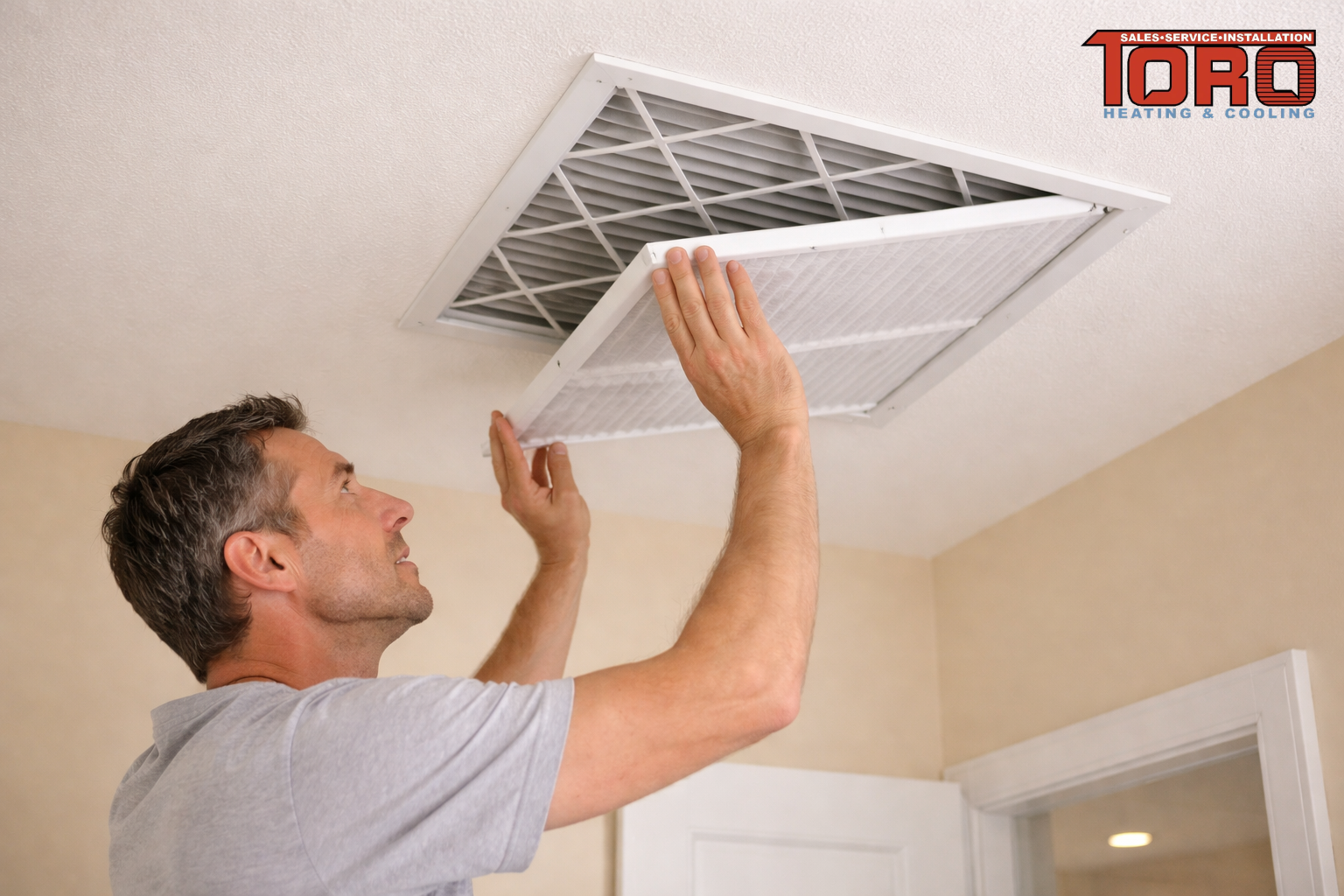
How often you replace filters depends on the type, number of people using the space, pollution sources, and how much the system runs. Most disposable filters should be checked monthly and changed every 1–3 months. Whole-house filters might last longer. Contractors often suggest a documented filter maintenance plan and might offer subscription services for regular filter delivery and replacement to keep protection steady.
Source Control and Behavioral Measures
Most IAQ improvement starts with cutting emissions from things like cleaning products, paint, tobacco smoke, and appliances. Simple changes like banning indoor smoking, ensuring appliances vent properly, and using low-VOC materials can significantly reduce IAQ burdens. HVAC solutions work best when combined with source elimination or mitigation strategies.
Filtration and Air Cleaning Solutions In-Depth
MERV Ratings, HEPA, and When to Upgrade
MERV ratings help choose filters. MERV 8 to MERV 11 are common in homes, while MERV 13 and up are better for places needing high particle removal. True HEPA filters remove tiny particles with high efficiency, but might need special housing or bypass setups. Before upgrading, check the system’s fan capacity and pressure tolerance to avoid airflow issues.
Activated Carbon and VOC Management
Activated carbon filters grab gaseous pollutants and odors that particle filters miss. They’re great for areas with chemical or odor sources, like kitchens or labs. Combining particulate and activated carbon filtration offers broad protection, but carbon media need replacing when saturated.
UV-C, Electronic Cleaners, and Whole-Home Air Cleaners
UV-C lights in air handlers reduce microbial growth, preventing odors and microbial spread. Electronic air cleaners use electrical charges to capture particles, effective for fine particulates, but they need maintenance, such as cleaning cells. For a full-package solution, whole-house air cleaners and humidifiers offer integrated IAQ control with professional installation.
Ventilation Strategies and Real-Time Monitoring
Balanced Mechanical Ventilation Systems
Balanced systems such as HRVs and ERVs bring in fresh air while recovering energy from exhaust air. They keep air quality high without a big energy hit, especially in extreme climates. Properly set up ventilation keeps indoor pressure neutral and air distributed evenly.
IAQ Sensors and Smart Responses
Using IAQ sensors for CO2, PM2.5, VOCs, and humidity gives the data needed for smart HVAC actions. Sensors can trigger more ventilation, filtration boosts, or maintenance alerts when levels go too high. Hooking sensors up to building management systems or smart thermostats allows automatic tweaks that balance air quality with energy use.
Practical Ventilation Upgrades and Services
For many homes and small businesses, targeted ventilation improvements, such as adding bathroom fans or kitchen exhausts, can boost IAQ without major retrofits. Professional services, including ventilation system services, ensure the equipment works as intended. In older buildings, evaluating and sealing ductwork may be necessary for effective ventilation.
Case Studies, Evidence, and Data-Driven Results
Chicago Retrofit and Health Outcomes
Studies show the benefits of HVAC-focused IAQ interventions. The Breathe Easy Project in Chicago retrofitted homes with mechanical ventilation, finding better indoor pollutant levels and reduced asthma symptoms. These results show how targeted HVAC interventions can improve health in urban areas with outdoor pollution and tight buildings. For more details, see the published study: Retrofitting homes & IAQ — ScienceDirect.
Sensor Deployments in Community Spaces
Low-cost sensor networks in community centers have shown how real-time data can guide changes like boosting ventilation during events. Operators used sensor alerts to adjust HVAC schedules and run higher filtration cycles during high PM or CO2 periods. These strategies help maintain healthier air without big expenses.
Energy Considerations and Department of Energy Findings
Energy is a key part of IAQ upgrades. The U.S. Department of Energy offers resources on commercial building energy use and how HVAC upgrades can optimize both air quality and energy efficiency. Well-designed systems using energy recovery and smart controls achieve IAQ improvements with minimal energy costs. For more, check out DOE resources: U.S. Department of Energy — Commercial Buildings.
Step-by-Step Implementation Guide for Building Owners
Assess and Prioritize
Start with an IAQ assessment, including occupant surveys and sensor measurements for CO2, PM2.5, and humidity. Identify top sources like appliances or moisture and tackle these first. Document baseline conditions to track improvements.
Low-Cost Fixes and Quick Wins
Easy wins include a solid filter replacement program, better exhaust fans, and sealing duct leaks. Regular cleaning of air handler coils and drains cuts microbial growth and boosts airflow. Simple steps like using low-VOC products and banning indoor smoking can cut pollutants fast while you work on longer-term HVAC solutions.
When to Hire a Professional
Complex upgrades, like adding ERVs/HRVs or redesigning ductwork, need a pro’s touch. HVAC contractors can size and install equipment correctly and offer maintenance plans to keep IAQ gains going. If you’re planning major upgrades or unsure about your system, consult a licensed contractor. Toro Heating & Cooling provides assessments, installations, and HVAC installation for new and replacement systems.
Troubleshooting Common IAQ Problems and FAQ
Why does my home still feel dusty after filter replacement?
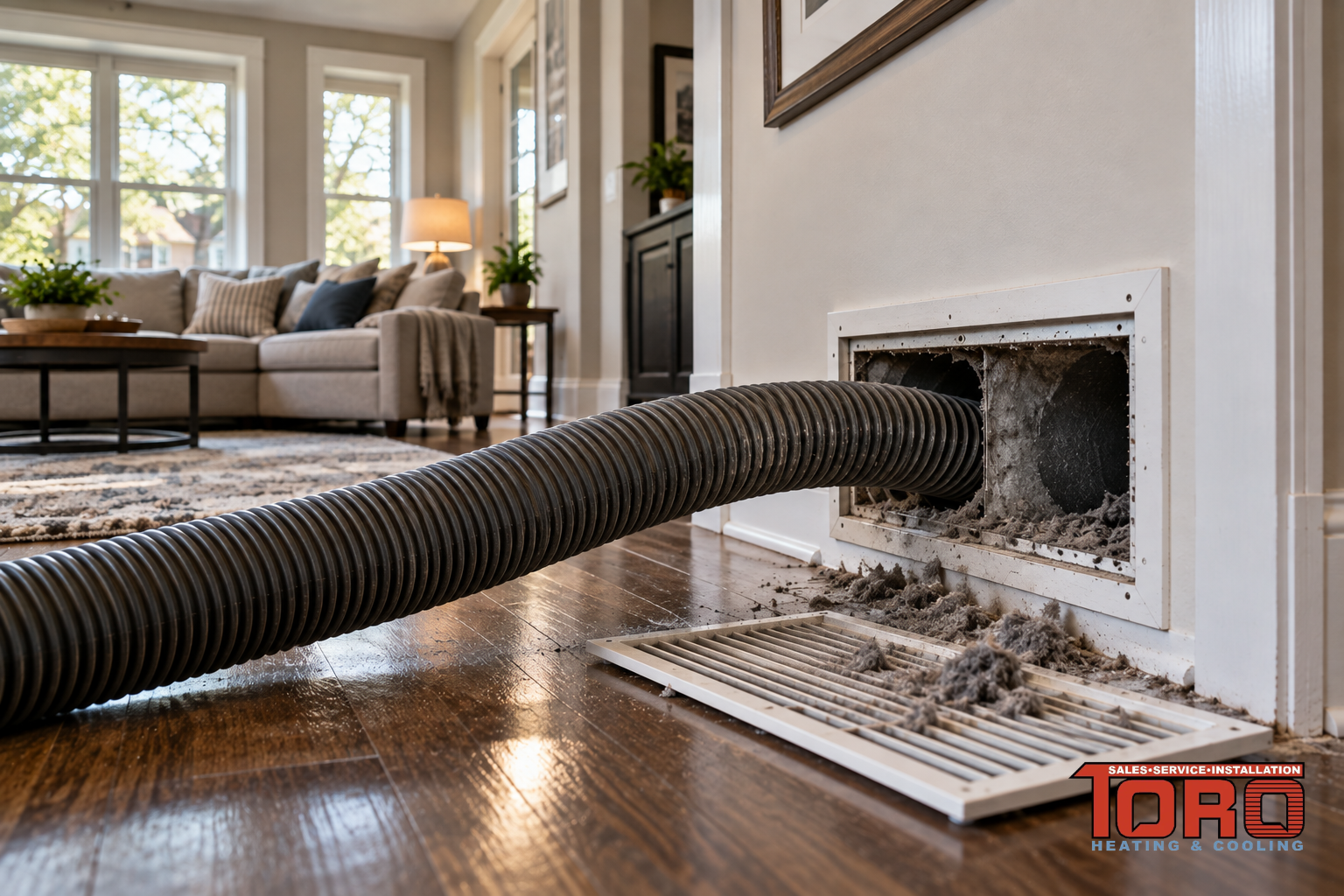
If dust lingers, it might be due to duct leaks, poor filtration, or clogged coils. Get your ducts checked for gaps, consider professional duct cleaning, and make sure your filter is the right size and properly installed. Professional air duct cleaning can remove built-up dust that re-circulates into your living space.
How often should I replace HVAC filters?
It varies by filter type and indoor conditions. Disposable filters should typically be checked monthly and replaced every 1–3 months. High-efficiency filters might last longer but need monitoring for pressure drop. If you have allergies, pets, or smokers at home, change filters more often. Professional filter replacement and maintenance plans ensure consistent protection.
Can smart thermostats and IAQ sensors really help?
Yes. Smart thermostats and IAQ sensors automate responses that improve air quality and energy efficiency. They can trigger more ventilation during busy times and reduce it when spaces are empty. They also send maintenance alerts to help keep everything running smoothly. For setup, thermostat services ensure proper installation and system communication.
Conclusion and Next Steps. Take Action on IAQ Today
Improving indoor air quality with your HVAC system involves good maintenance, smart tech, better filtration, and strategic ventilation upgrades. Start with an assessment, implement quick fixes like regular filter changes, and plan for necessary upgrades. Combining maintenance with modern HVAC tech like AI controls and advanced filtration paves the way for healthier indoor spaces without high energy costs.
If you’re in Chicago and ready to improve IAQ for your home or business, Toro Heating & Cooling can help with assessments, maintenance plans, and installations tailored to your needs. Explore our IAQ solutions like air cleaners & humidifiers and UV lamp installation for microbial control. For ventilation services, see our ventilation system services to ensure fresh air delivery is efficient and effective.
Contact Toro Heating & Cooling at (773) 202-9933 or info@torohvac.com to schedule an IAQ assessment or to learn which upgrades will work best for your space. Take the first step toward healthier indoor air today.
Frequently Cited References & Further Reading: EPA IAQ guidance: https://www.epa.gov/indoor-air-quality-iaq/improving-indoor-air-quality. Chicago retrofit study: ScienceDirect — IAQ retrofit study. DOE commercial building resources: U.S. Department of Energy — Commercial Buildings.