What Technicians Check That You Can’t See: Preventive HVAC Maintenance Explained
Introduction: Why the Invisible Checks Matter
Preventive HVAC maintenance isn't just about changing filters or cleaning coils. Homeowners usually handle the visible tasks like replacing air filters or clearing debris, but trained technicians perform detailed checks and tests that you might not see. These checks help keep your system running safely, efficiently, and for a long time. Let's explore those hidden checks, why they're important, and how a professional maintenance plan can help reduce energy costs and unexpected breakdowns.
If you have a service contract or are considering one, professional planned maintenance is a smart way to protect your HVAC investment. Find out more about our recommended schedules and what a full inspection includes in our HVAC system maintenance offering. Preventive care also supports better indoor air quality and ensures consistent comfort during peak heating and cooling seasons.
The U.S. Department of Energy notes that regular maintenance improves system efficiency and longevity. Check out the Department of Energy's guidance on maintaining HVAC systems at energy.gov. This article will cover best practices, recent industry trends, and practical checklists that technicians follow.
The Business Case: Cost Savings and Energy Efficiency
Reduced Breakdowns and Lower Repair Costs
Preventive maintenance is all about stopping problems before they happen. Industry data shows it can significantly reduce equipment breakdowns. Whether you're a homeowner or a facility manager, scheduled maintenance helps cut down on emergency repairs and lowers total repair costs over the system's life. Technicians catch small issues — like a worn capacitor or a loose wire — before they become big, expensive problems.
For businesses, reducing unexpected system failures means better control over maintenance budgets and avoids disruptions in production or service.
Improved Energy Performance
Keeping your HVAC system clean and well-tuned makes sure it runs efficiently. Studies show routine maintenance can cut energy use by 10-20%, depending on the system's age and condition. Clean coils, proper refrigerant levels, and balanced airflow mean less stress and energy use for compressors and blowers.
This efficiency is especially valuable in places with extreme weather, like Chicago, where heating and cooling demands are high, and energy costs can spike.
Safety and Compliance
Beyond saving money and energy, preventive maintenance is crucial for safety. Technicians check gas connections, combustion chambers, flame sensors, and electrical systems to spot hazards. These checks protect you by identifying issues like carbon monoxide leaks or electrical shorts. They also help ensure compliance with local codes and warranty requirements.
Documenting safety checks in a maintenance log gives building owners peace of mind and a record for insurance or audits.
The Hidden Technical Checks: What You Can’t See
Electrical Connections, Capacitors, and Motor Health
Technicians look at the electrical parts hidden inside panels. They tighten connectors, test capacitors, and measure motor current. These tests show electrical stress or potential failures that you wouldn't notice on your own.
A failing capacitor can cause a motor to overheat and fail, leading to costly replacements. Catching this early allows for a simple capacitor swap instead of replacing a whole motor or compressor.
Refrigerant Charge and Leak Detection
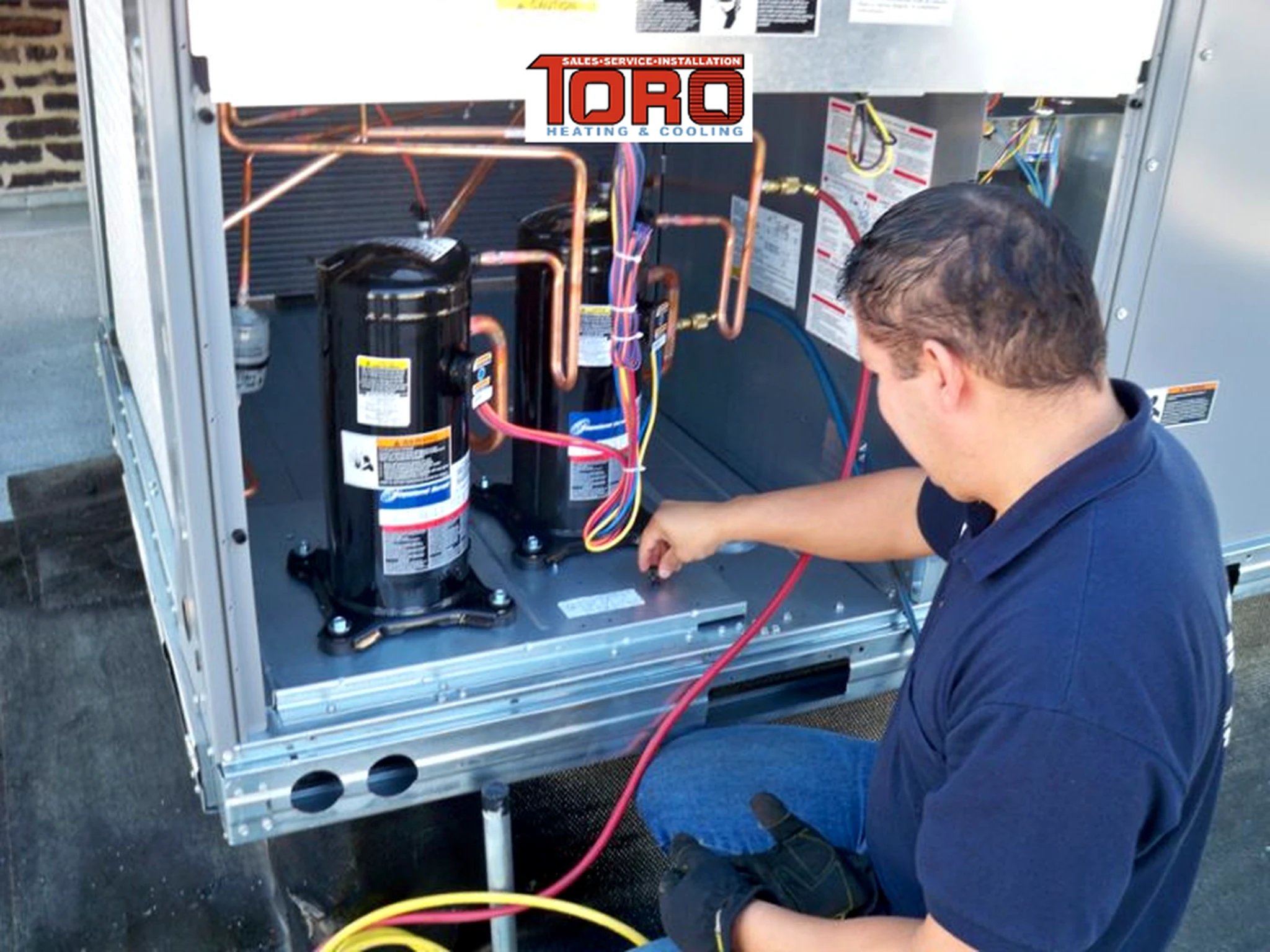
Correct refrigerant levels are key for cooling efficiency and proper compressor operation. Technicians measure pressures to ensure they're within specifications and use leak detectors to find small leaks.
Leaks reduce system efficiency and can damage the compressor. A trained technician will document charge measurements and recommend repairs if needed, restoring performance and preventing damage.
System Controls and Thermostat Calibration
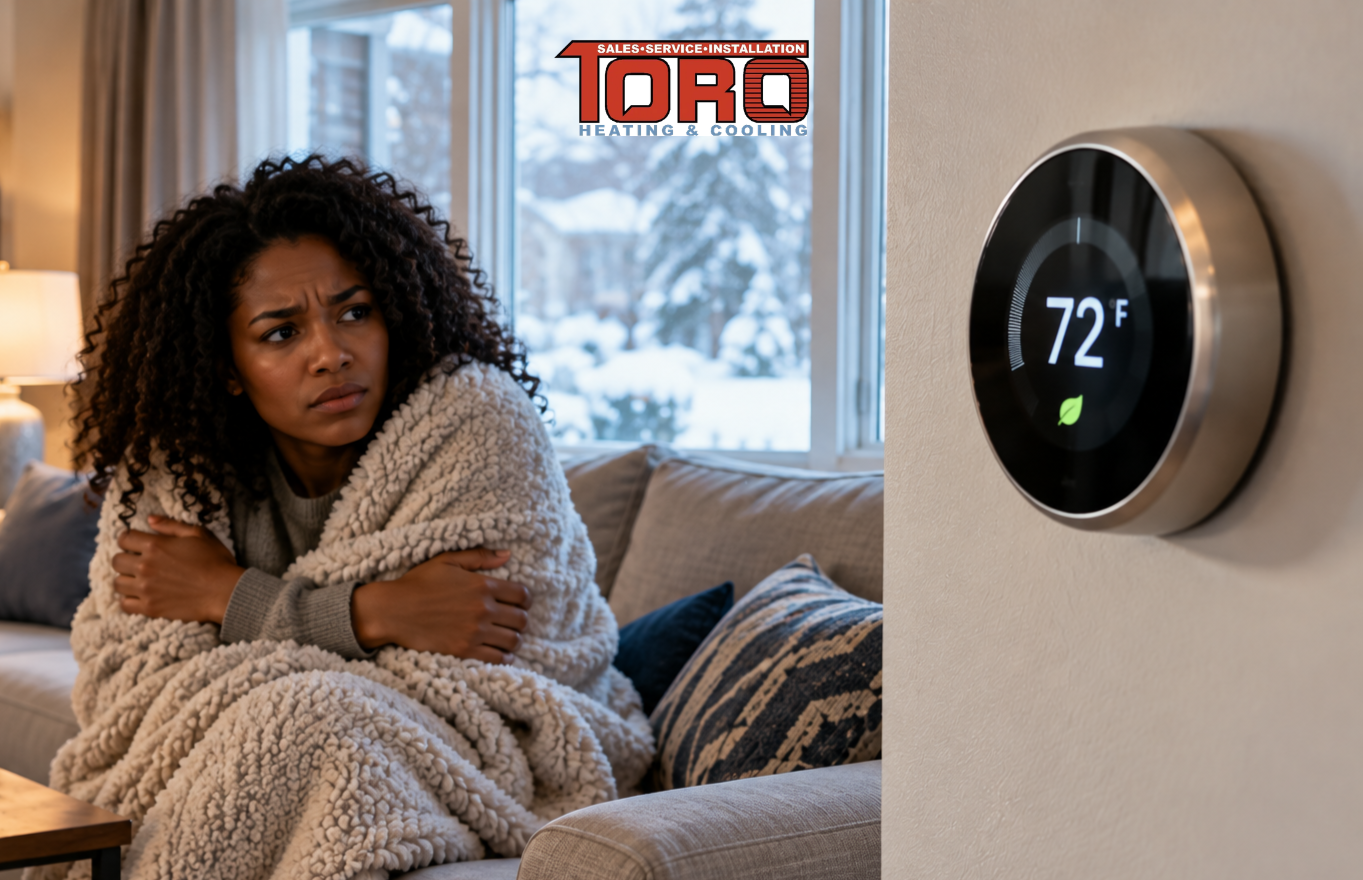
Control logic and thermostat calibration are often overlooked but vital. Technicians make sure thermostats communicate with the system, check wiring, and calibrate settings for accurate room temperatures. Poor calibration can lead to short-cycling or uneven comfort.
Advanced technicians also inspect control boards and relays for fault codes and ensure the system operates efficiently.
Airflow, Duct Leak Testing, and Pressure Balancing
Airflow issues often cause poor performance and comfort problems, but homeowners usually notice them only when it's too hot or cold. Technicians measure static pressure, check ducts for leaks, and ensure balanced airflow. Fixing duct leaks prevents conditioned air from escaping and improves indoor air quality by controlling air movement.
Heat Exchanger and Combustion Safety
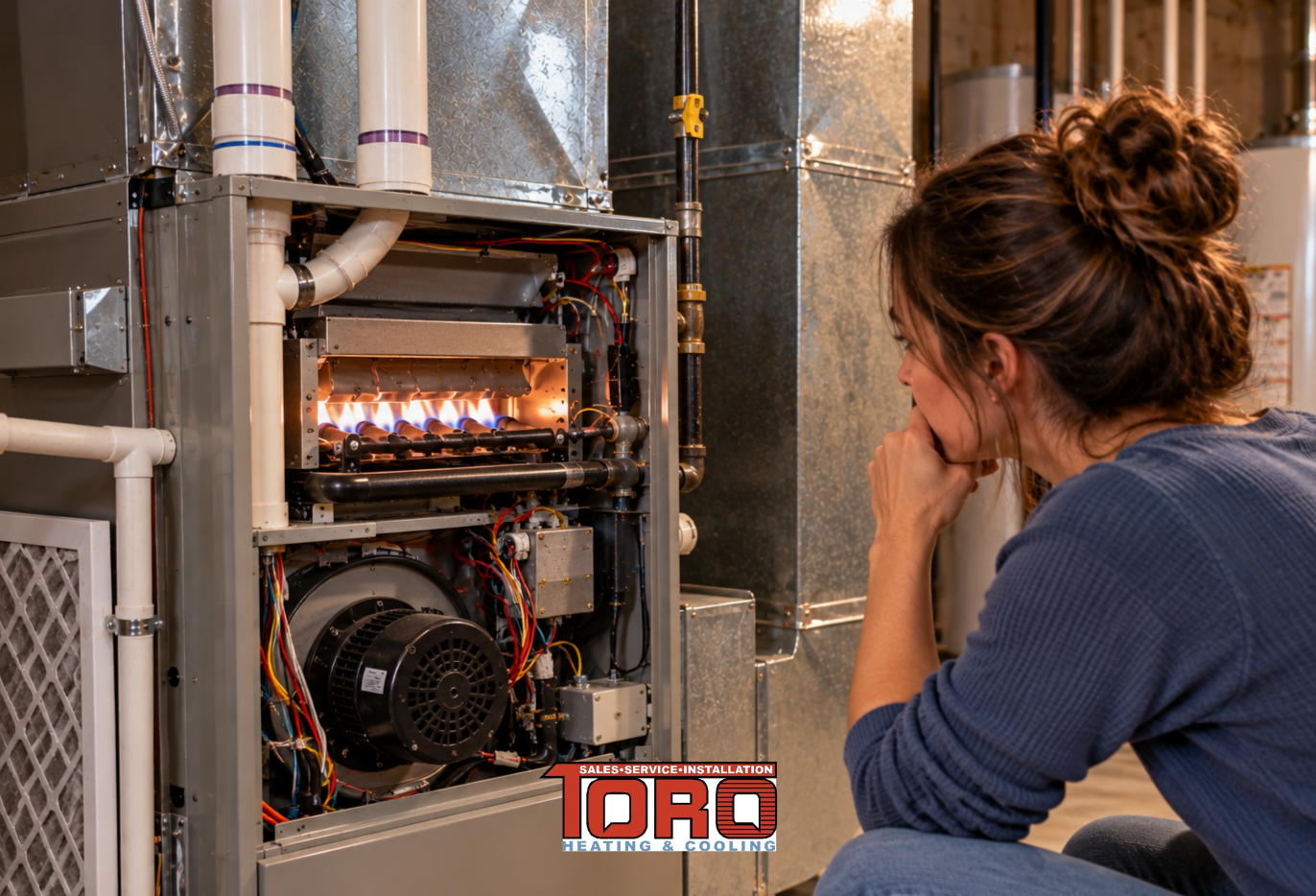
In heating systems, technicians check the heat exchanger for cracks, test combustion, and inspect flame sensors and ignition systems. A cracked heat exchanger is a safety hazard, allowing gases like carbon monoxide to enter living spaces. Only a technician can properly diagnose this.
Regular inspections keep heating systems safe and efficient during winter.
Tools, Technology, and Predictive Maintenance
Digital Logs, CMMS, and Service Histories
Technicians use computerized systems to schedule services, log diagnostics, and store equipment history. These digital records help spot trends in component failure and track refrigerant losses, leading to targeted upgrades when needed.
Digitalization also improves communication between homeowners and technicians, providing clear reports and recommendations.
IoT Sensors and Condition Monitoring
Modern HVAC systems often have sensors that continuously monitor various parameters. Technicians access this data to spot issues early. Condition-based monitoring allows for timely maintenance instead of fixed calendar visits.
This approach reduces breakdowns by letting technicians intervene when components show stress signs.
Predictive Analytics and Data-Driven Decisions
Analytics and trend analysis applied to maintenance logs and sensor data can predict failures and prioritize repairs. This helps save money and reduce service interruptions.
These technologies are increasingly part of preventive maintenance programs for both homes and businesses.
How Technology Improves Accountability and ROI
Digital tools provide clear metrics for evaluating service outcomes. Documented measurements show maintenance value and support warranty claims and ROI calculations.
Tracking repair frequency and costs helps decide when to upgrade equipment.
Seasonal Checklists: What to Expect at Each Visit
Spring (Cooling Season Prep)
Before the cooling season, technicians clean condenser coils, check refrigerant lines, verify charge levels, test the compressor, and check safety controls. They also ensure the thermostat works and replace filters for peak cooling performance.
This visit reduces the risk of A/C failure during hot weather. Consider pairing seasonal maintenance with an A/C system maintenance package for comfort and energy efficiency.
Fall (Heating System Prep)
Before winter, technicians focus on furnaces, boilers, and heat pumps. They inspect burners, test ignition and safety controls, check heat exchangers, and calibrate thermostats. For heat pumps, they verify reversing valves and defrost cycles.
Scheduling a fall visit helps prevent winter repairs and ensures safe, efficient heating. Our heating system maintenance service covers these important checks.
Mid-Season Follow-ups and Minor Tune-Ups
Mid-season check-ins are valuable in high-usage areas. These visits include filter checks and quick tests to ensure systems run smoothly. They're especially useful for commercial sites with heavy demands where minor issues can escalate quickly.
Owners of high-use systems might opt for quarterly visits or a subscription that includes remote reviews.
DIY Tasks vs. Professional Checks: What You Can and Can’t Do
Homeowner Tasks: What You Should Do Regularly
Homeowners should perform basic maintenance tasks between service visits. These include replacing filters, keeping outdoor units clear, and ensuring vents are unobstructed. Regular filter maintenance alone can improve airflow and extend equipment life.
These actions are important, but they don't replace the deeper checks and repairs done by technicians.
Professional Tasks: Why Technicians Are Necessary
Technicians have the tools and training to safely inspect electrical systems, measure refrigerant levels, test combustion efficiency, and check blower motor health. Tasks involving refrigerant and detailed electrical work need certification and experience to do safely.
Trying advanced repairs without the right equipment risks injury, property damage, and voiding warranties. For complex checks, rely on a trained HVAC contractor.
How to Prepare for a Technician Visit
To make the most of a technician visit, ensure equipment access, note any unusual sounds or issues, and collect past service records if possible. Clear access speeds up the inspection and reduces missed items. Also, communicate any comfort complaints so the technician can focus on diagnostics.
To streamline scheduling, consider enrolling in a maintenance plan that includes reminders and priority service.
Case Studies and Real-World Examples
Commercial Facility: Energy and Downtime Savings
A manufacturing plant that started a preventive maintenance program saw big improvements in a year: a 25% drop in energy costs and a 30% decrease in system failures. Technicians used scheduled visits and monitoring to spot inefficiencies and prioritize repairs, leading to immediate improvements.
These examples show that preventive maintenance is an investment, delivering real returns.
Residential Example: Avoided Mid-Summer Failure
A homeowner in a high-use area had fewer emergency calls after starting a seasonal maintenance plan with refrigerant checks and coil cleaning. During one visit, technicians found a slow refrigerant leak and fixed it before peak season, preventing a costly compressor failure.
Small proactive repairs like this show why systems last longer with regular care.
Industry Survey Insight: Low Adoption of Preventive Maintenance
Despite clear benefits, surveys show only a few households schedule preventive maintenance. One report found about 30% of Americans do this. This gap is an opportunity for homeowners to reduce risks and costs through scheduled service agreements.
For more insights on survey findings, see industry publications like ACHR News.
Choosing a Preventive Maintenance Plan
What a Robust Plan Should Include
A good preventive plan should include at least two visits a year, detailed inspection of electrical and mechanical parts, refrigerant checks, safety tests, airflow testing, and a written report with recommendations. Plans often offer priority service, repair discounts, and service history for warranties.
When comparing providers, look for transparent checklists, digital reporting, and experienced technicians who explain findings clearly.
Service Contracts vs. One-Time Tune-Ups
Service contracts offer predictability and often lower costs per visit compared to one-time tune-ups. They build a long-term relationship between the homeowner and the contractor, helping with consistent records and performance improvements.
If you prefer a one-time tune-up, ensure it includes the key checks listed earlier; otherwise, you might not get a full inspection.
Selecting a Contractor: Questions to Ask
Ask potential contractors about technician certifications, sample checklists, digital reporting, and references for similar jobs. Inquire about their tools for leak detection, combustion analysis, and airflow measurement. Confirm whether they offer maintenance packages with priority scheduling and discounts.
Choosing the right contractor affects both immediate performance and long-term costs, so invest time in checking credentials and service approach.
Troubleshooting, FAQ, and Quick Guides
Common Warning Signs to Call a Technician
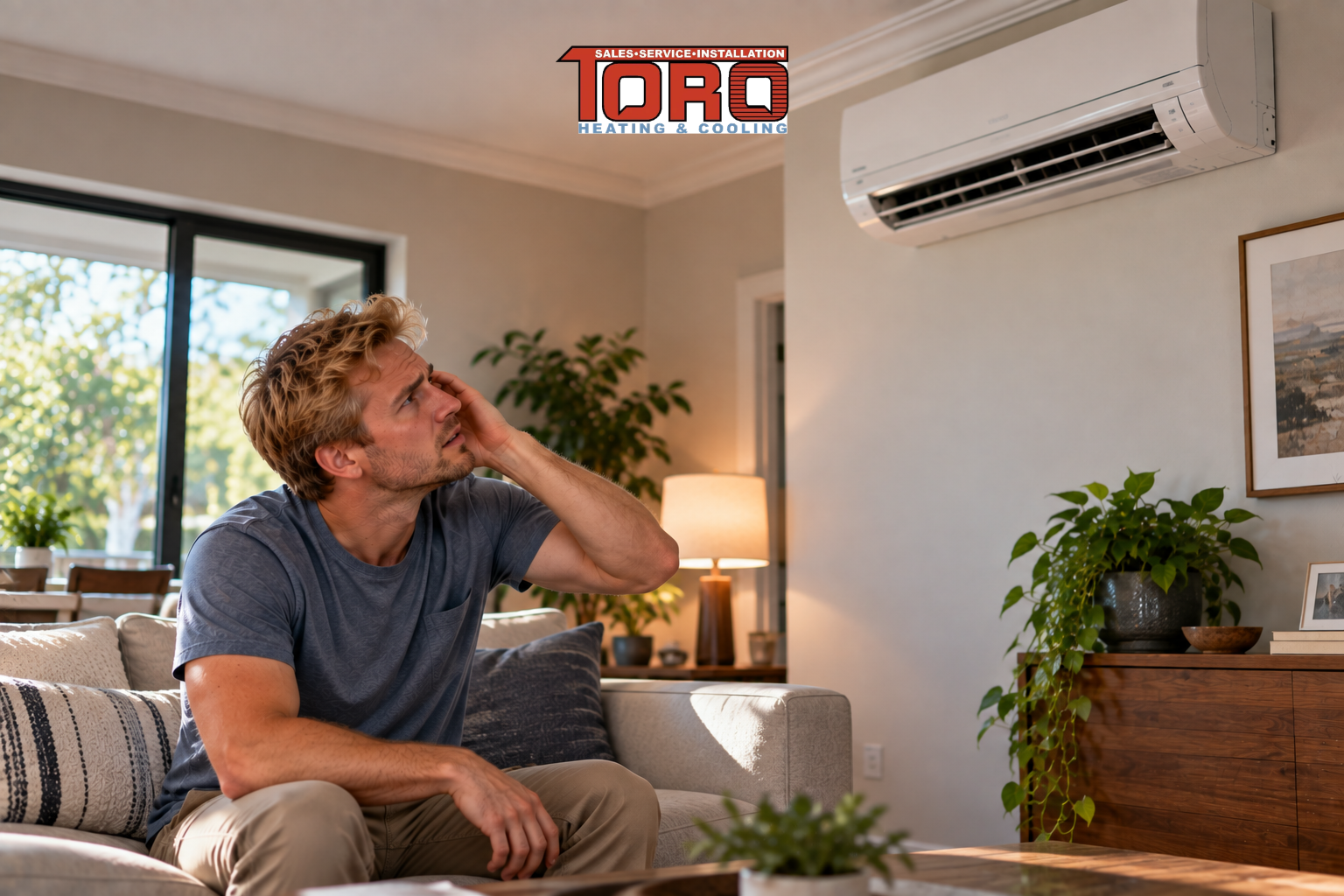
Look for these symptoms: strange noises, frequent short-cycling, uneven temperatures, rising energy bills, and unusual odors. Any of these can signal invisible issues that technicians check during maintenance.
Document the timing and context of symptoms and share this information with your technician for effective diagnostics.
Quick Troubleshooting Steps Before Calling
Before calling for service, check and replace the filter, ensure breakers are on, verify thermostat settings, and clear debris from outdoor units. These simple steps can resolve many problems. If issues persist, record what you've tried so the technician can focus on deeper diagnostics.
For help with filter selection and frequency, our filter replacement and maintenance service explains recommended filter types and schedules.
Frequently Asked Questions
How often should maintenance be done? Ideally twice a year — before the cooling and heating seasons. Can a homeowner do preventive checks? Yes, basic tasks like filter changes and keeping outdoor equipment clear are encouraged, but refrigerant and electrical checks should be left to professionals. What savings can I expect? Energy savings can range from 10-20% per year with well-maintained systems, and breakdowns can be greatly reduced.
For thermostat calibration or wiring issues, consider our thermostat services to ensure your system follows the schedule and setpoints you expect.
Conclusion — Next Steps and Call to Action
Preventive HVAC maintenance finds and fixes hidden issues that affect performance, safety, and equipment life. Technicians do critical checks — electrical testing, refrigerant verification, duct and airflow diagnostics, combustion safety inspections, and digital trend analysis — that go beyond what you could do on your own. These checks save money, reduce repairs, and extend equipment life.
If you're in Chicago or nearby, Toro Heating & Cooling offers maintenance plans and digital reporting for clarity and control. Learn about our maintenance options or schedule a preventive visit through our HVAC system maintenance page. If you have cooling concerns, check our A/C maintenance services to prepare for summer. For immediate repair needs, visit HVAC repair to request emergency assistance.
For further reading on indoor air quality and maintenance impacts on health, see the EPA’s resource at epa.gov/indoor-air-quality-iaq. For best practices and industry standards, the American Society of Heating, Refrigerating and Air-Conditioning Engineers (ASHRAE) provides guidance and standards.
Ready to schedule your preventive maintenance or learn which plan fits your home or business? Contact Toro Heating & Cooling at (773) 202-9933 or info@torohvac.com for a comprehensive inspection. Protecting your HVAC system today means fewer surprises and lower costs tomorrow.
Appendix — Additional Resources and Links
- U.S. Department of Energy: energy.gov — Practical guidance on HVAC maintenance and efficiency improvements.
- EPA Indoor Air Quality: epa.gov/indoor-air-quality-iaq — Health-oriented resources related to indoor air and HVAC impacts.
- ASHRAE: ashrae.org — Industry standards and technical resources used by professional technicians and engineers.